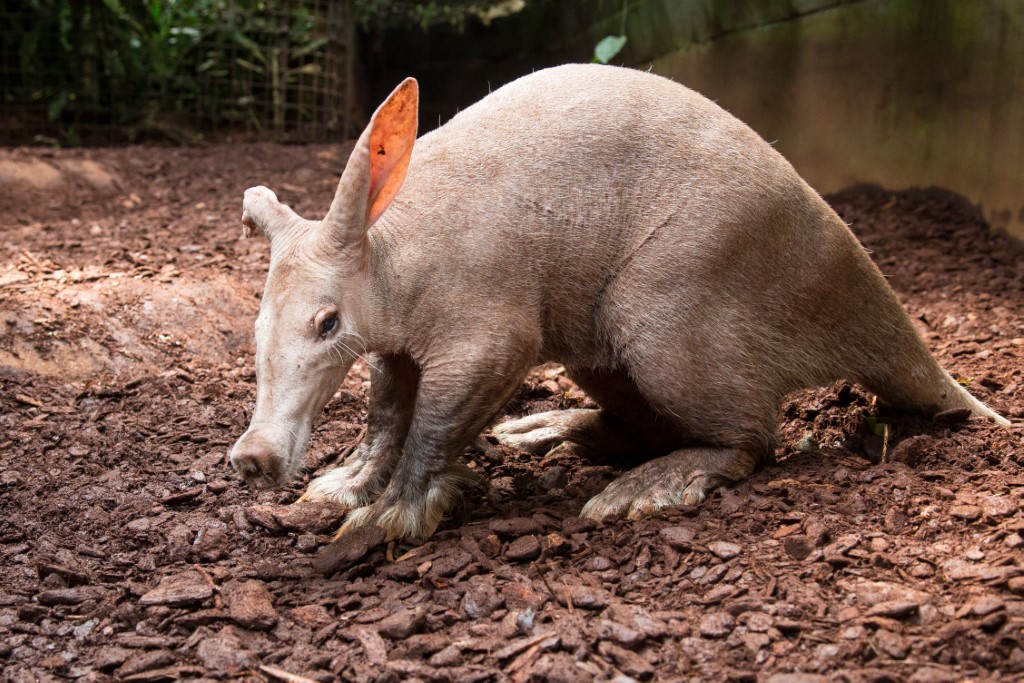
The aardvark is a nocturnal mammal native to Africa, known for its long snout and strong claws. It primarily feeds on ants and termites, using its specialized tongue to extract insects from underground nests. The aardvark is notable for its unique appearance and is the only living species in its order, Tubulidentata.
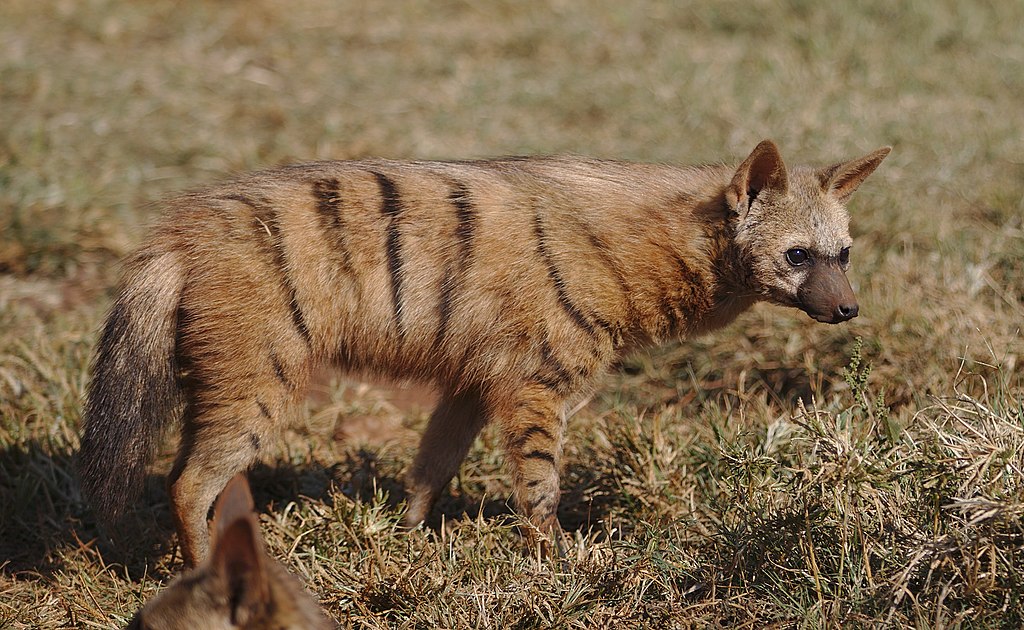
The aardwolf is a small, insectivorous mammal native to Eastern and Southern Africa. It belongs to the hyena family but differs from other hyenas by primarily feeding on termites. The aardwolf is known for its nocturnal habits and plays a role in controlling insect populations in its ecosystem.
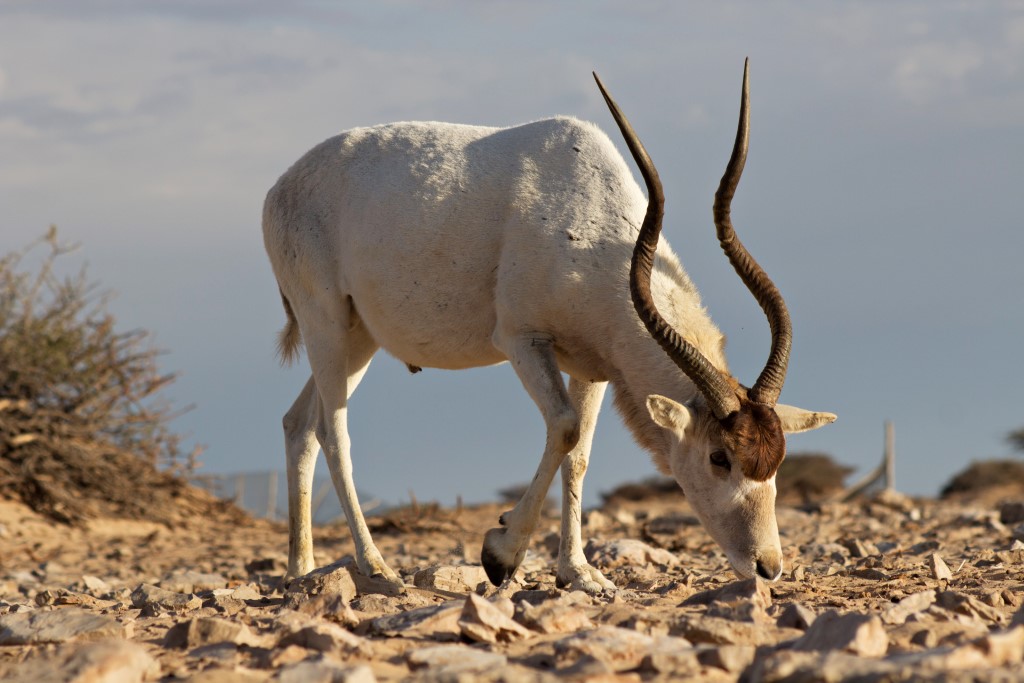
The addax is a critically endangered species of antelope native to the Sahara Desert in Africa. Recognized for its long, twisted horns and pale coat, the addax is well-adapted to arid environments. Its population has declined drastically due to overhunting and habitat loss, making it a focus of conservation efforts. The addax is significant in studies of desert ecology and species preservation.
© Wikimedia.org/Haytem93, CC BY-SA
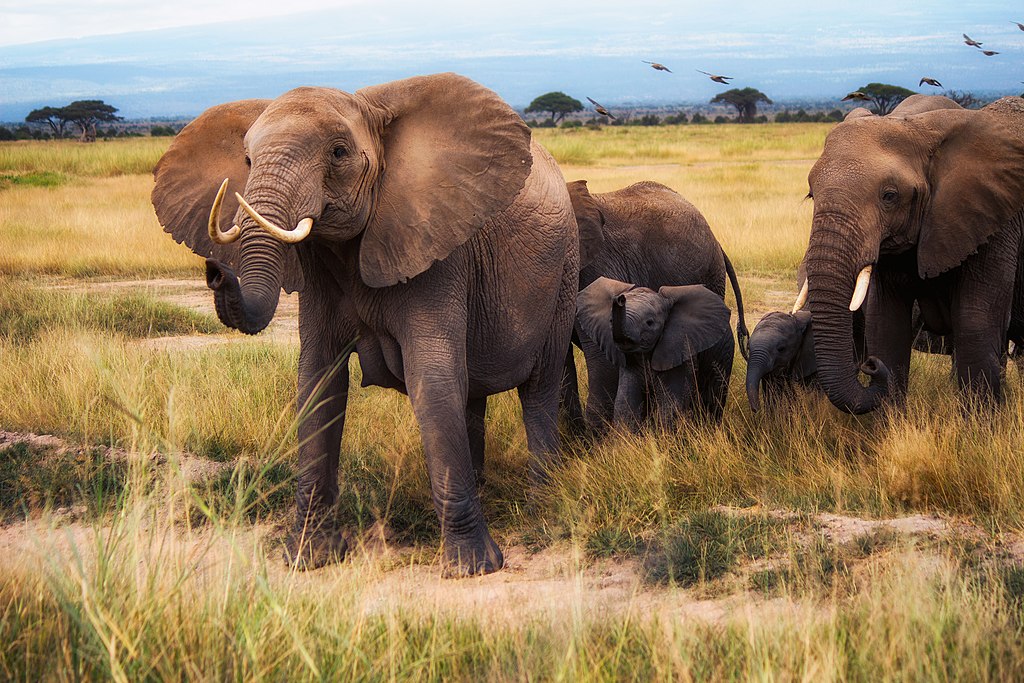
The African bush elephant is the largest land animal on Earth and is native to various regions across Africa. It is distinguished by its large ears, tusks, and trunk, and it plays a crucial role in its ecosystem by shaping landscapes and dispersing seeds. The species is studied in zoology and conservation due to its threatened status from poaching and habitat loss. African bush elephants are significant symbols of wildlife conservation efforts.
The African civet is a nocturnal mammal native to sub-Saharan Africa, known for its distinctive black and white markings and musky scent. It belongs to the family Viverridae and is notable for producing civetone, a substance historically used in the perfume industry. African civets are omnivorous and play a role in their ecosystems as both predators and prey. Their unique appearance and scent-marking behavior make them a subject of interest in zoology and wildlife studies.
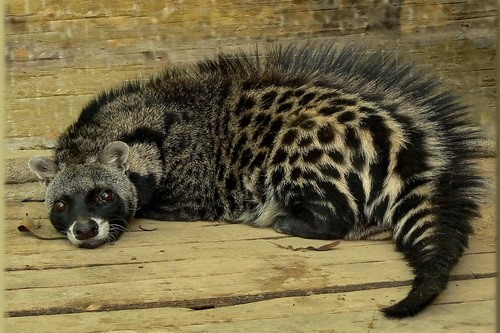
© Wikimedia.org/I've Got It On Film!, CC BY
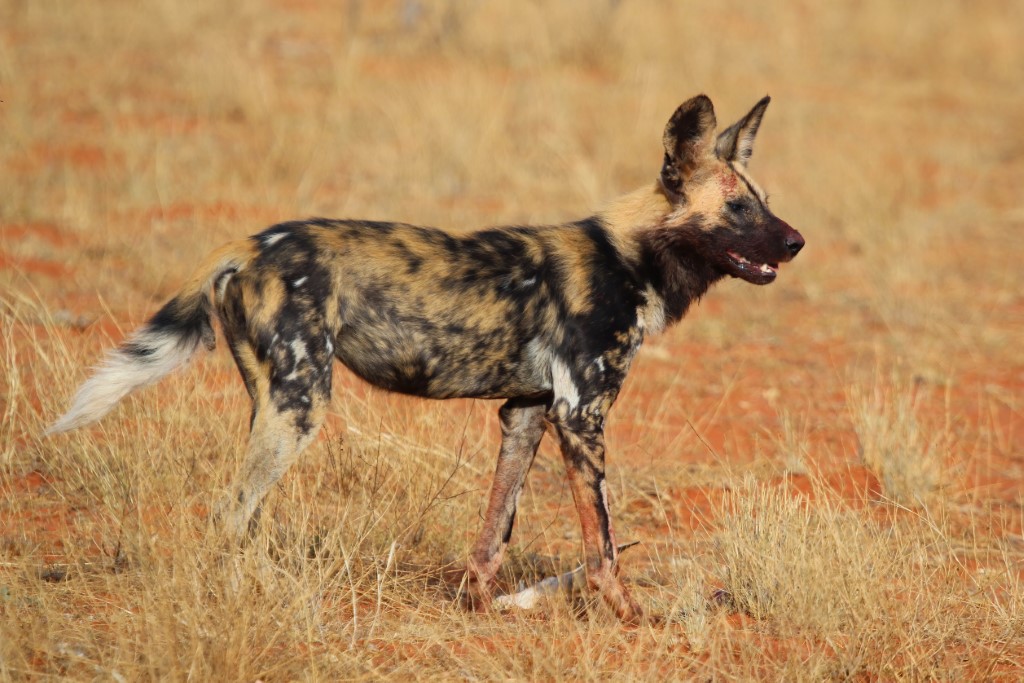
The African Wild Dog, also known as the painted wolf or Lycaon pictus, is a highly social carnivorous mammal native to sub-Saharan Africa. It is known for its distinctive mottled coat, large ears, and cooperative hunting strategies. The species is endangered due to habitat loss, disease, and conflict with humans.
The alpaca is a domesticated mammal native to South America, closely related to the llama. Alpacas are primarily raised for their soft and valuable wool, which is used in textiles. They have been an important part of Andean cultures for thousands of years, providing fiber, meat, and companionship. Alpacas are known for their gentle temperament and distinctive appearance.
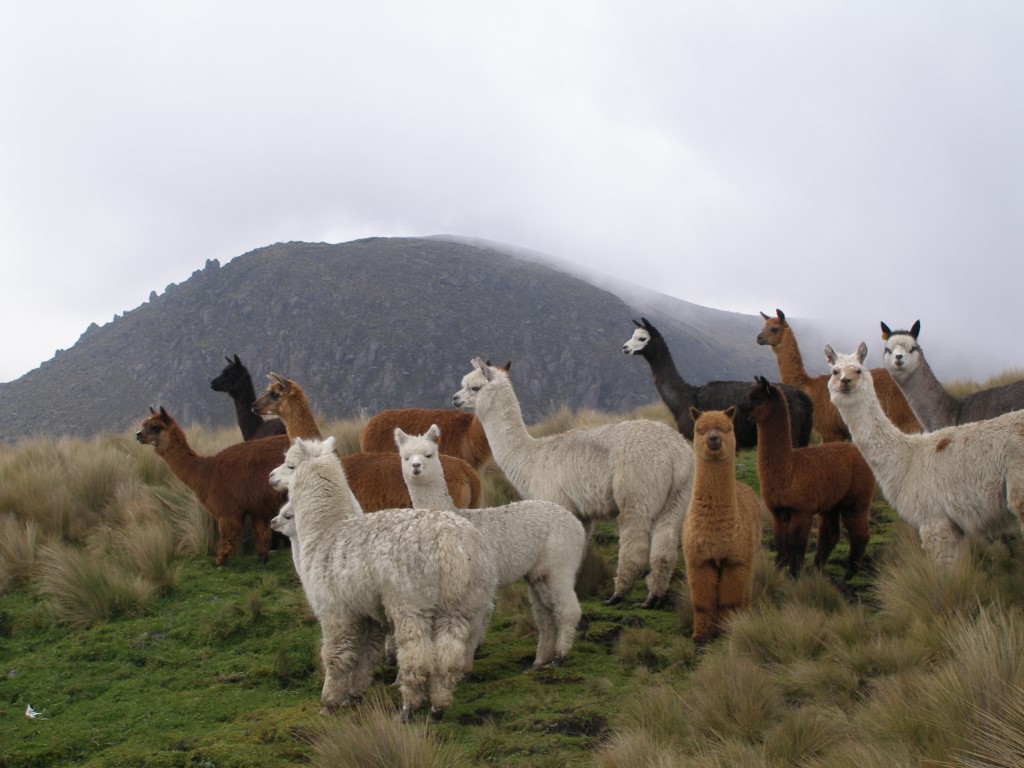
© Wikimedia.org/Philippe Lavoie, CC0
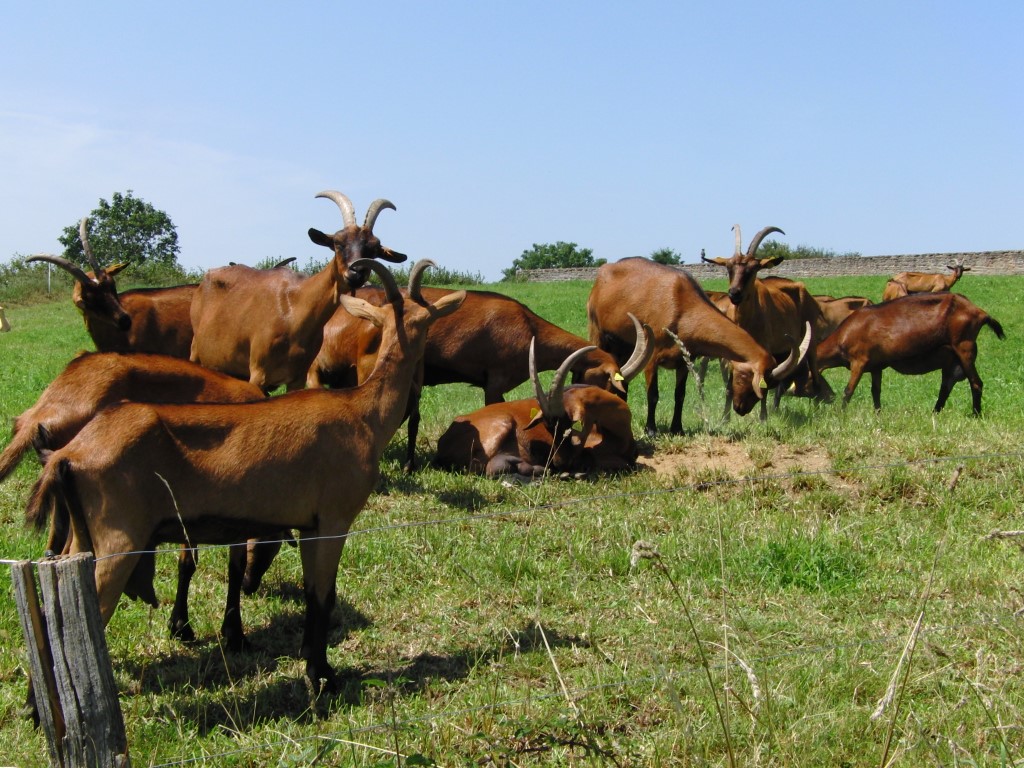
The Alpine Goat is a breed of domestic goat that originated in the French Alps. It is known for its high milk production and adaptability to various climates, making it popular among dairy farmers. Alpine Goats are recognized for their medium to large size and distinct color patterns. They are valued for their contribution to the dairy industry, particularly in cheese and milk production.
The Amazon River Dolphin, also known as the pink river dolphin or boto, is a freshwater dolphin species native to the Amazon and Orinoco river basins in South America. It is distinguished by its pink coloration and flexible neck, which allows it to navigate through flooded forests. The species is significant in local folklore and is considered vulnerable due to habitat loss and environmental threats.

© Wikimedia.org/Oceancetaceen, CC BY-SA-DE
The American Pygmy is a breed of domestic goat originating in the United States. It is known for its small size, stocky build, and adaptability to various environments. The breed is commonly kept as a pet, for research, or for milk production, and is recognized for its friendly temperament.
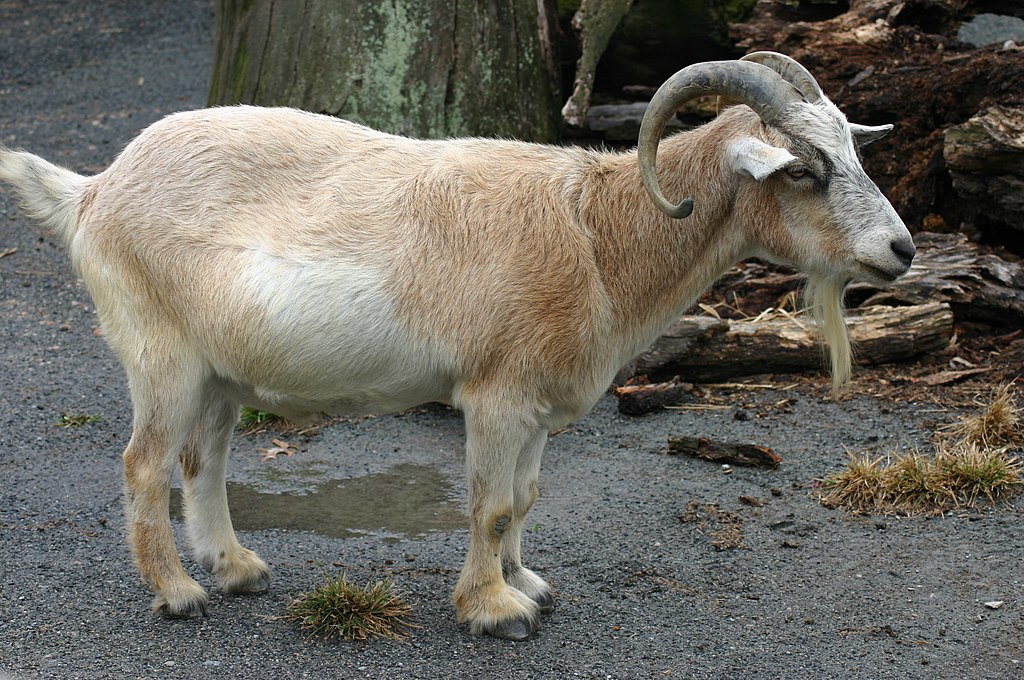
© Wikimedia.org/Justin Scott Stiles, CC BY-SA
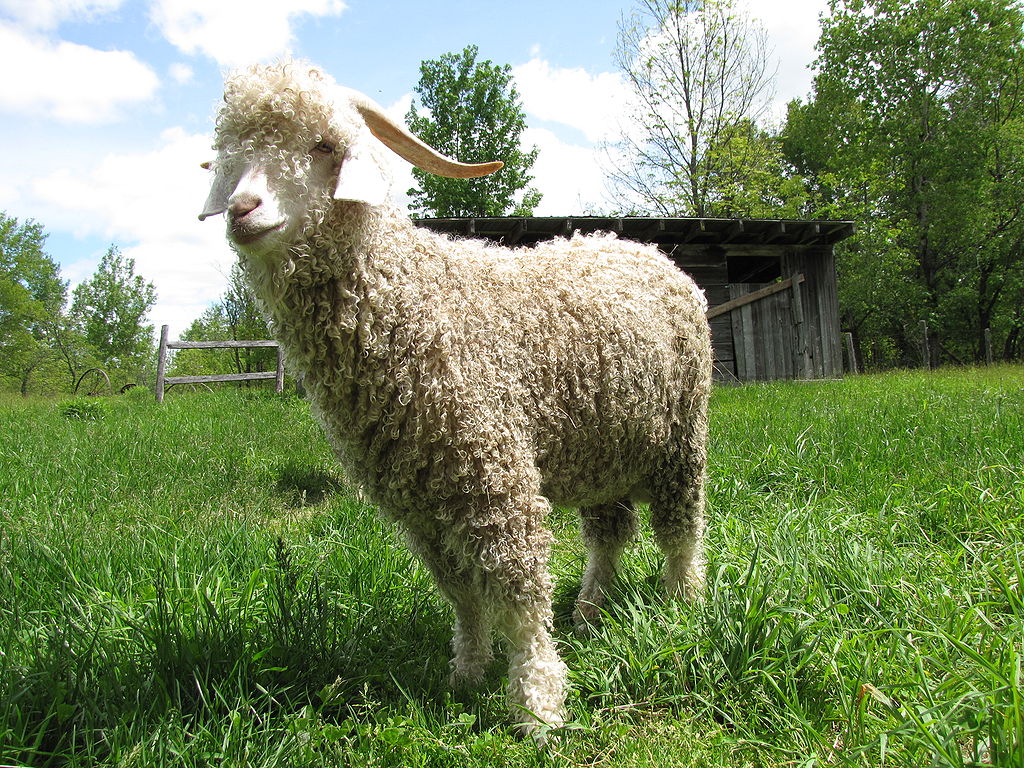
The Angora Goat is a domesticated breed known for producing mohair, a silky fiber used in textiles. Originating from the Angora region in present-day Turkey, these goats have been bred for their valuable fleece. The Angora Goat is significant in agriculture and the textile industry due to the quality and demand for mohair. They are characterized by their long, curly coats and gentle temperament.
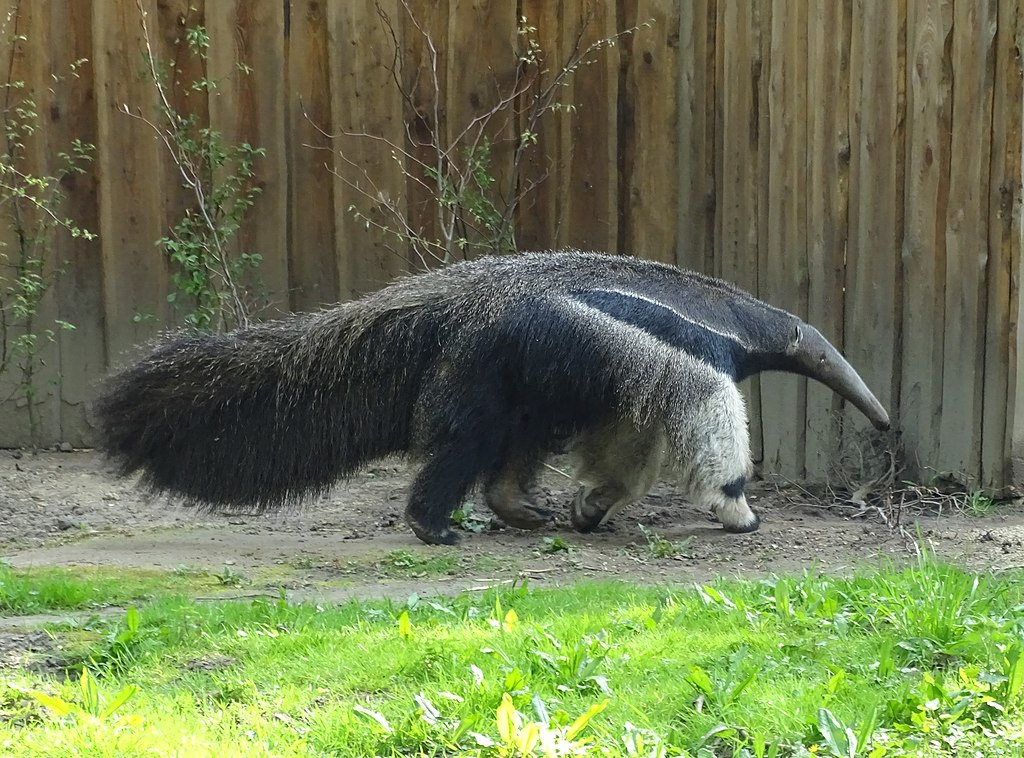
An anteater is a mammal known for its elongated snout and tongue, which it uses to feed on ants and termites. Native to Central and South America, there are several species, including the giant anteater. Anteaters are recognized for their specialized diet and unique adaptations for insectivory. They play a role in their ecosystems by controlling insect populations.
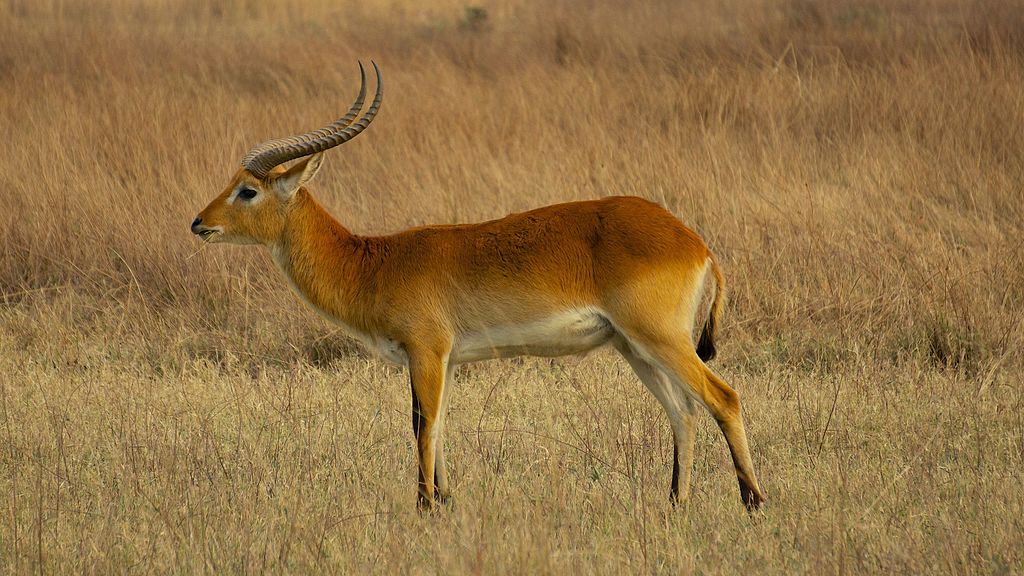
Antelope refers to a diverse group of herbivorous mammals found primarily in Africa and parts of Asia. They are known for their agility, speed, and distinctive horns, which vary greatly among species. Antelopes play a significant ecological role in grassland and savanna ecosystems as prey for large predators. Their adaptability has made them a subject of interest in zoology and wildlife conservation.
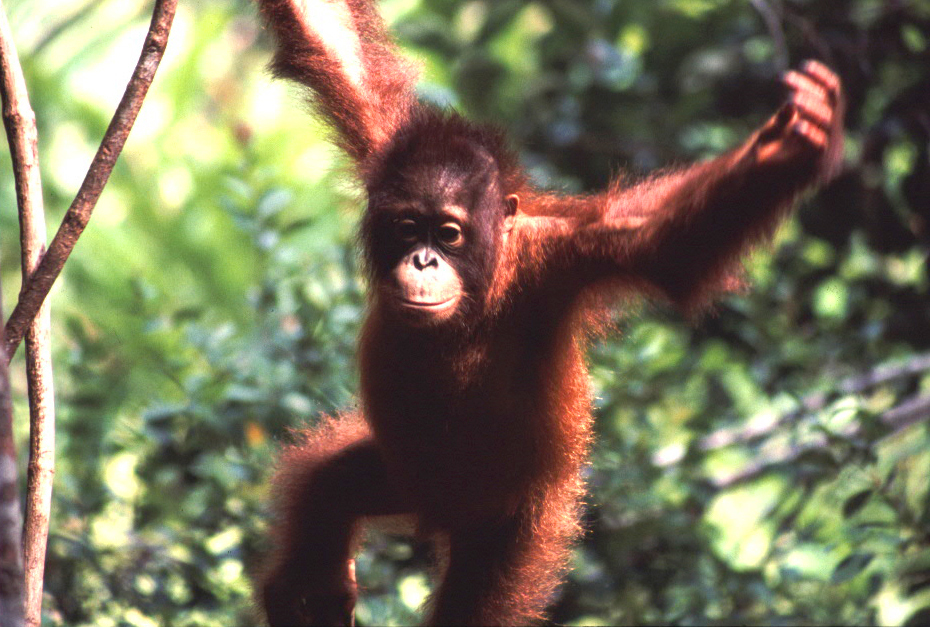
Apes are a group of primates that includes gorillas, chimpanzees, orangutans, gibbons, and humans. They are known for their intelligence, lack of tails, and complex social behaviors. Apes are studied extensively in fields such as biology, anthropology, and psychology.
© Wikimedia.org/Denis Luyten, CC0
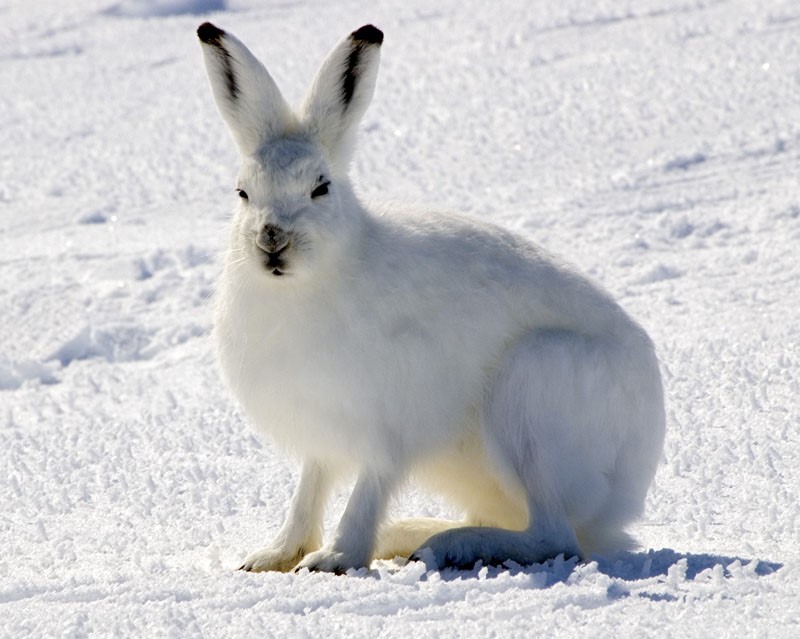
The Arctic Hare is a species of hare adapted to cold environments in the Arctic regions of North America. Known for its white winter fur, the Arctic Hare uses camouflage to evade predators. This animal is significant in studies of adaptation and survival in extreme climates.
© Wikimedia.org/Ian Adams, CC BY
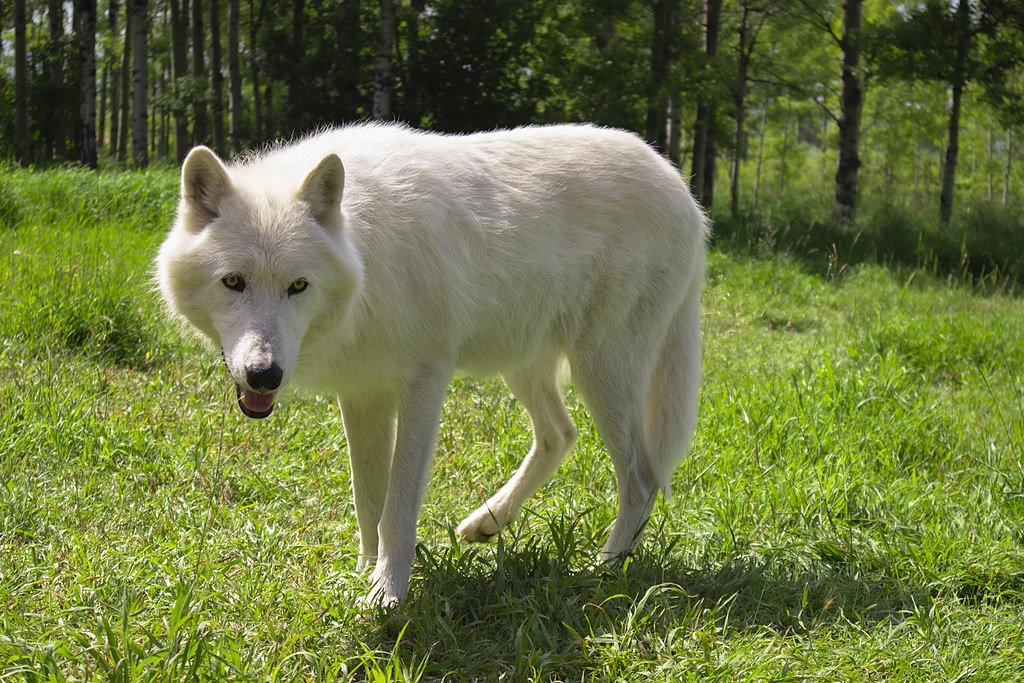
The Arctic Wolf is a subspecies of the gray wolf native to the Arctic regions of North America and Greenland. Adapted to cold climates, it has a thick white coat that provides camouflage in snowy environments. Arctic wolves are known for their ability to survive in harsh, remote habitats with limited food sources. They play an important role in the Arctic ecosystem as apex predators.
© Wikimedia.org/ParsonsPhotographyNL, CC BY-SA
The armadillo is a small to medium-sized mammal known for its distinctive armored shell, which provides protection from predators. Native to the Americas, especially South and Central America, armadillos are recognized for their burrowing habits and insectivorous diet. There are several species, with the nine-banded armadillo being the most widespread.
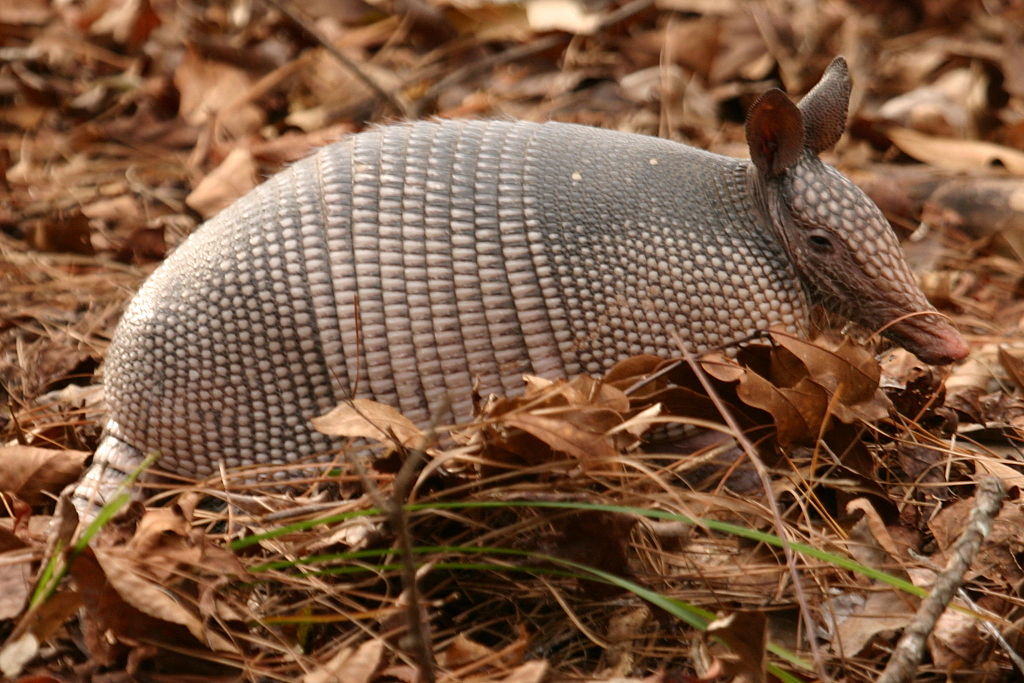
© Wikimedia.org/Mwcolgan8, CC0
The Asian Elephant is a large mammal native to South and Southeast Asia. It is recognized for its intelligence, social structure, and importance in cultural and religious traditions across the region. This species is smaller than its African counterpart and is classified as endangered due to habitat loss and human-wildlife conflict. Asian Elephants play a significant ecological role in their environments.

The Asian Palm Civet is a small mammal native to South and Southeast Asia, recognized for its cat-like appearance and nocturnal habits. It is known for its role in the production of kopi luwak, a type of coffee made using beans that have passed through the civet's digestive system. The species inhabits forests and sometimes urban areas, feeding on fruits, insects, and small animals. Its unique relationship with coffee production has brought it international attention.
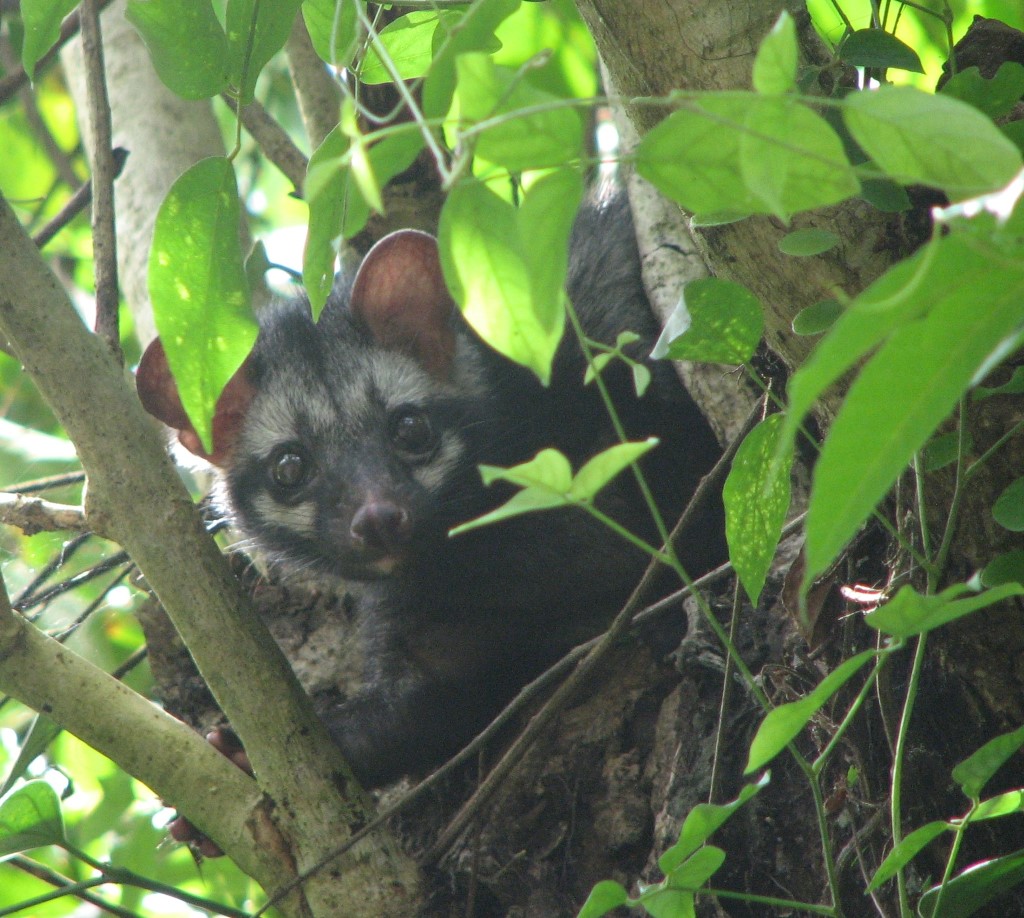
© Wikimedia.org/Garst, Warren, CC BY-SA
The Asiatic Black Bear, also known as the moon bear, is a medium-sized bear species native to Asia, particularly found in forests across the Himalayas, Russia, China, and Japan. It is distinguished by a white or cream-colored crescent shape on its chest. The species is listed as vulnerable due to habitat loss and poaching. Asiatic Black Bears play an important role in their ecosystems as omnivores.
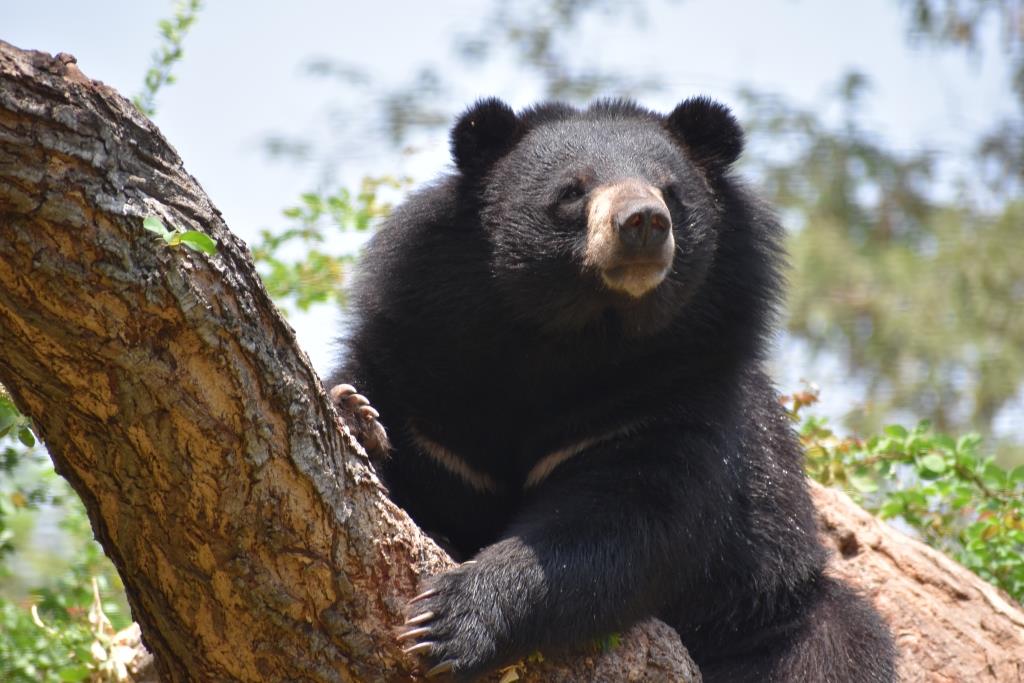
© Wikimedia.org/Joydeep, CC BY-SA
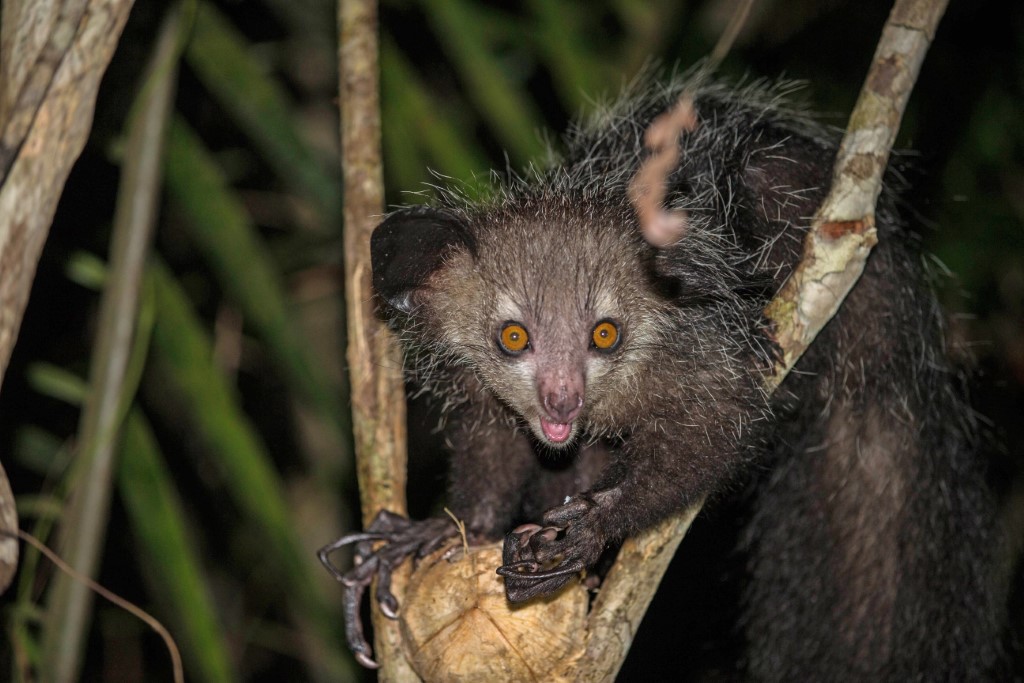
The aye-aye is a species of lemur native to Madagascar, known for its distinctive long middle finger and nocturnal habits. It is recognized for its unique method of foraging, using its finger to tap on wood and extract insects. The aye-aye is classified as endangered due to habitat loss and local superstitions. It is significant in the study of primate evolution and biodiversity.
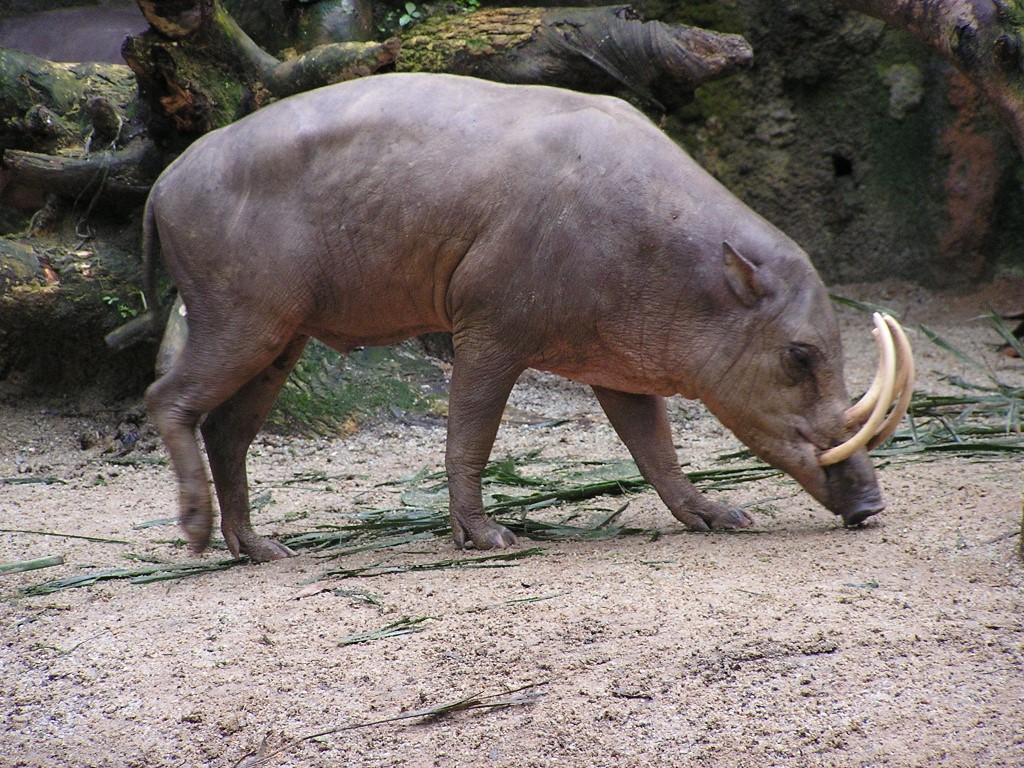
The babirusa is a unique species of wild pig native to the Indonesian islands of Sulawesi, Togian, Sula, and Buru. It is known for its distinctive, upward-curving tusks, which are actually elongated canine teeth. The babirusa is significant in the study of animal adaptation and conservation due to its unusual appearance and vulnerable status.
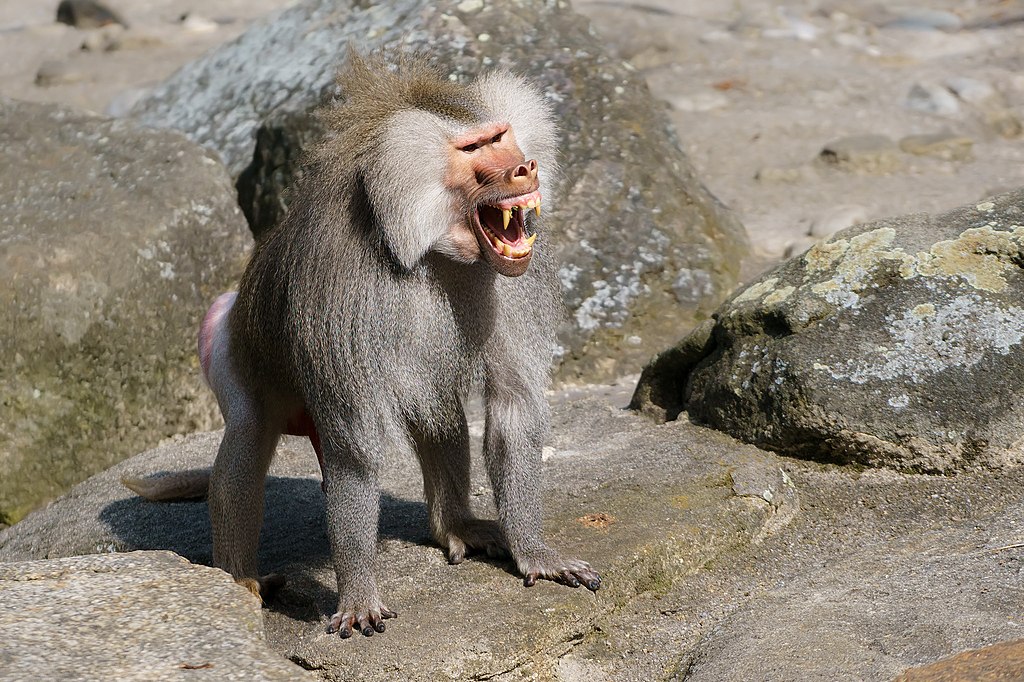
Baboons are large, ground-dwelling primates native to Africa and parts of Arabia. They are known for their distinctive dog-like faces, social behavior, and complex troop structures. Baboons play important roles in their ecosystems and are subjects of extensive research in primatology due to their intelligence and adaptability.
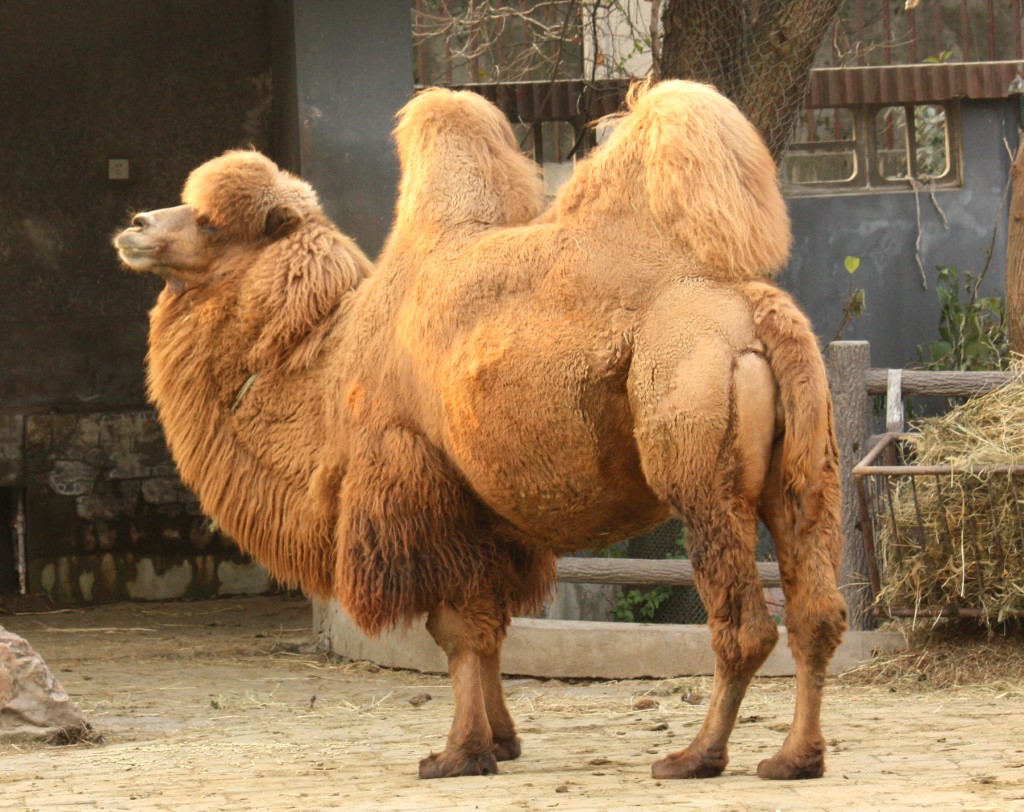
The Bactrian Camel is a large mammal native to the steppes of Central Asia, distinguished by its two humps. It is well adapted to harsh climates, capable of surviving extreme temperatures and long periods without water. Historically, Bactrian camels have been used as pack animals on trade routes such as the Silk Road. They are significant for their resilience and role in human transportation and commerce.
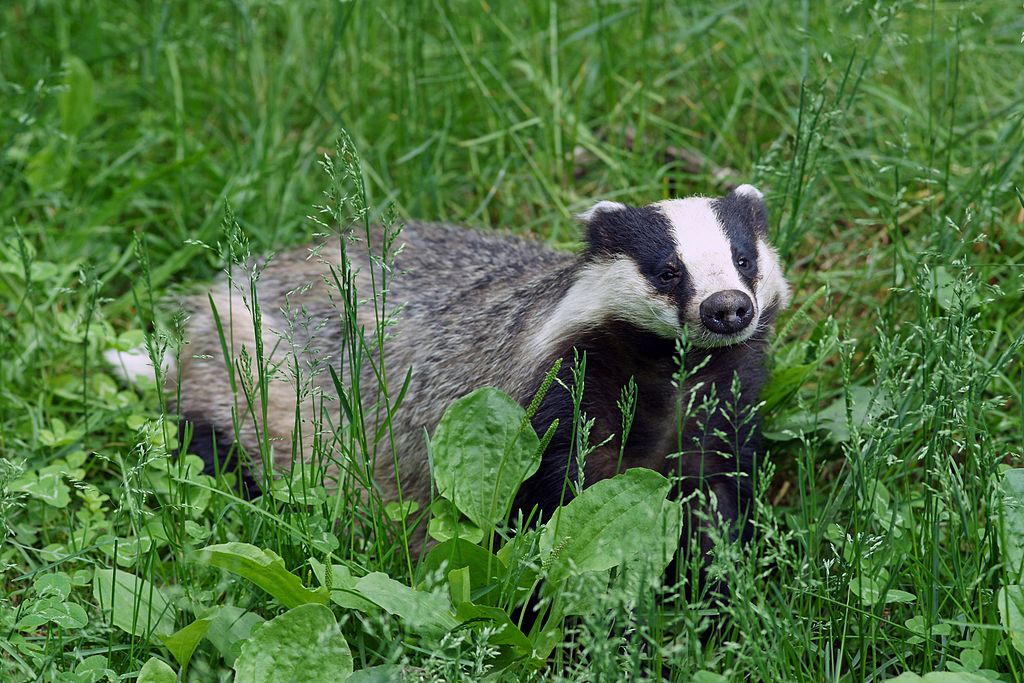
A badger is a burrowing mammal belonging to the family Mustelidae, found in various regions including Europe, Asia, and North America. Known for their stocky bodies, distinctive facial markings, and digging abilities, badgers play important roles in their ecosystems. They are often studied in zoology and are featured in folklore and literature.
Baleen whales are a group of large marine mammals known for their baleen plates, which they use to filter food from water. This group includes species such as the blue whale, humpback whale, and gray whale. They are significant in marine biology due to their size, migratory behaviors, and ecological roles.

© Wikimedia.org/Whit Welles, CC BY
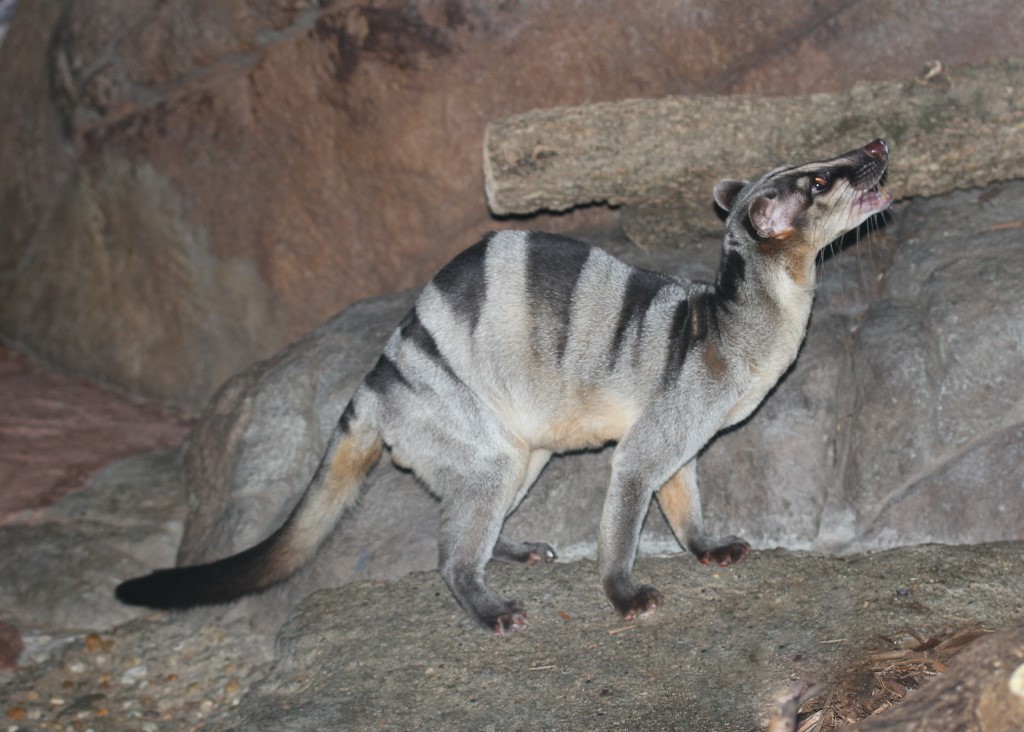
The banded palm civet is a small mammal native to Southeast Asia, belonging to the Viverridae family. It is recognized by its slender body, pointed face, and distinctive dark bands running across its pale fur. This species is primarily nocturnal and arboreal, inhabiting tropical forests and playing a role in seed dispersal.
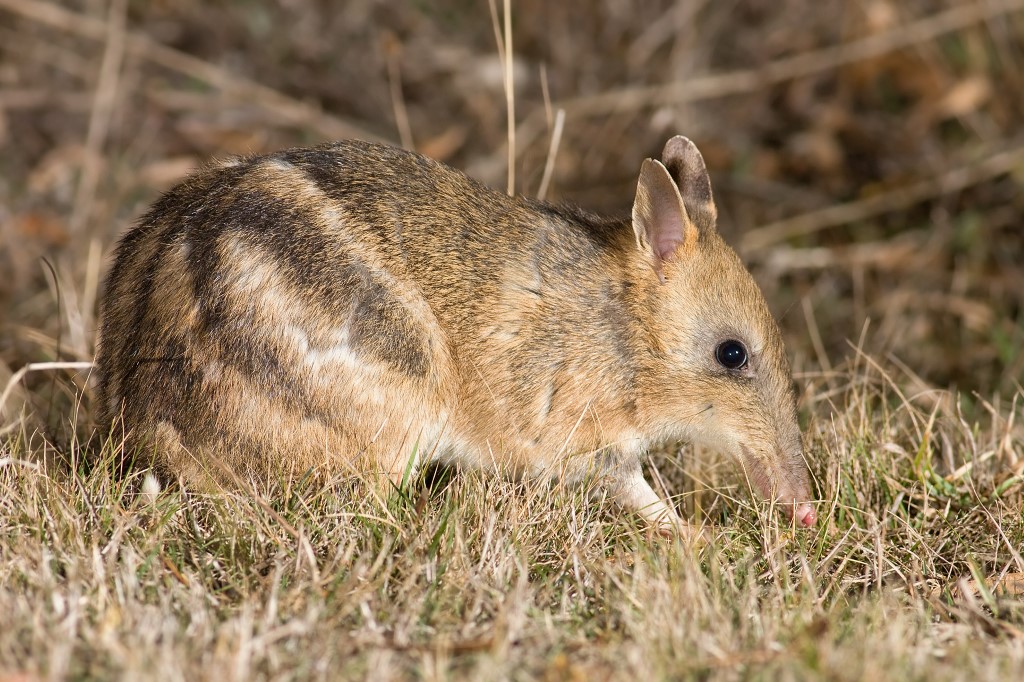
A bandicoot is a small to medium-sized marsupial native to Australia and nearby islands. Bandicoots are known for their pointed snouts, compact bodies, and nocturnal habits. They play important ecological roles as insectivores and seed dispersers in their native habitats. Several species are threatened due to habitat loss and introduced predators.
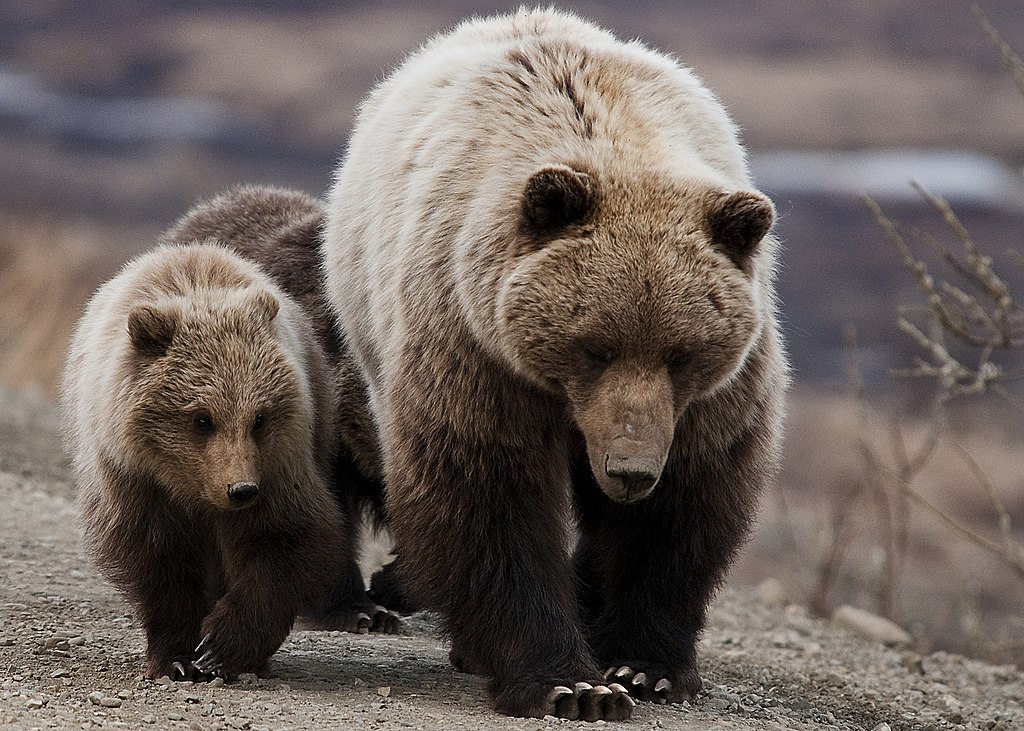
A bear is a large mammal belonging to the family Ursidae, found in North America, South America, Europe, and Asia. Bears are known for their powerful build, thick fur, and omnivorous diet, with species such as the brown bear and polar bear being particularly well-known. They play important roles in their ecosystems as predators and seed dispersers. Bears are also significant in various cultures and are often featured in folklore and symbolism.
A beaver is a large, semi-aquatic rodent native to North America and parts of Europe. Beavers are known for building dams, canals, and lodges using branches and mud, significantly impacting their ecosystems. They play a vital role in creating wetlands, which support biodiversity.
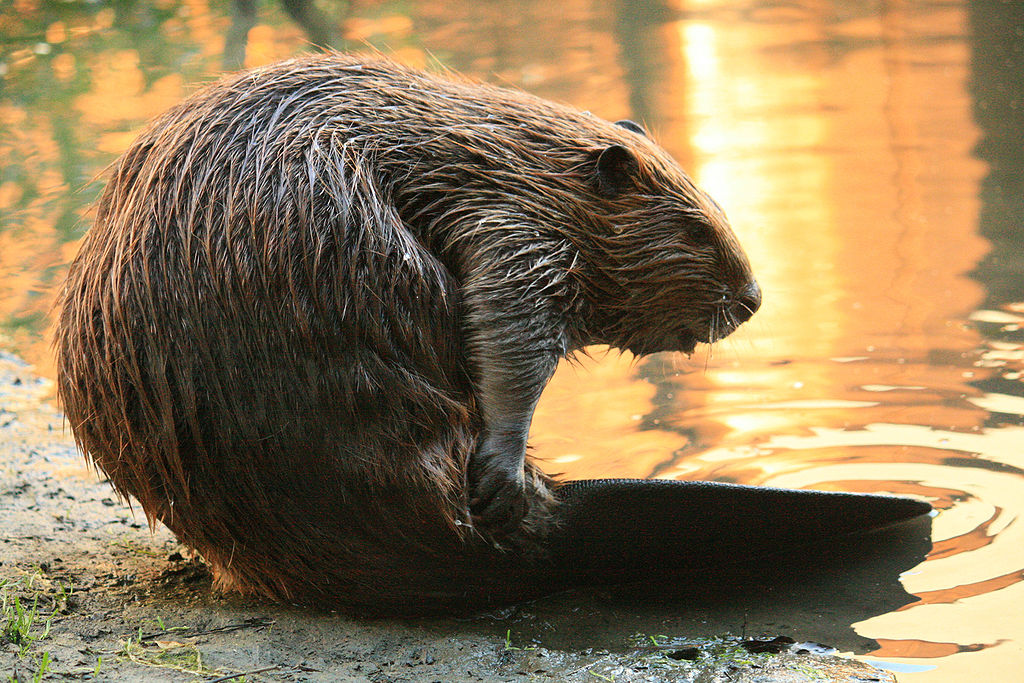
© Wikimedia.org/Cheryl Reynolds, CC BY-SA
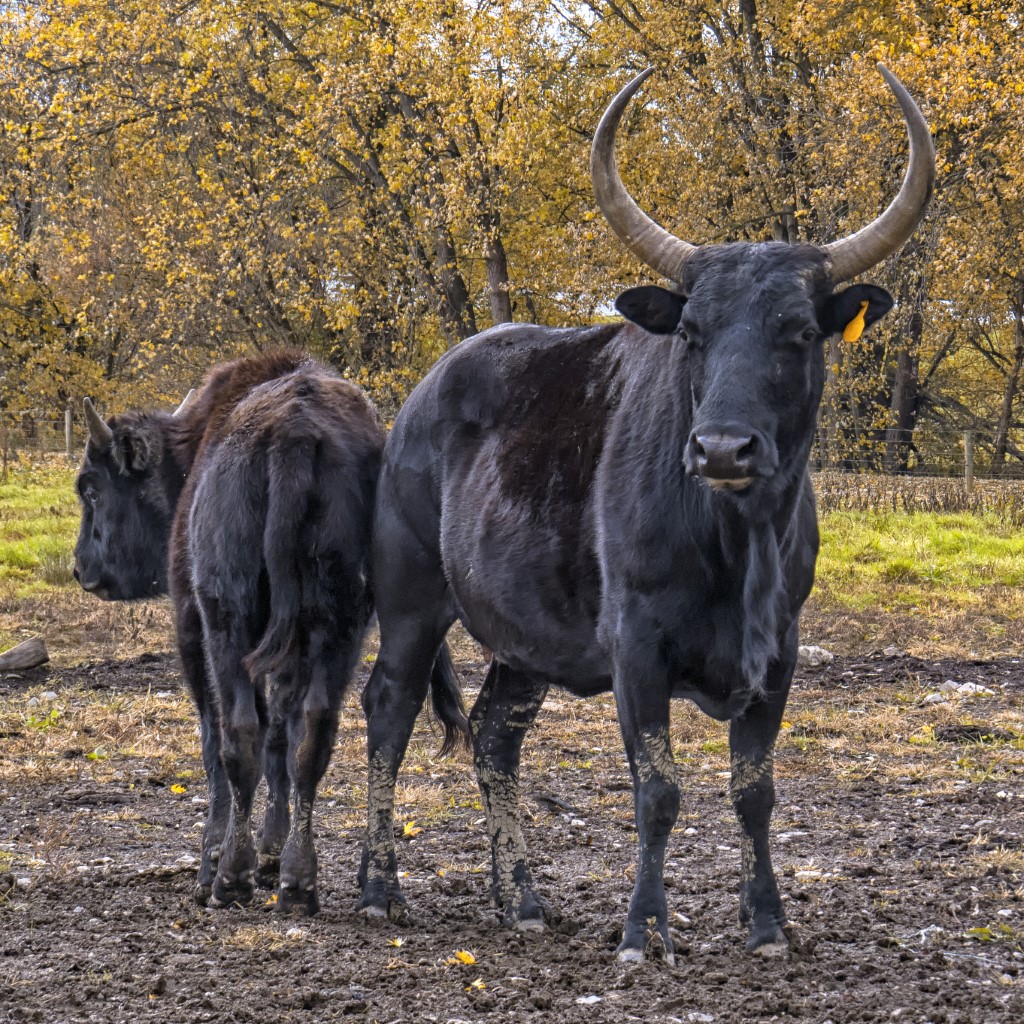
Beefalo is a hybrid animal resulting from the crossbreeding of domestic cattle and American bison (buffalo). The hybrid was developed in the United States to combine the hardiness and leanness of bison with the meat quality and manageability of cattle. Beefalo are raised for their meat, which is marketed as being lower in fat and cholesterol than conventional beef.
The Bengal Tiger is a subspecies of tiger native to the Indian subcontinent. It is known for its striking orange coat with black stripes and is one of the largest wild cat species. The Bengal Tiger is a symbol of wildlife conservation and is classified as endangered due to habitat loss and poaching.
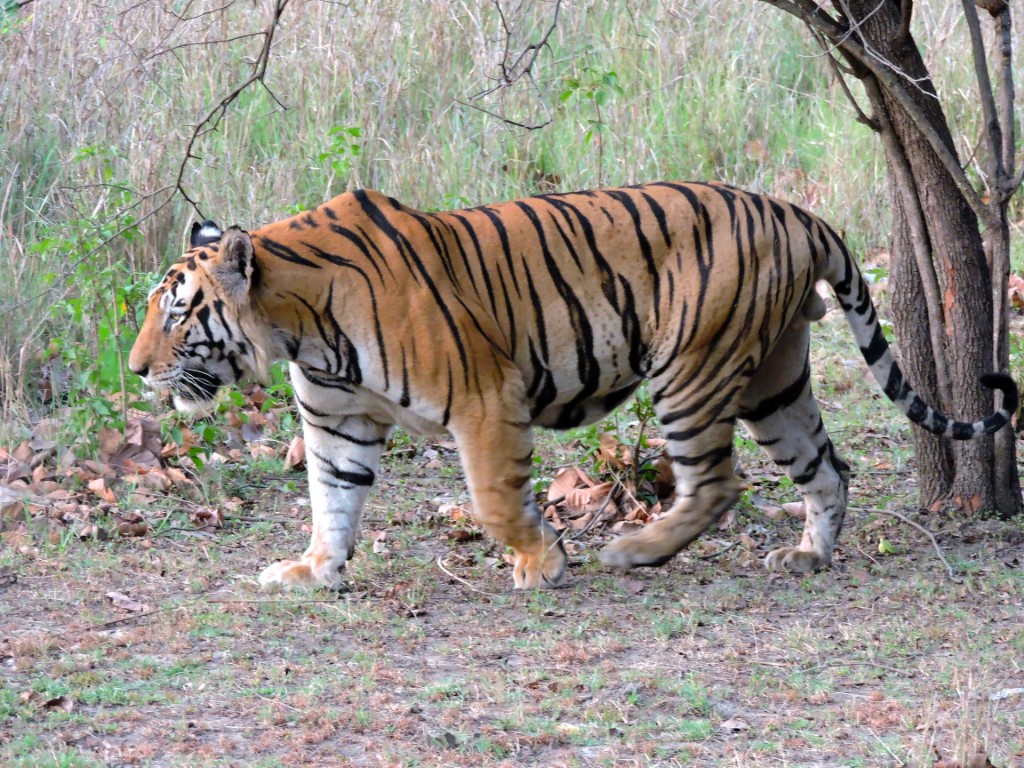
© Wikimedia.org/Seemaleena, CC BY-SA
The bighorn sheep is a species of wild sheep native to North America, easily identified by its large, curved horns. It inhabits mountainous regions and is known for its agility on steep, rocky terrain. Bighorn sheep are significant in wildlife conservation and are often used as symbols of rugged wilderness in the western United States and Canada.
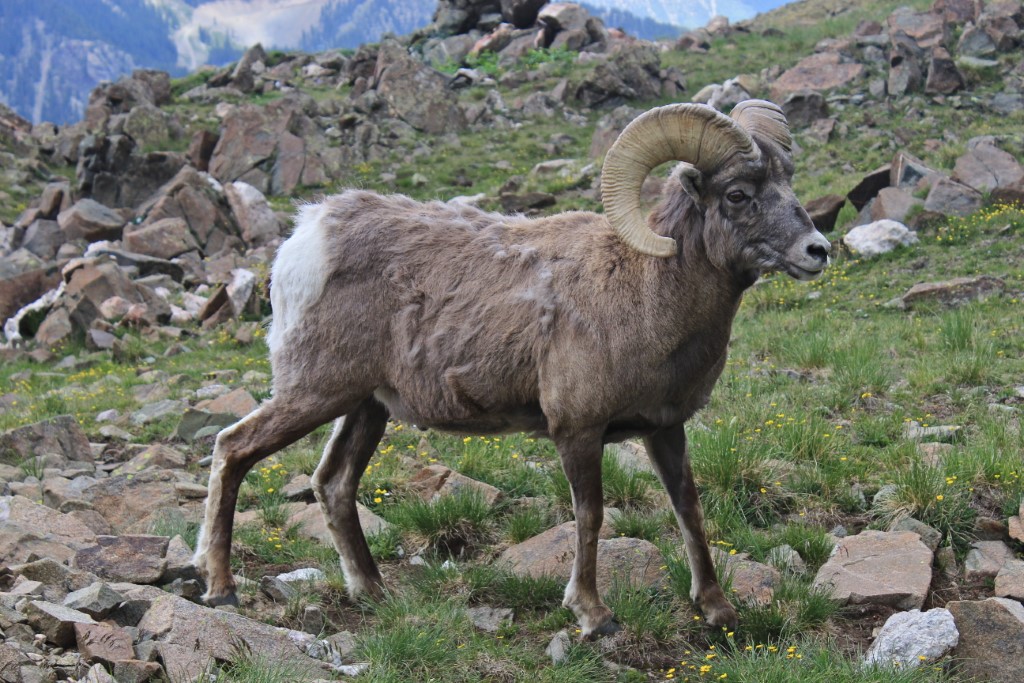
© Wikimedia.org/Jwanamaker, CC BY-SA
The bilby is a small, nocturnal marsupial native to Australia, recognized by its long ears and soft, grey-blue fur. It is known for its burrowing habits and plays a significant role in Australian ecosystems by turning over soil. The bilby has become a symbol of wildlife conservation efforts in Australia, as its populations have declined due to habitat loss and introduced predators. It is sometimes used as an alternative to the Easter Bunny in Australian culture.
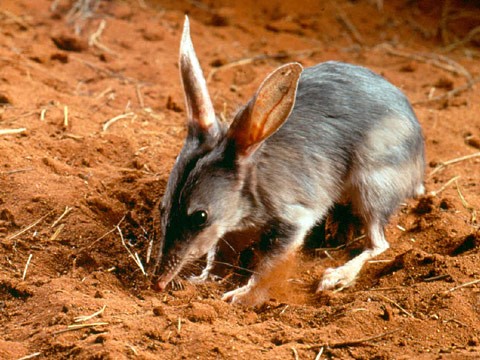
© Wikimedia.org/Dcoetzee, CC0
The binturong is a large mammal native to Southeast Asia, belonging to the civet family. It is known for its distinctive appearance, including a prehensile tail and coarse black fur, as well as its scent, which is often compared to popcorn. Binturongs are arboreal and primarily nocturnal, playing a role in seed dispersal in forest ecosystems. They are considered vulnerable due to habitat loss and hunting.
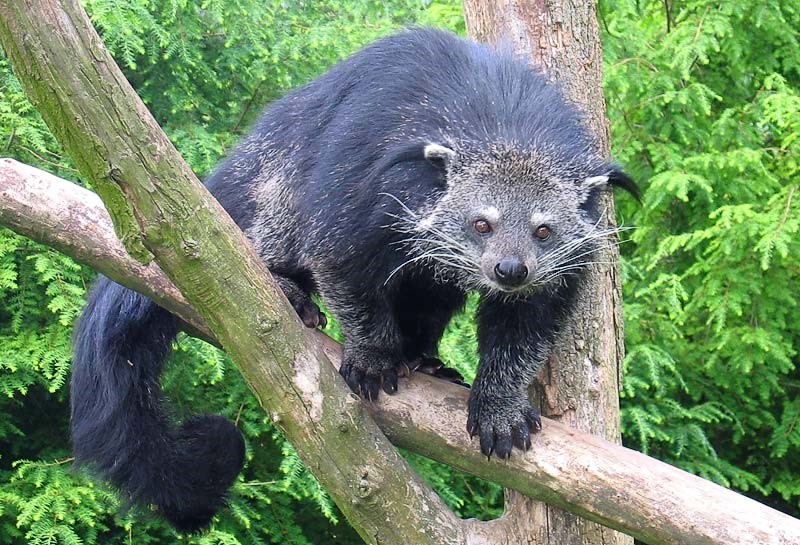
© Wikimedia.org/Vassil, CC0
The bison is a large, hoofed mammal native to North America and parts of Europe, known for its massive build and shaggy mane. It is recognized as an important symbol of the American plains and played a crucial role in the ecosystem and indigenous cultures. Bison populations dramatically declined in the 19th century due to overhunting but have since been the focus of conservation efforts. The animal remains significant in wildlife management and cultural heritage.
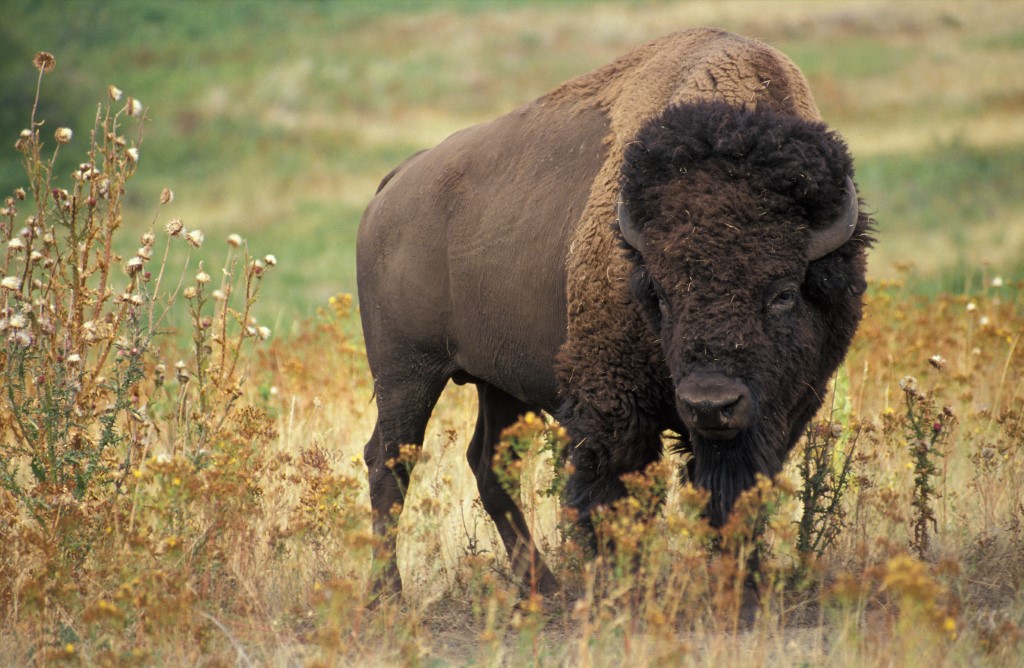
© Wikimedia.org/Jack Dykinga, CC0
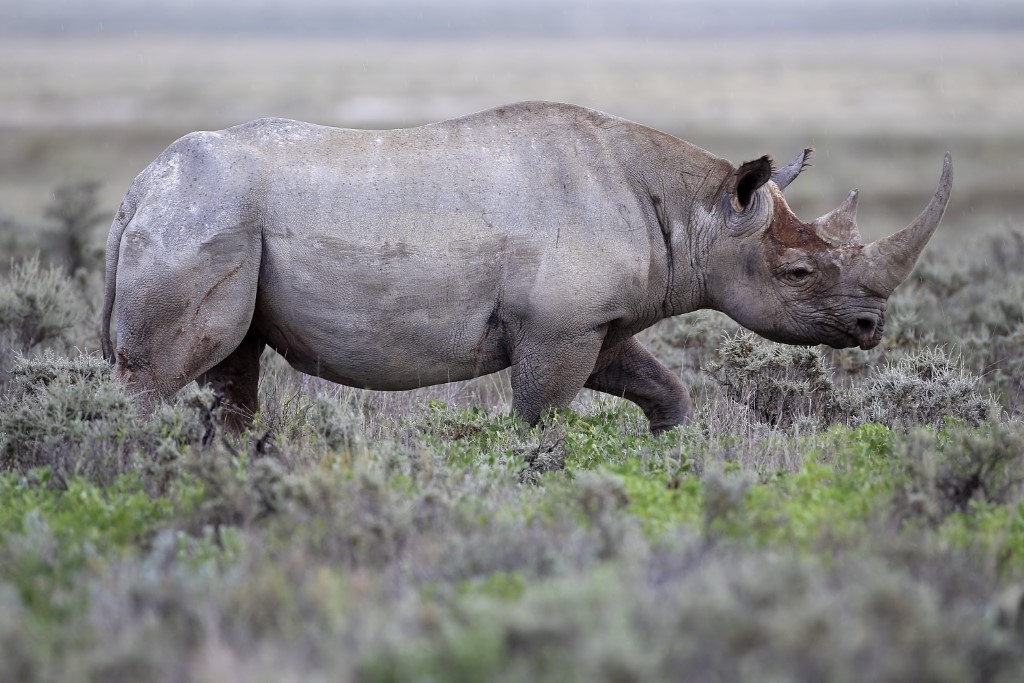
The Black Rhinoceros is a large mammal native to eastern and southern Africa. It is known for its two horns on the snout and its critically endangered status due to poaching and habitat loss. This species plays a significant role in its ecosystem by shaping vegetation and serving as a keystone species. Conservation efforts are ongoing to protect remaining populations.
The Black-Footed Ferret is a small, carnivorous mammal native to North America, recognized by its black feet and facial markings. Once thought extinct, it was rediscovered in the 1980s and is now the focus of intensive conservation efforts. The species is significant as one of the most endangered mammals in the United States.

© Wikimedia.org/Kimberly Fraser - USFWS, CC0
The blue whale is the largest animal known to have ever existed, reaching lengths of up to 30 meters and weighing as much as 180 metric tons. It is a marine mammal found in oceans worldwide and is classified as endangered due to past extensive whaling. Blue whales are known for their immense size, distinctive blue-gray coloration, and powerful vocalizations.

© Wikimedia.org/NOAA, CC0
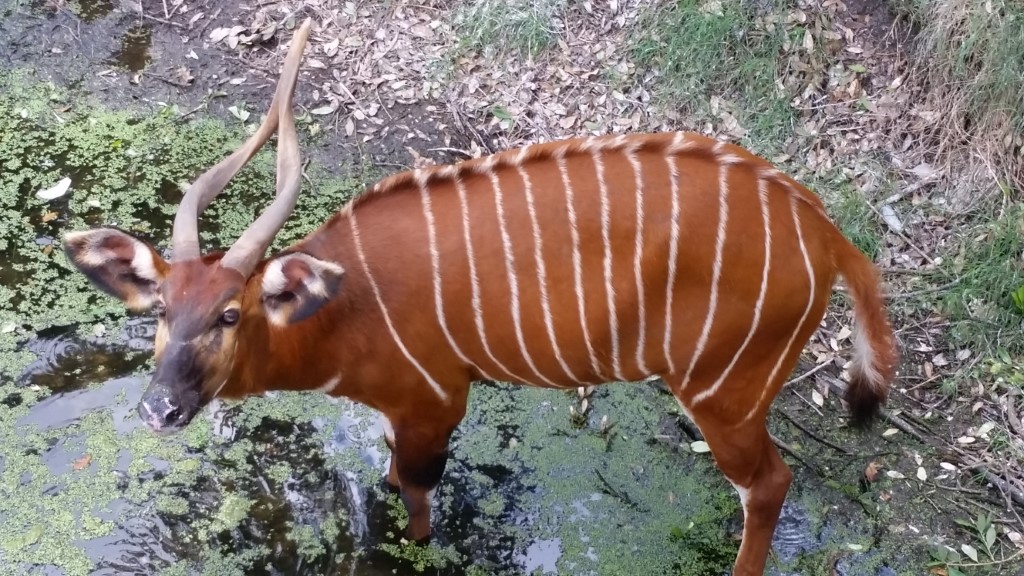
A bongo is a large, forest-dwelling antelope native to Africa. Its scientific name is Bongo, and it is one of the most striking antelopes due to its color and markings. Bongos live in dense tropical forests of Central and East Africa. They are usually shy and elusive, often active at night or during low light. Their diet consists mainly of leaves, shoots, bark, and fruits.