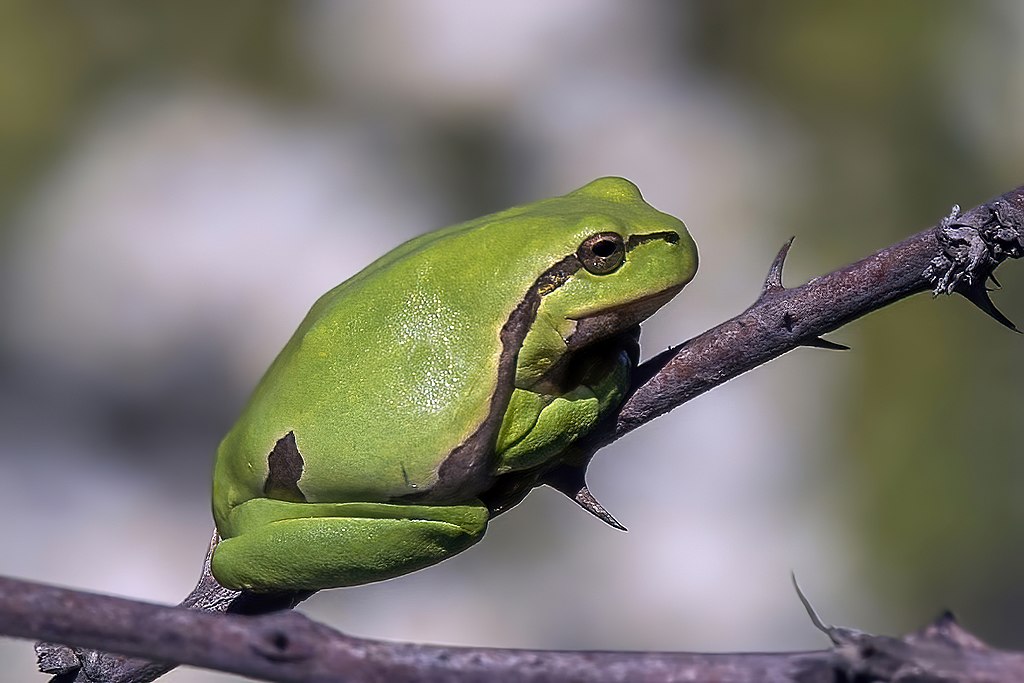
The African bullfrog is a large amphibian species native to sub-Saharan Africa, scientifically known as Pyxicephalus adspersus. It is recognized for its robust body, powerful jaws, and ability to survive in harsh environments. The species is notable for its parental care, with males sometimes guarding their offspring. African bullfrogs are of interest to herpetologists and are sometimes kept as exotic pets.
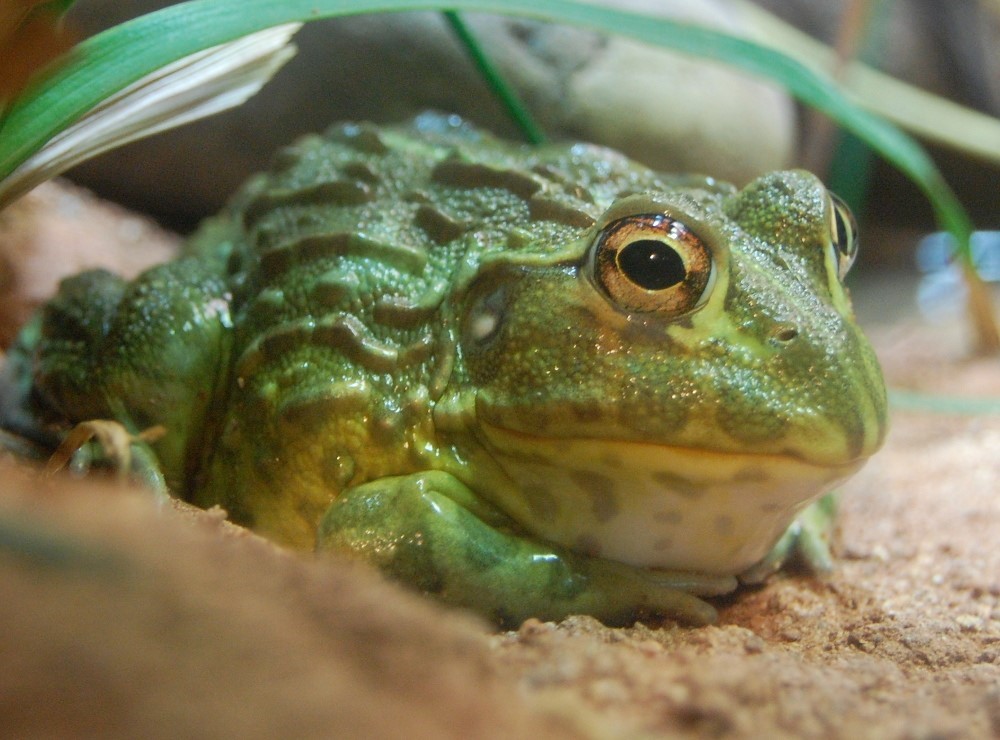
The African Clawed Frog is a species of aquatic frog native to sub-Saharan Africa, known scientifically as Xenopus laevis. It is notable for its fully webbed feet and lack of a tongue, and is often used in scientific research, especially in developmental biology. The species became widely known after being used in early pregnancy tests. Its adaptability has led to its introduction in various countries outside its native range.
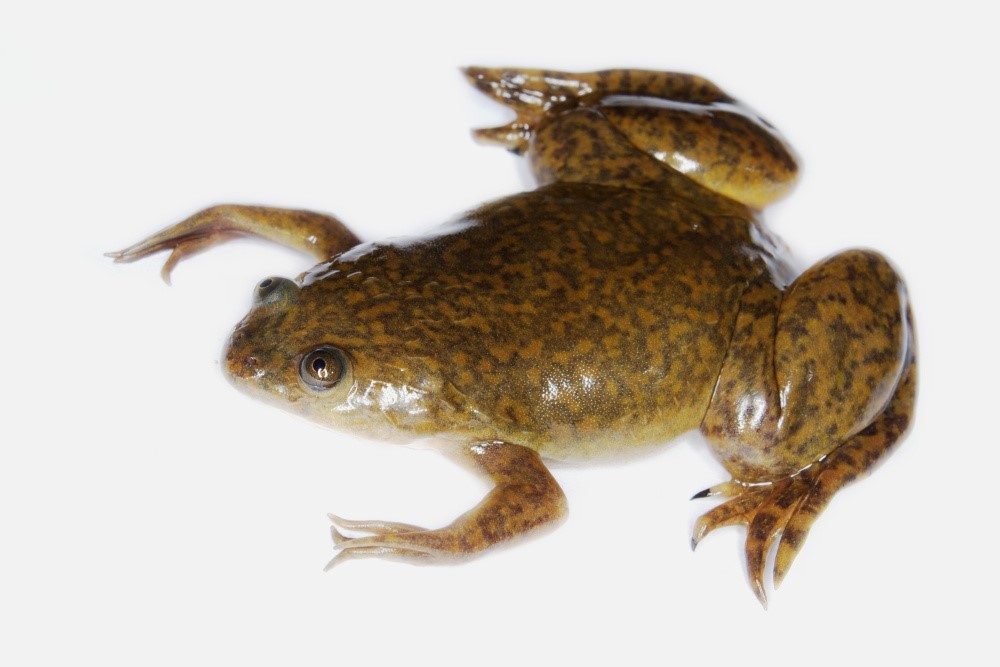
© Wikimedia.org/Marius Burger, CC0
The African tree toad is a small amphibian species found in the rainforests of Central and West Africa. It is recognized for its ability to climb trees and its distinctive calls, which are used for communication during mating. This species is of interest to biologists studying rainforest ecosystems and amphibian diversity.
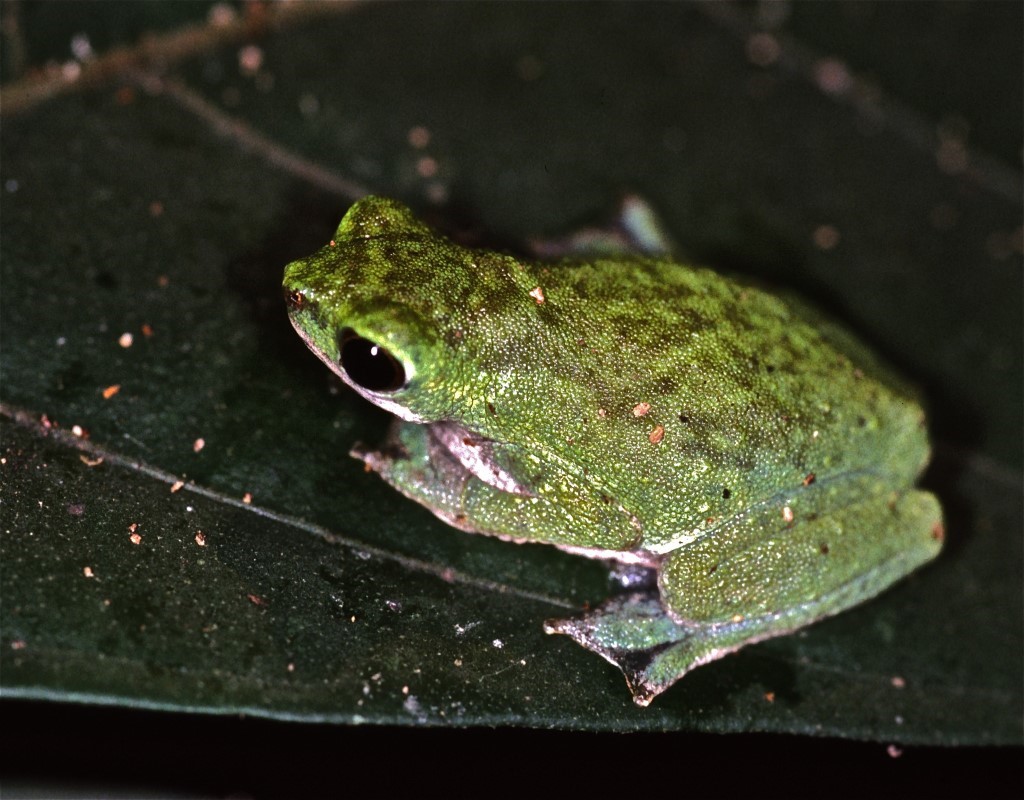
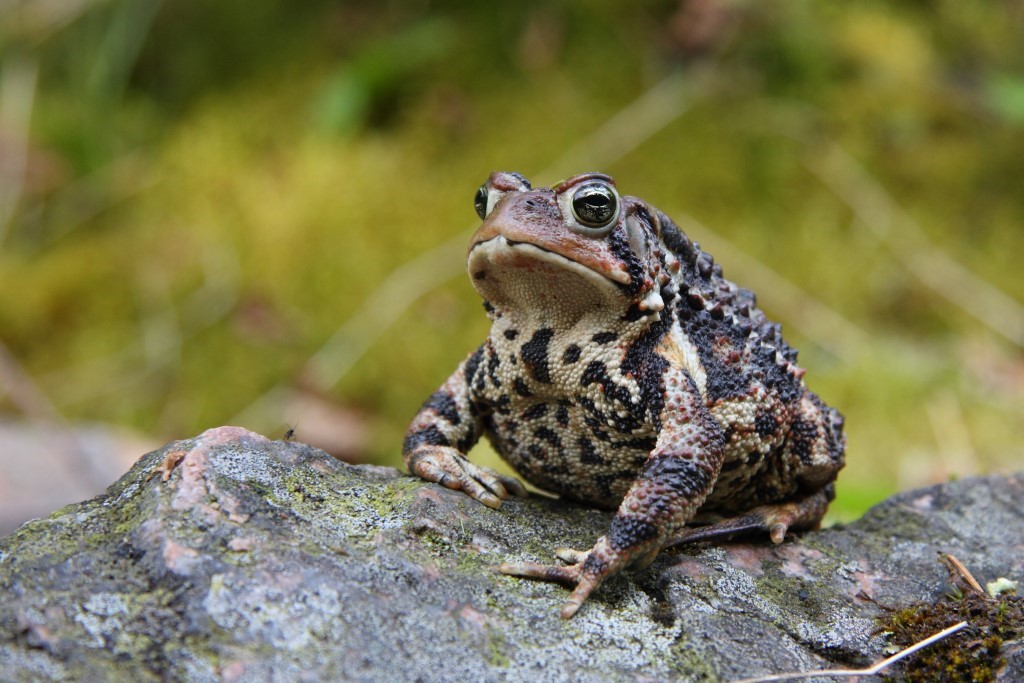
The American Toad is a species of toad native to North America, commonly found in gardens, forests, and wetlands. It is known for its warty skin, distinctive call, and its role in controlling insect populations. The species is important in local ecosystems and is often studied in biology for its adaptability and life cycle.
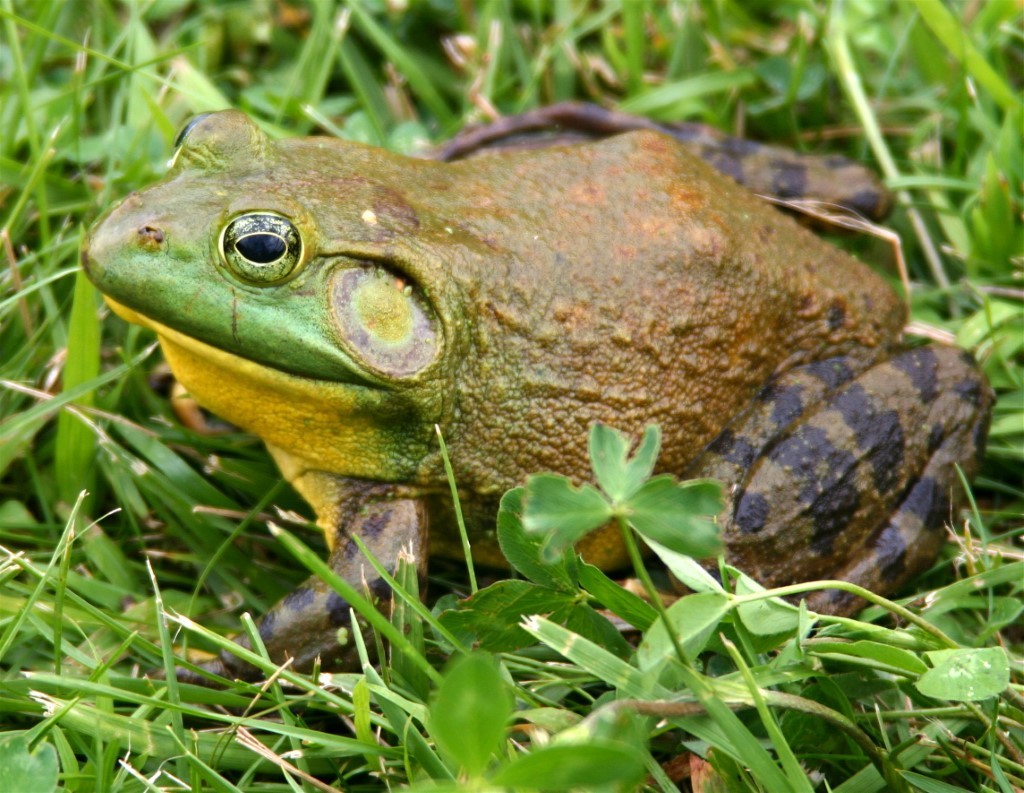
A bullfrog is a large amphibian belonging to the genus Lithobates, with the American bullfrog (Lithobates catesbeianus) being the most widely recognized species. Native to North America, bullfrogs are known for their deep, resonant calls and their role as both predator and prey in aquatic ecosystems. They have been introduced to other regions, where they can impact local wildlife.
Burrowing frogs are a group of amphibians known for their ability to dig and live underground. They are found in various regions, including Australia, Africa, and Asia, and have adaptations such as strong limbs for burrowing into soil. These frogs typically emerge during rainy seasons to breed and feed. Their behavior helps them avoid predators and survive in harsh, dry environments.
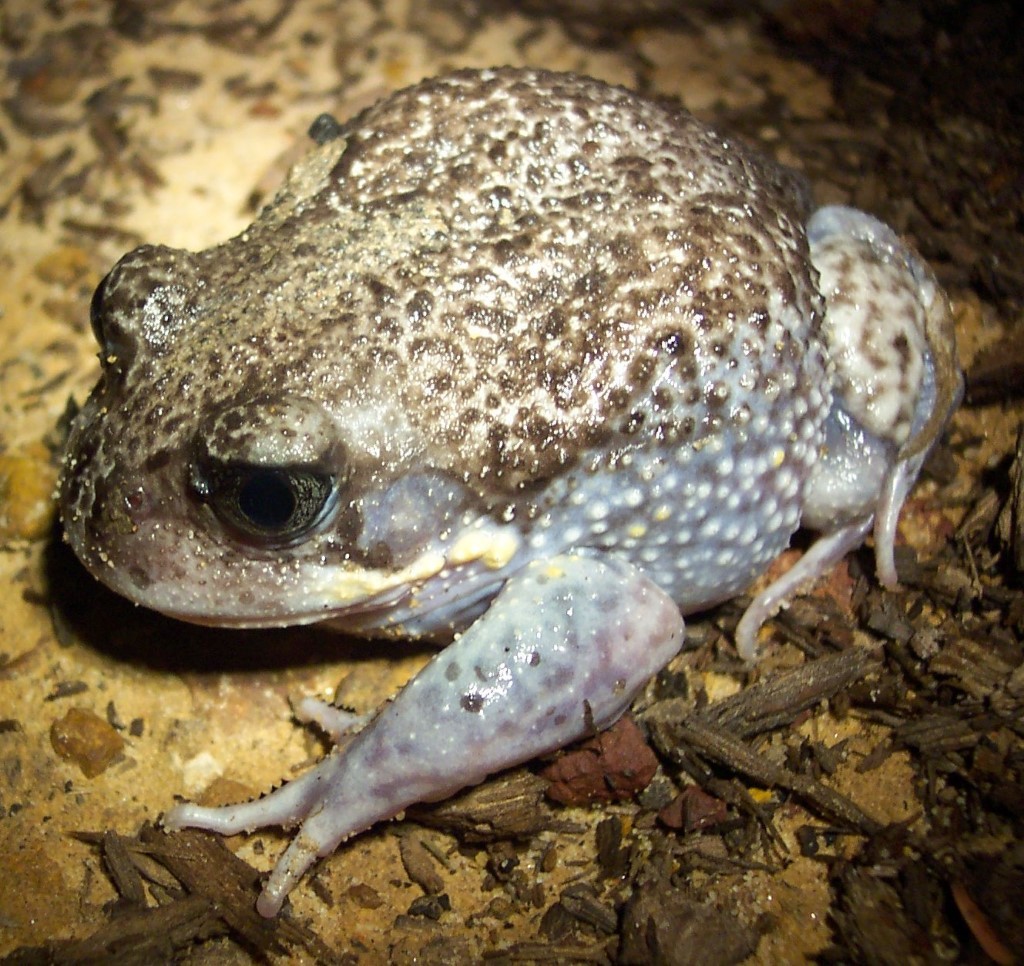
© Wikimedia.org/JJ Harrison, CC BY-SA
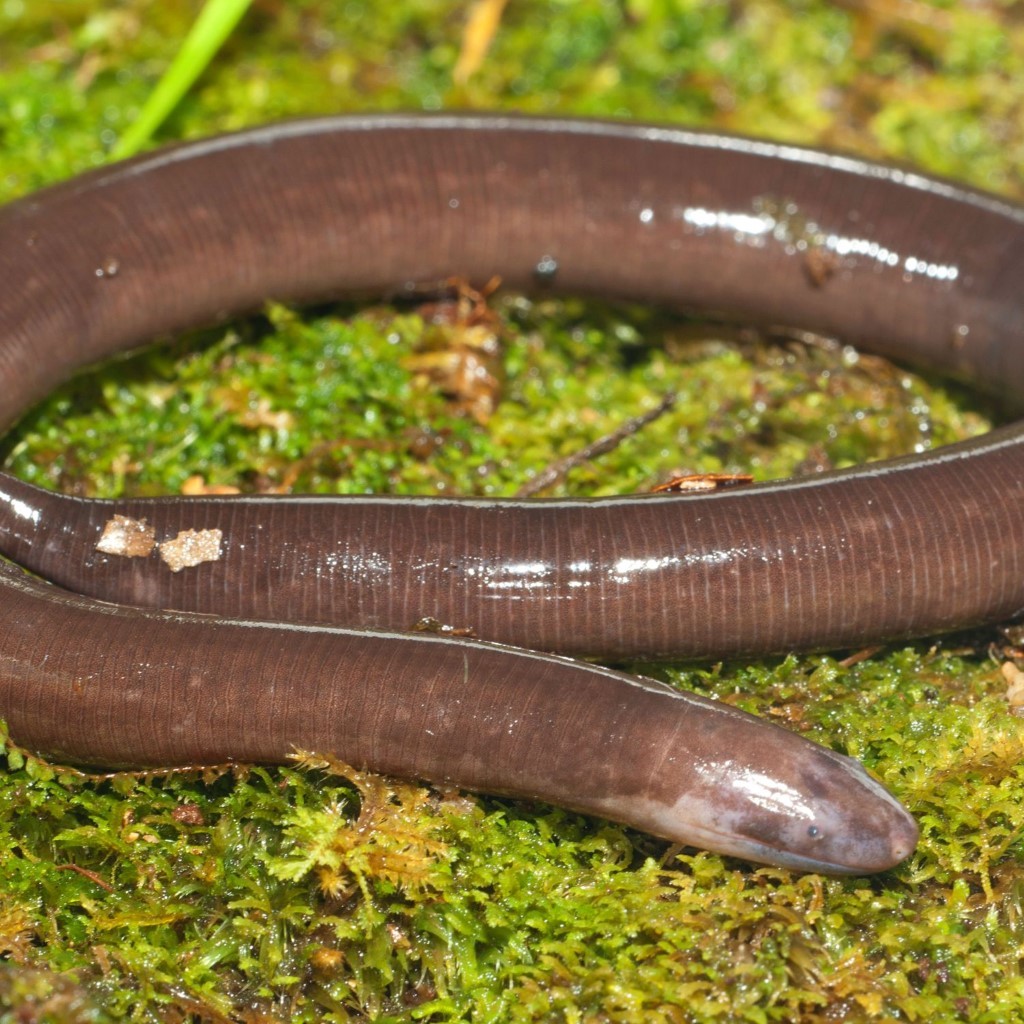
A caecilian is a type of limbless, burrowing amphibian found primarily in tropical regions. They are known for their elongated, worm-like bodies and are often mistaken for snakes or earthworms. Caecilians belong to the order Gymnophiona and play an important role in soil ecosystems by feeding on invertebrates.
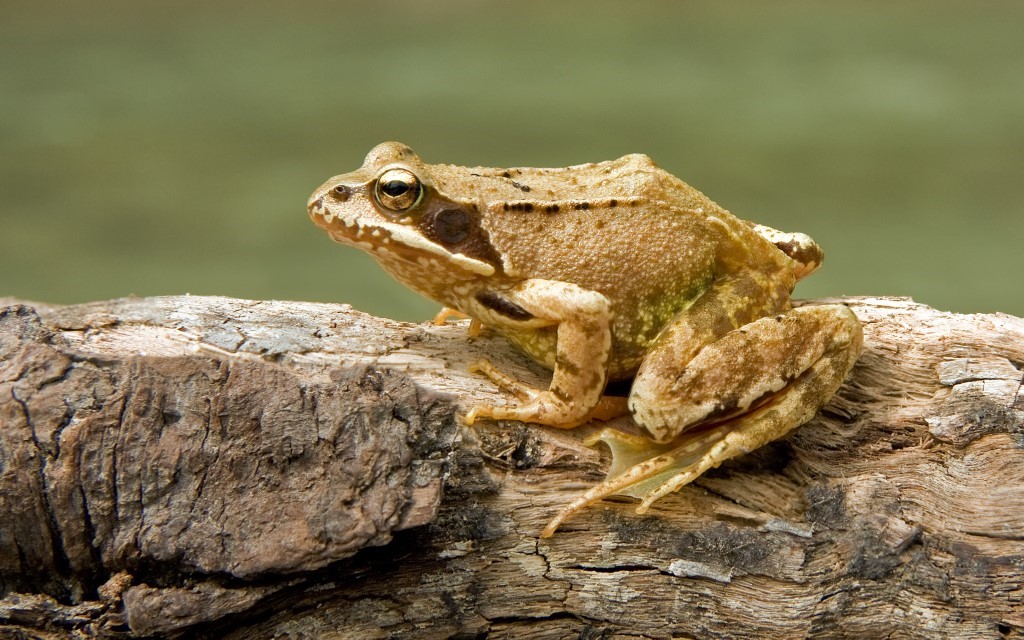
The Common Frog (Rana temporaria) is a widespread amphibian species native to Europe and parts of Asia. It is recognized by its smooth skin, variable coloration, and preference for damp habitats such as ponds and wetlands. The species plays an important ecological role as both predator and prey in its environment.
Darwin’s Frog is a small amphibian species native to South America, particularly Chile and Argentina. It is known for its unique reproductive behavior, where the male carries developing tadpoles in its vocal sac until they metamorphose. The species was named after Charles Darwin, who first discovered it during his travels. Darwin’s Frog is of scientific interest due to its unusual parental care and is considered threatened in the wild.
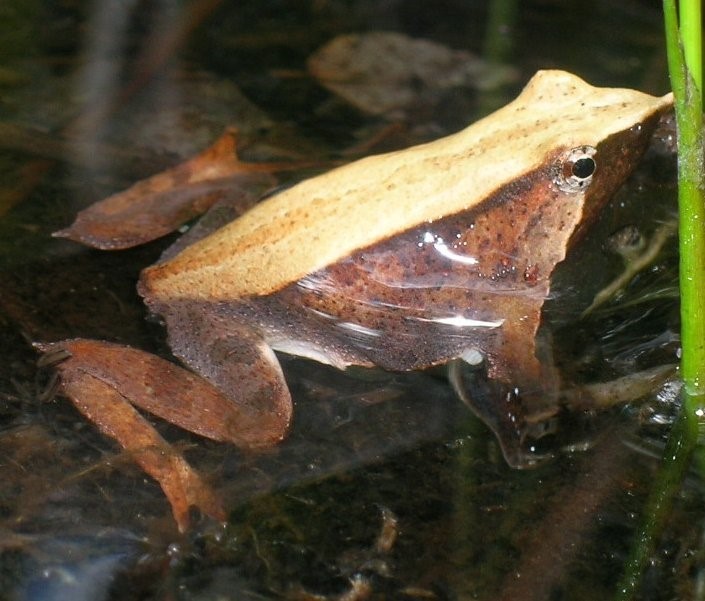
© Wikimedia.org/Mono Andes, CC BY-SA
The Desert Rain Frog (Breviceps macrops) is a small amphibian native to the coastal regions of Namibia and South Africa. It is known for its distinctive round body, short limbs, and a high-pitched squeaking call. The species inhabits sandy dunes and is adapted to arid environments, where it spends much of its time buried underground. The frog gained internet popularity due to videos showcasing its unique vocalizations.
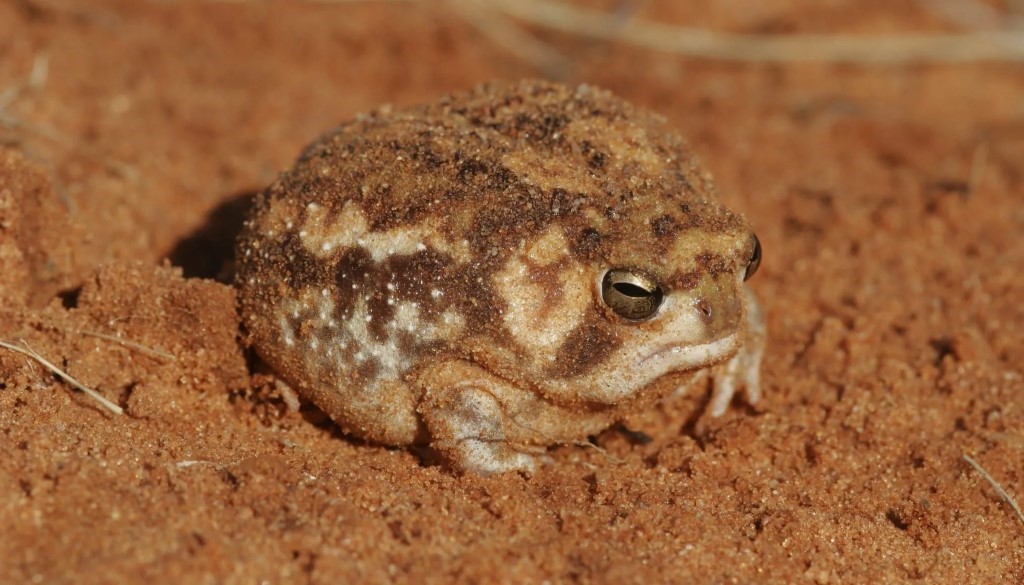
© Wikimedia.org/Oliver Angus, CC BY-SA
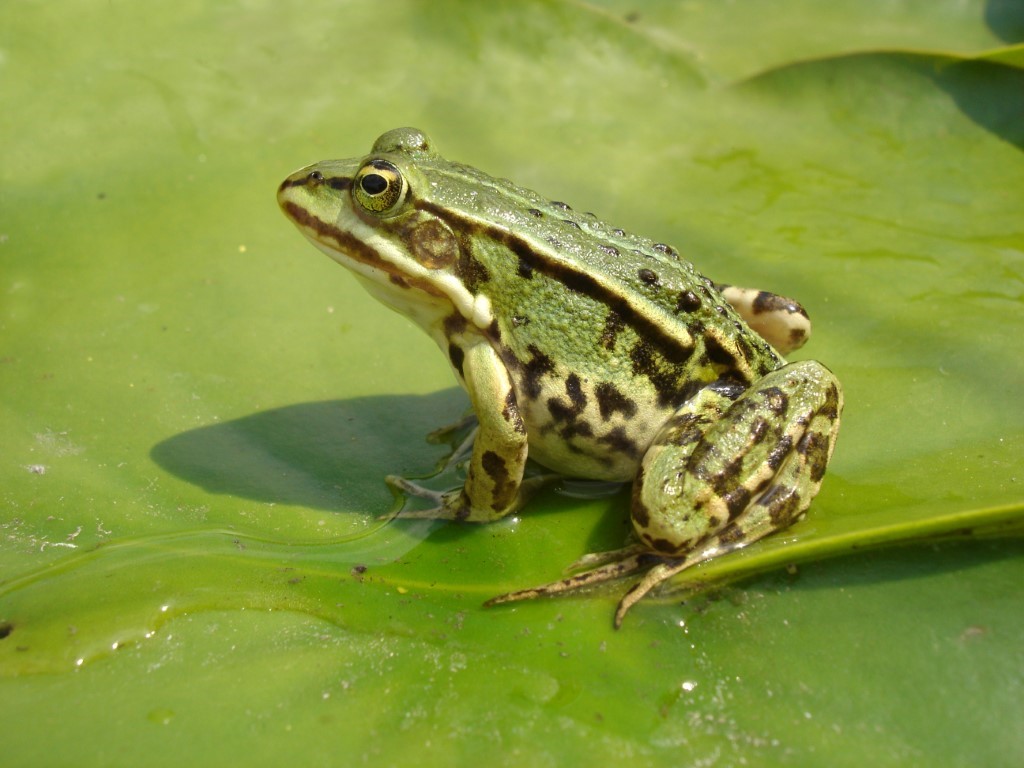
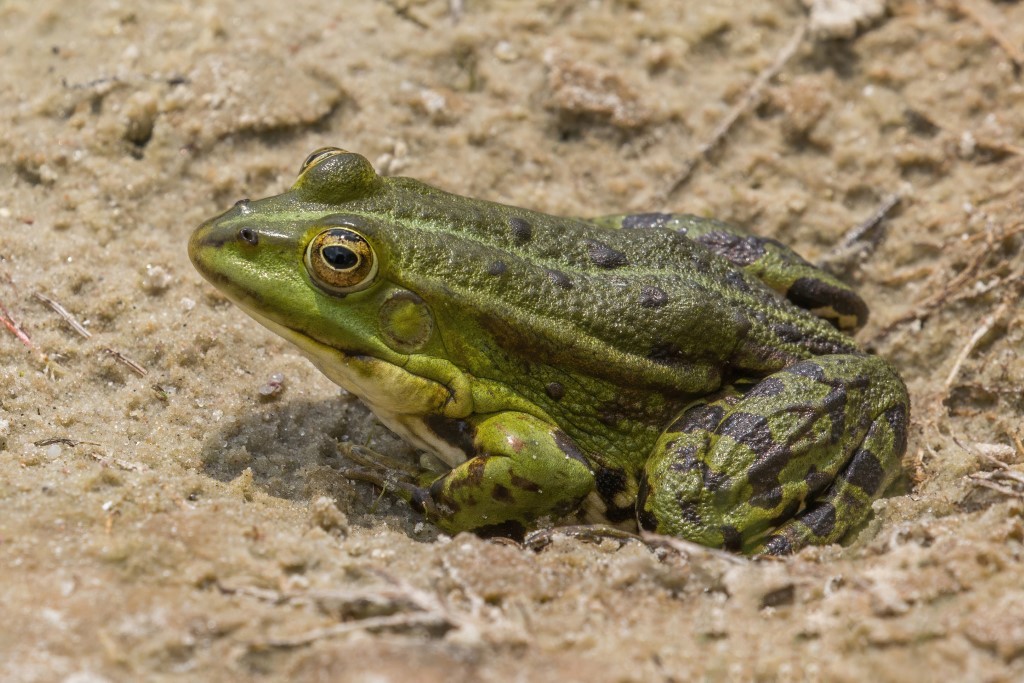
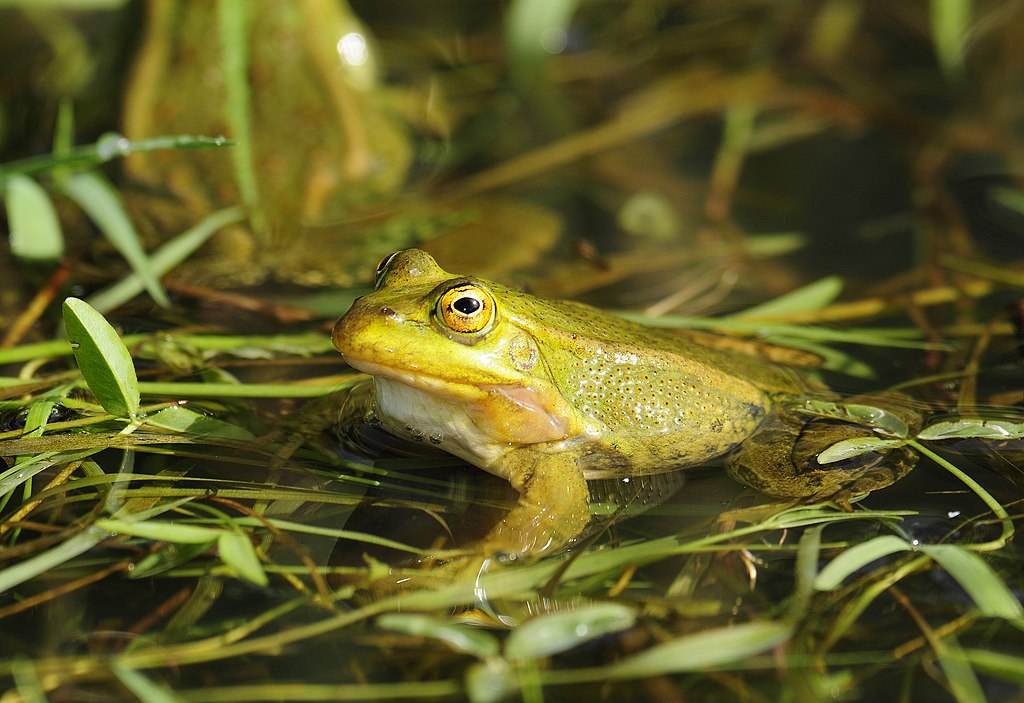
The Edible Frog, scientifically known as Pelophylax kl. esculentus, is a species of frog native to Europe. It is named for its historical use as a food source, particularly in French cuisine. The species is notable for being a hybrid between the pool frog and the marsh frog.
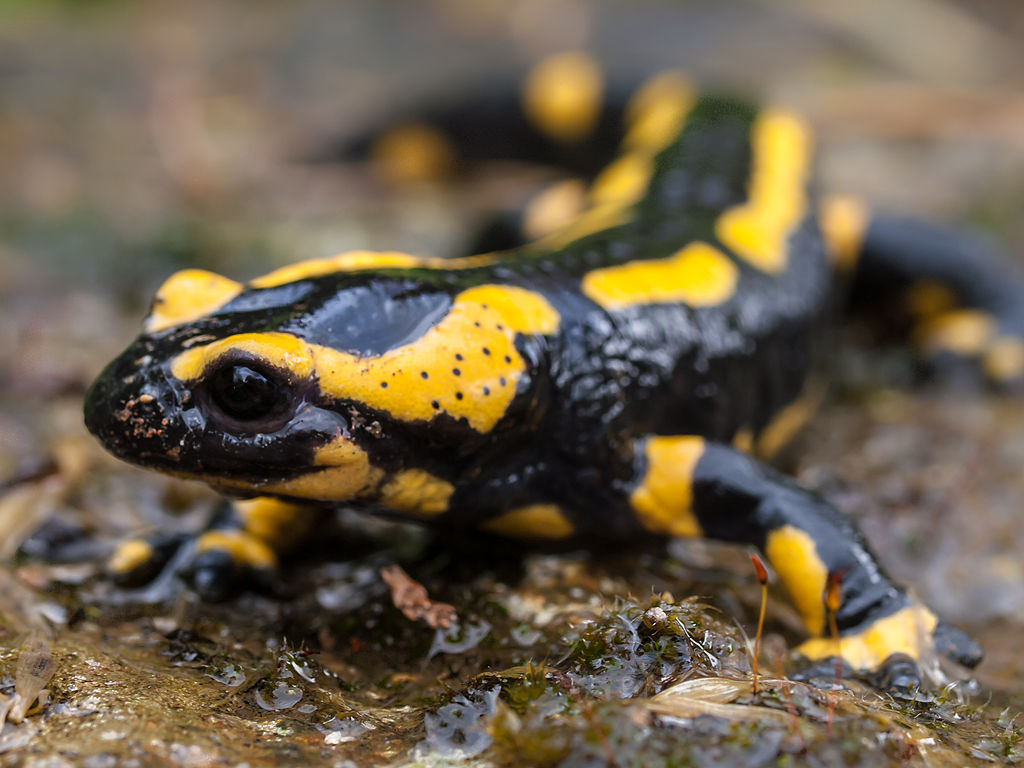
The fire salamander is a species of amphibian found in central and southern Europe, known scientifically as Salamandra salamandra. It is easily recognized by its black body with bright yellow or orange markings, which serve as a warning to predators. The fire salamander is notable for its ability to secrete toxins from its skin as a defense mechanism. It inhabits moist forests and is often associated with folklore and local myths.
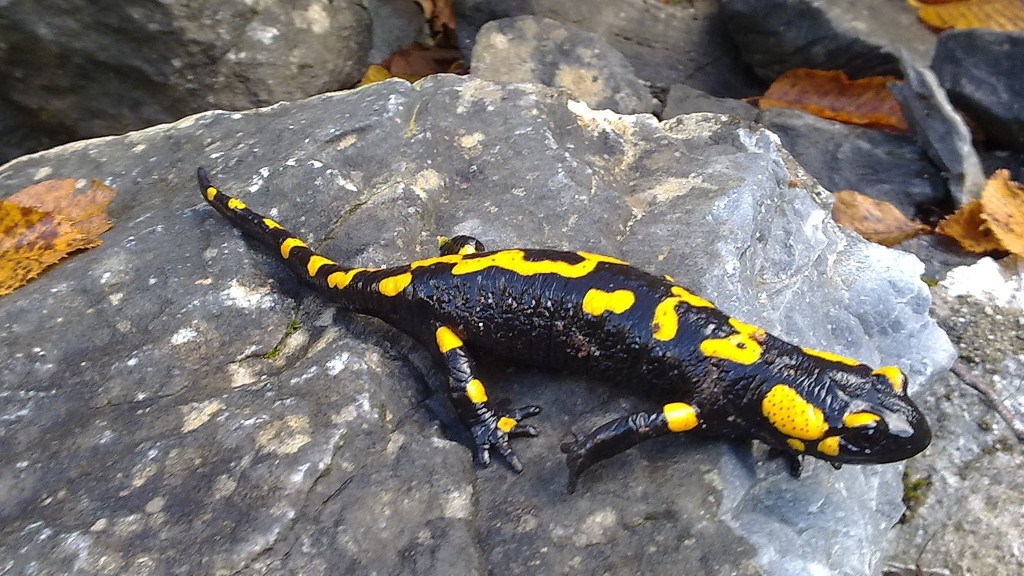
© Wikimedia.org/Cristo Vlahos, CC BY
The fire-bellied toad is a small amphibian species known for its distinctive bright red or orange markings on its underside, which serve as a warning to predators. Native to parts of Europe and Asia, it is commonly found in wetlands and slow-moving water bodies. The species is popular in the pet trade due to its striking appearance and relatively easy care requirements.
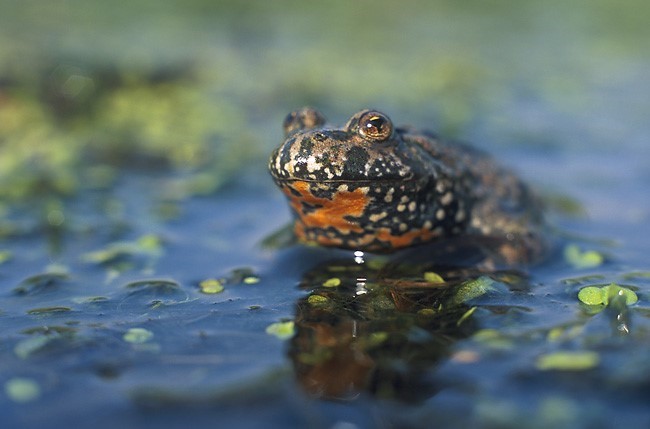
© Wikimedia.org/Benny Trapp, CC BY-SA
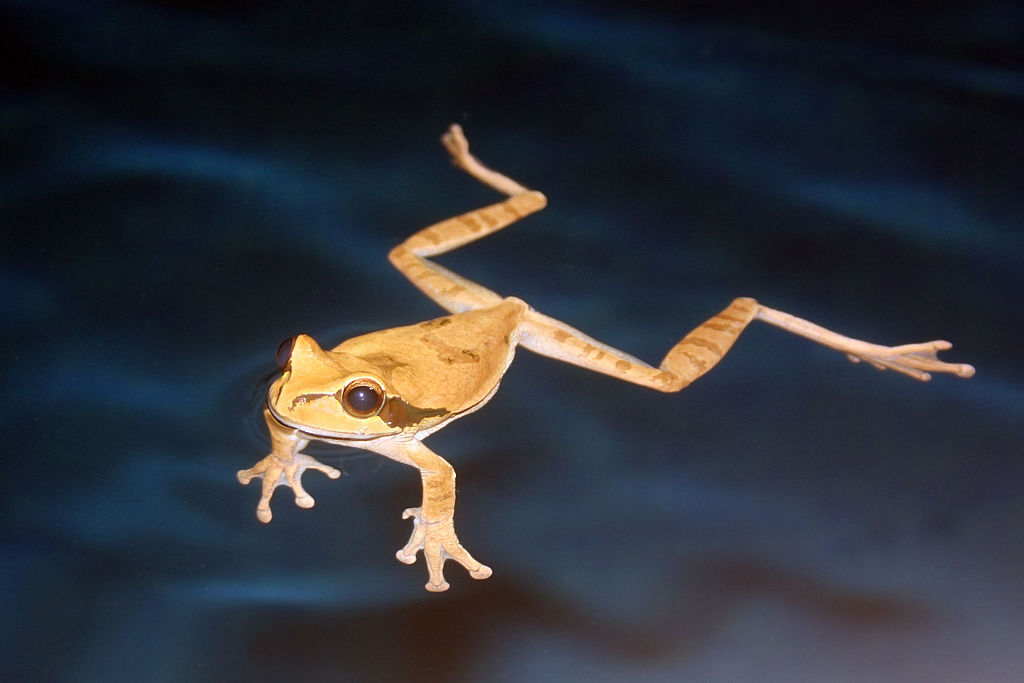
A frog is an amphibian belonging to the order Anura, characterized by a short body, long hind legs, and smooth, moist skin. Frogs are found worldwide and are known for their jumping abilities, croaking sounds, and life cycle that includes metamorphosis from tadpole to adult. They play important roles in ecosystems as both predators and prey.
The giant salamander refers to several species of large amphibians in the family Cryptobranchidae, including the Chinese and Japanese giant salamanders. These animals are known for being the largest living amphibians, with some individuals exceeding 1.5 meters in length. They are significant in evolutionary biology and conservation due to their ancient lineage and threatened status.
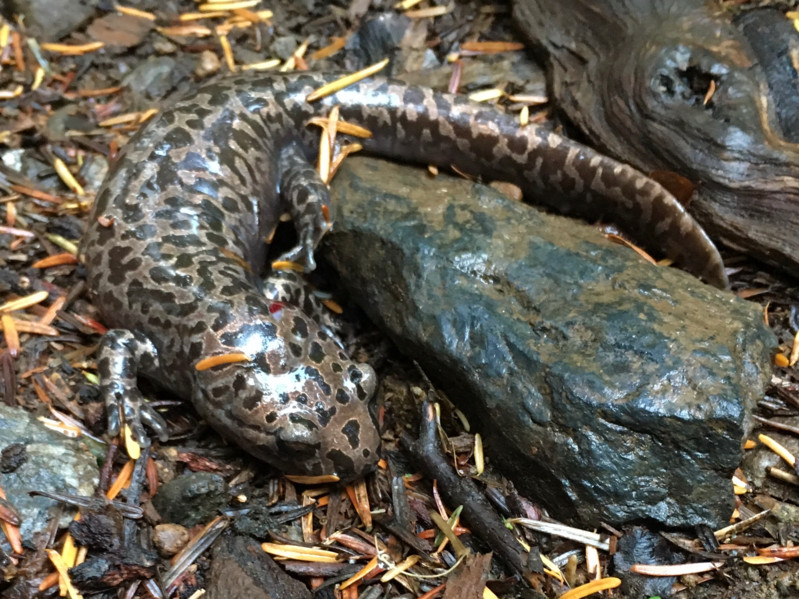
© Wikimedia.org/KtBstn, CC BY-SA
The glass frog is a small amphibian native to Central and South America, notable for its translucent skin on the underside, which allows internal organs to be visible. Belonging to the family Centrolenidae, these frogs are primarily found in tropical rainforests near streams. Their unique appearance has made them a subject of interest in biological studies and conservation efforts. Glass frogs are often used as examples of camouflage and adaptation in nature.
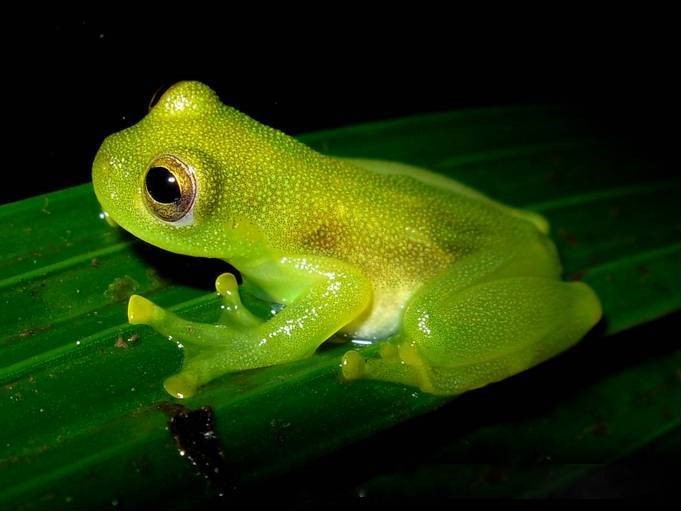
© Wikimedia.org/Mauricio Rivera Correa, CC BY-SA
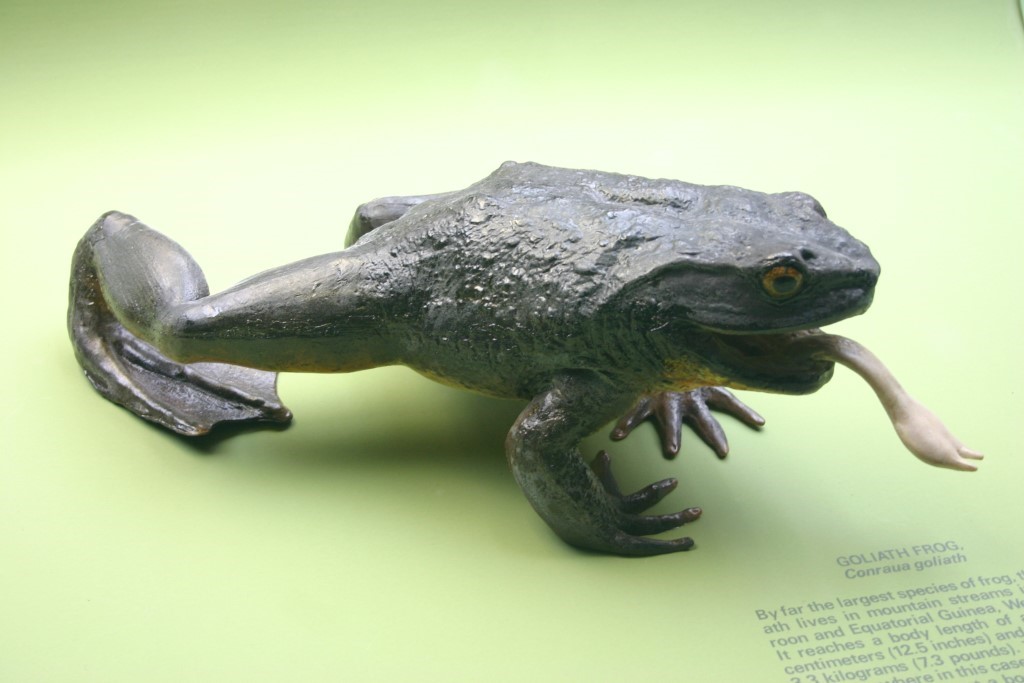
The Goliath Frog is the largest living species of frog, native to parts of West Africa, particularly Cameroon and Equatorial Guinea. It can reach lengths of over 30 centimeters and weigh more than 3 kilograms. The species is notable for its size and is studied for its unique adaptations and conservation status.
The gray treefrog refers to two closely related species, Hyla versicolor and Hyla chrysoscelis, native to North America. These amphibians are known for their ability to change color from gray to green to blend with their surroundings. Gray treefrogs are commonly found in wooded areas and are recognized by their distinctive, trilling calls. They play an important role in local ecosystems as both predators and prey.
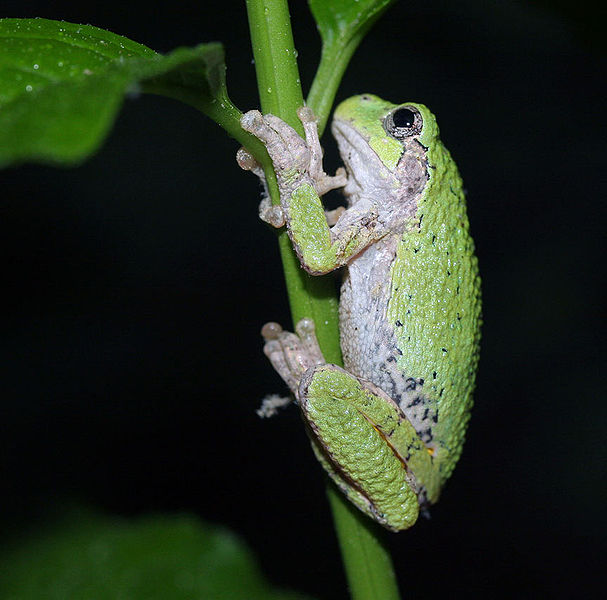
© Wikimedia.org/Andy Witchger, CC BY
The green tree frog is a common name for several species of arboreal frogs, most notably the American green tree frog (Hyla cinerea) and the Australian green tree frog (Litoria caerulea). These amphibians are known for their bright green coloration and their ability to live in trees and shrubs near water sources. They are significant in their ecosystems as both predators and prey and are popular in the pet trade.
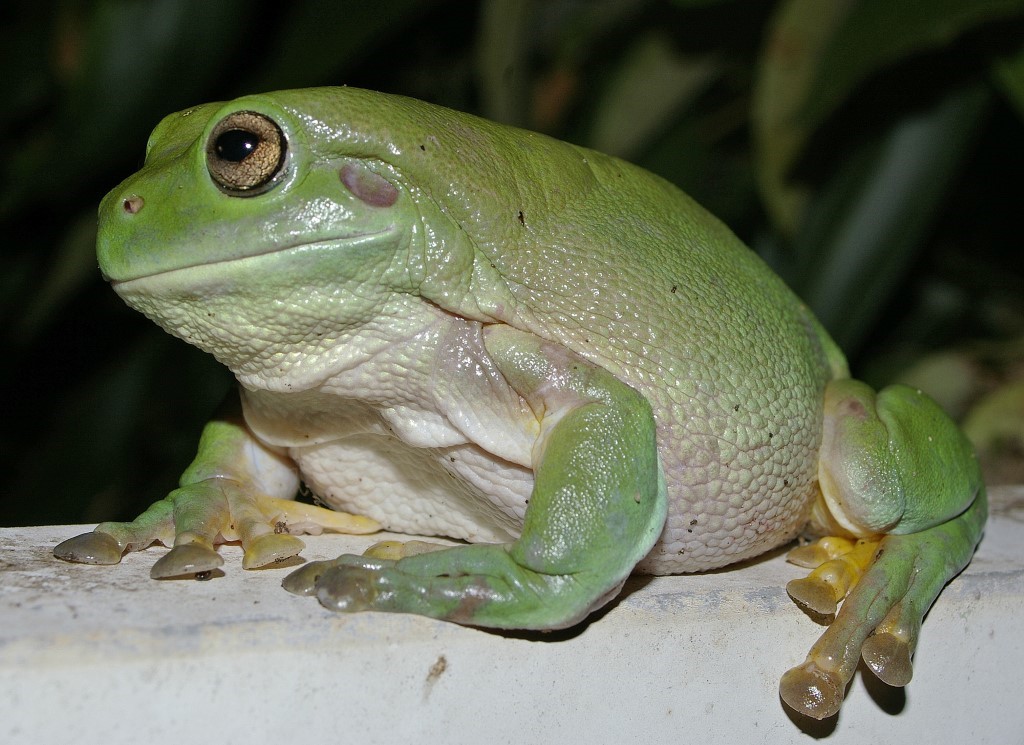
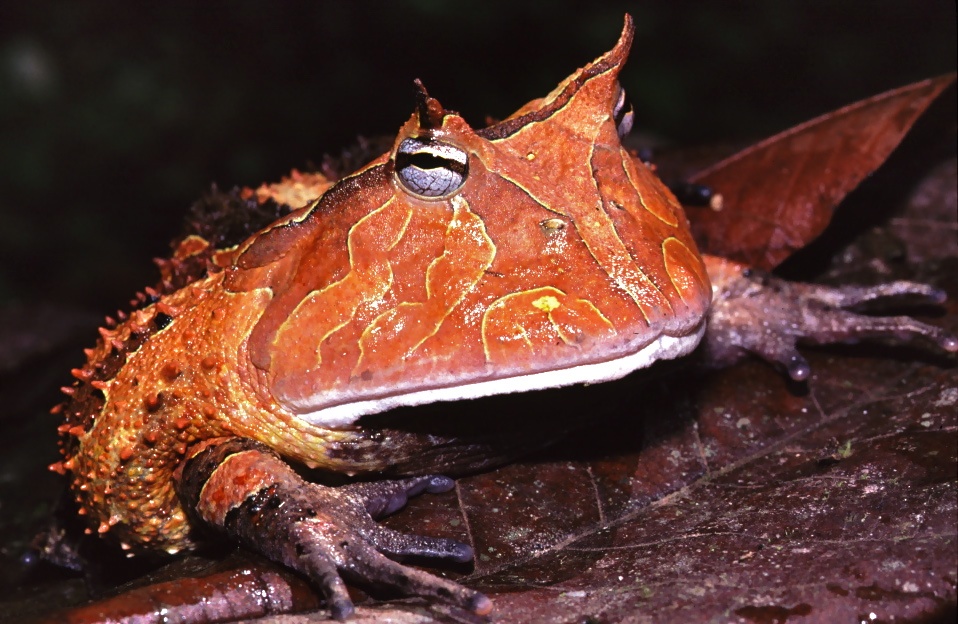
The horned frog refers to several species of frogs known for the horn-like projections above their eyes. These amphibians are native to regions in the Americas and are often called 'horned' due to their unique appearance. Horned frogs are notable for their camouflage abilities and predatory behavior.
The leopard frog is a common name for several species of frogs in the genus Lithobates, known for their distinctive dark spots on a green or brown background. These amphibians are native to North America and are often found near ponds, streams, and wetlands. Leopard frogs are important in ecological studies and are sometimes used as bioindicators of environmental health.
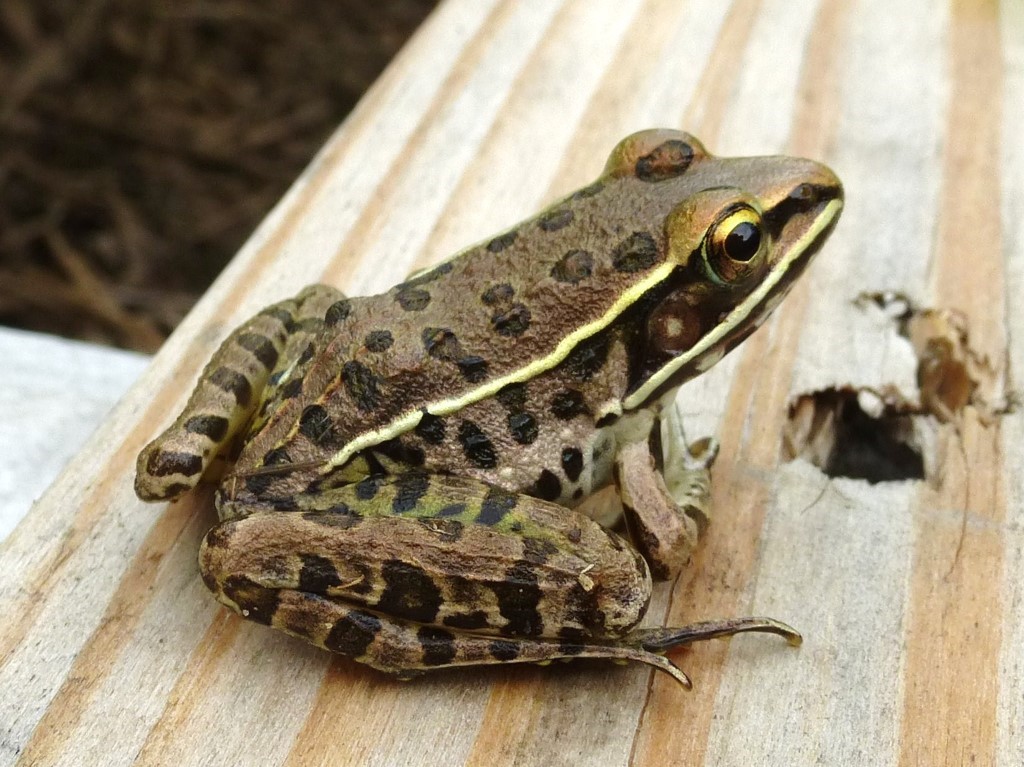
© Wikimedia.org/Bob Warrick, CC BY-SA
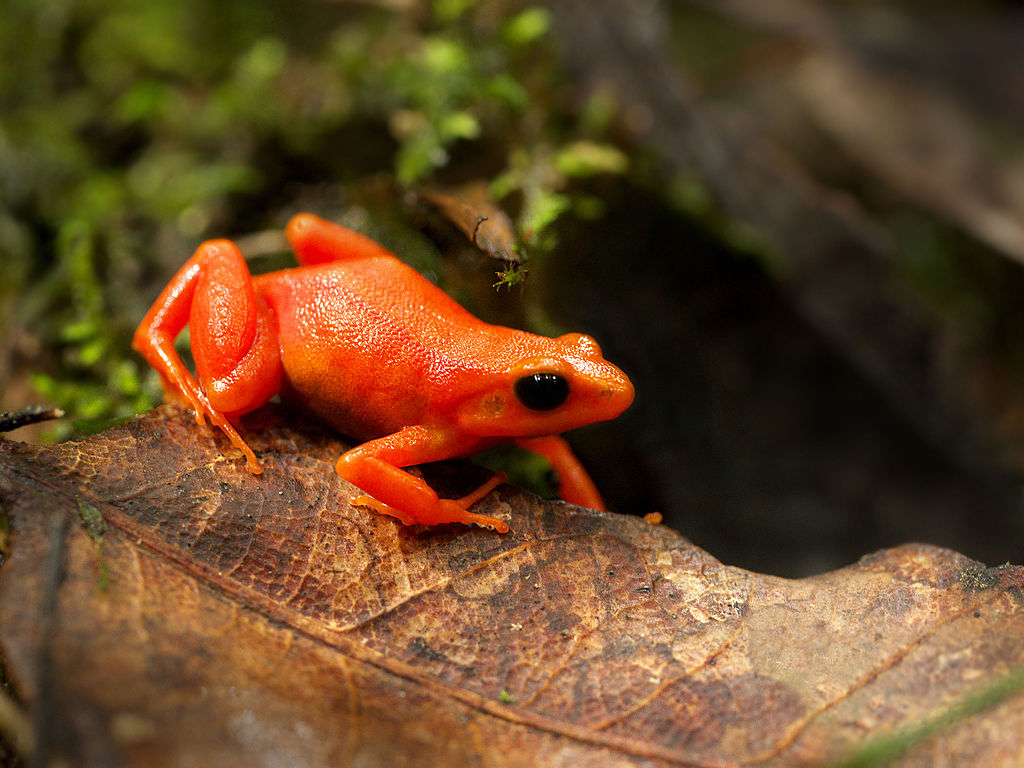
The Mantella frog is a genus of small, brightly colored frogs native to Madagascar. These amphibians are known for their vivid hues and toxic skin secretions, which help deter predators. Mantella frogs are significant in the fields of herpetology and conservation due to their restricted habitats and vulnerability to environmental changes.
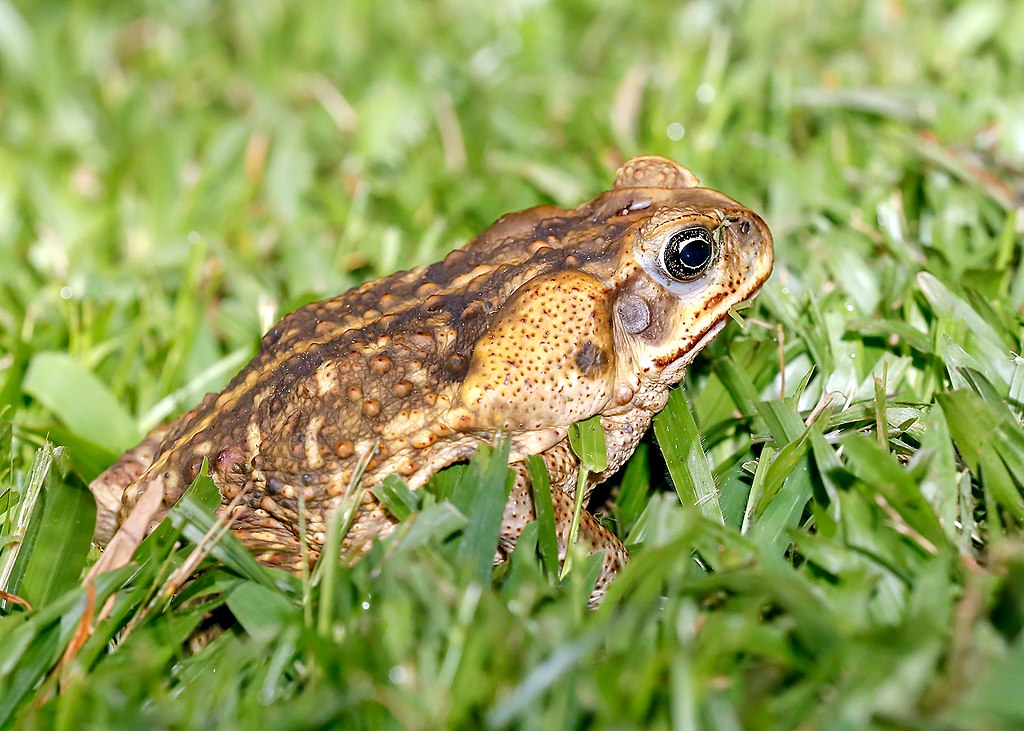
The marine toad, also known as the cane toad (Rhinella marina), is a large amphibian native to Central and South America. It is known for its adaptability and has been introduced to various regions, such as Australia, for pest control purposes. The species is significant for its environmental impact, as it can become invasive and affect local ecosystems.
The Marsh Frog is a large species of frog native to Europe and parts of western Asia. It is recognized for its green coloration and preference for habitats such as marshes, ponds, and slow-moving water bodies. The Marsh Frog is important in ecological research and as an indicator of wetland health.
The Monte Iberia Eleuth is a species of tiny frog native to eastern Cuba, specifically the Monte Iberia region. Known scientifically as Eleutherodactylus iberia, it is one of the smallest frogs in the world, measuring just about 10 millimeters in length. The species is recognized for its critically endangered status due to habitat loss and its limited distribution. Its discovery in 1993 highlighted the biodiversity of Cuban rainforests.
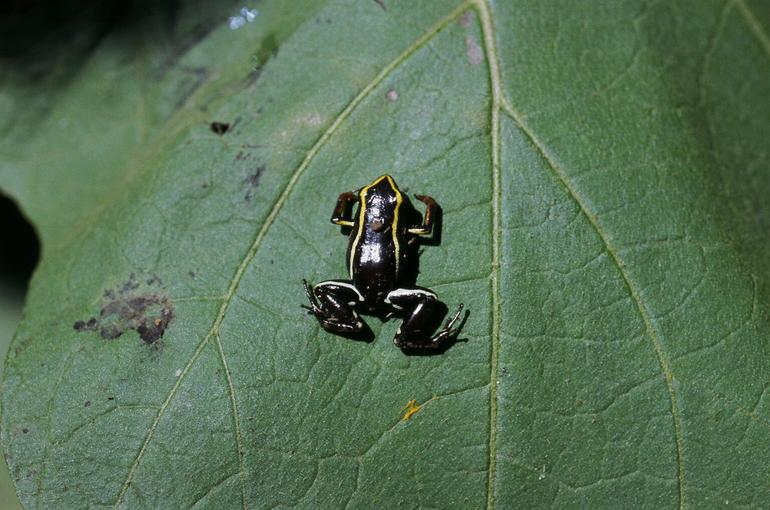
© Wikimedia.org/Pierre Fidenci, CC BY-SA
The mudpuppy is a species of aquatic salamander native to North America, scientifically known as Necturus maculosus. It is notable for retaining its external gills throughout its life, a trait called neoteny. Mudpuppies inhabit rivers, lakes, and streams, and are often studied in biology for their unique adaptations. They play an important role in freshwater ecosystems.
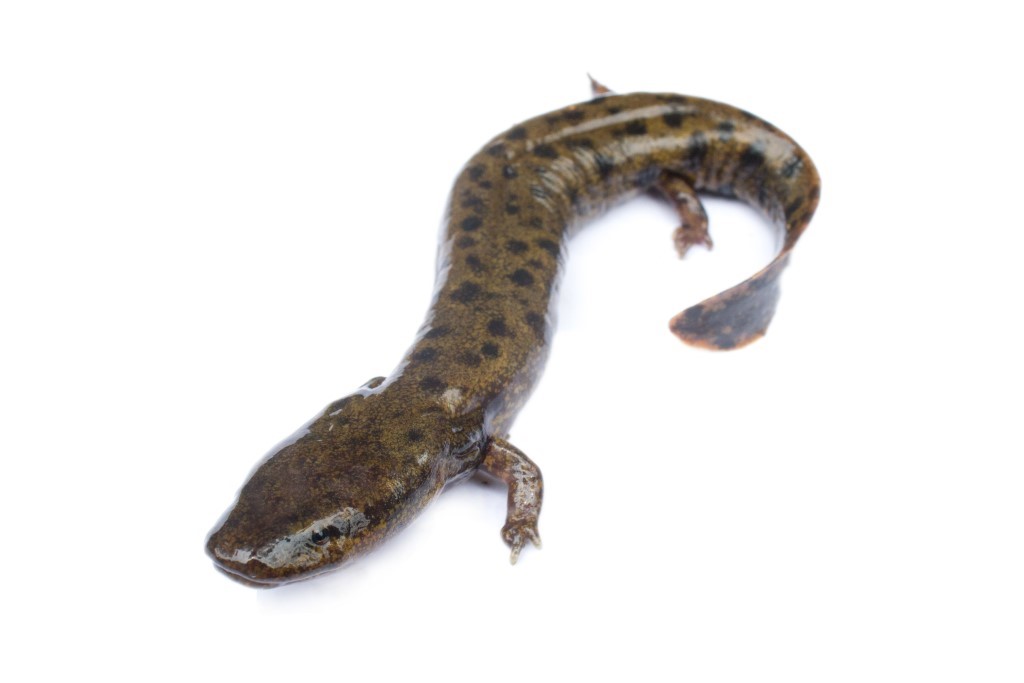
© Wikimedia.org/Richard Poort, CC BY
The Natterjack Toad is a species of toad native to parts of Europe, recognized by its yellow stripe down the back and loud mating call. It inhabits sandy heaths, dunes, and coastal areas, often requiring shallow pools for breeding. The species is of conservation concern in several countries due to habitat loss. It is studied for its unique behaviors and ecological role.
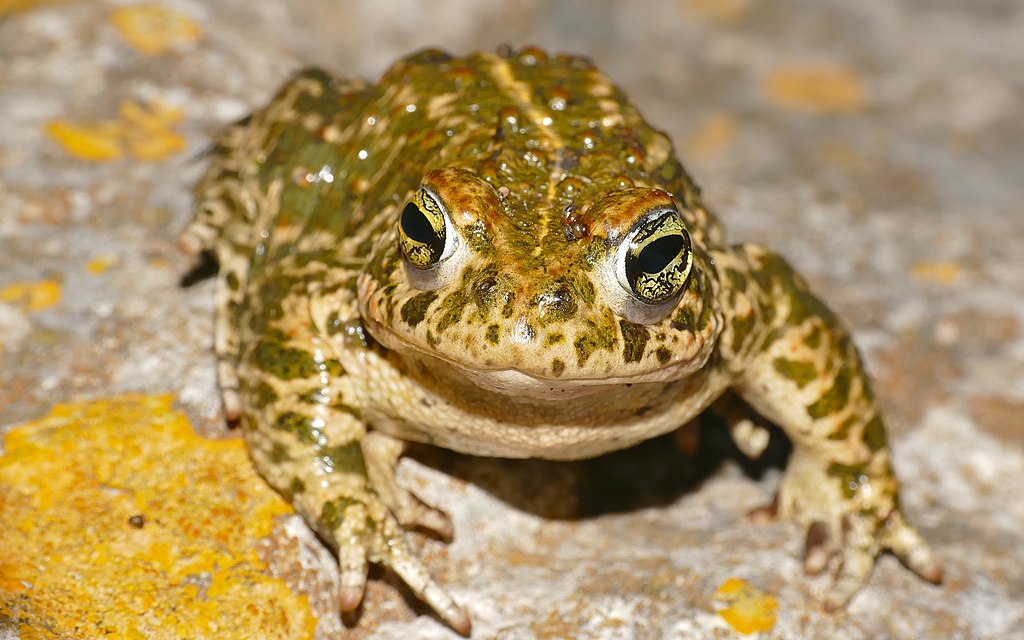
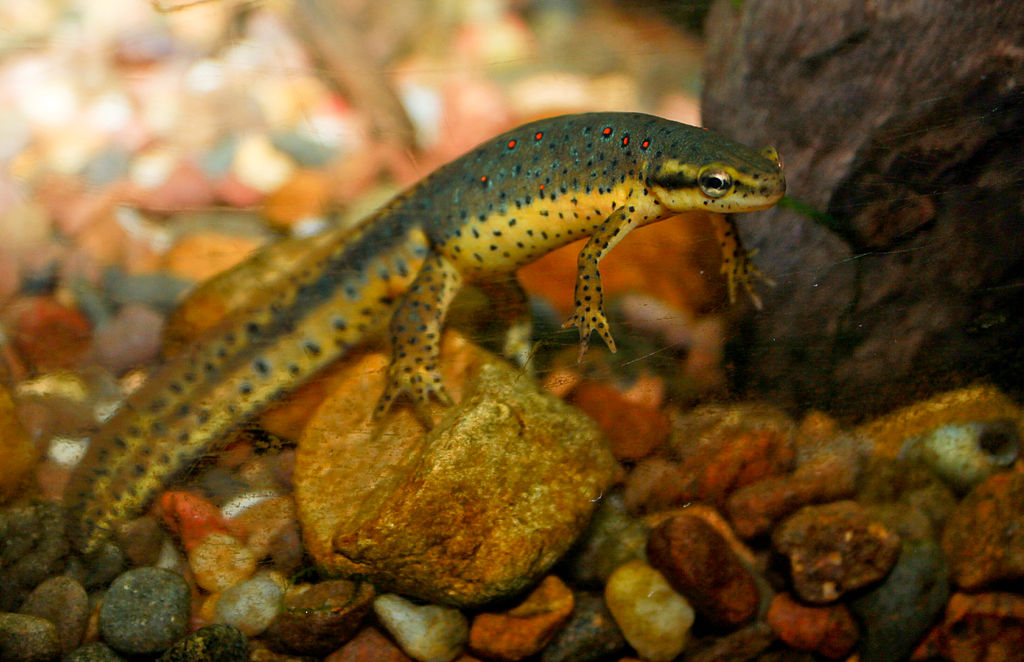
A newt is a type of small amphibian belonging to the family Salamandridae. Newts are found in North America, Europe, and Asia, and are known for their semi-aquatic lifestyles and ability to regenerate lost body parts. They play important roles in their ecosystems as both predators and prey. Newts are also studied in scientific research due to their regenerative capabilities.
The Oak Toad (Anaxyrus quercicus) is a small species of toad native to the southeastern United States. It is notable for its diminutive size, distinctive mid-dorsal stripe, and preference for sandy, open woodlands, especially those dominated by oak trees. The species is of interest in herpetology due to its specific habitat requirements and its role in local ecosystems.
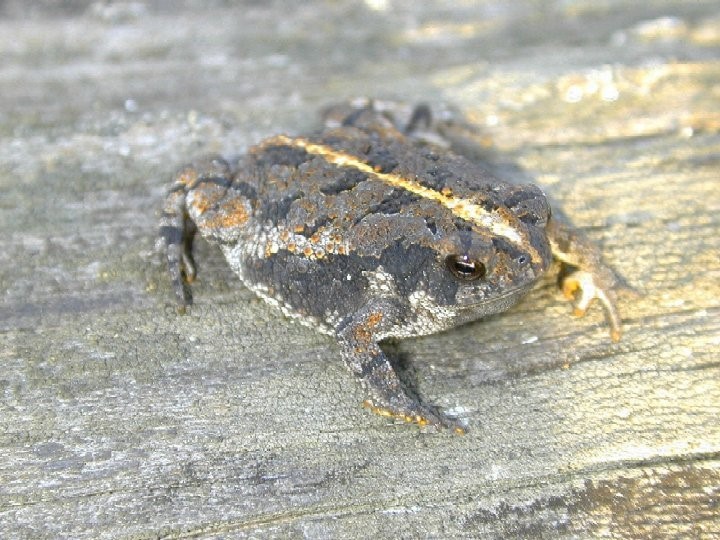
© Wikimedia.org/Everglades NPS, CC0
The olm is a blind, cave-dwelling amphibian native to the underground waters of the Dinaric Alps in Europe. It is known for its pale, elongated body and remarkable adaptations to life in complete darkness, such as heightened senses of smell and hearing. The olm is significant in biology for its longevity and regenerative abilities. It is often studied as an example of evolution in extreme environments.
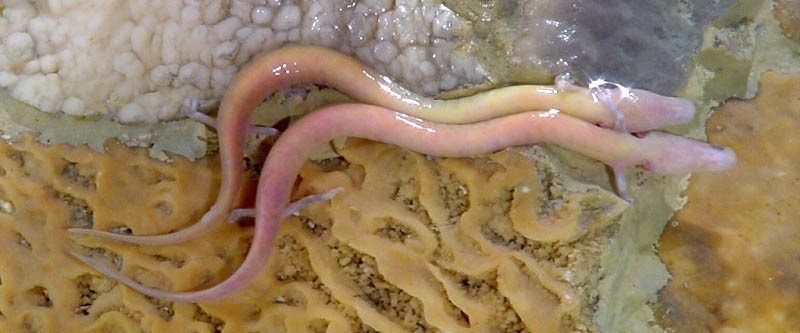
© Wikimedia.org/Syrio, CC BY-SA
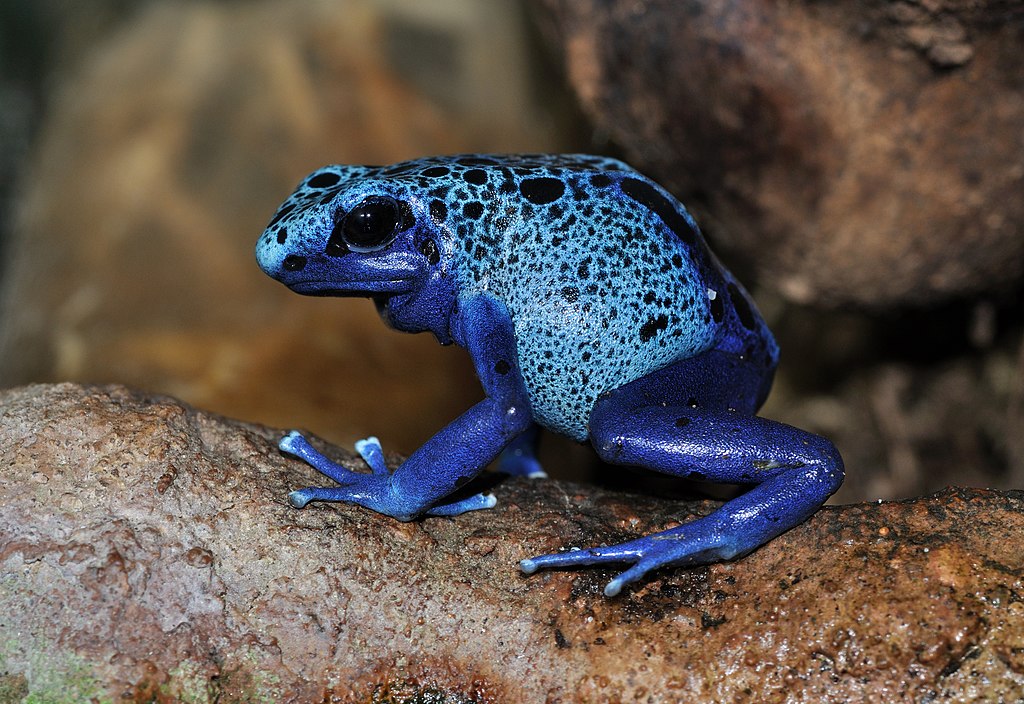
Poison dart frogs are a group of brightly colored amphibians native to Central and South America. They are known for the toxic compounds in their skin, which indigenous peoples have historically used to poison the tips of blow darts for hunting. These frogs are often studied for their unique chemical defenses and striking coloration, which serves as a warning to predators. Their habitats are typically tropical rainforests, and some species are threatened by habitat loss.
The pool frog is an amphibian species native to parts of Europe, particularly known for inhabiting ponds and slow-moving water bodies. Its scientific name is Pelophylax lessonae, and it is characterized by a greenish coloration and a distinctive call during the breeding season. The pool frog has faced population declines in some regions, making it a focus of conservation efforts. It is studied in the fields of herpetology and ecology.
The red-eyed tree frog is a species of arboreal frog native to Central America, known for its vivid green body and striking red eyes. It is often featured in wildlife documentaries and educational materials as an example of rainforest biodiversity. The species is notable for its nocturnal habits and distinctive appearance, making it a symbol of tropical ecosystems.
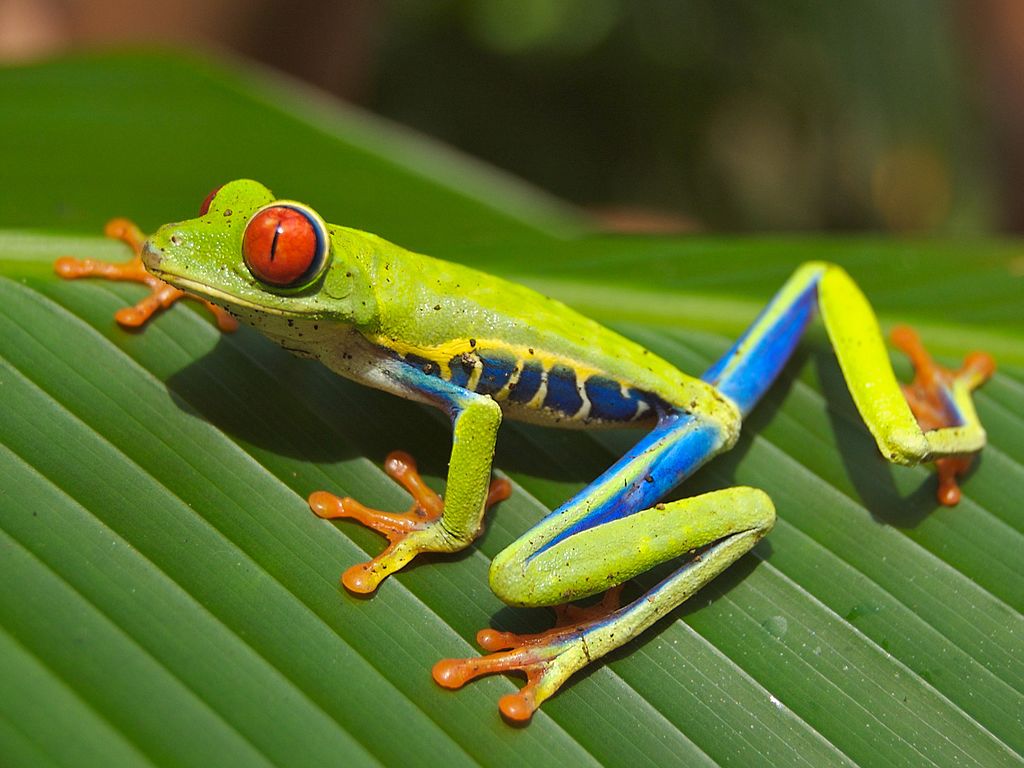
© Wikimedia.org/Carey James Balboa, CC0
A salamander is an amphibian belonging to the order Caudata, characterized by a slender body, short limbs, and a long tail. Salamanders are found in various habitats, primarily in the Northern Hemisphere. They are known for their ability to regenerate lost limbs and their moist, permeable skin. Salamanders play important roles in ecosystems as both predators and prey.
The Scrotum Frog, scientifically known as Telmatobius culeus, is a species of aquatic frog native to Lake Titicaca in South America. It is notable for its loose, baggy skin, which increases surface area for oxygen absorption in the high-altitude environment. The species is considered critically endangered due to habitat loss and pollution.
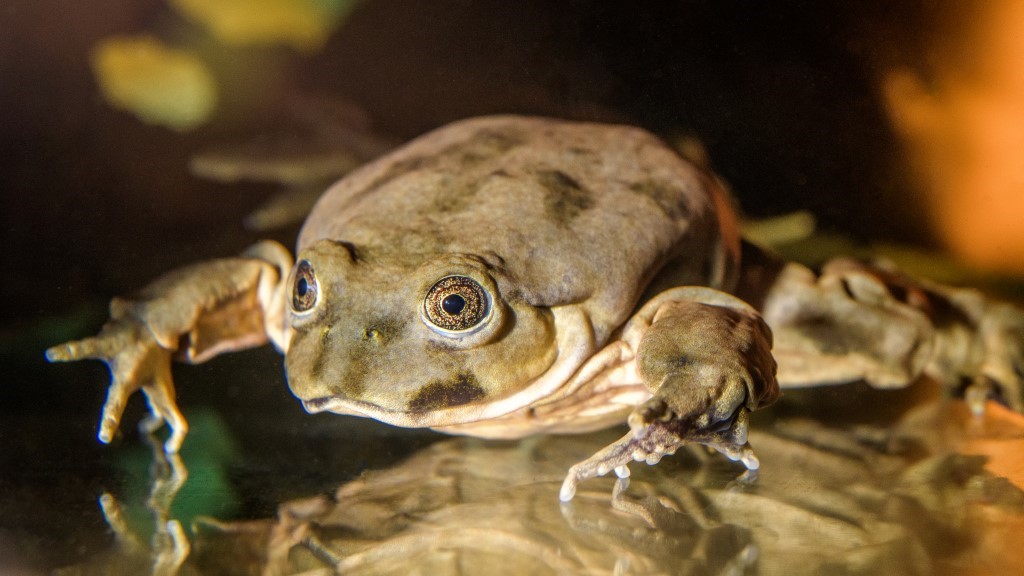
© Wikimedia.org/Petr Hamerník, CC BY-SA
The Spadefoot Toad is a group of amphibians found in North America and parts of Europe. They are named for the hardened, spade-like projections on their hind feet, which help them dig into sandy or loose soil. These toads are known for their burrowing behavior and their ability to survive in arid environments.
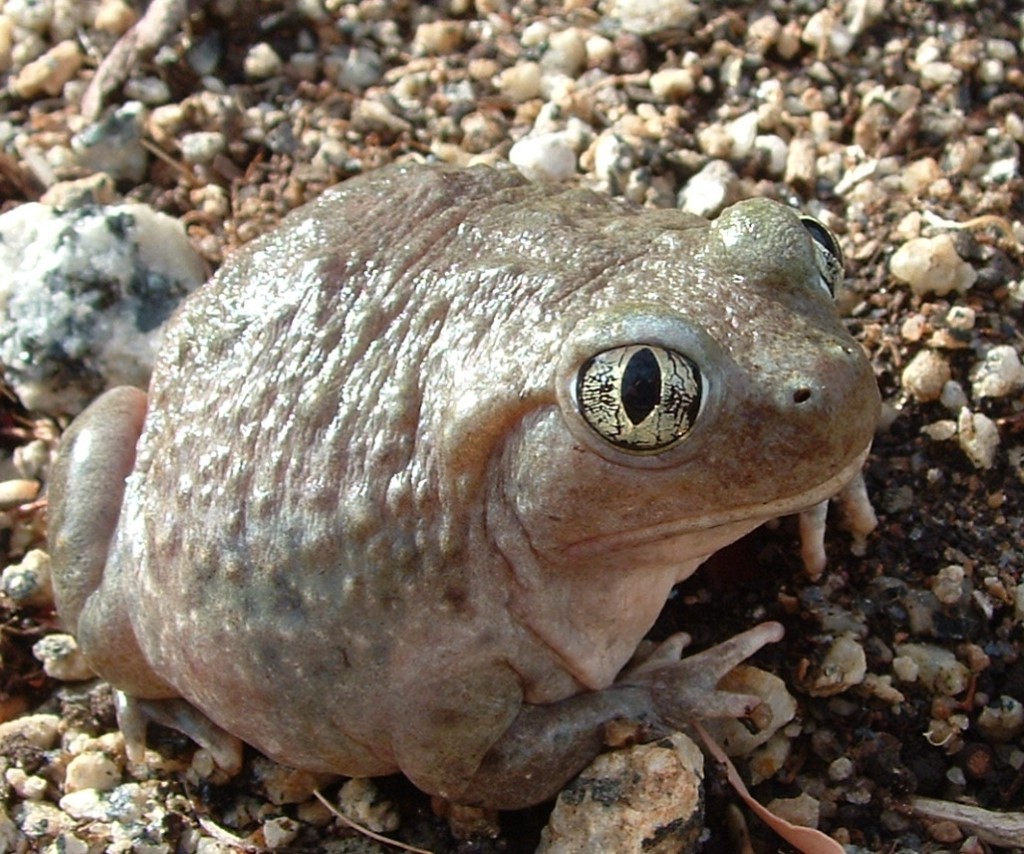
© Wikimedia.org/Sarah Beckwith, CC0
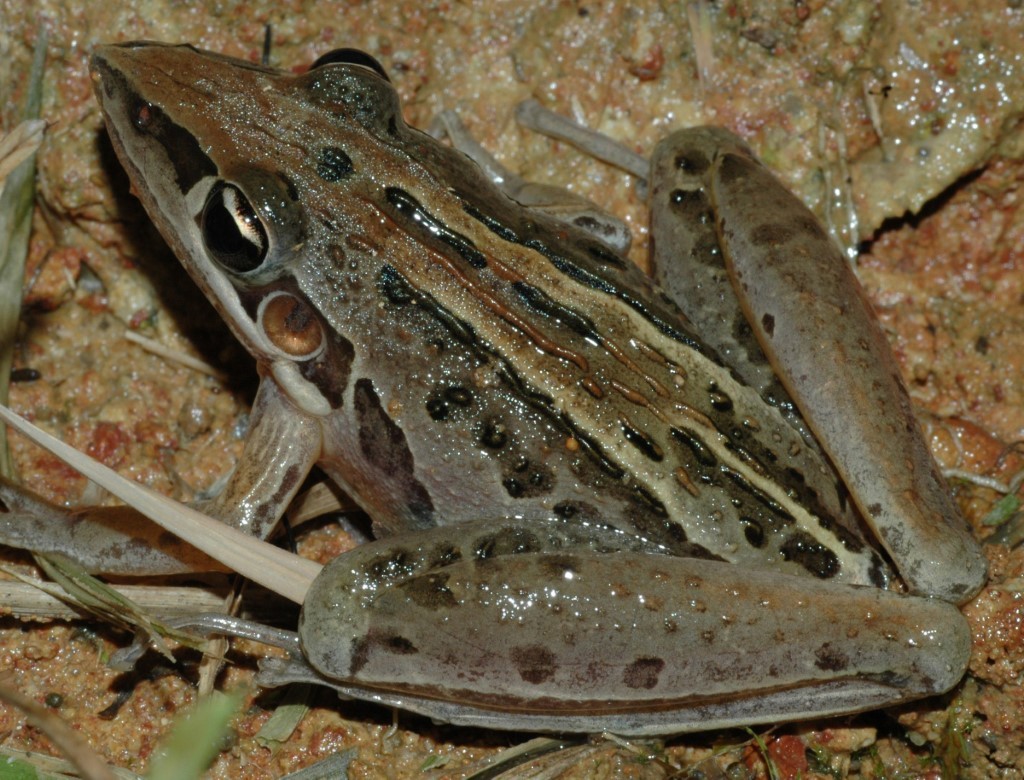
The Striped Rocket Frog is a species of frog native to Australia, particularly found in northern and eastern regions. It is recognized for its slender body, distinctive longitudinal stripes, and remarkable leaping ability, which allows it to escape predators quickly. This amphibian is often found near water bodies and is studied for its unique adaptations to its environment.
The Tiger Salamander is a species of mole salamander native to North America. It is known for its distinctive yellow or greenish blotches on a dark background, resembling a tiger's pattern. Tiger Salamanders are significant in ecological studies due to their widespread distribution and adaptability.
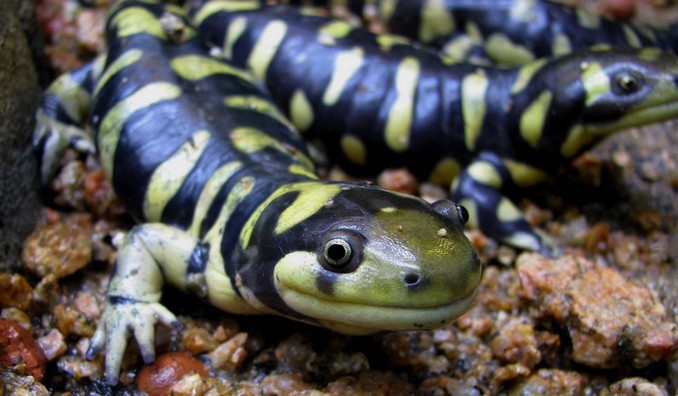
© Wikimedia.org/evangrimes, CC BY
Toad is a recurring character in Nintendo's Mario franchise, first appearing in the game Super Mario Bros. in 1985. He is recognized by his mushroom-shaped cap and serves as a loyal attendant to Princess Peach in the Mushroom Kingdom. Toad is known for his cheerful personality and often assists the main characters in their adventures.
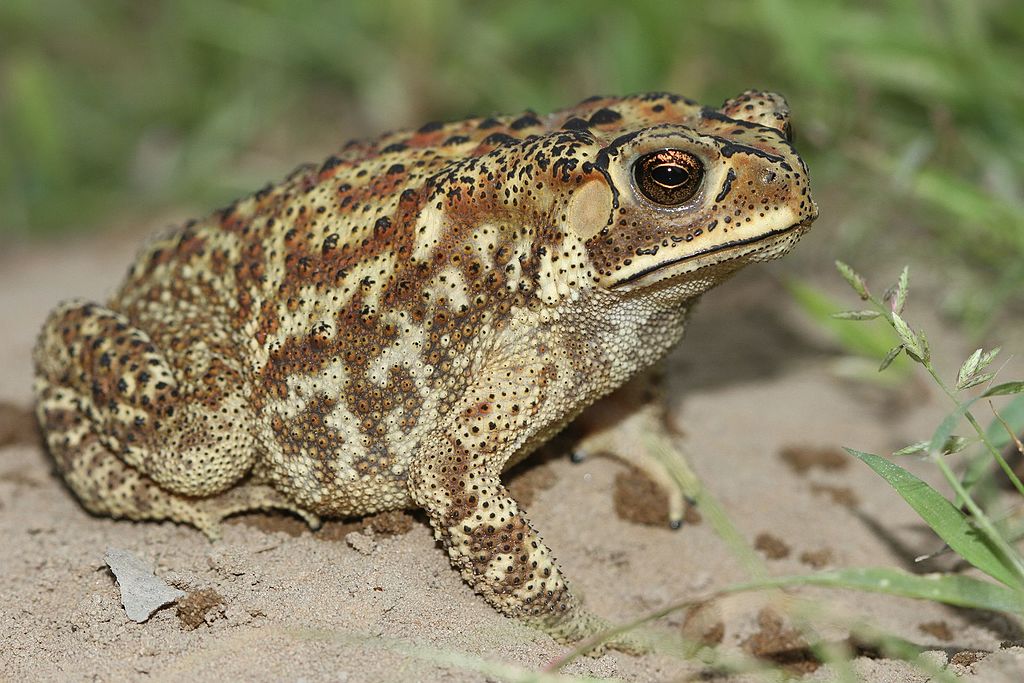
Tree frogs are a diverse group of amphibians belonging to several families, most notably Hylidae. They are characterized by their adaptations for arboreal life, such as adhesive toe pads that help them climb and cling to vegetation. Tree frogs are found worldwide, especially in tropical and subtropical regions, and play important roles in their ecosystems.