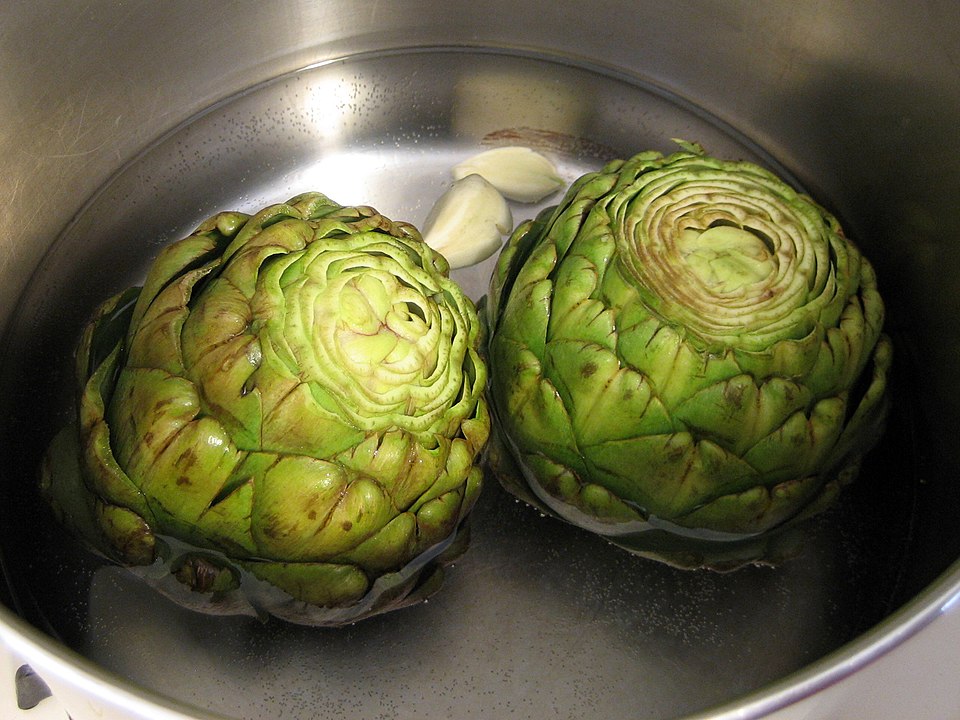
The artichoke is a perennial thistle cultivated as a food crop, primarily for its edible flower buds. Originating in the Mediterranean region, it has been consumed since ancient times and is valued for its unique flavor and nutritional benefits. The artichoke is commonly used in a variety of dishes, especially in European cuisine. It is also noted for its potential health benefits, including antioxidants and dietary fiber.
© Wikimedia.org/Pepperedjane, CC0
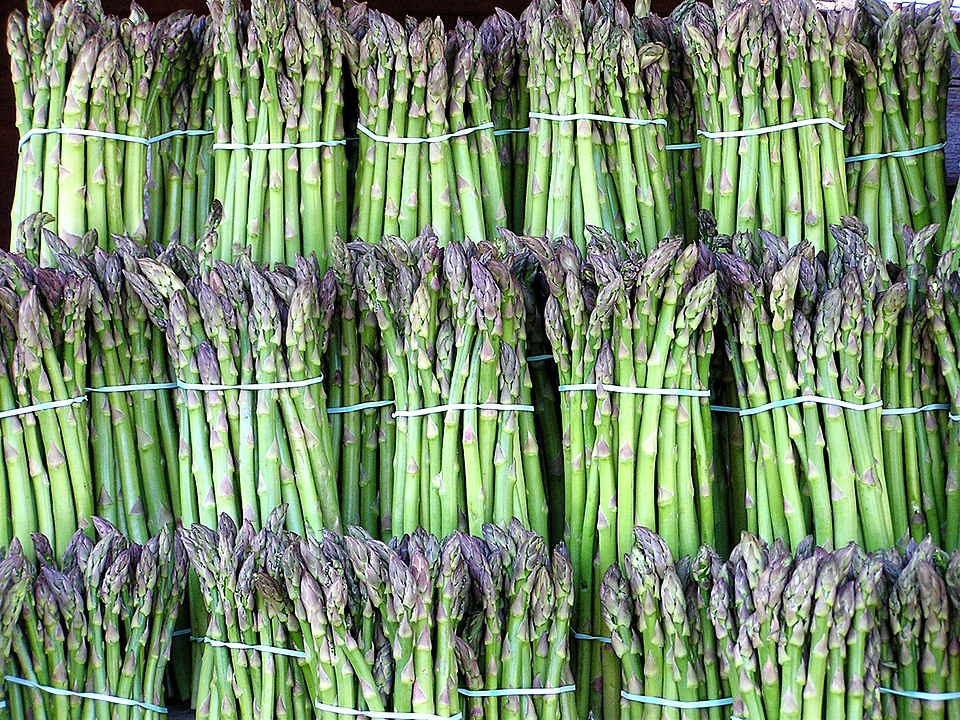
Asparagus is a perennial vegetable known for its long, slender green spears and distinct flavor. It has been cultivated for thousands of years, with origins tracing back to ancient Egypt, Greece, and Rome. Asparagus is often steamed, grilled, or roasted and is prized for its nutritional value, including fiber, folate, and vitamins A, C, and K. It is a popular ingredient in many cuisines around the world.
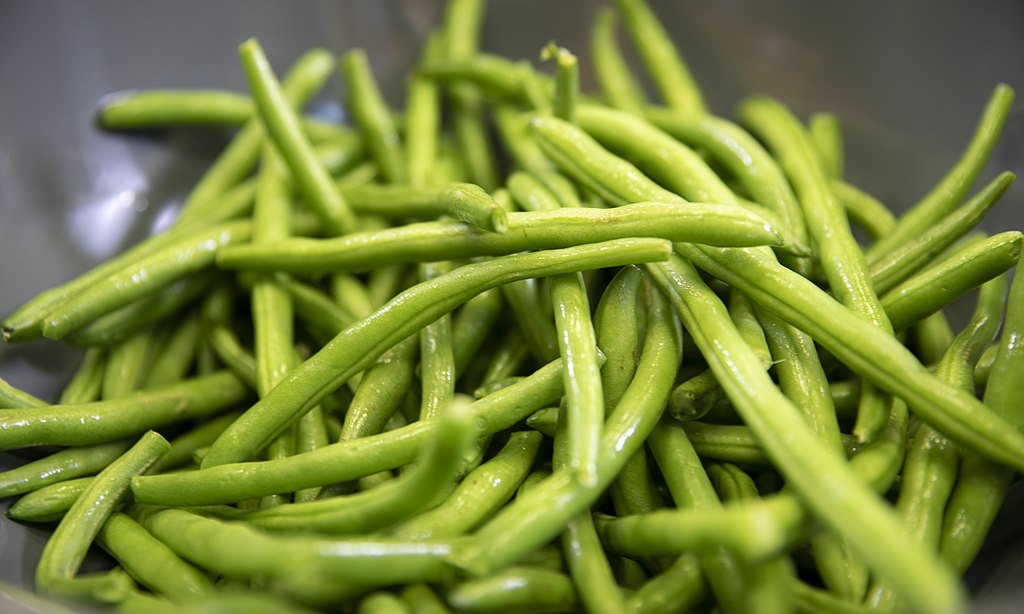
Beans are seeds from various plants in the legume family, commonly used as food around the world. They are known for being a rich source of protein, fiber, and essential nutrients. Beans have been cultivated for thousands of years and are a staple in many traditional diets. Their significance extends to agriculture due to their ability to fix nitrogen in soil, improving soil fertility.
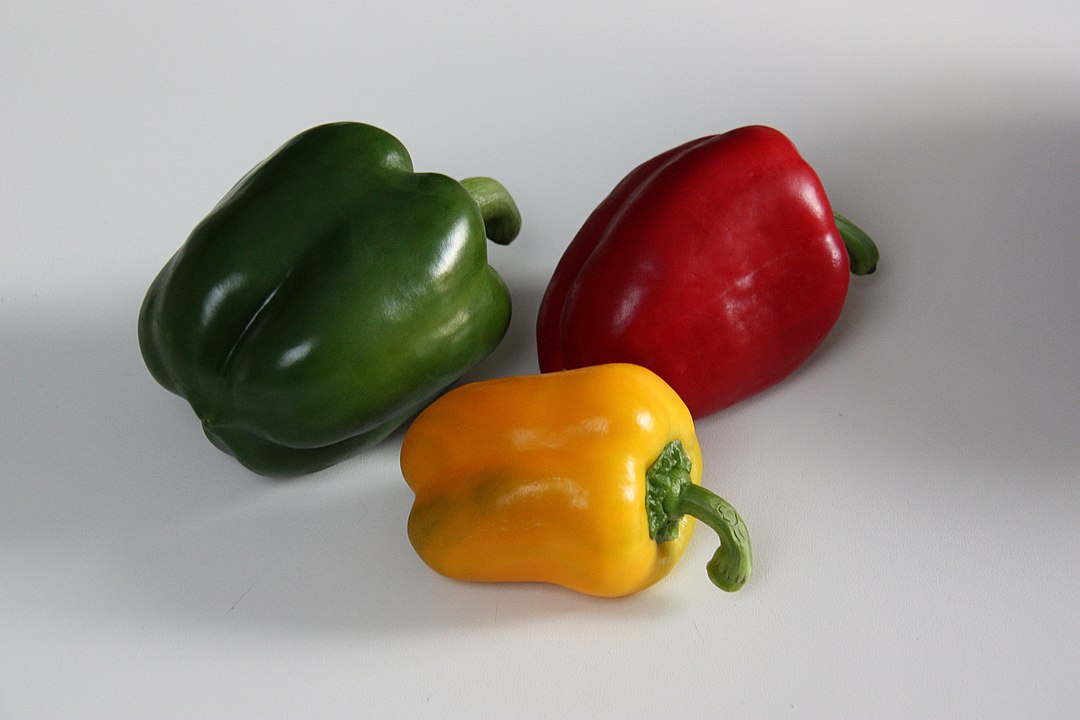
Bell pepper is a type of non-spicy pepper from the species Capsicum annuum, recognized for its crisp texture and sweet flavor. It is available in various colors, including green, red, yellow, and orange, which reflect different stages of ripeness. Bell peppers are widely used in cooking around the world and are valued for their vitamin C and antioxidant content. They are a common ingredient in salads, stir-fries, and other dishes.
Bitter melon is a tropical and subtropical vine-grown vegetable known for its distinctively bitter taste. It is widely used in Asian, African, and Caribbean cuisines, often cooked in stir-fries, soups, or curries. Bitter melon is also valued in traditional medicine for its potential health benefits, particularly in managing blood sugar levels. Its unique flavor and nutritional properties make it a notable ingredient in various culinary traditions.
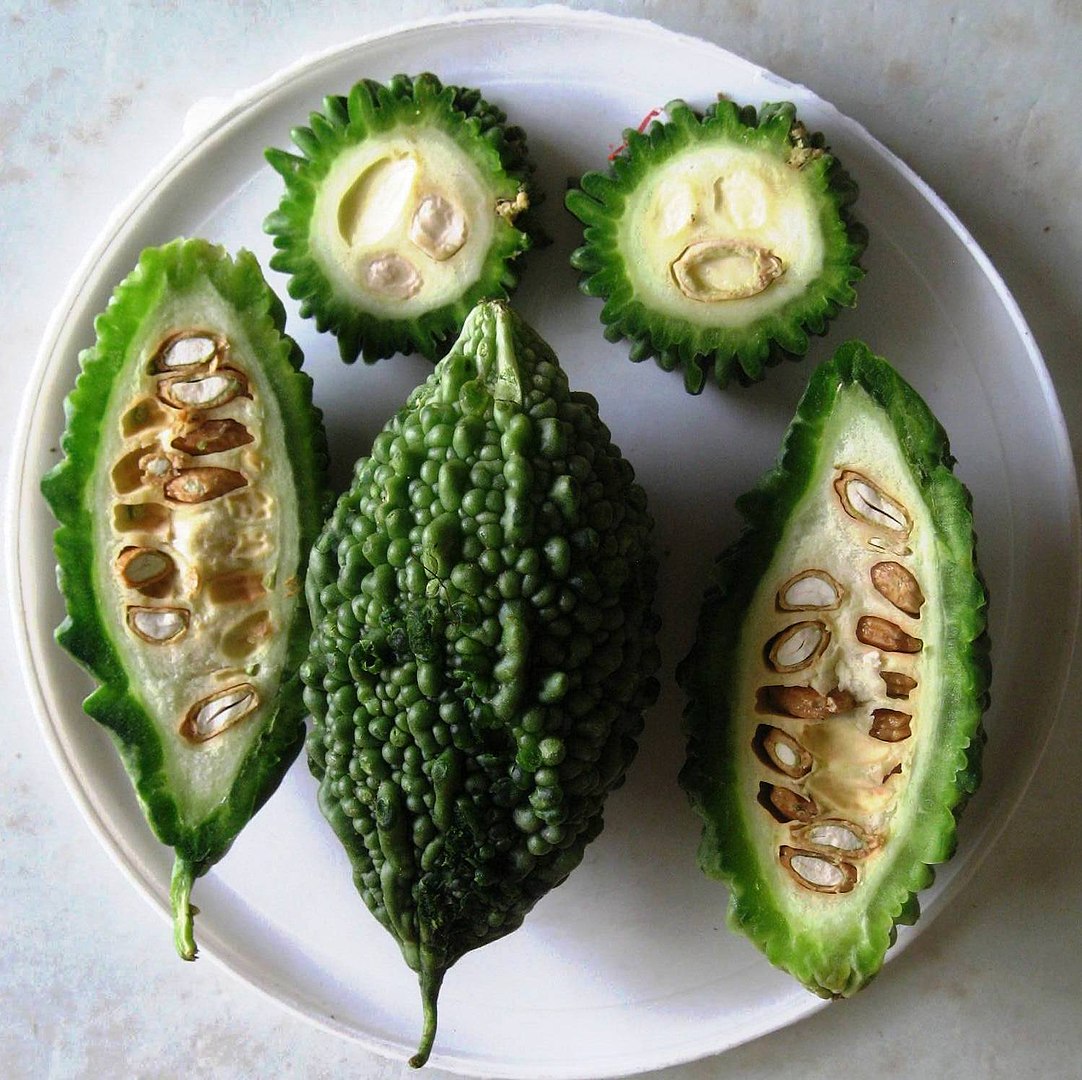
© Wikimedia.org/Anubrata29, CC BY-SA
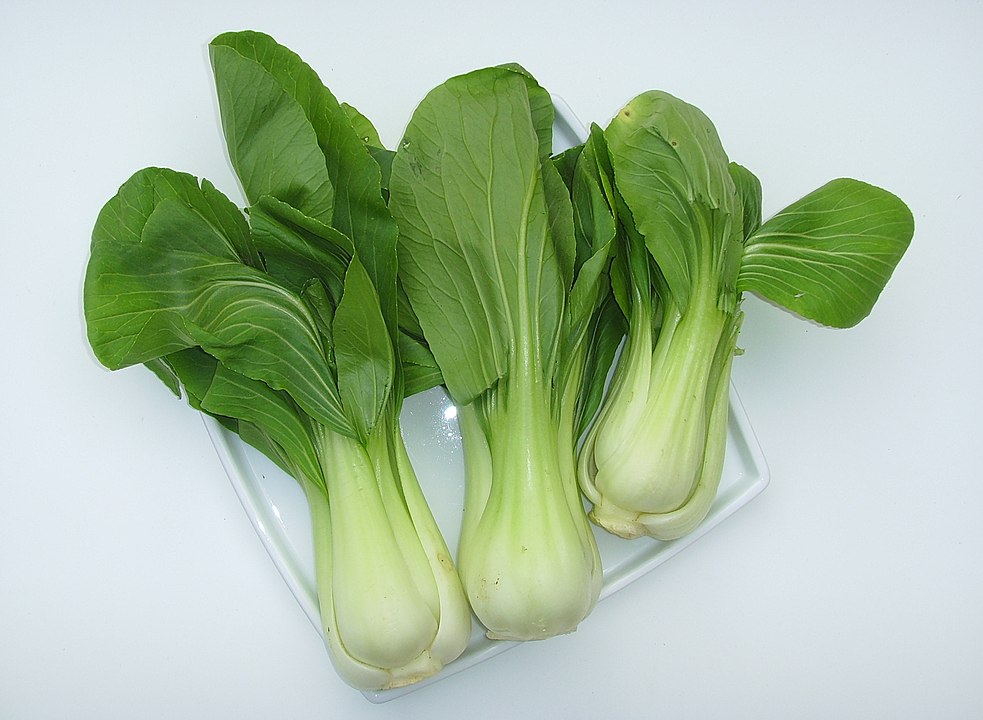
Bok choy is a type of Chinese cabbage widely used in Asian cuisine. It has dark green leaves and white stalks, and is known for its mild flavor and crisp texture. Bok choy is valued for its nutritional content, including vitamins A and C, and is often used in stir-fries, soups, and salads.
Broadbeans, also known as fava beans, are a type of legume cultivated for their edible seeds. They have been grown since ancient times and are a staple in many Mediterranean and Middle Eastern cuisines. Broadbeans are valued for their high protein content and nutritional benefits.
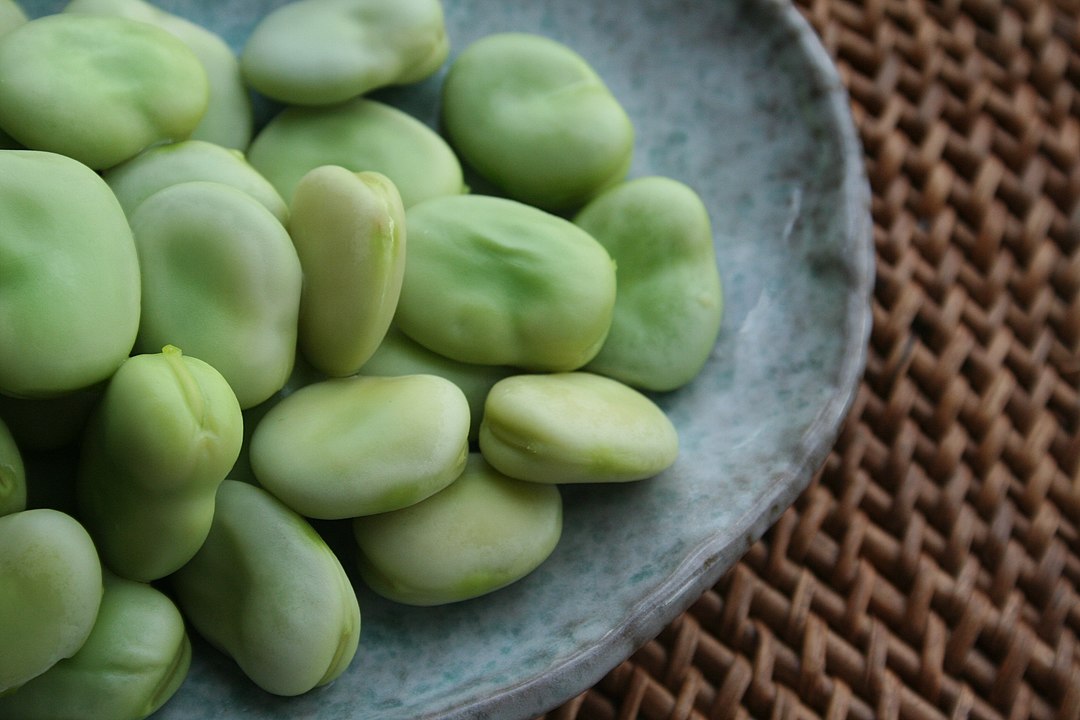
© Wikimedia.org/Richard W.M., CC0
Broccoli is an edible green plant in the cabbage family, Brassicaceae, grown for its large flowering head and stalk. It is known for its nutritional value, being rich in vitamins, minerals, and fiber. Broccoli originated in the Mediterranean region and has become a staple vegetable in many diets worldwide. It is commonly consumed cooked or raw in a variety of dishes.
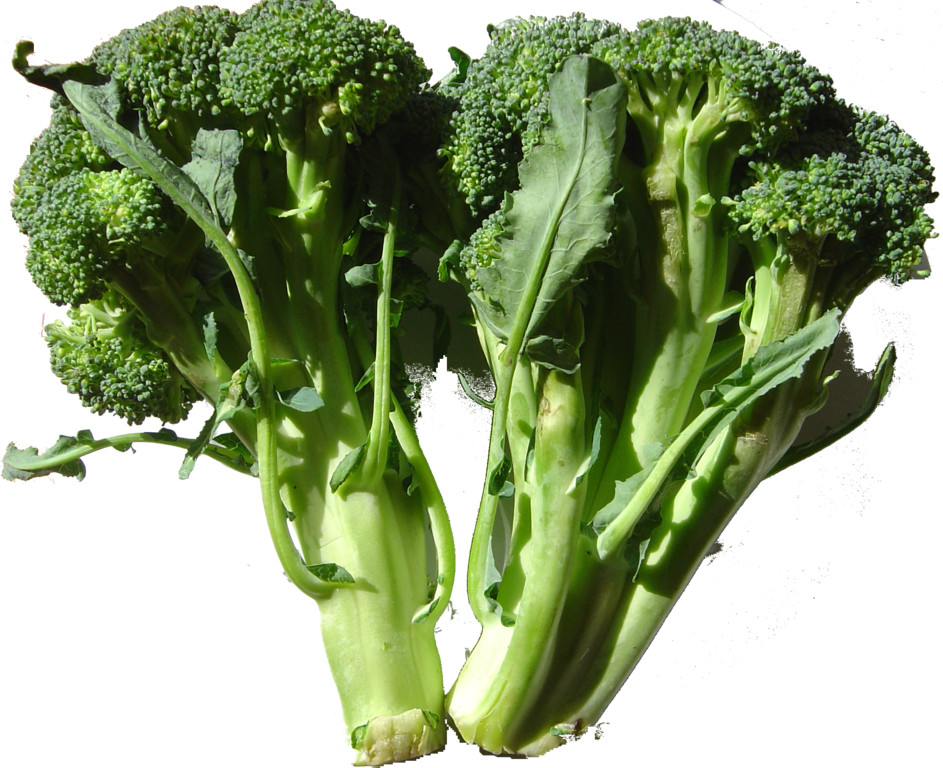
© Wikimedia.org/Forest and Kim Starr, CC BY
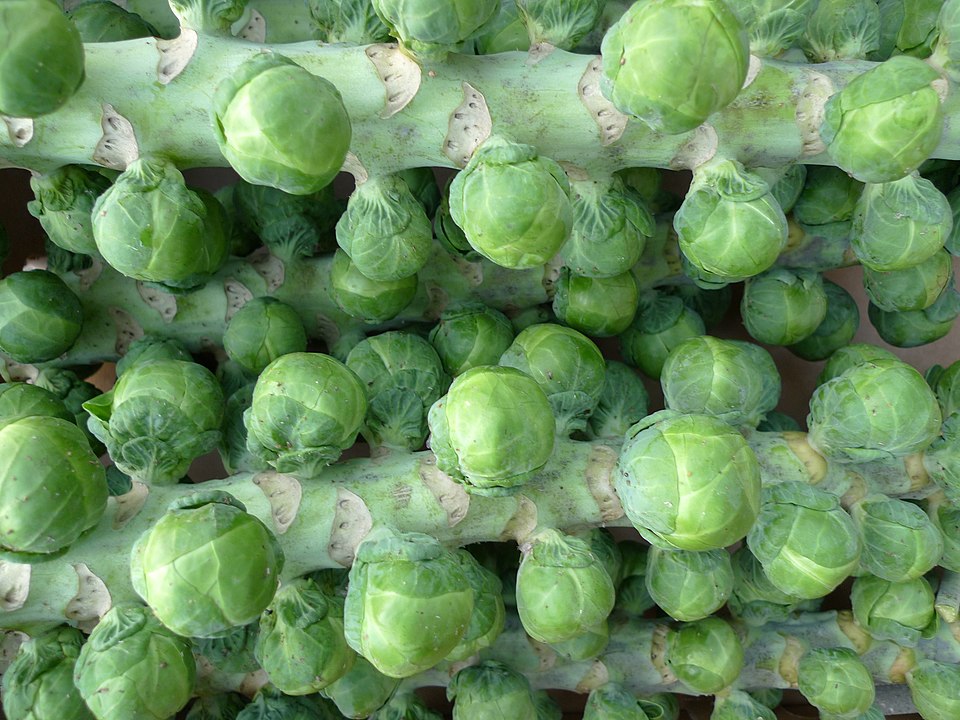
Brussel sprouts are small, leafy green vegetables that belong to the Brassica family, which also includes cabbage and broccoli. They are named after Brussels, Belgium, where they are believed to have been cultivated since the 16th century. Known for their slightly bitter flavor, they are often roasted, steamed, or sautéed as a side dish. Brussel sprouts are valued for their high nutritional content, including vitamins C and K.
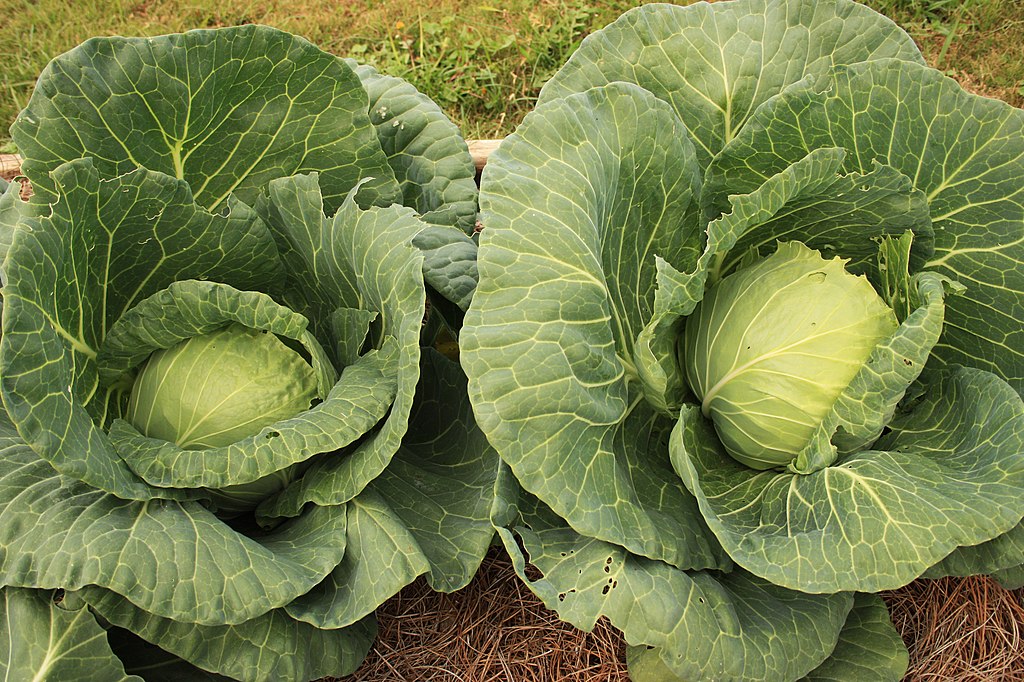
Cabbage is a leafy green, red, or white biennial plant grown as an annual vegetable crop. It is widely cultivated for its dense-leaved heads and is a staple in many cuisines around the world. Cabbage is known for its nutritional value, being rich in vitamins C and K. The plant has agricultural and culinary significance, with origins traced back to Europe.
Carrot is a root vegetable scientifically known as Daucus carota, commonly cultivated for its edible orange taproot. It is widely consumed around the world, both raw and cooked, and is valued for its high beta-carotene content, which the body converts to vitamin A. Carrots are believed to have originated in Persia and have been selectively bred for their sweetness and color. They are significant in agriculture and nutrition due to their versatility and health benefits.
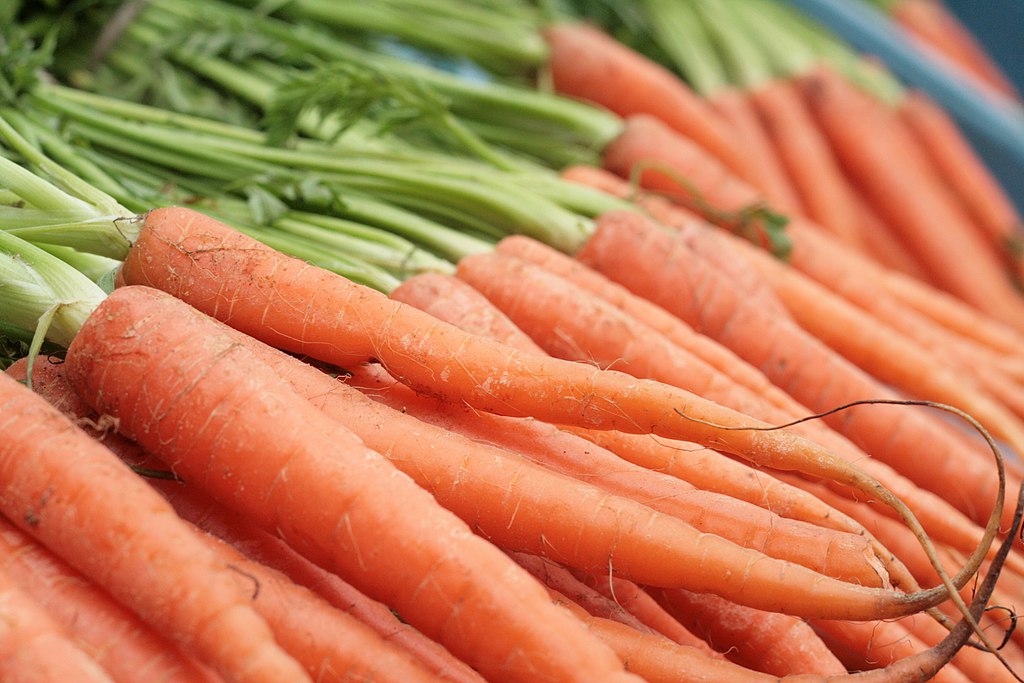
© Wikimedia.org/Kander, CC0
Cassava is a starchy root vegetable native to South America and widely cultivated in tropical regions. It is a major source of carbohydrates and serves as a staple food for millions of people, especially in Africa, Asia, and Latin America. Cassava is known for its versatility in cooking but must be properly prepared to remove naturally occurring toxins. It is also used to produce products like tapioca and flour.

© Wikimedia.org/Renatosjoao, CC BY-SA
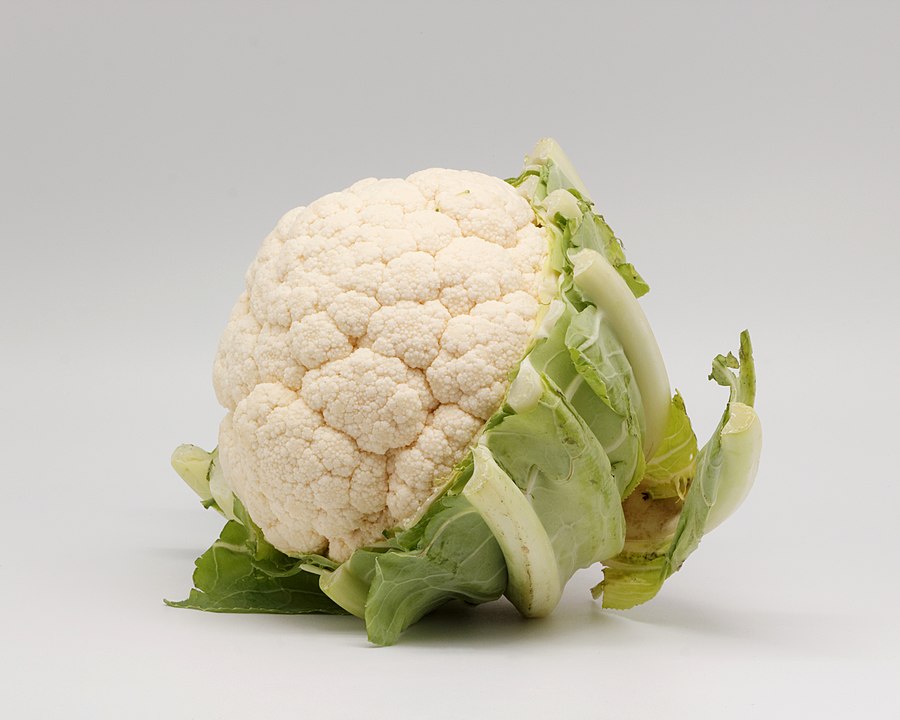
Cauliflower is a vegetable belonging to the Brassica family, which also includes broccoli, cabbage, and Brussels sprouts. It is cultivated for its edible white head, known as the curd, and is widely used in cooking around the world. Cauliflower is valued for its nutritional content and versatility in various cuisines.
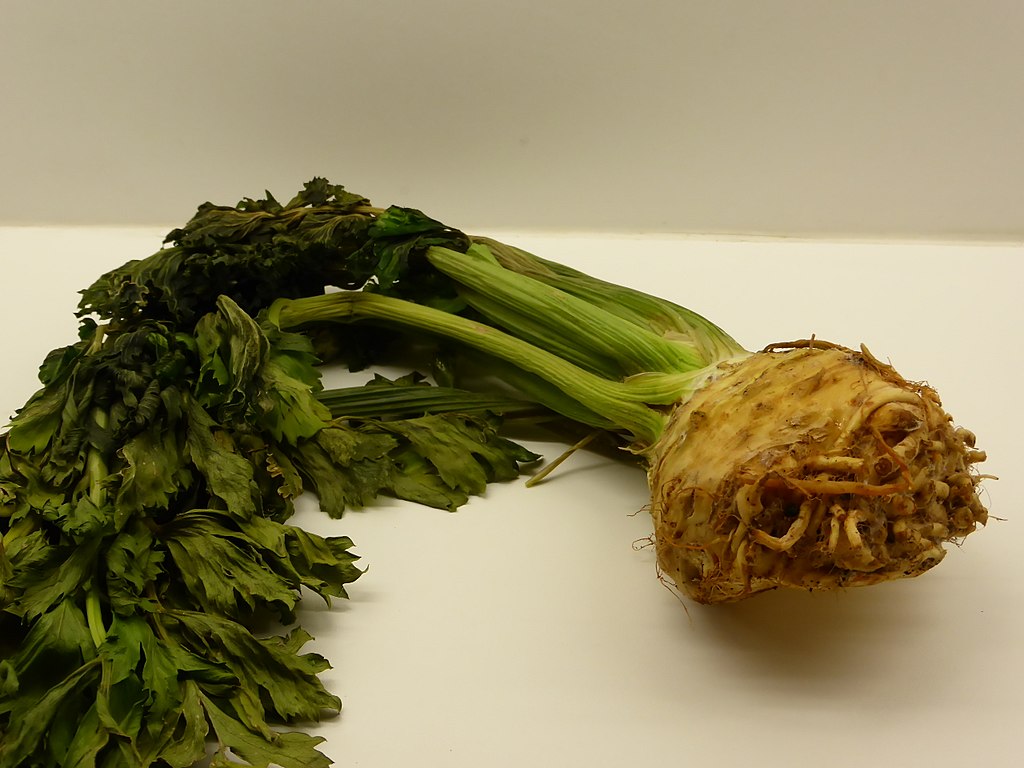
Celeriac, also known as celery root, is a root vegetable cultivated for its edible, knobby stem. It is commonly used in European cuisine, especially in soups, salads, and purees, due to its mild, celery-like flavor. Celeriac is valued for its nutritional content and versatility in cooking.
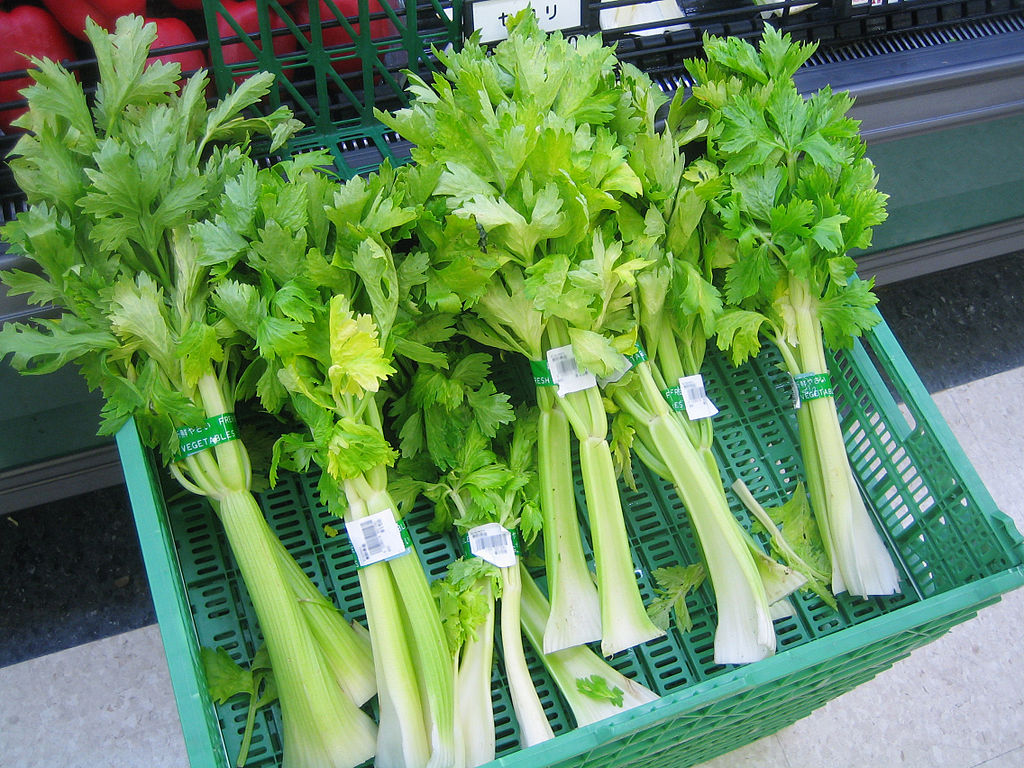
Celery is a crunchy, green vegetable belonging to the Apiaceae family, which also includes carrots and parsley. It is widely consumed raw or cooked and is valued for its low calorie content and high water content. Celery is commonly used in salads, soups, and as a flavoring in various cuisines. It is also recognized for its potential health benefits due to its fiber, vitamins, and antioxidants.
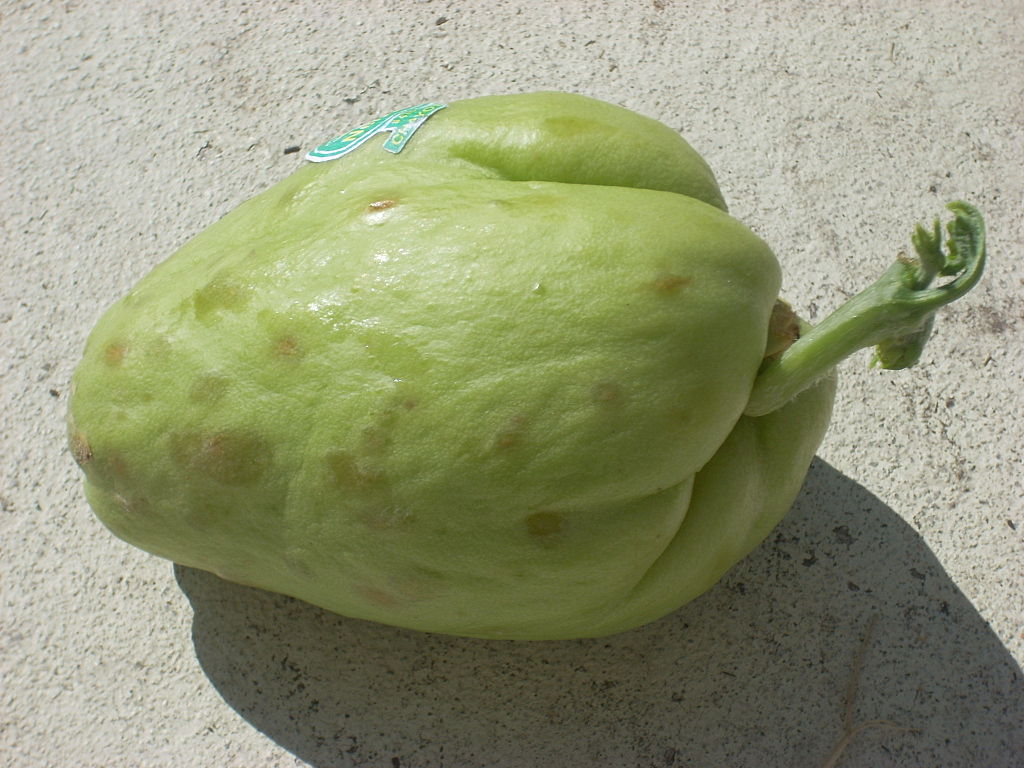
Chayote is a green, pear-shaped vegetable belonging to the gourd family, native to Central America. It is commonly used in a variety of dishes worldwide, valued for its mild flavor and crisp texture. Chayote is notable for its nutritional content and versatility in culinary applications.
Chicory is a perennial herbaceous plant in the dandelion family, native to Europe but now widespread in many regions. It is known for its bright blue flowers and its roots, which are often roasted and used as a coffee substitute or additive. Chicory is also cultivated as a leafy vegetable and forage crop, valued for its nutritional content.
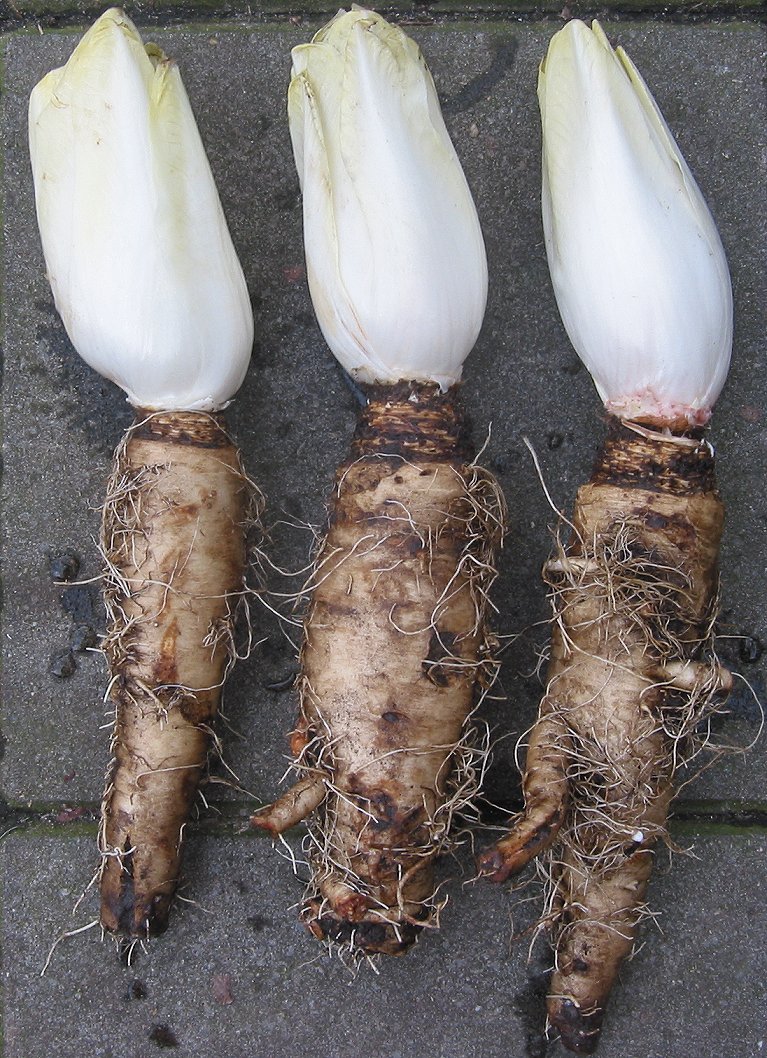
© Wikimedia.org/Michel Chauvet, CC BY-SA
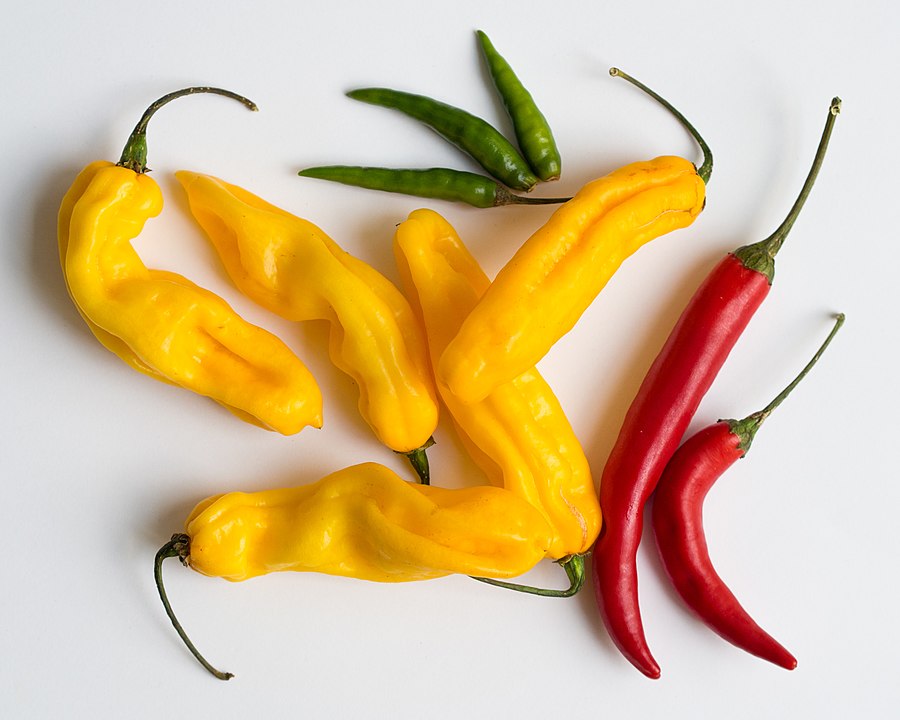
Chili pepper refers to the fruit of plants from the genus Capsicum, widely used as a spice and vegetable around the world. Originating in the Americas, chili peppers are known for their pungency, which comes from the compound capsaicin. They play a significant role in culinary traditions and have also been studied for their health effects.
Collards are a type of leafy green vegetable, botanically classified as Brassica oleracea, related to cabbage and kale. They are commonly grown and consumed in the southern United States, where they are a staple in traditional cuisine. Collards are valued for their nutritional content, especially vitamins A, C, and K. The leaves are typically cooked and served as a side dish.
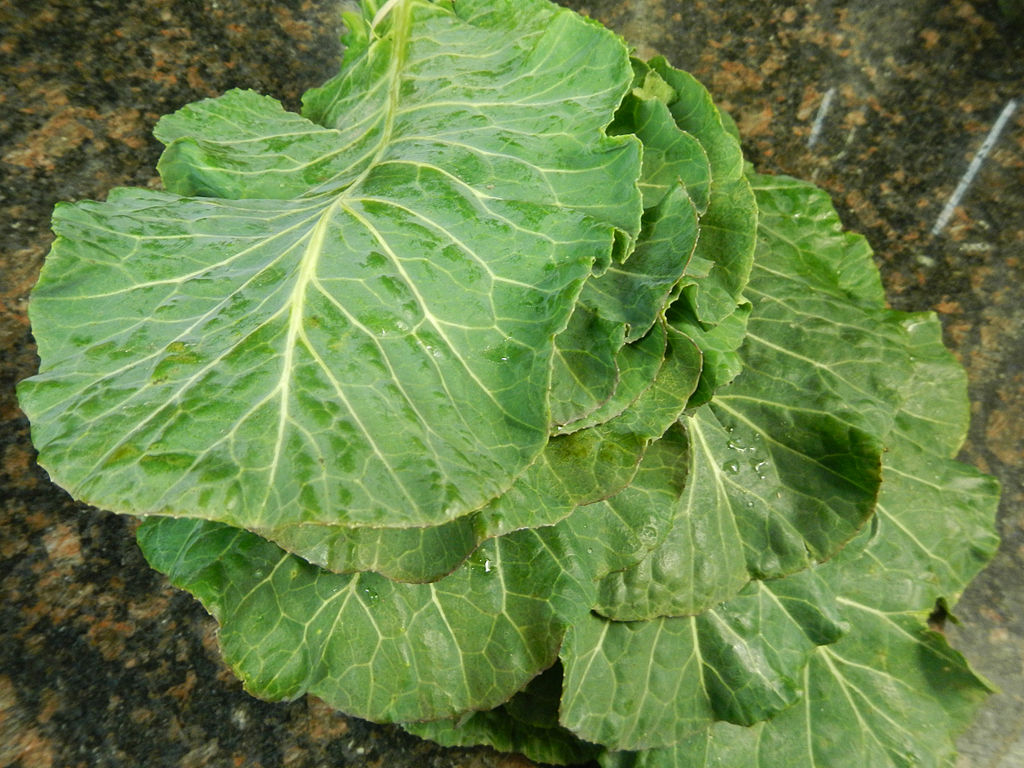
© Wikimedia.org/SaletteAndrews, CC BY-SA
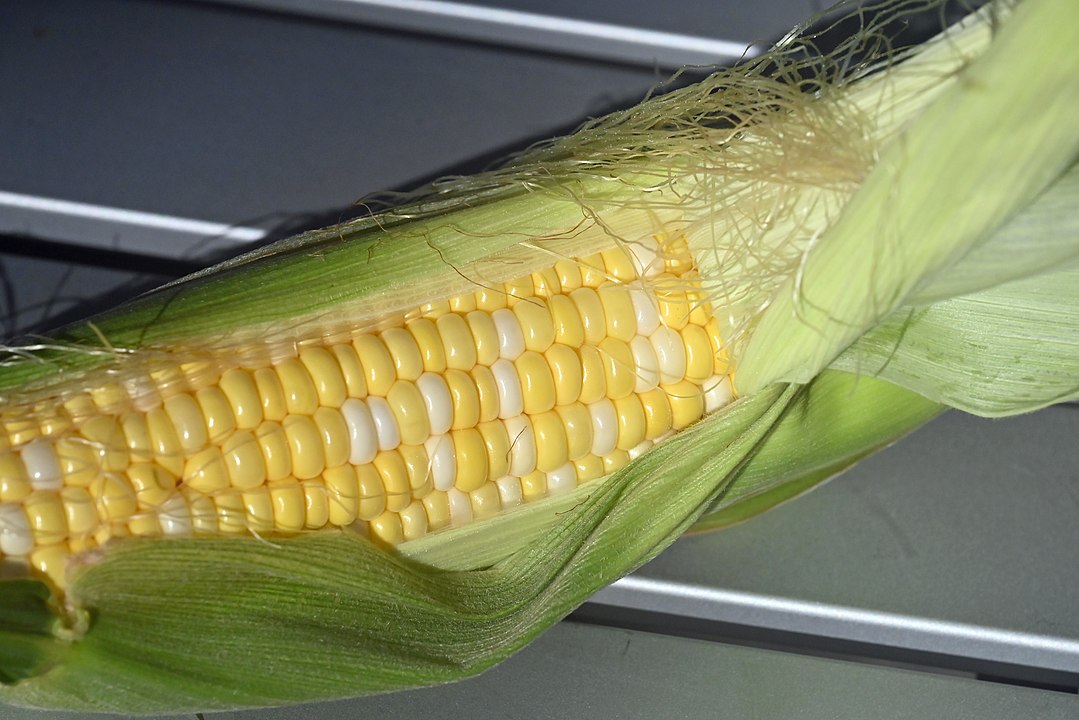
Corn, also known as maize, is a cereal plant that was first domesticated by indigenous peoples in southern Mexico about 10,000 years ago. It is widely cultivated around the world for its edible seeds and serves as a staple food, animal feed, and industrial raw material. Corn is significant in agriculture, food production, and biofuel industries.
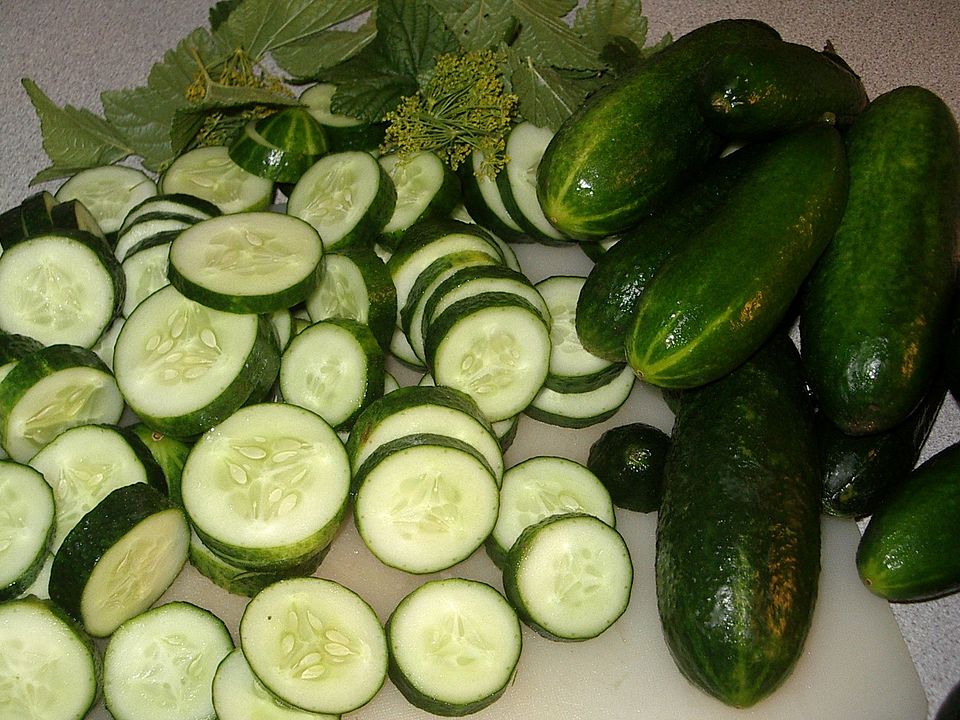
Cucumber is a widely cultivated plant in the gourd family, Cucurbitaceae, known for its edible, green-skinned fruit. Originating in South Asia, cucumbers are commonly eaten raw in salads or pickled. They are valued for their high water content and crisp texture, making them a popular ingredient in various cuisines. Cucumber plants are typically grown in temperate climates around the world.
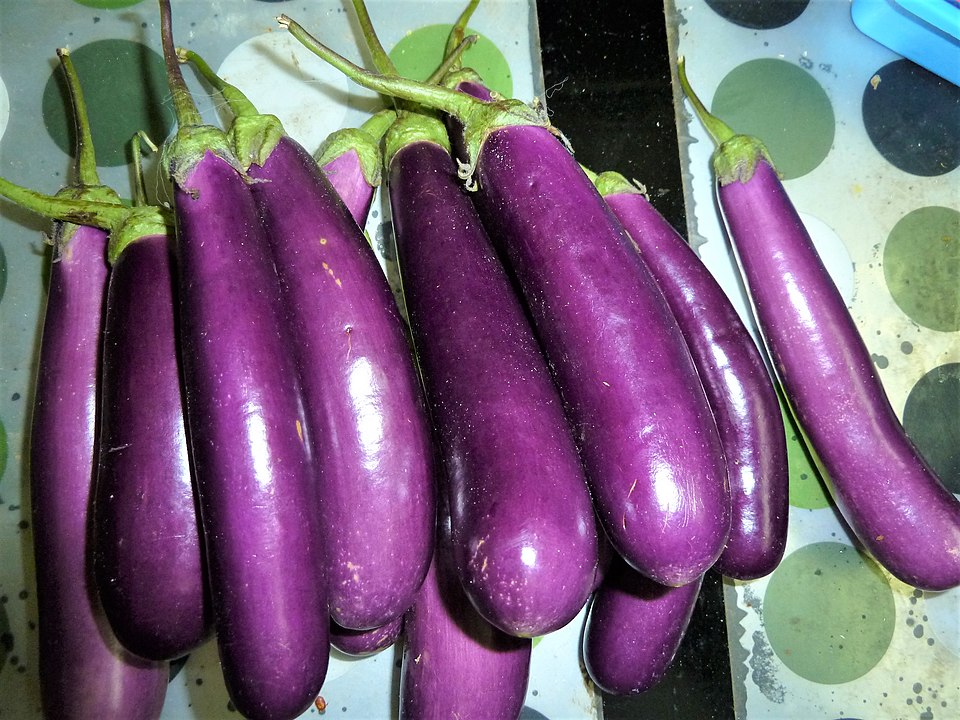
Eggplant, also known as aubergine, is a species of nightshade cultivated for its edible fruit. It is commonly used in cuisines around the world, including Mediterranean, Middle Eastern, and Asian dishes. Eggplant is valued for its versatility in cooking and its distinctive flavor and texture.
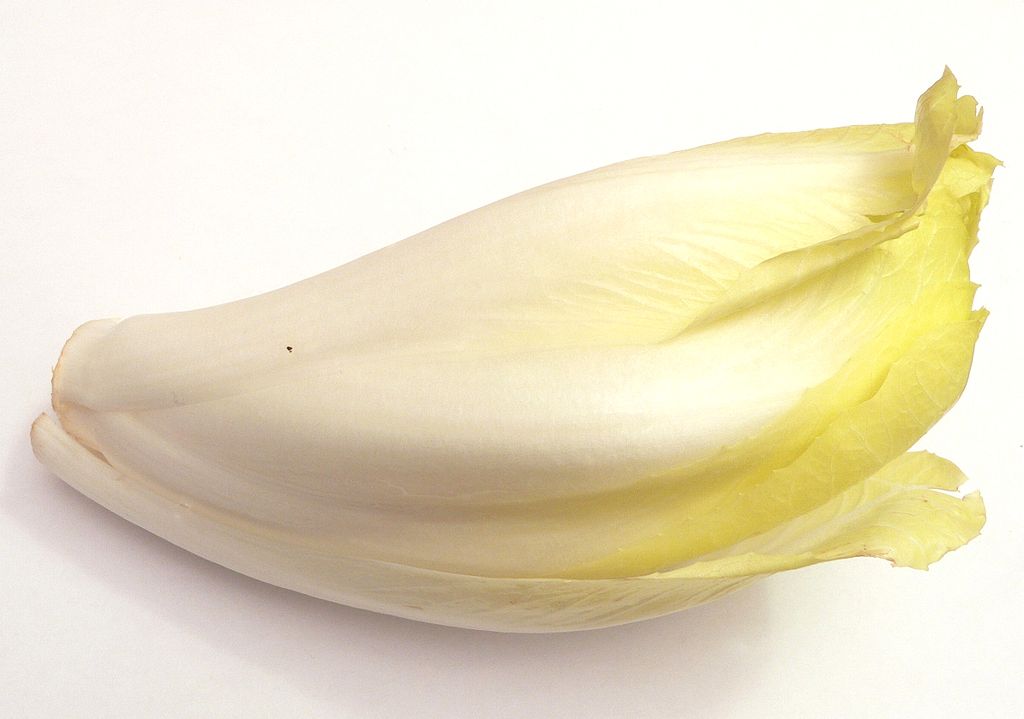
Endive is a leafy vegetable belonging to the chicory family, known for its slightly bitter flavor and crisp texture. It is commonly used in salads, appetizers, and as a garnish in various cuisines, particularly in European cooking. Endive can refer to several varieties, including Belgian endive and curly endive, each with distinct appearances and taste profiles. Its nutritional value and versatility make it a popular choice for healthy dishes.
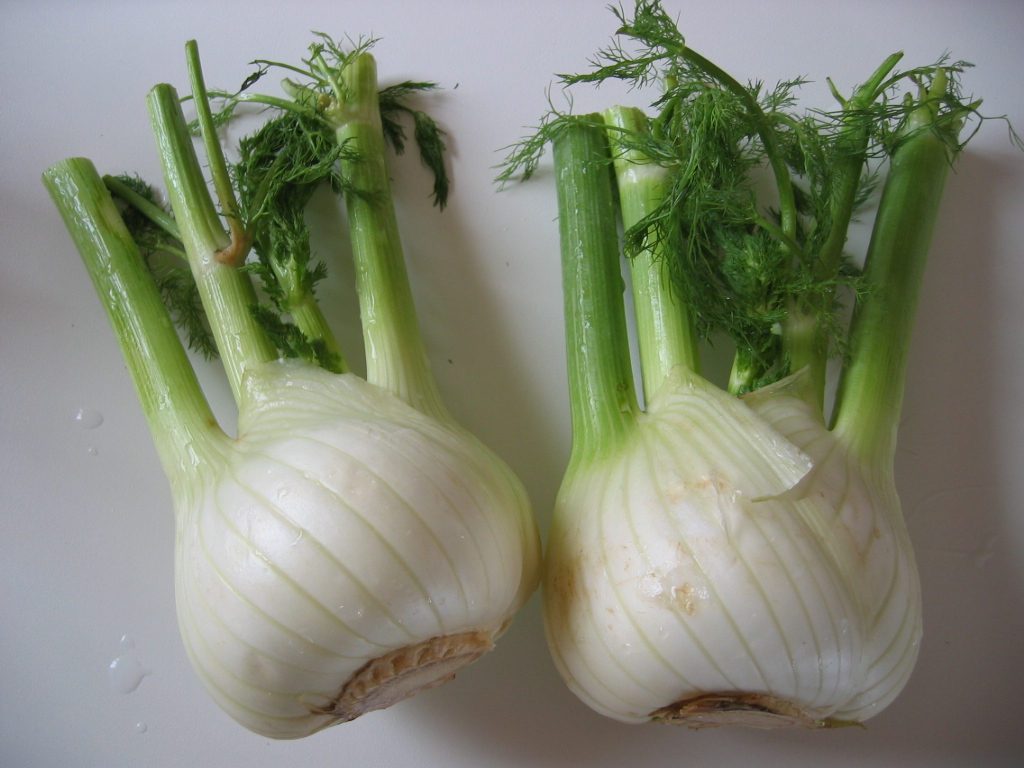
Fennel is a flowering plant species in the carrot family, scientifically known as Foeniculum vulgare. It is native to the Mediterranean region but is cultivated worldwide for its aromatic seeds and bulb, which are used in cooking and traditional medicine. Fennel is valued for its anise-like flavor and is a common ingredient in various cuisines. The plant is also known for its potential health benefits, including aiding digestion.
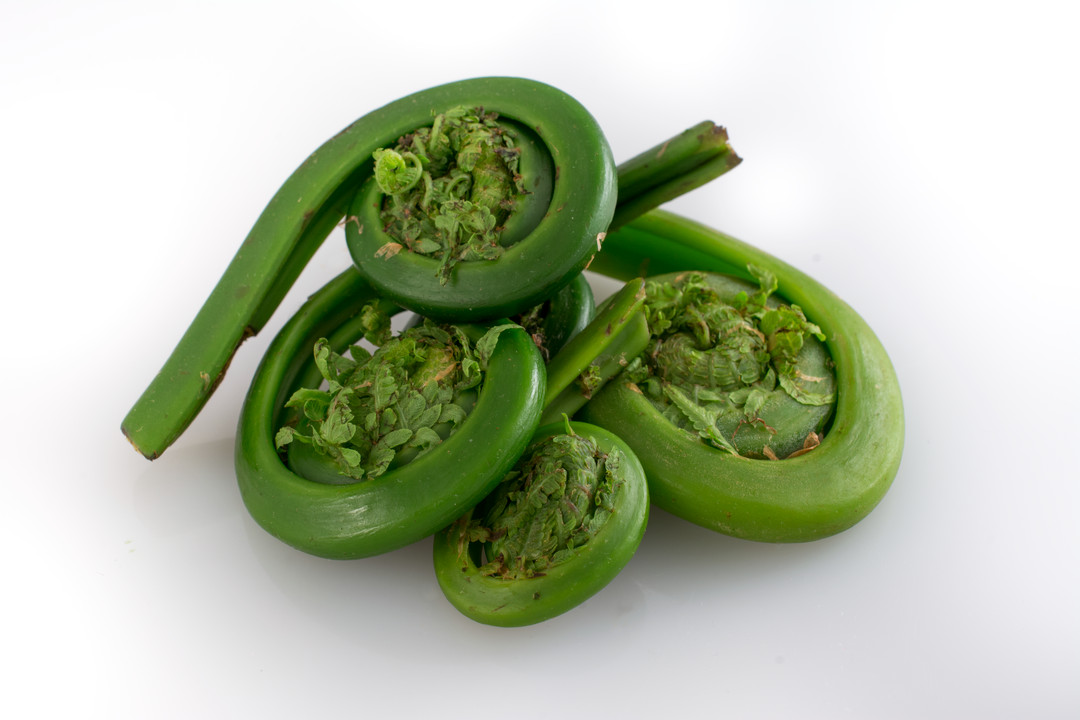
A fiddlehead is the young, coiled frond of a fern, harvested for use as a vegetable in various cuisines. It is named for its resemblance to the scroll of a violin or fiddle. Fiddleheads are valued for their unique flavor and nutritional content, and are commonly foraged in North America and Asia during spring.
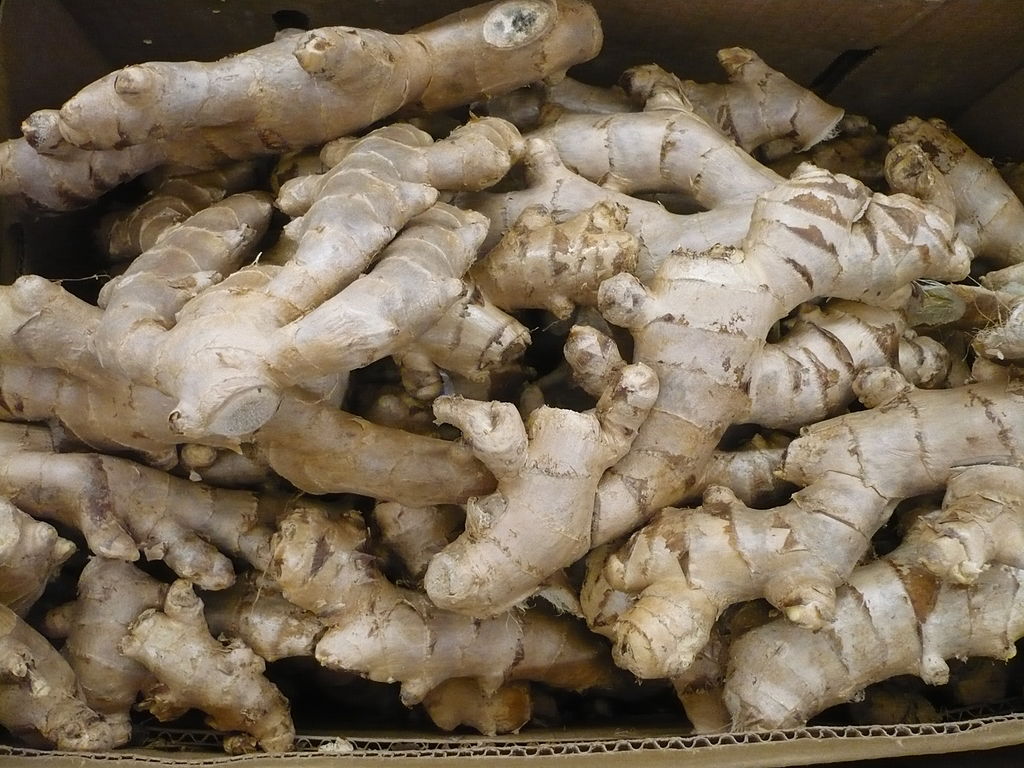
Ginger root is the underground stem of the plant Zingiber officinale, widely used as a spice and medicinal ingredient. It is known for its pungent flavor and aromatic qualities, making it a staple in many cuisines around the world. Ginger root is also valued for its potential health benefits, including aiding digestion and reducing inflammation.
Horseradish is a perennial plant grown primarily for its pungent root, which is used as a spice and condiment. It is native to southeastern Europe and western Asia and is commonly used in European and American cuisines. The root is known for its strong, spicy flavor when grated.

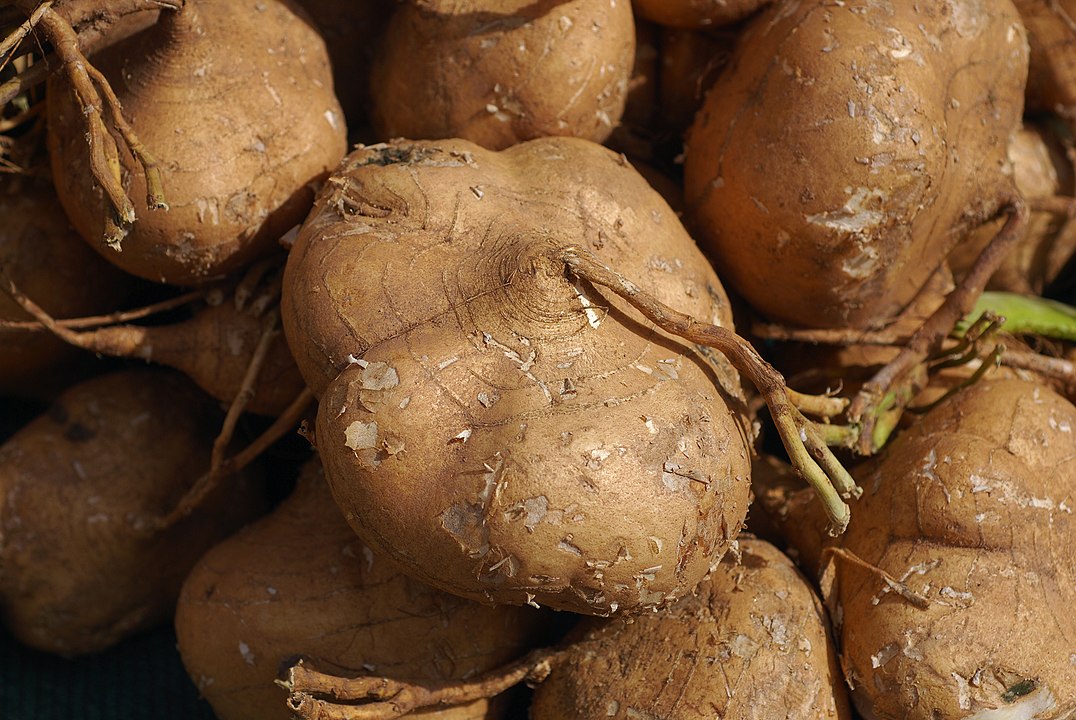
Jicama is a root vegetable native to Mexico and Central America, scientifically known as Pachyrhizus erosus. It is recognized for its crisp texture and mildly sweet, nutty flavor, often eaten raw or added to salads and stir-fries. Jicama is valued for its high water content and dietary fiber, making it a popular ingredient in healthy diets. It is commonly used in Latin American and Southeast Asian cuisines.
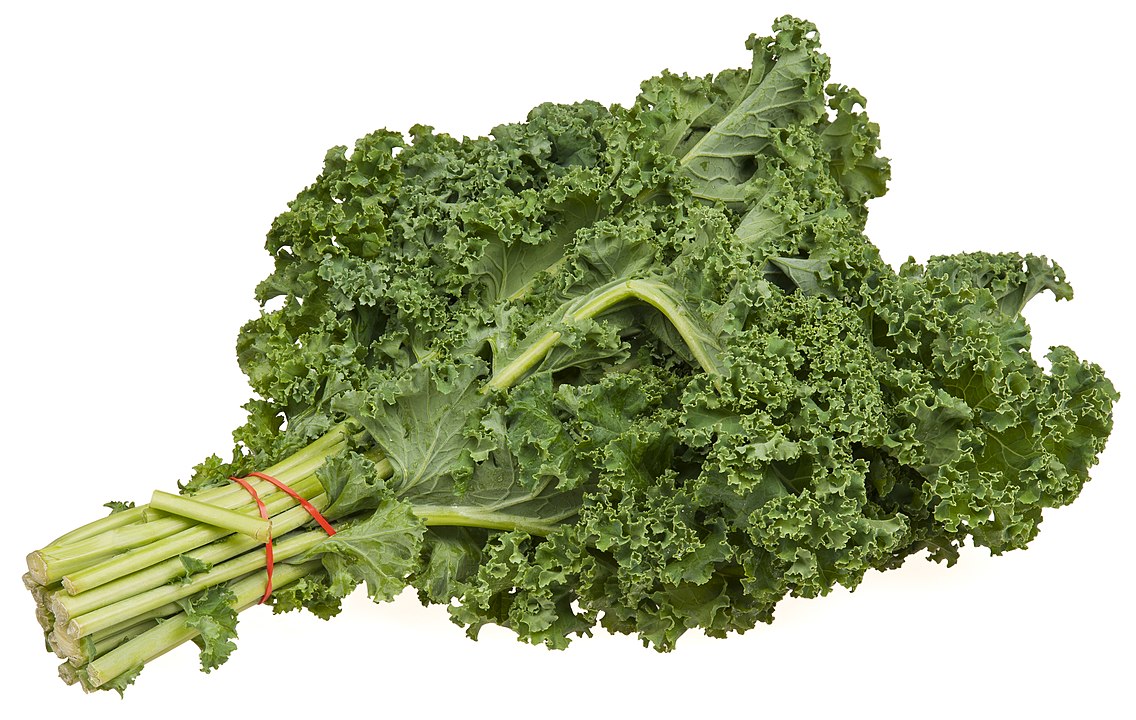
Kale is a leafy green vegetable belonging to the Brassica family, which also includes cabbage and broccoli. It is known for its high nutritional value, being rich in vitamins, minerals, and antioxidants. Kale has become popular in health-conscious diets around the world.
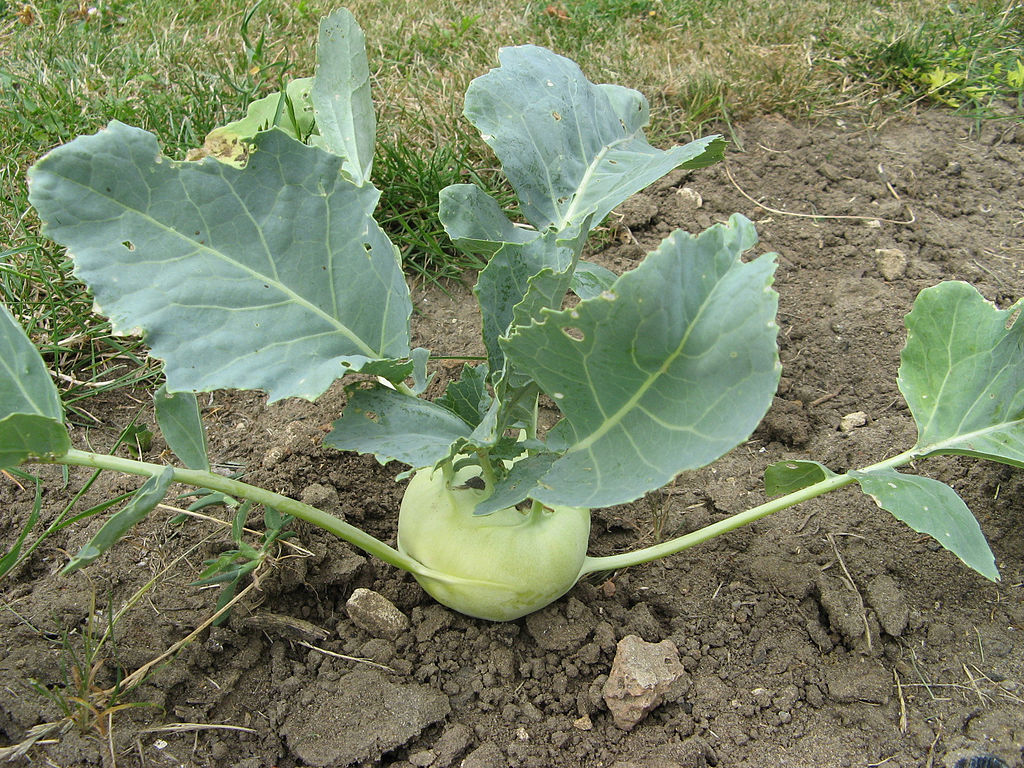
Kohlrabi is a vegetable belonging to the Brassica family, which also includes cabbage, broccoli, and kale. It is known for its bulbous stem, which can be eaten raw or cooked, and has a mild, slightly sweet flavor. Kohlrabi is cultivated in many parts of the world and is valued for its nutritional benefits, including dietary fiber and vitamin C. It is commonly used in salads, soups, and stir-fries.
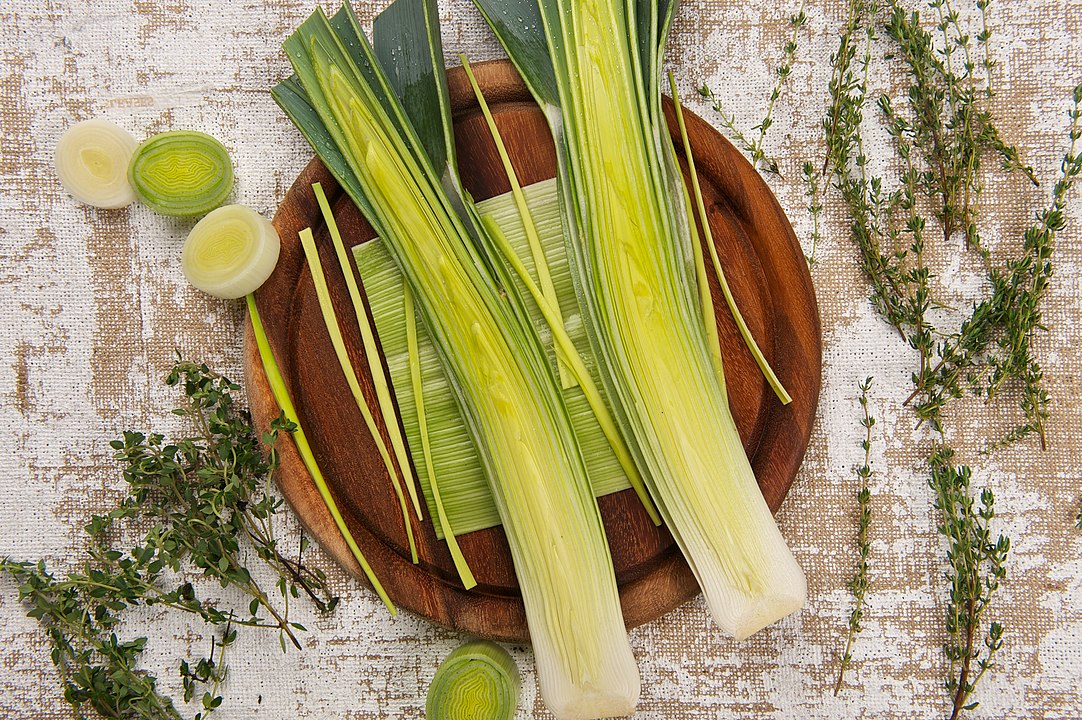
Leeks are a vegetable belonging to the Allium family, which also includes onions and garlic. They are known for their mild, sweet flavor and are commonly used in soups, stews, and other dishes. Leeks have been cultivated since ancient times and are particularly associated with Welsh cuisine and symbolism. They are significant in agriculture and culinary traditions.
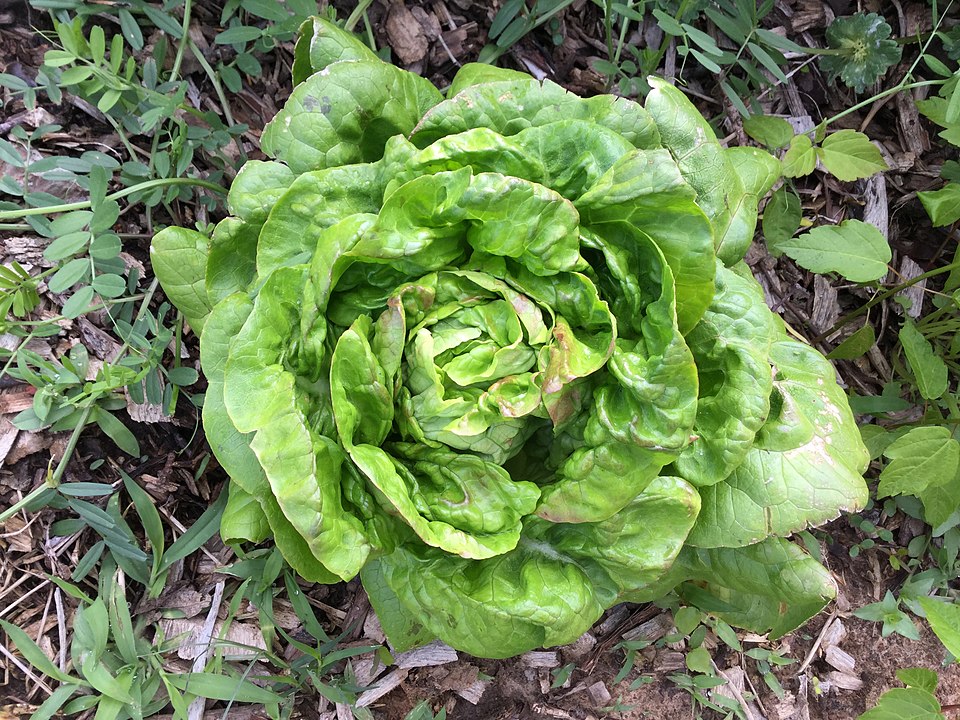
Lettuce is a leafy green vegetable commonly used in salads, sandwiches, and wraps. It is believed to have originated in the Mediterranean region and has been cultivated for thousands of years. Lettuce is valued for its crisp texture and mild flavor, and it is a significant source of vitamins and water in many diets.
A mushroom is the spore-producing fruiting body of certain fungi, commonly found in forests, grasslands, and gardens. Mushrooms are important in ecology as decomposers and are also widely used in cooking for their flavor and nutritional value. Some species are edible, while others are toxic or hallucinogenic.
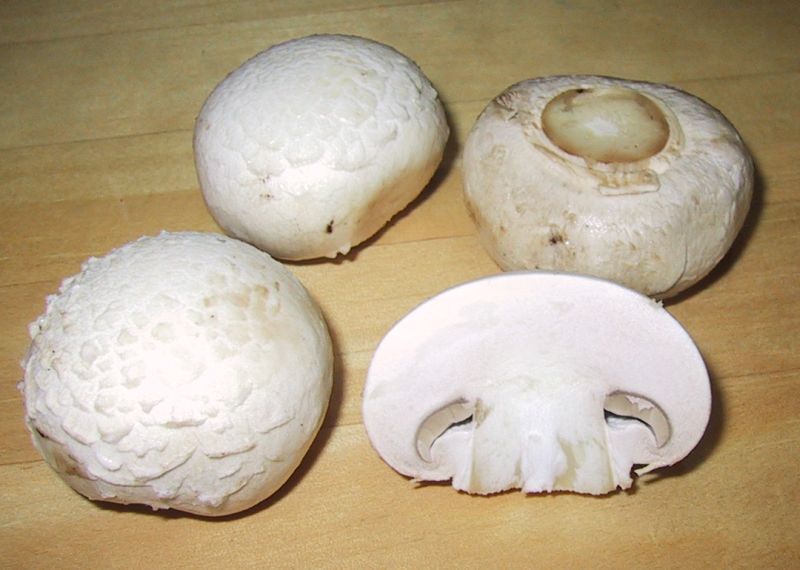
© Wikimedia.org/X-Javier, CC BY-SA
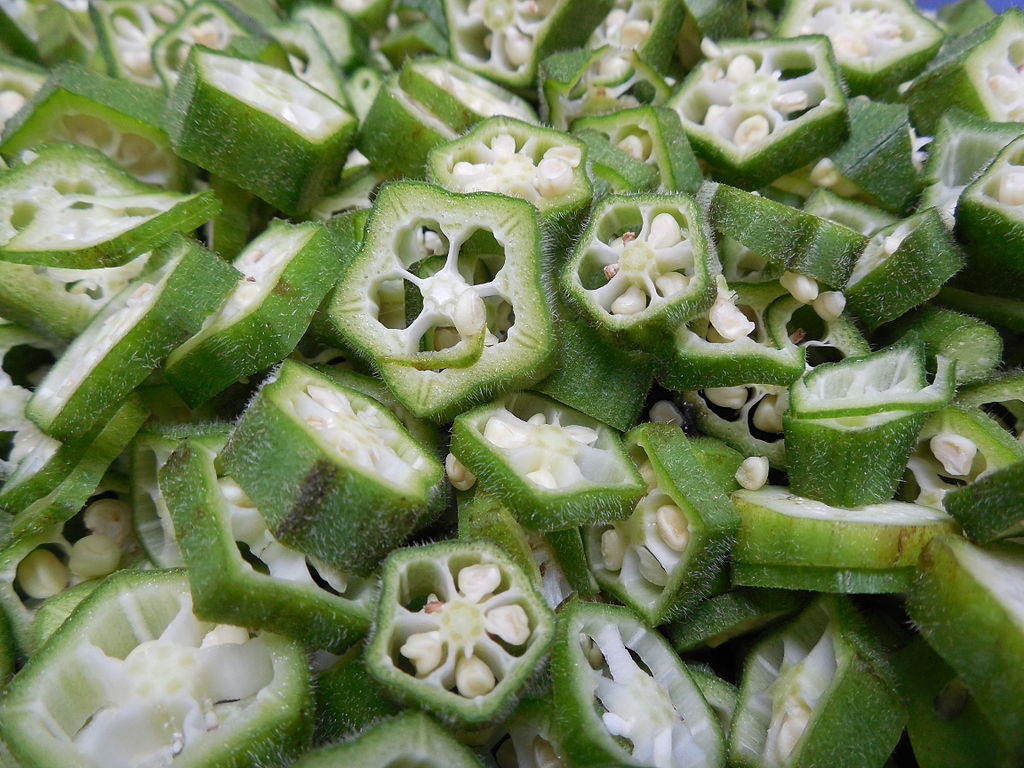
Okra is a flowering plant valued for its edible green seed pods, commonly used as a vegetable in cooking. Originating in Africa, it is now widely cultivated in warm climates around the world. Okra is known for its mucilaginous texture, which can thicken soups and stews, such as gumbo. It is also a source of dietary fiber, vitamins, and minerals.
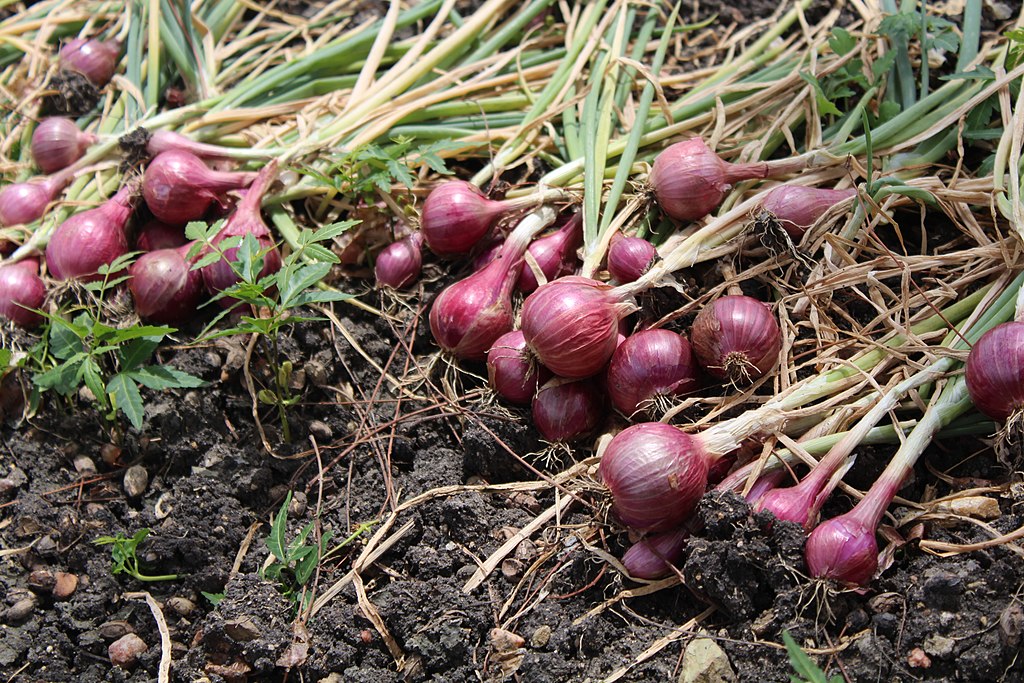
The onion is a widely cultivated vegetable belonging to the Allium genus, which also includes garlic and leeks. Known for its distinctive flavor and aroma, it is a staple ingredient in cuisines around the world. Onions are valued both for their culinary uses and their nutritional content, including vitamins and antioxidants.
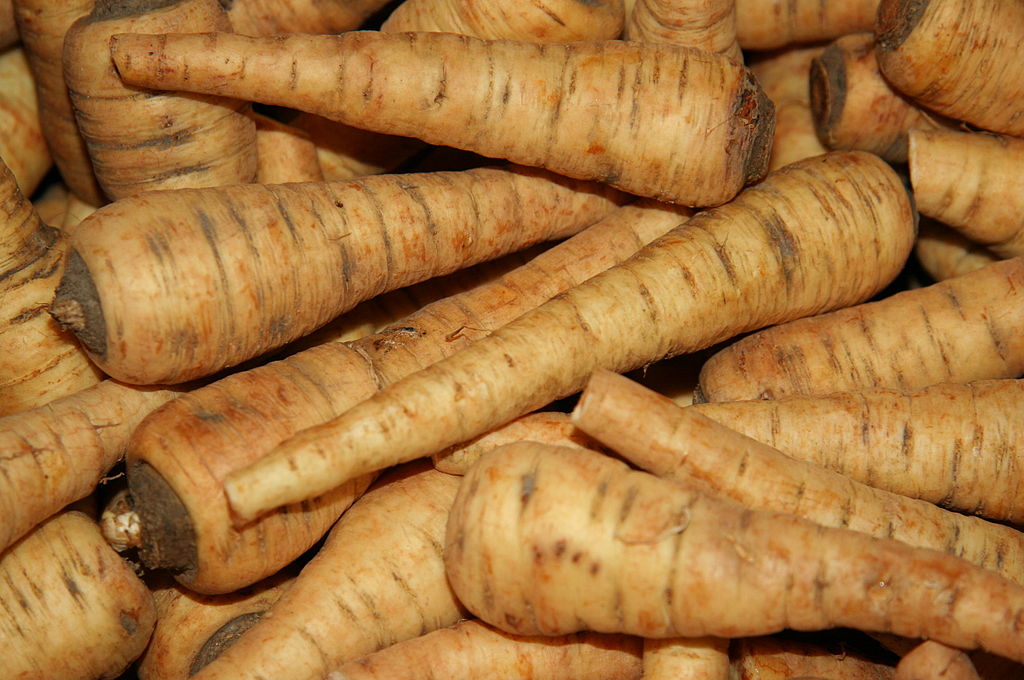
Parsnip is a root vegetable closely related to the carrot and native to Eurasia. It has a pale color and a sweet, nutty flavor, often used in cooking for soups, stews, and roasted dishes. Parsnips have been cultivated since ancient times and were a staple food in Europe before the introduction of the potato. They are valued for their nutritional content, including vitamins and dietary fiber.
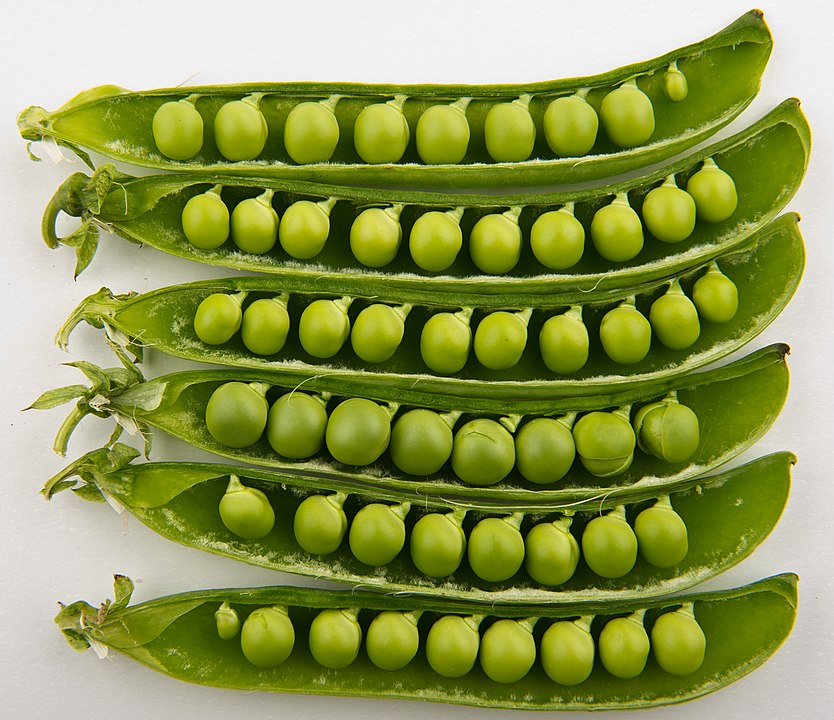
A pea is a small, round seed that comes from the Pisum sativum plant, which belongs to the legume family. Peas are cultivated worldwide for their edible seeds and pods, serving as a staple food source rich in protein and nutrients. They have been grown since ancient times and are significant in both culinary and agricultural contexts. Peas are also notable in the history of genetics, as Gregor Mendel used them in his foundational experiments.
The potato is a starchy tuberous crop from the plant species Solanum tuberosum, native to the Americas. It is one of the world's most widely grown and consumed food crops, serving as a staple food in many countries. Potatoes are valued for their versatility and nutritional content.
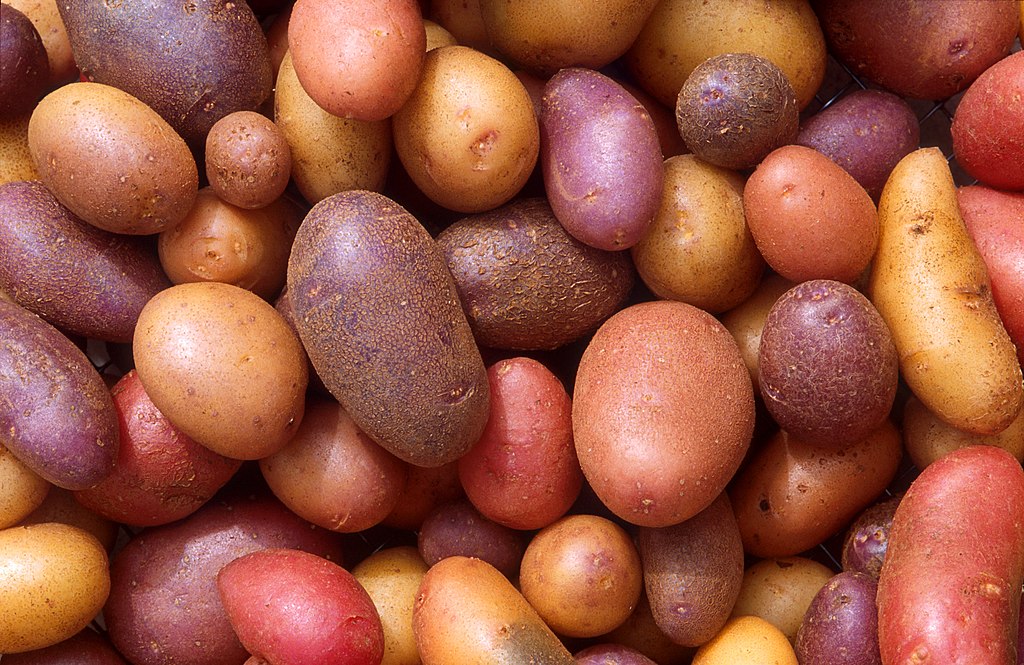
© Wikimedia.org/Scott Bauer, CC0
A pumpkin is a type of squash plant belonging to the species Cucurbita pepo, widely cultivated for its edible fruit. Pumpkins are known for their round shape, orange color, and use in cooking, especially in pies and soups. They are also culturally significant as symbols of autumn and are commonly used for decoration during Halloween.

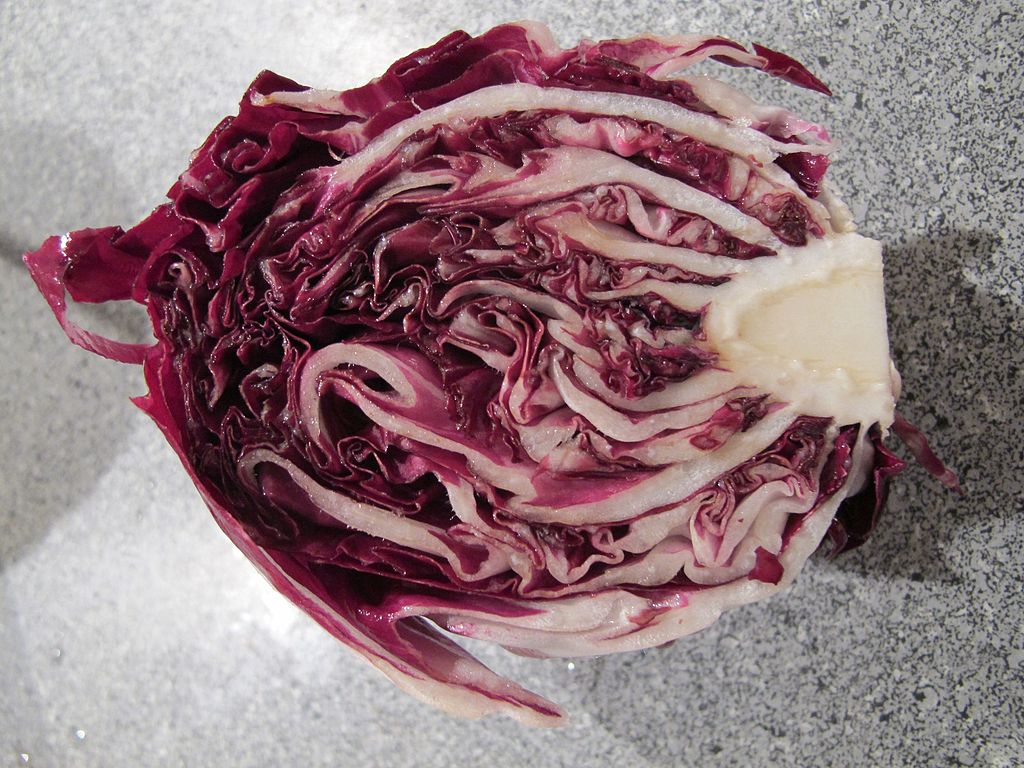
Radicchio is a leafy vegetable belonging to the chicory family, known for its deep red or purple leaves and slightly bitter flavor. It originated in Italy and is commonly used in salads, grilled dishes, and Italian cuisine. Radicchio is valued for its distinctive taste and nutritional content, including vitamins and antioxidants.