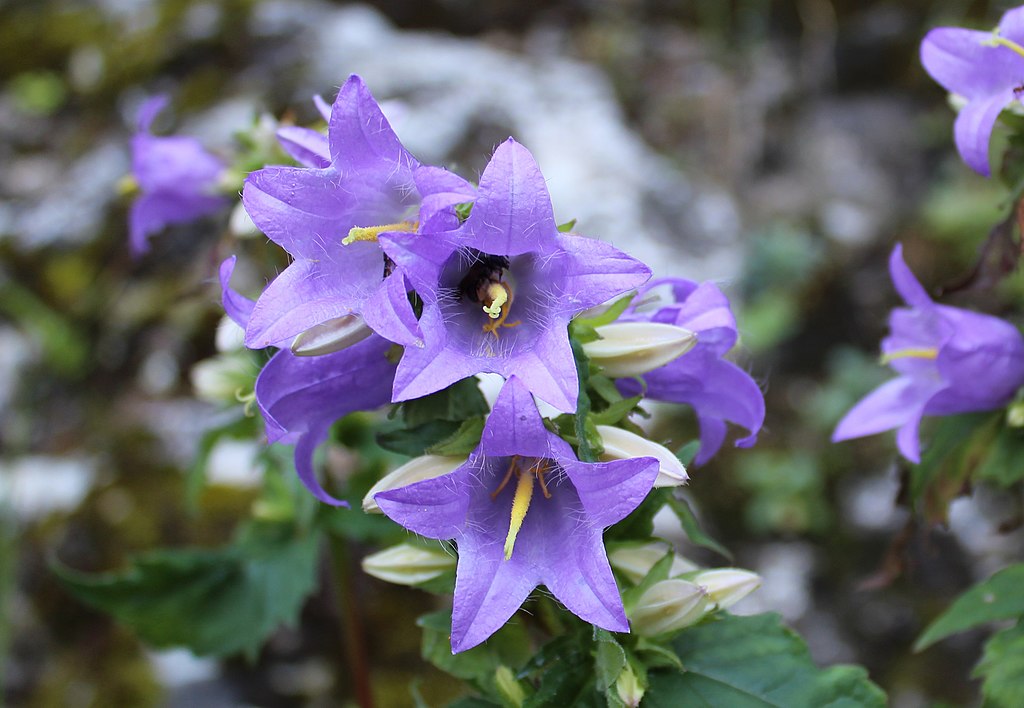
Aconitum is a genus of flowering plants in the buttercup family, commonly known as monkshood or wolfsbane. These plants are native to mountainous regions in the Northern Hemisphere and are recognized for their distinctive hood-shaped flowers. Aconitum species are highly toxic and have been used historically in traditional medicine and as poisons. Their toxicity and striking appearance make them notable in botany and folklore.
© Wikimedia.org/Boris Gaberšček, CC BY-SA
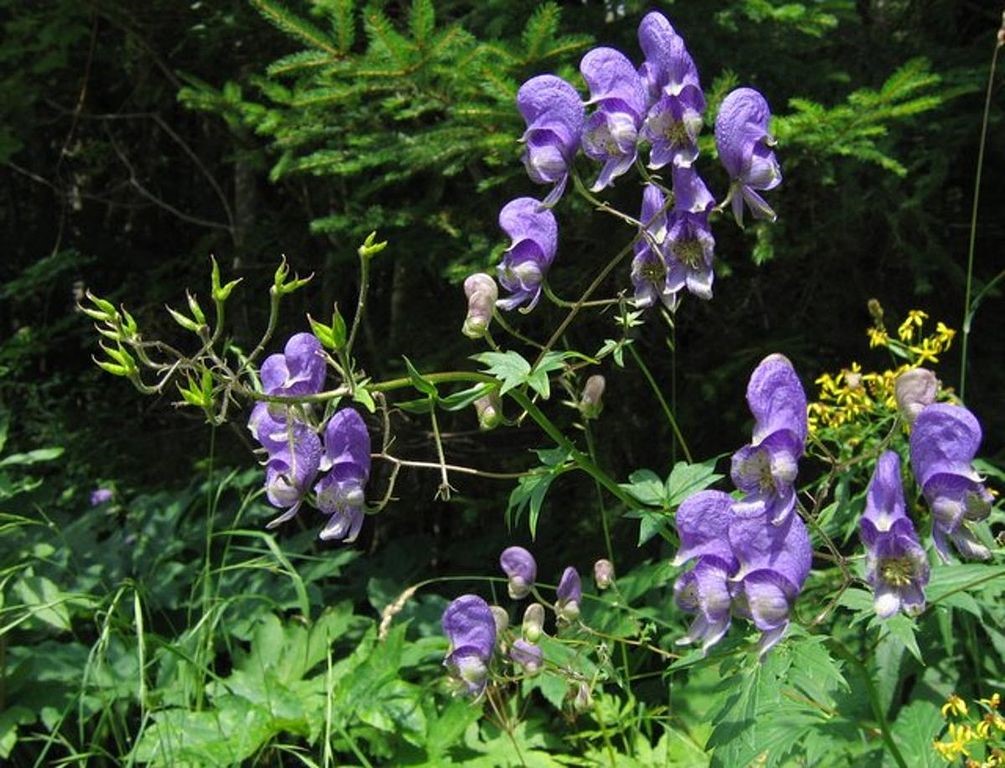
The African daisy refers to several species in the genus Osteospermum, native to southern Africa. These flowering plants are known for their vibrant, daisy-like blooms in a range of colors. African daisies are popular in horticulture for their drought tolerance and ornamental appeal.
© Wikimedia.org/Jon Sullivan, CC0
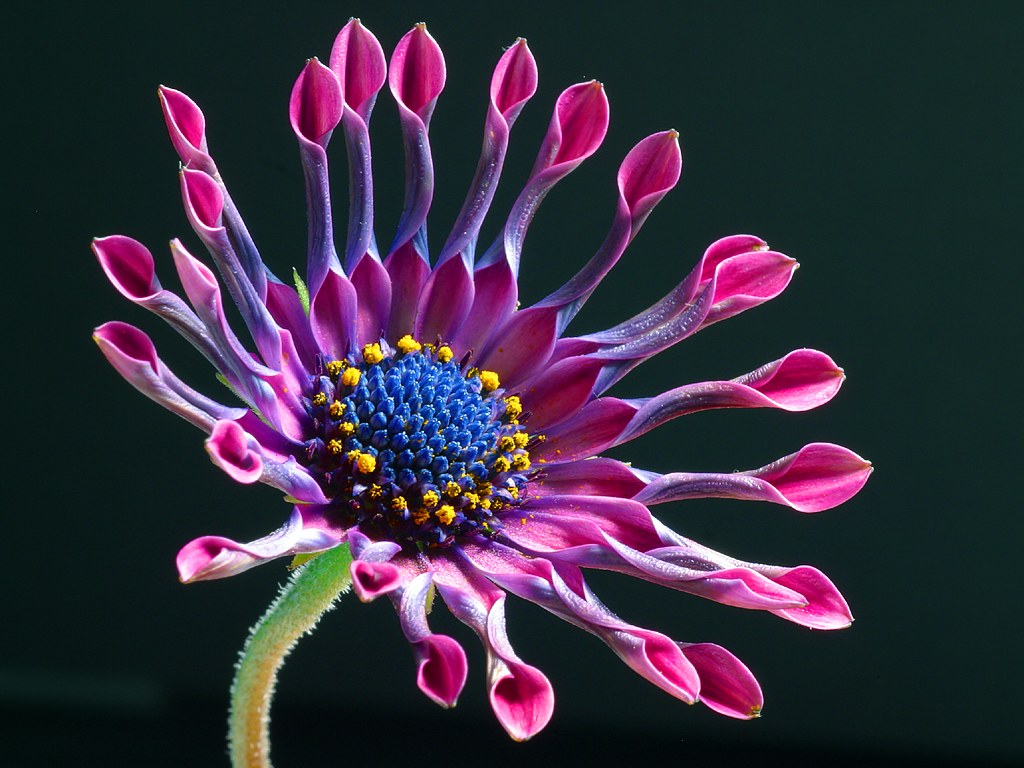
Agapanthus is a genus of flowering plants commonly known as African lilies or lily of the Nile. Native to southern Africa, these perennial plants are valued for their striking blue or white flowers that bloom in clusters atop tall stems. Agapanthus is widely cultivated in gardens and landscaping for its ornamental appeal and hardiness. The plant is significant in horticulture and garden design.
© Wikimedia.org/Victorrocha, CC BY-SA
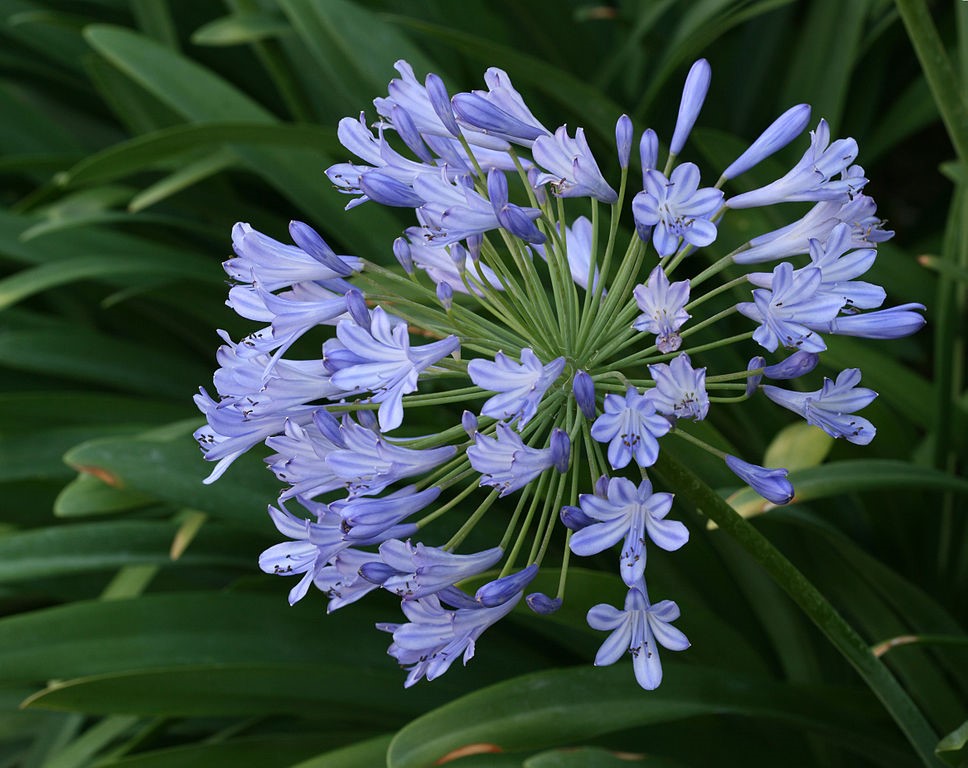
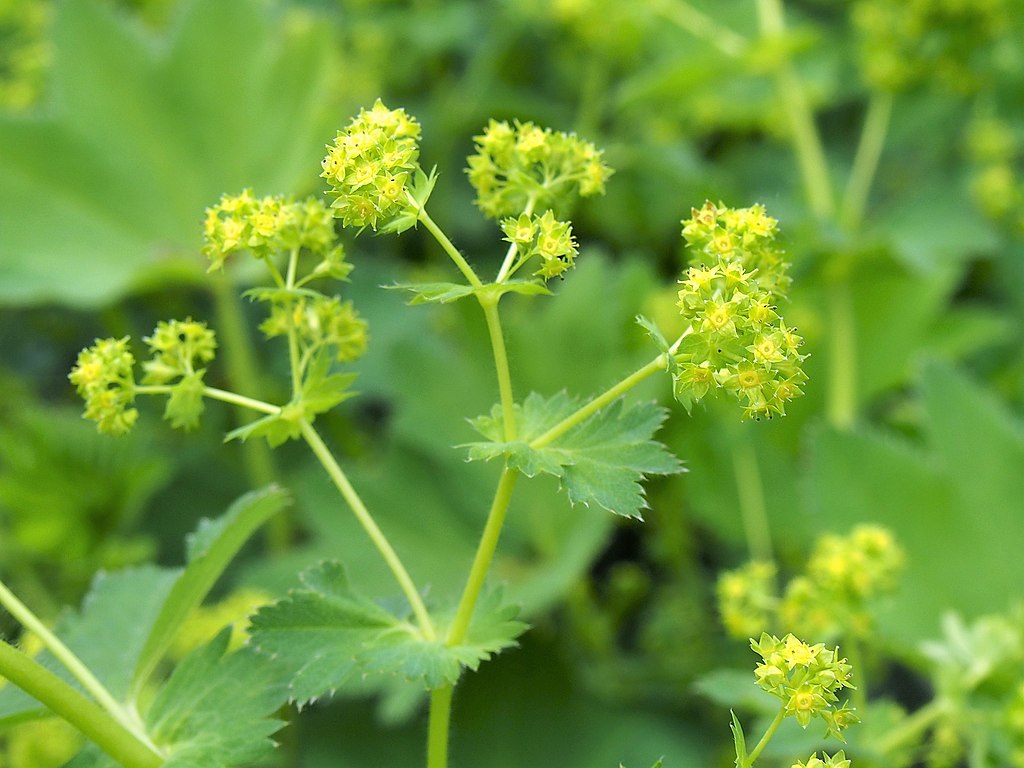
Alchemilla is a genus of herbaceous perennial plants commonly known as lady's mantle. It is native to temperate and subarctic regions of Europe and Asia and is known for its fan-shaped leaves that collect dew. Alchemilla has been used in traditional herbal medicine and is valued in gardens for its ornamental foliage. The genus is studied in botany for its diverse species and ecological adaptations.
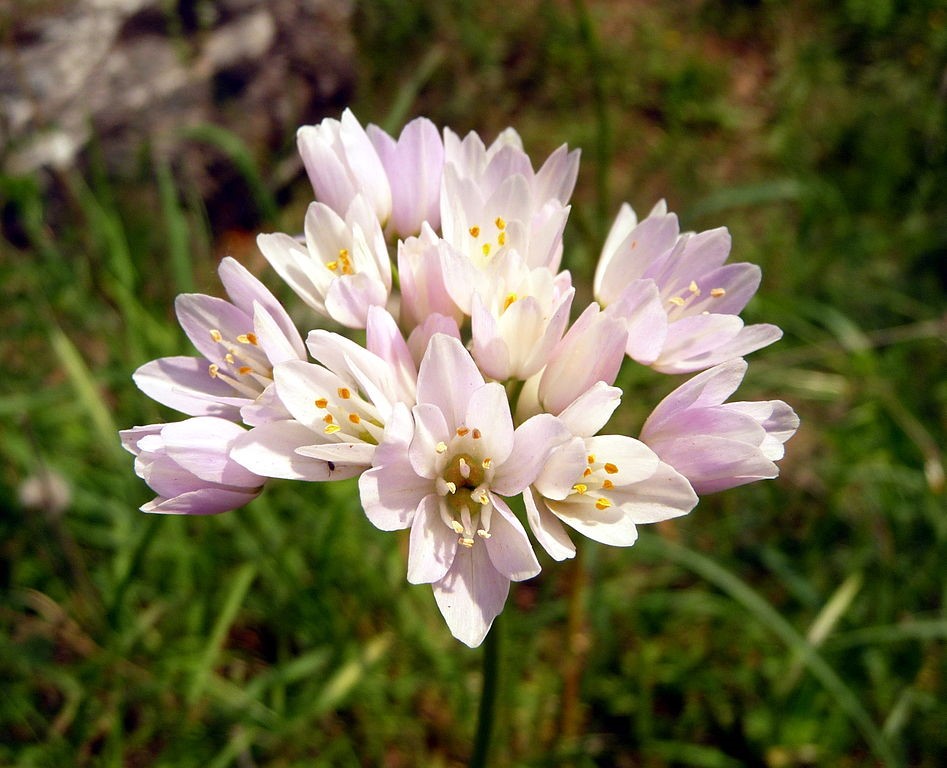
Allium roseum, commonly known as rosy garlic, is a species of flowering plant in the onion genus Allium. Native to the Mediterranean region, it is recognized for its pinkish flowers and mild garlic scent. The plant is cultivated for ornamental purposes and sometimes used in cooking. It is significant in botany for its unique appearance and adaptability.
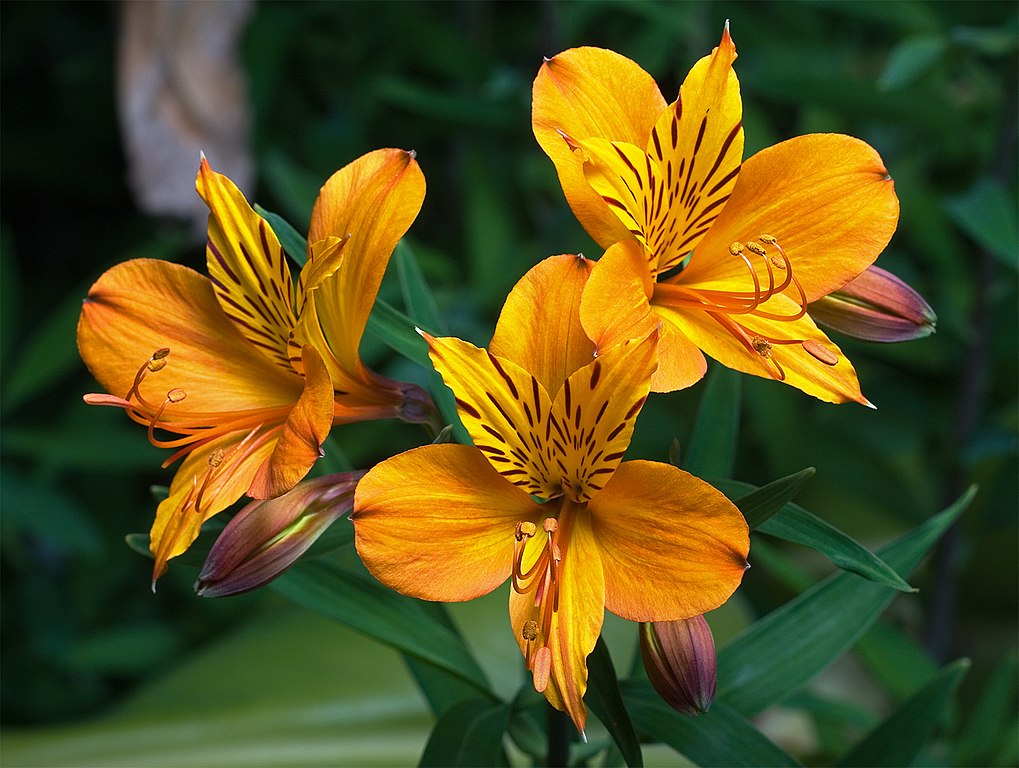
Alstroemeria, also known as the Peruvian lily or lily of the Incas, is a genus of flowering plants native to South America. It is widely cultivated for its colorful, long-lasting blooms, making it a popular choice in floral arrangements. Alstroemeria is valued for its ornamental appeal and is commonly found in gardens and bouquets.
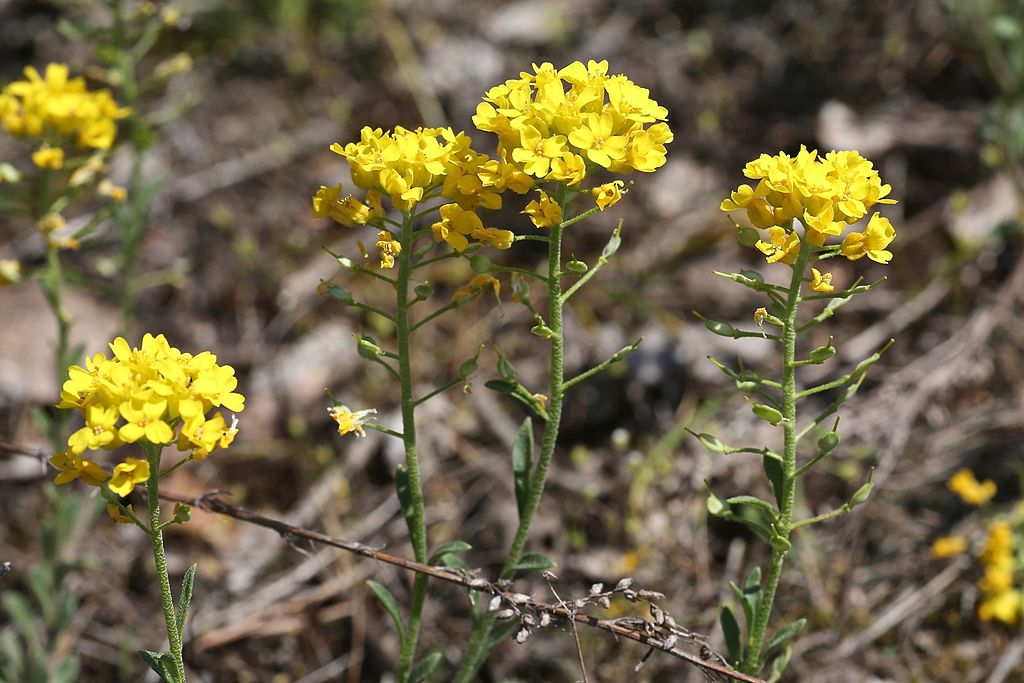
Alyssum is a genus of flowering plants in the family Brassicaceae, commonly grown for their small, fragrant flowers. Species such as sweet alyssum (Lobularia maritima) are popular in gardens and landscaping for their ability to form dense, low-growing mats. Alyssum is native to Europe, Asia, and northern Africa, and is appreciated for its long blooming period and ease of cultivation. It is often used as ground cover or in borders.
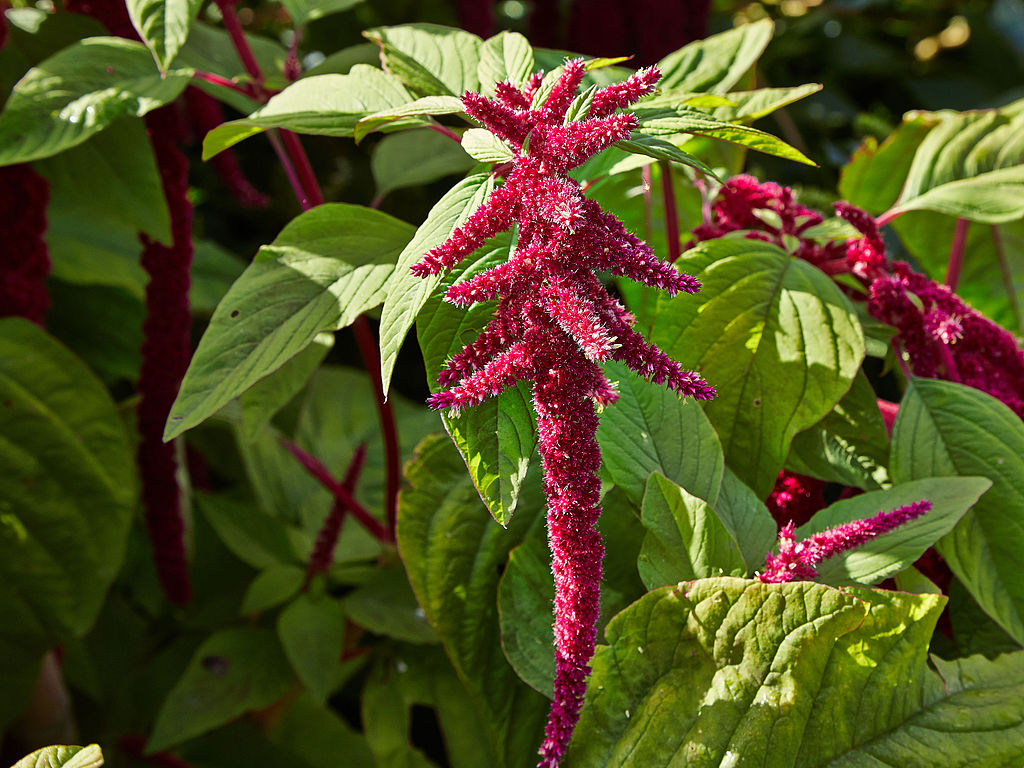
Amaranthus is a genus of plants that includes both ornamental species and edible varieties, such as amaranth grain and leafy greens. Originating from the Americas, it has been cultivated for thousands of years for its nutritional value and vibrant foliage. Amaranthus is significant in agriculture and horticulture, and some species are considered important pseudocereals.
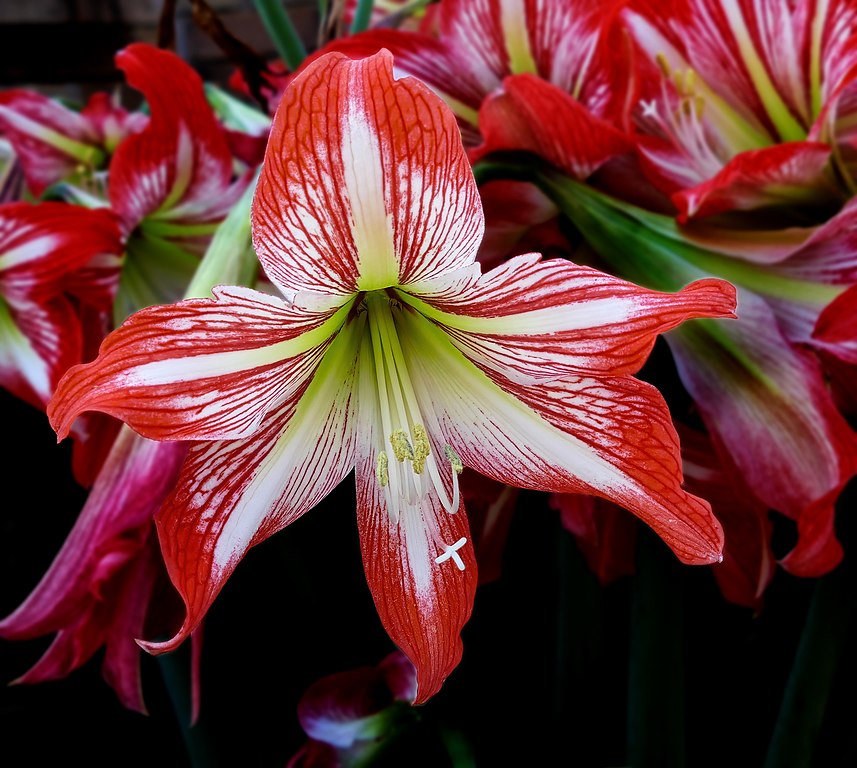
Amaryllis is a genus of flowering plants in the family Amaryllidaceae, native to South America. The most commonly cultivated species, Amaryllis belladonna, is known for its large, trumpet-shaped flowers that bloom in vibrant colors. Amaryllis is popular as an ornamental plant, especially during the winter holiday season. Its striking blooms and ease of cultivation make it a favorite among gardeners.
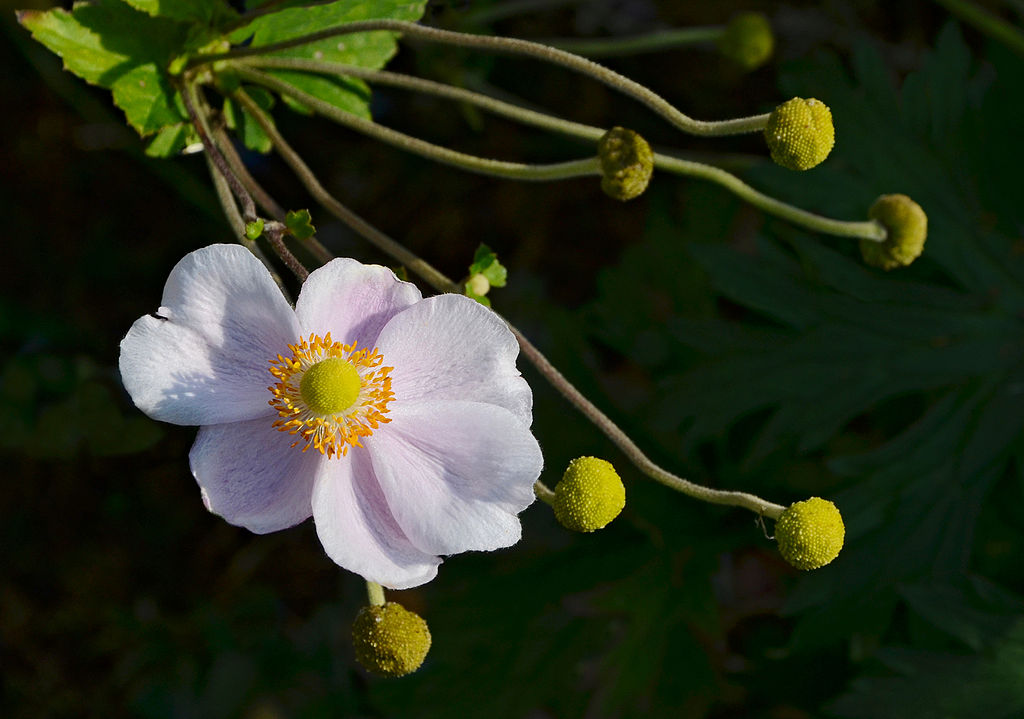
Anemone refers to a genus of flowering plants in the buttercup family, Ranunculaceae, as well as to sea anemones, which are marine animals. In the botanical context, anemones are known for their colorful, poppy-like flowers and are native to temperate regions. Sea anemones, on the other hand, are predatory animals related to corals and jellyfish, recognized for their tentacles and vibrant appearance. Both types are significant in their respective fields for their ecological roles and aesthetic value.
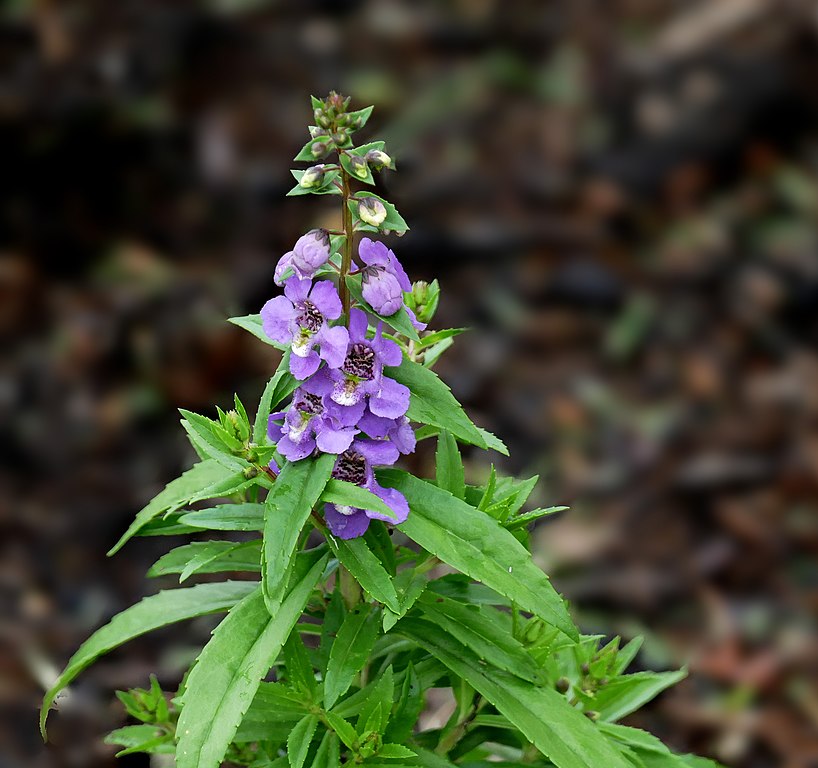
Angelonia is a genus of flowering plants in the family Plantaginaceae, native to Central and South America. These plants are known for their upright growth and colorful, snapdragon-like flowers that bloom throughout the summer. Angelonia is popular in horticulture and landscaping for its resilience and ornamental value. It is often used in garden beds, borders, and containers.
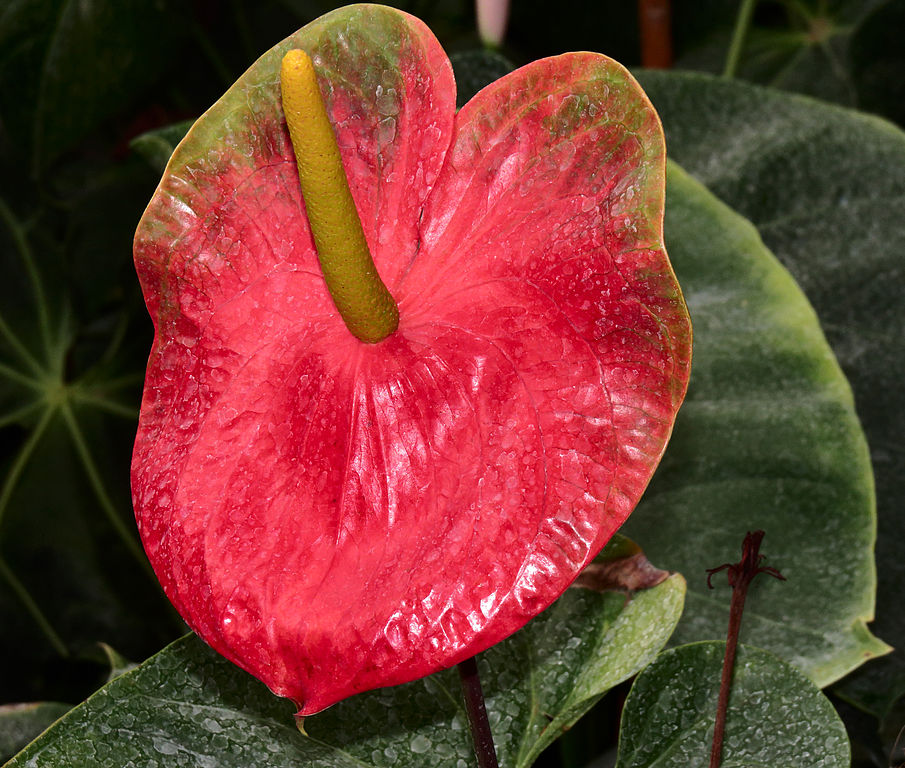
Anthurium is a genus of flowering plants in the family Araceae, native to the Americas. It is known for its brightly colored spathes and ornamental leaves, making it a popular choice in horticulture and floral arrangements. Anthuriums are commonly grown as houseplants and are valued for their long-lasting flowers.
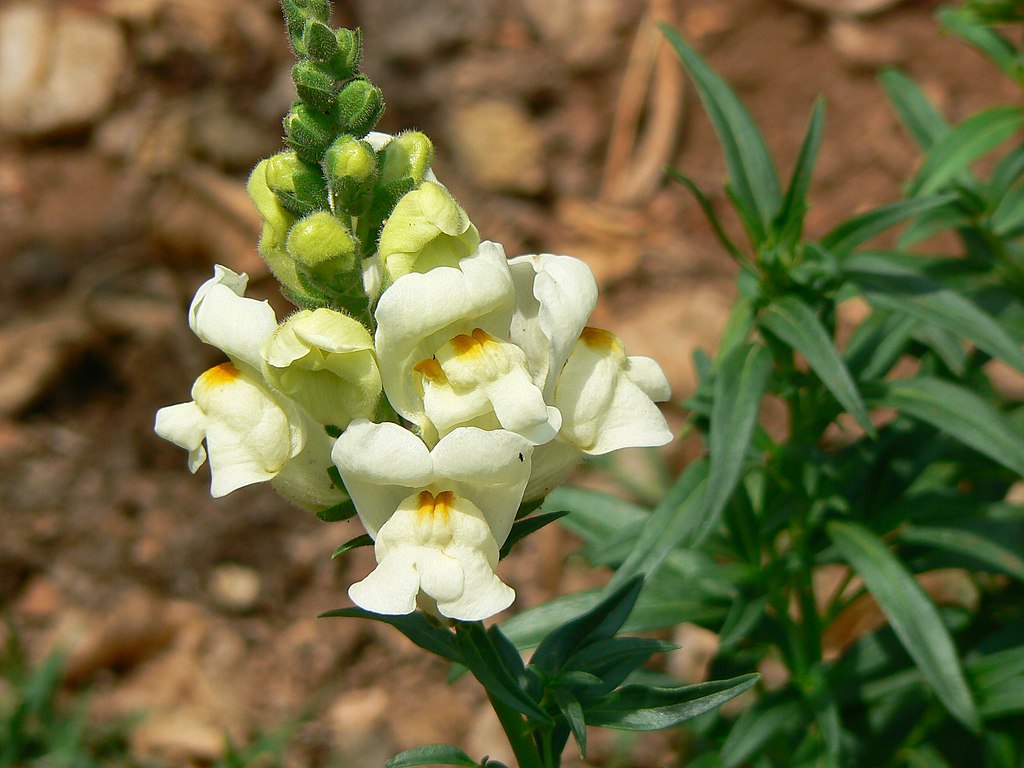
Antirrhinum majus, commonly known as the snapdragon, is a flowering plant species native to the Mediterranean region. It is widely cultivated as an ornamental garden plant due to its colorful, dragon-shaped flowers that 'snap' open when squeezed. The species is significant in horticulture and plant genetics research.
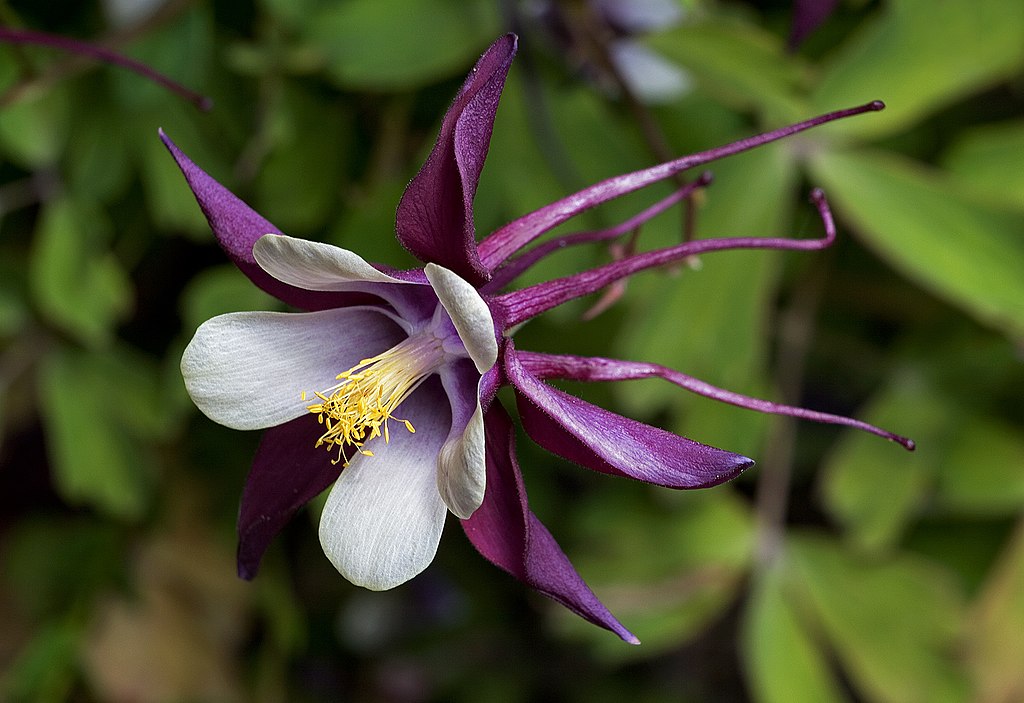
Aquilegia is a genus of perennial flowering plants commonly known as columbines, found in temperate regions of the Northern Hemisphere. These plants are known for their distinctive, spurred flowers and are popular in gardens for their ornamental value. Aquilegia species are significant in horticulture and are appreciated for their variety of colors and forms.
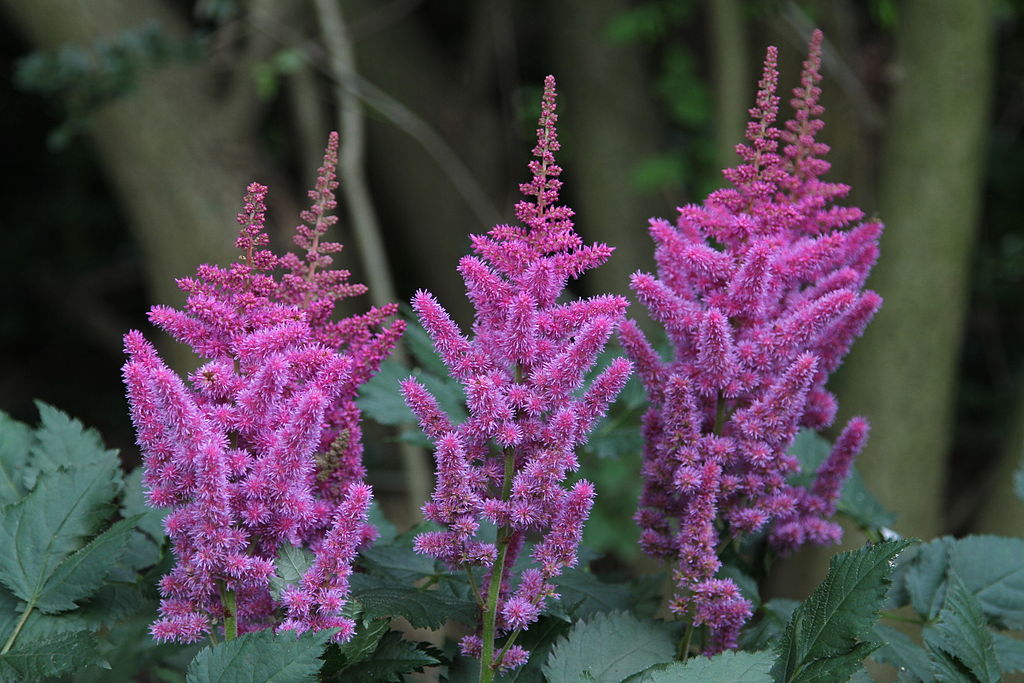
Astilbe is a genus of perennial flowering plants native to Asia and North America. It is valued in horticulture for its feathery plumes of flowers and its ability to thrive in shady garden areas. Astilbe is commonly used in ornamental landscaping due to its colorful blooms and attractive foliage.
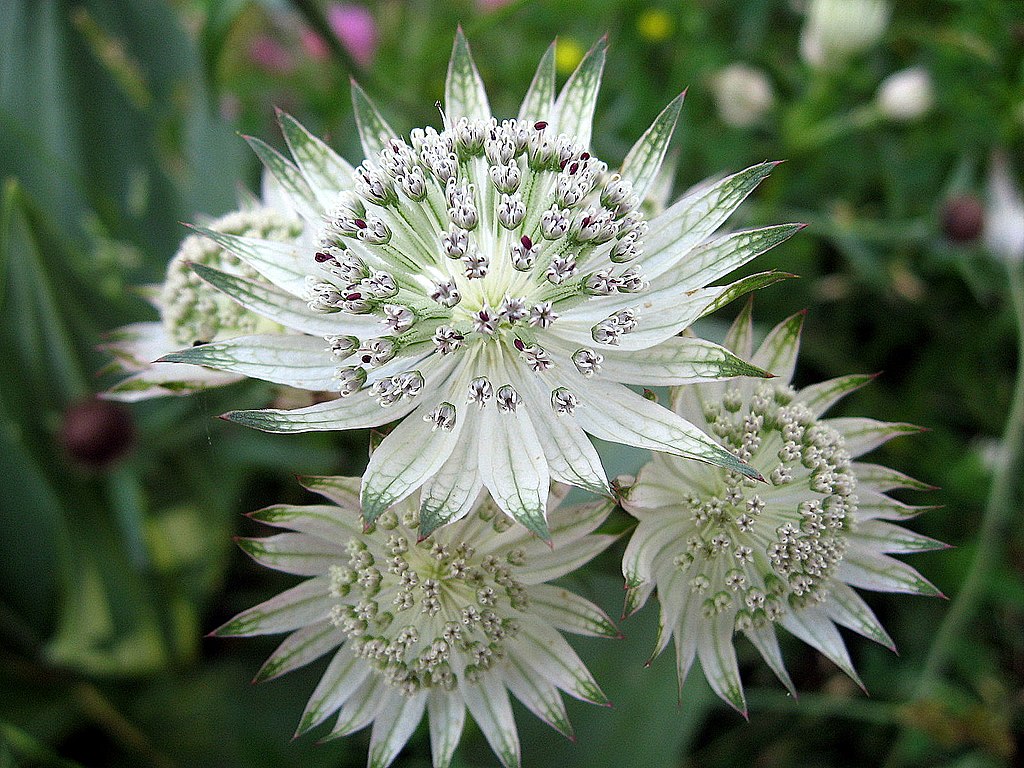
Astrantia is a genus of flowering plants in the family Apiaceae, native to central, eastern, and southern Europe. These perennial plants are known for their distinctive star-shaped flowers and are commonly grown in gardens for ornamental purposes. Astrantia species thrive in moist, shaded environments. They are valued for their long flowering period and ability to attract pollinators.
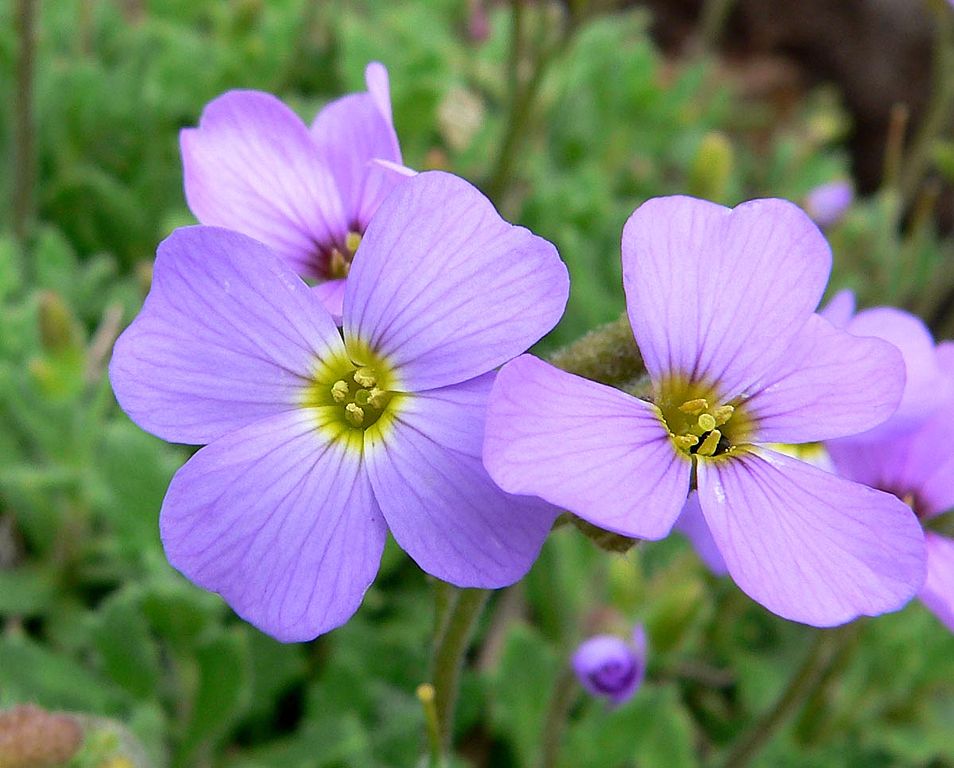
Aubreita deltoidea, commonly known as purple rock cress, is a perennial flowering plant in the mustard family. Native to southeastern Europe and western Asia, it is widely cultivated as an ornamental groundcover for its vibrant purple flowers. The plant is valued in gardens for its ability to cascade over walls and rockeries. It typically blooms in spring and is appreciated for its hardiness.
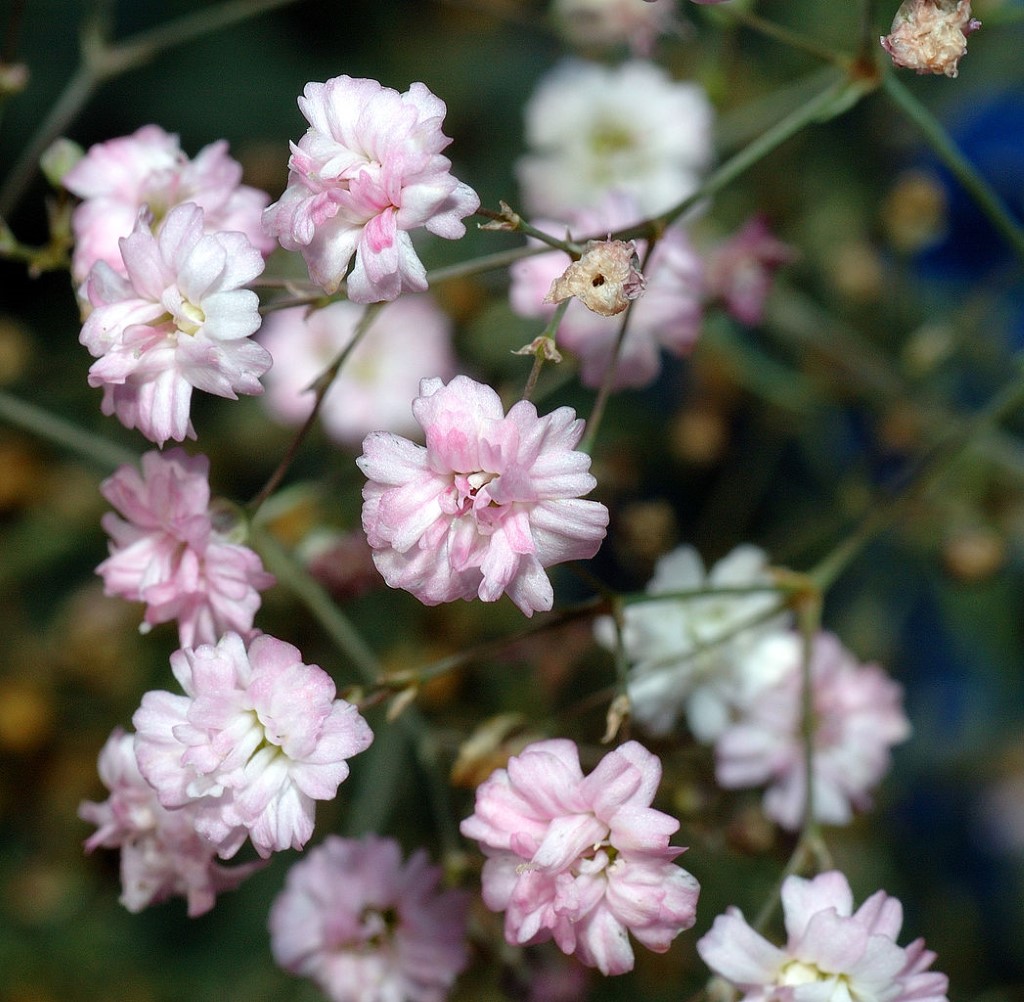
Baby's Breath is the common name for plants in the genus Gypsophila, particularly Gypsophila paniculata. These plants are known for their small, delicate white or pink flowers and are widely used in floral arrangements. Baby's Breath is native to Europe and Asia and is valued for its ornamental qualities.
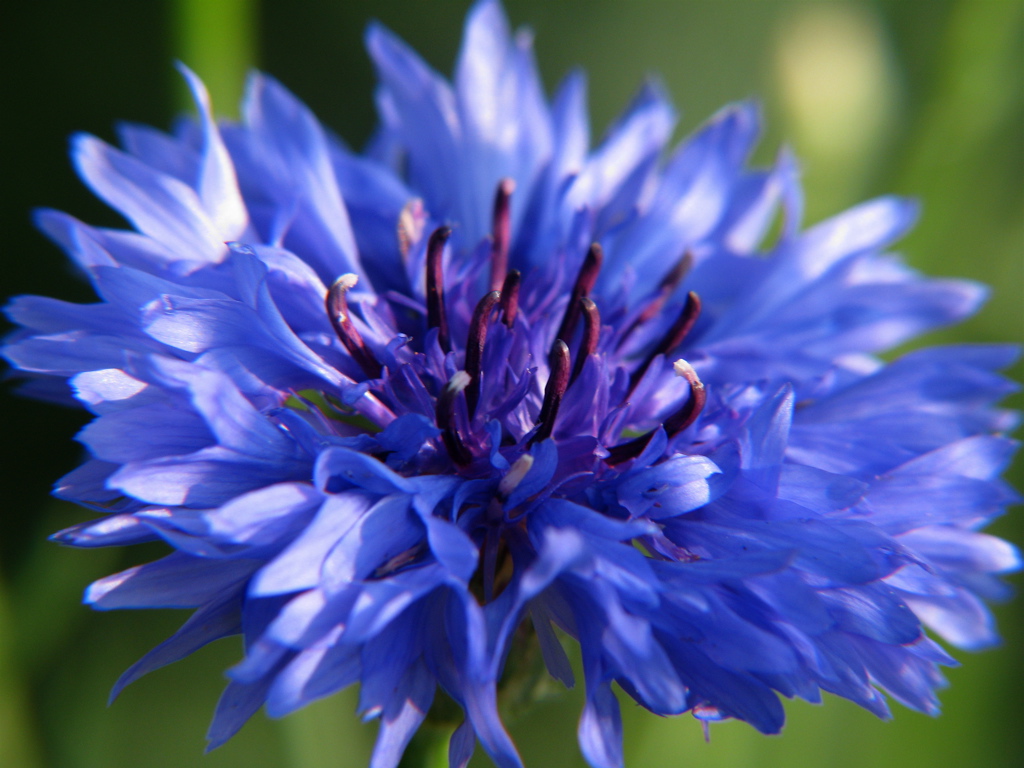
Bachelor's Button, also known as cornflower, is an annual flowering plant native to Europe. It is recognized for its bright blue, pink, or white blooms and is commonly grown as an ornamental garden plant. The flower has historical significance as a symbol of love and fidelity.
The Balloon Flower, scientifically known as Platycodon grandiflorus, is a perennial plant native to East Asia. It is named for its balloon-like buds that open into star-shaped blue, white, or pink flowers. The plant is popular in gardens for its unique appearance and ease of cultivation. In addition to its ornamental value, parts of the plant are used in traditional medicine in some cultures.
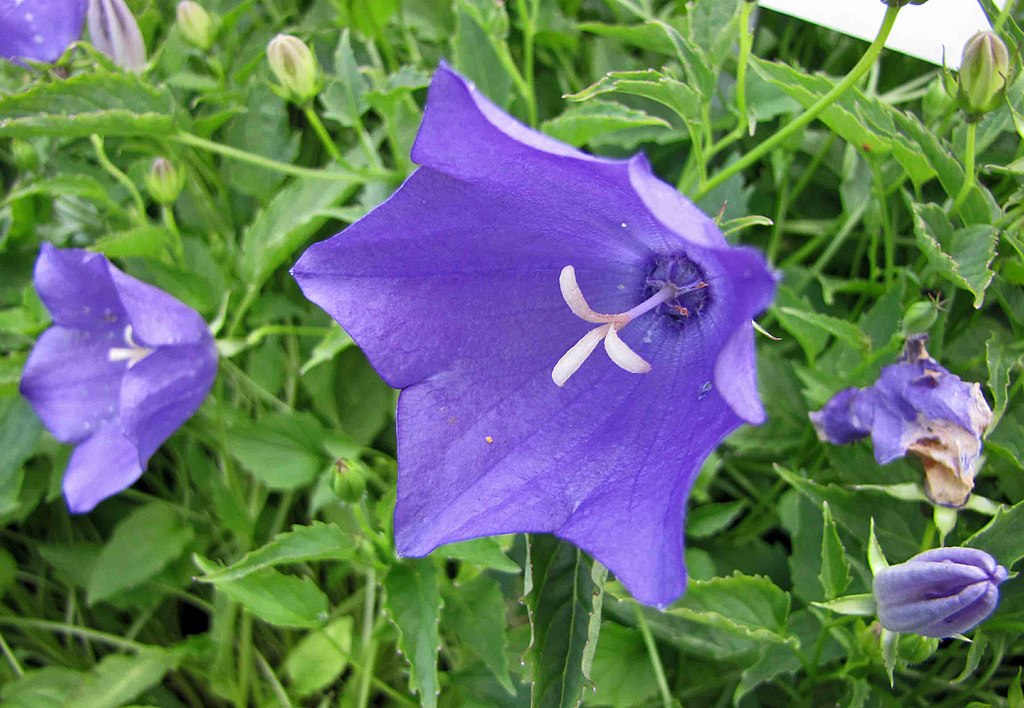
Bee balm is a flowering plant native to North America, belonging to the mint family. It is known for its bright, tubular flowers that attract pollinators such as bees, butterflies, and hummingbirds. Bee balm is valued in gardens for its ornamental beauty and aromatic foliage. The plant has also been used in traditional herbal medicine.

Begonia is a large genus of flowering plants belonging to the family Begoniaceae. It includes over 1,800 species, many of which are cultivated for their attractive flowers and foliage. Begonias are native to tropical and subtropical regions around the world and are popular as ornamental houseplants and garden plants. Their diversity in color, shape, and size makes them significant in horticulture.
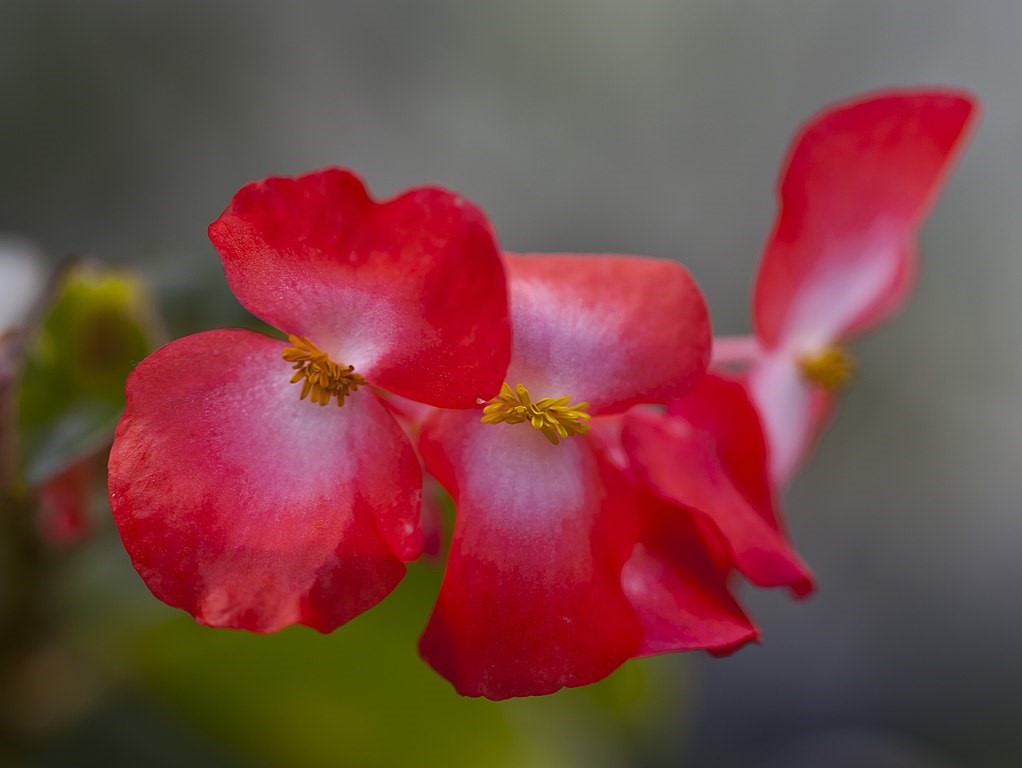
Bellflower refers to plants in the Campanula genus, recognized for their bell-shaped, usually blue or purple flowers. These flowering plants are native to temperate regions of the Northern Hemisphere and are popular in gardens for their ornamental value. Bellflowers are studied in botany for their diversity and adaptability to various habitats.
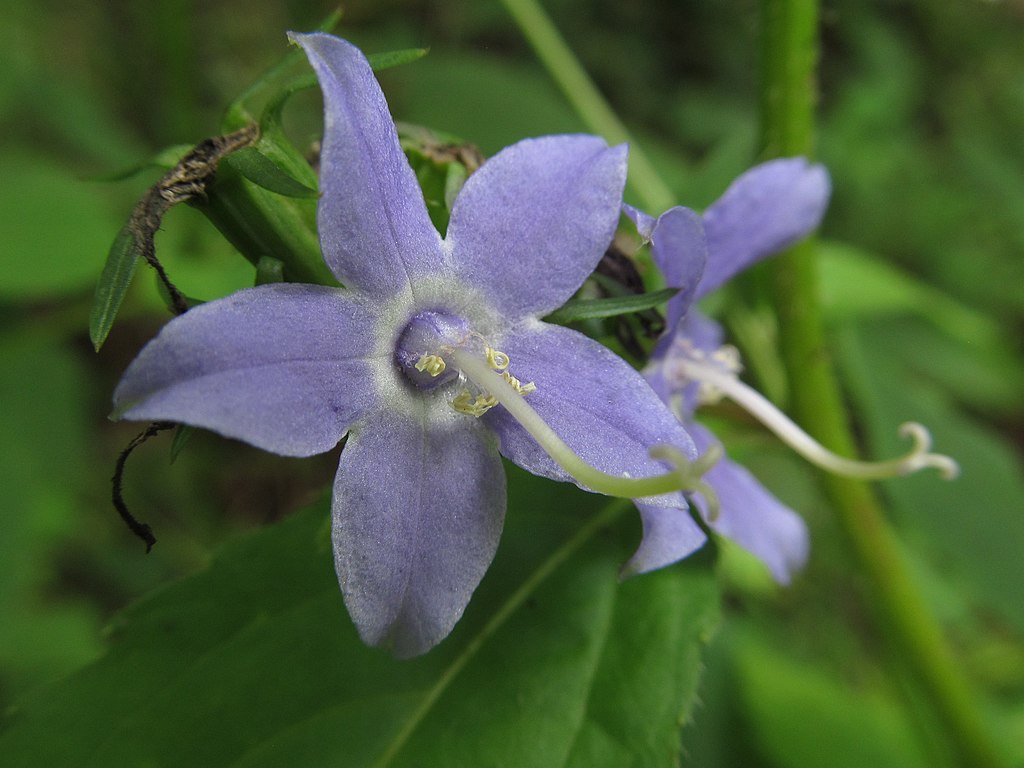
Bergenia is a genus of perennial flowering plants native to central and eastern Asia, particularly the Himalayas. Known for their large, leathery leaves and clusters of pink or white flowers, Bergenia species are widely used as ornamental plants in gardens. They are valued for their hardiness and ability to thrive in a variety of climates.
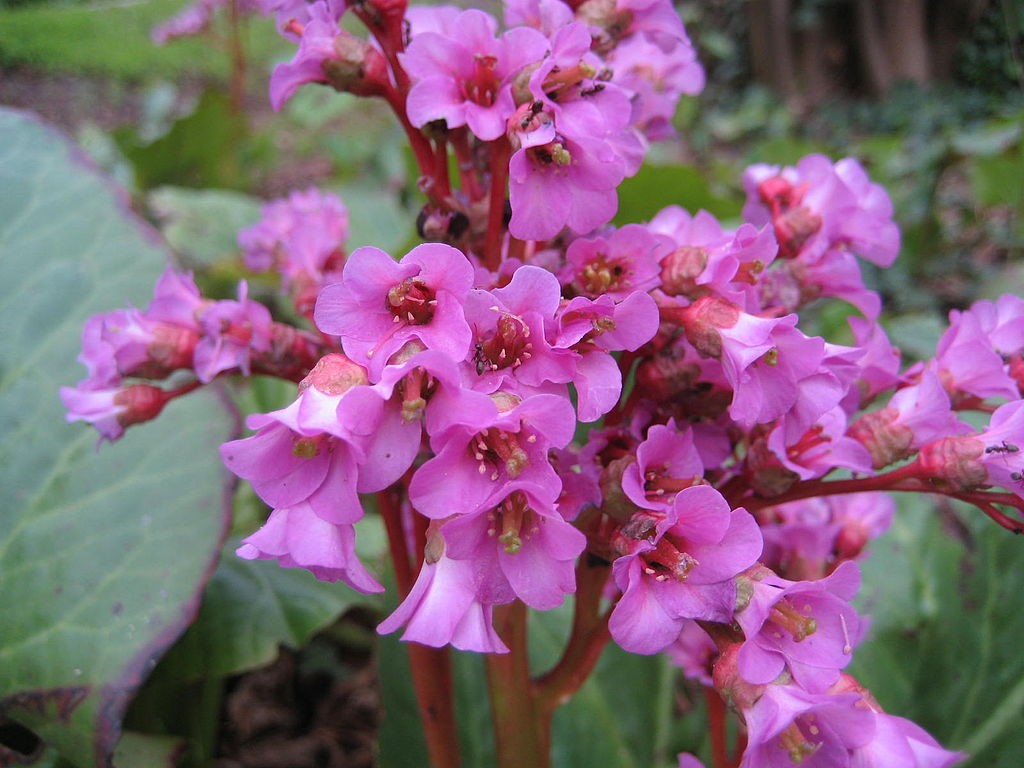
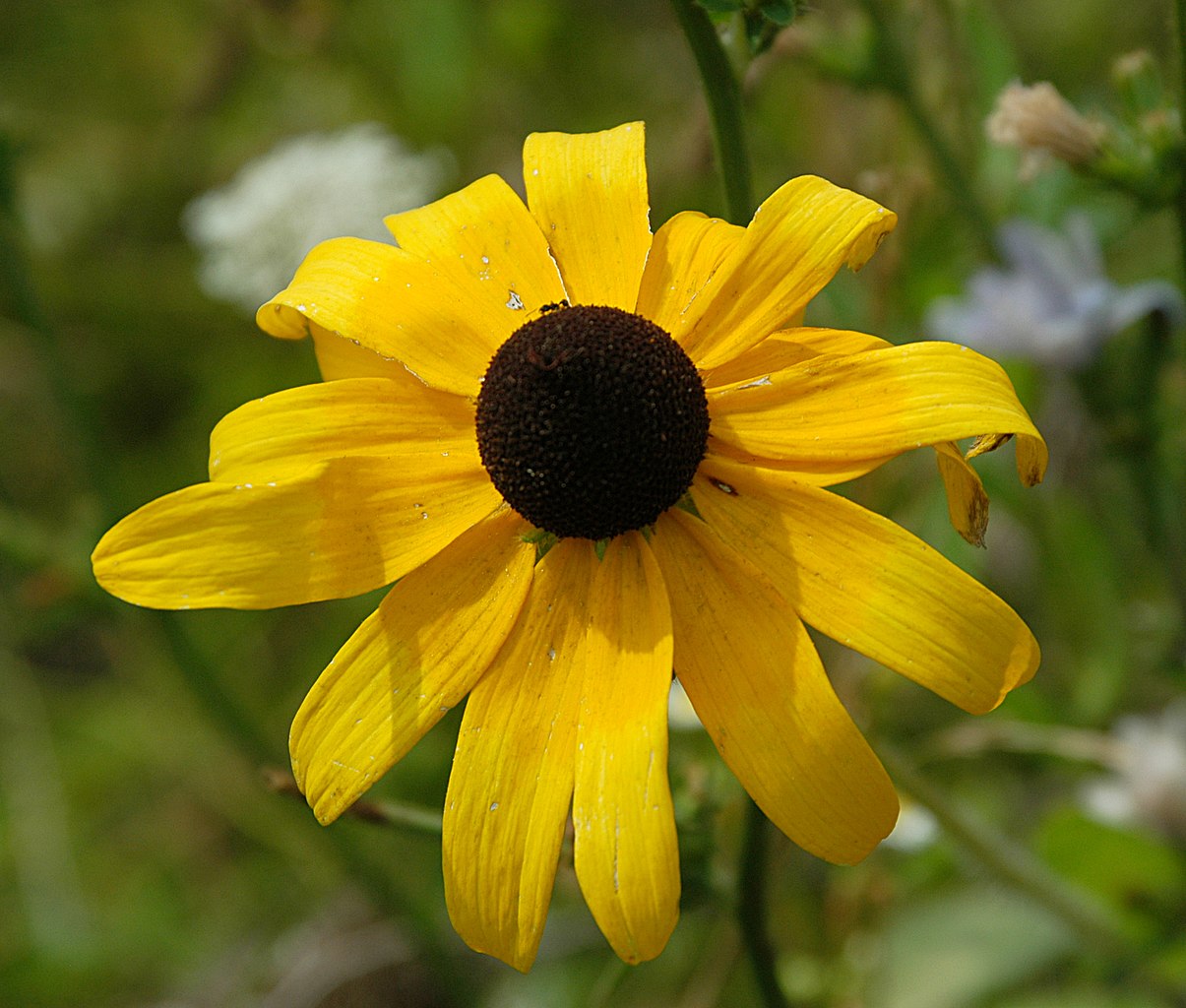
The Black-Eyed Susan is a flowering plant native to North America, scientifically known as Rudbeckia hirta. It is recognized for its bright yellow petals and dark brown central cone, making it a popular garden plant and wildflower. This species is notable as the state flower of Maryland and is commonly found in meadows and fields.
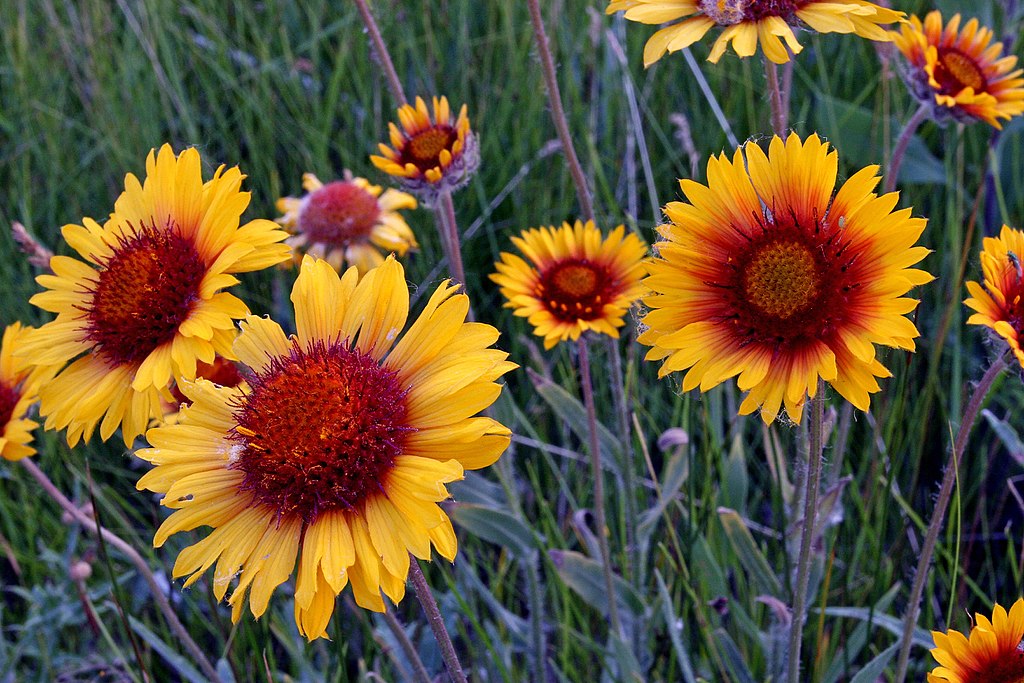
The Blanket Flower, scientifically known as Gaillardia, is a genus of flowering plants native to North and South America. It is recognized for its brightly colored, daisy-like blooms, often featuring red, orange, and yellow hues. The plant is popular in gardens for its long blooming period and ability to attract pollinators such as bees and butterflies. Its common name is thought to reference the flower's resemblance to traditional Native American blankets.
Blazing Star is a common name for several species of flowering plants in the genus Liatris, native to North America. These plants are known for their tall spikes of purple or pink flowers and are popular in gardens for their ornamental value and attractiveness to pollinators. 'Blazing Star' can also refer to a 1998 arcade shoot 'em up video game developed by Yumekobo.
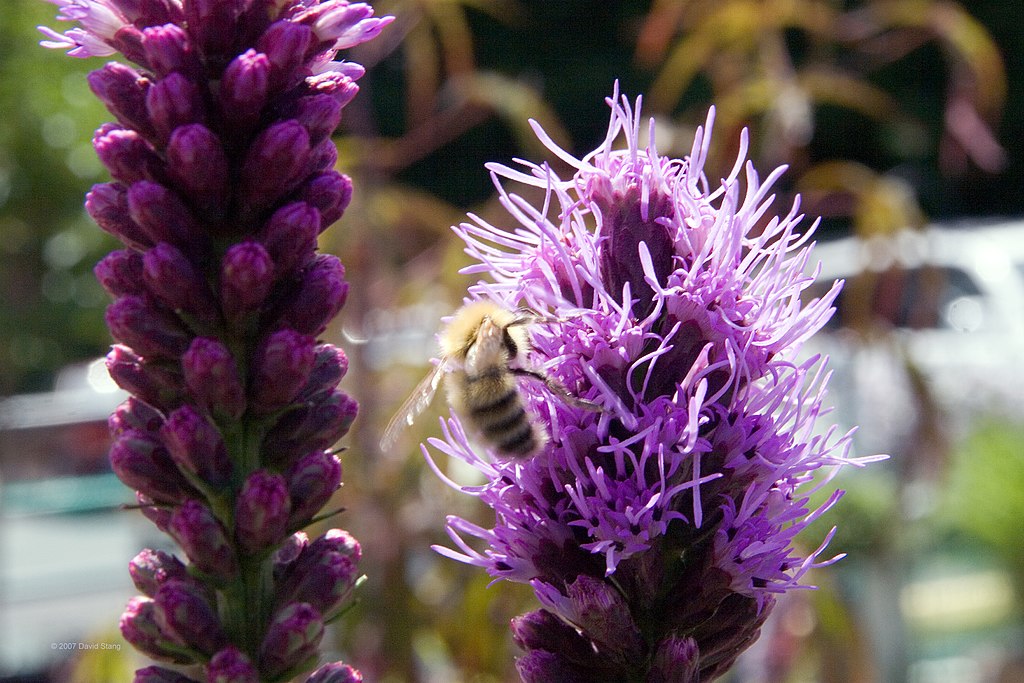
© Wikimedia.org/David J. Stang, CC BY-SA
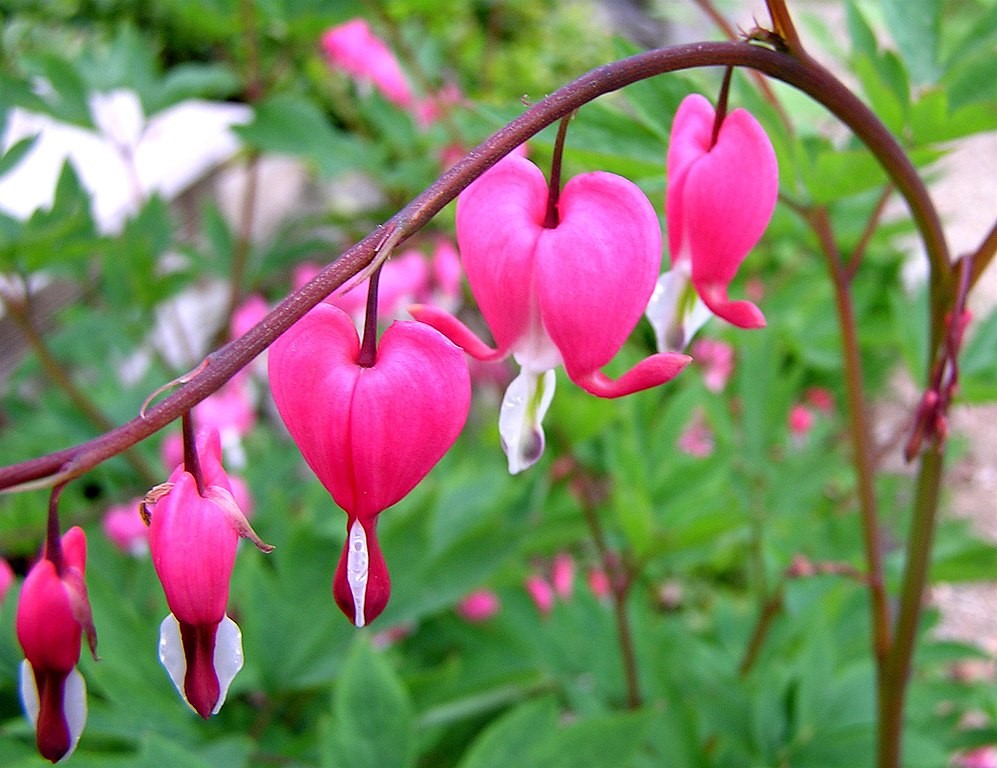
Bleeding Heart refers to a group of perennial flowering plants in the genus Lamprocapnos, native to Asia. The plant is known for its distinctive heart-shaped pink or white flowers that appear to drip, resembling a 'bleeding heart.' It is commonly cultivated in gardens for its ornamental value and unique floral appearance.
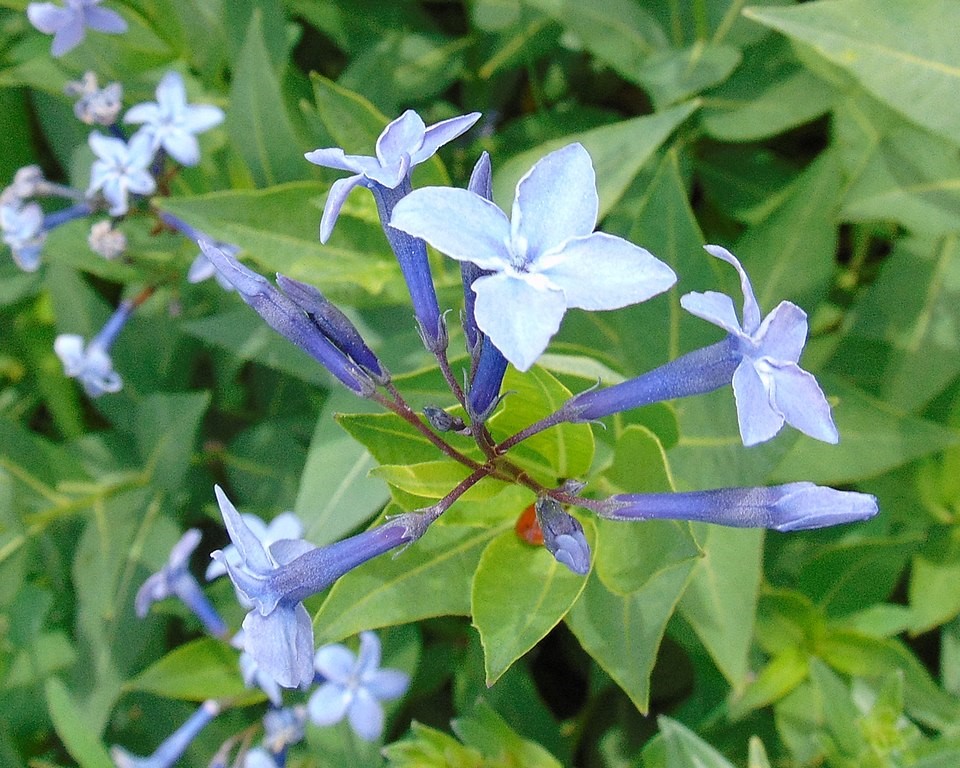
The Blue Star Flower, scientifically known as Amsonia, is a perennial plant native to North America. It is recognized for its star-shaped, pale blue flowers that bloom in spring and early summer. This plant is valued in horticulture for its ornamental qualities and its ability to attract pollinators.
Bluebell is a common name for several species of flowering plants known for their bell-shaped, blue or violet flowers. The most well-known species, Hyacinthoides non-scripta, is native to western Europe and often carpets woodlands in spring. Bluebells are significant in horticulture and are valued for their beauty and ecological role. They are protected in some regions due to their sensitivity to habitat disturbance.
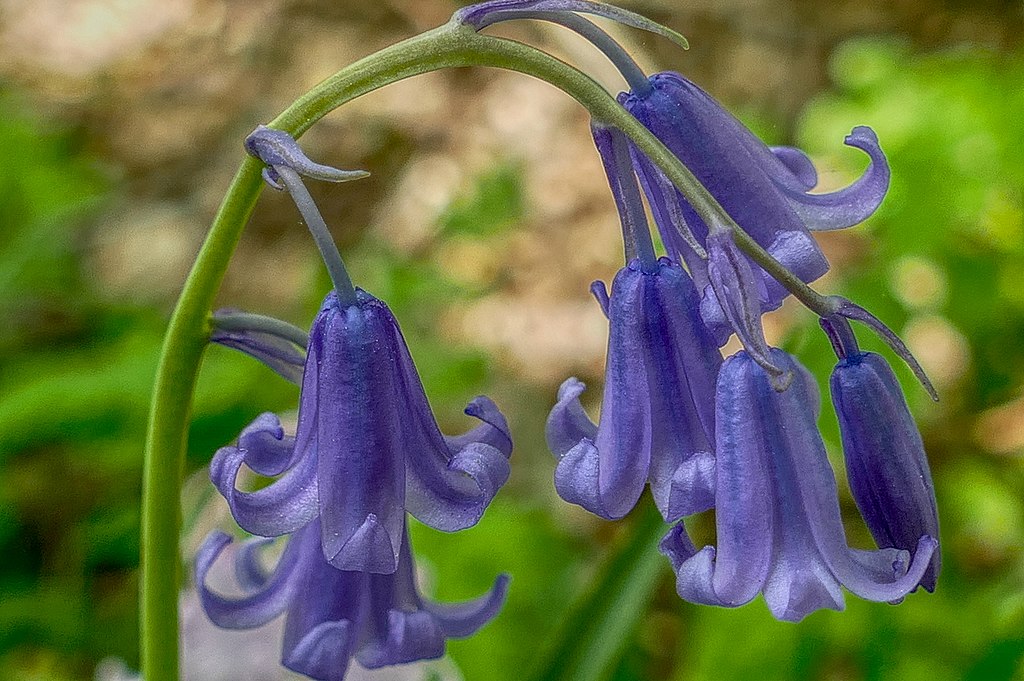
© Wikimedia.org/Muehlenbernd, CC BY-SA
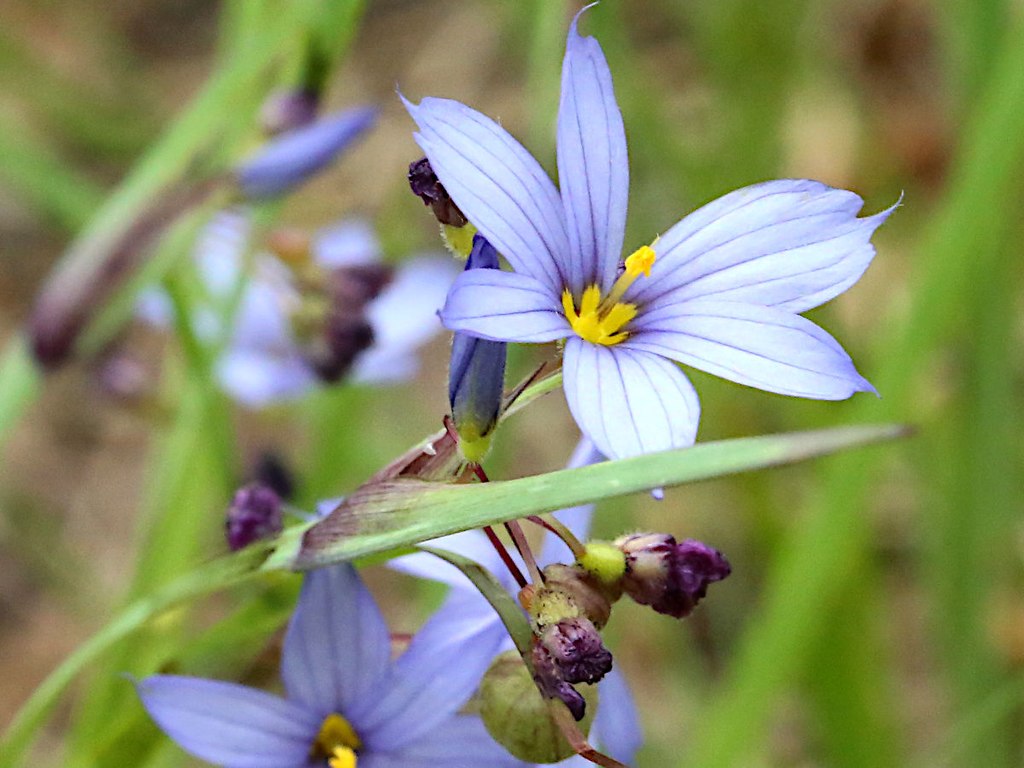
Blue-Eyed Grass is a common name for several species in the genus Sisyrinchium, which are perennial plants in the iris family. Despite the name, these plants are not true grasses but produce grass-like leaves and small, star-shaped blue or violet flowers. They are native to the Americas and are often found in meadows and open woods. Blue-Eyed Grass is valued for its ornamental and ecological qualities.
Bluemink was a British pop group active primarily in the early 1970s. The band is known for their hit single 'Melting Pot,' which promoted themes of racial harmony. Bluemink's music blended elements of pop, rock, and soul, and they were recognized for their diverse lineup and socially conscious lyrics.
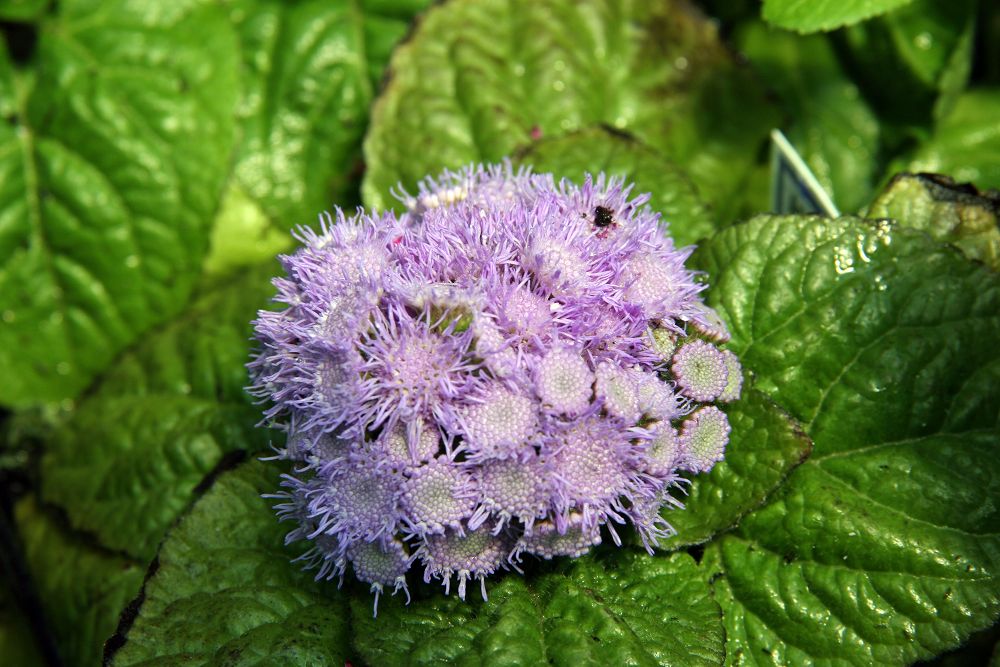
© Wikimedia.org/David J. Stang, CC BY-SA
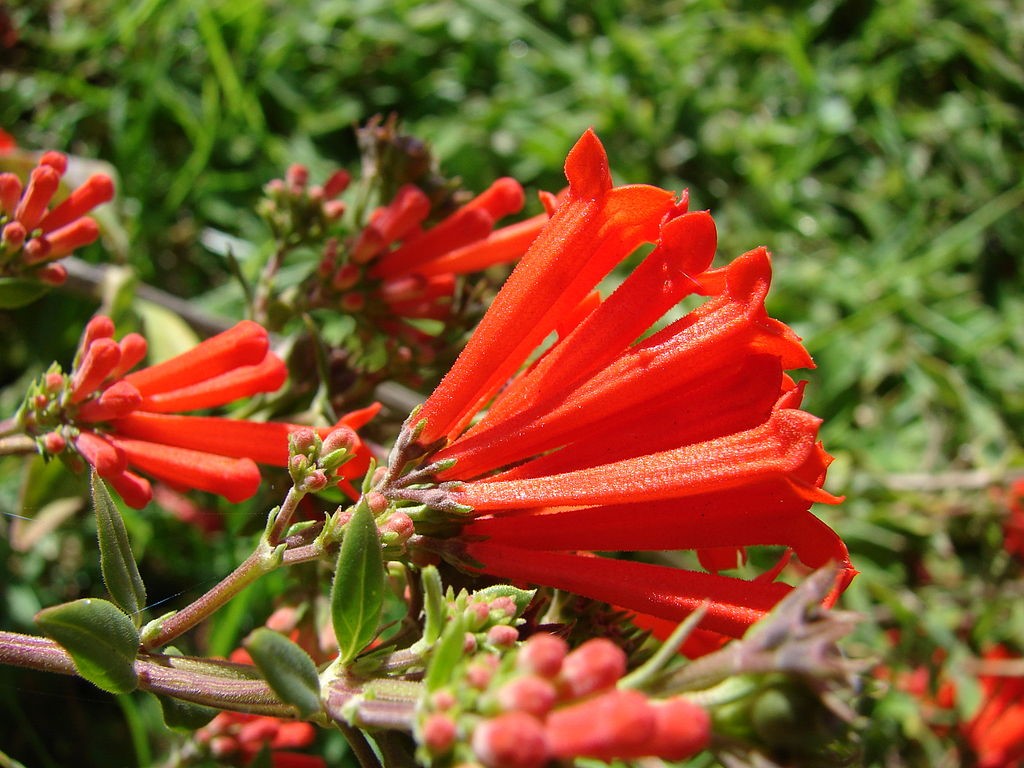
Bouvardia is a genus of flowering plants in the family Rubiaceae, native to Mexico and Central America. The plants are known for their clusters of tubular, brightly colored flowers, which are popular in ornamental horticulture and floral arrangements. Bouvardia species are valued for their long-lasting blooms and pleasant fragrance. They are commonly grown in gardens and greenhouses around the world.
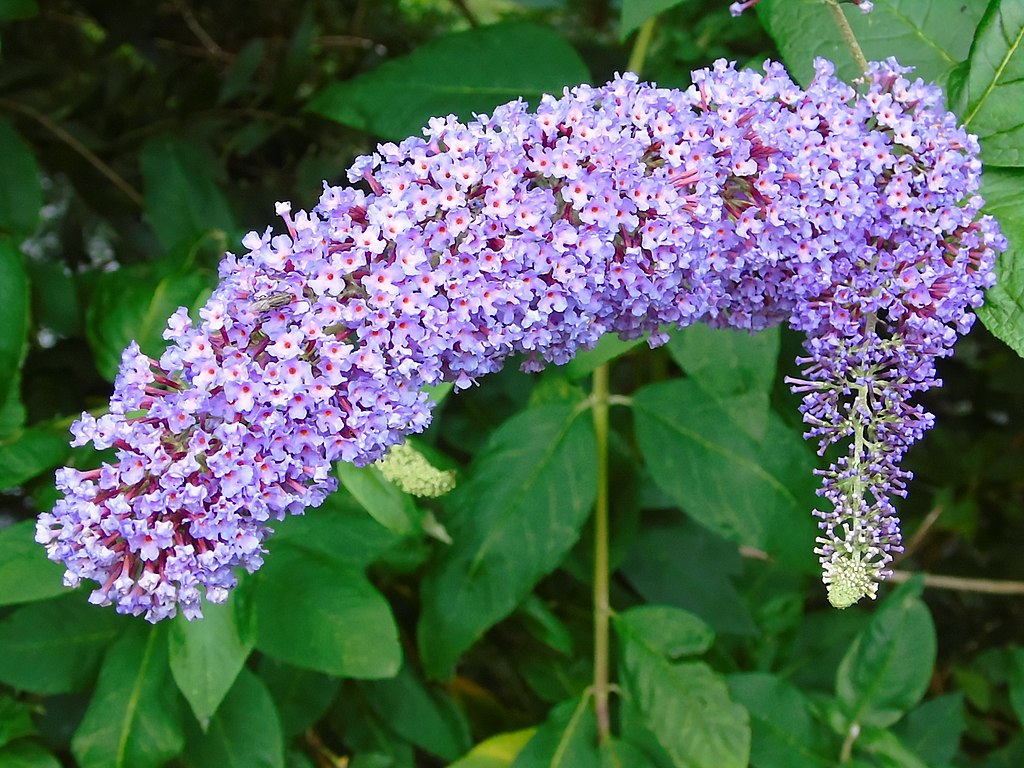
Buddleja is a genus of flowering plants commonly known as butterfly bush, belonging to the family Scrophulariaceae. These shrubs are native to Asia, Africa, and the Americas and are valued for their fragrant, colorful flowers that attract butterflies and other pollinators. Buddleja species are widely cultivated in gardens for ornamental purposes. Their ecological significance lies in supporting biodiversity and pollinator populations.
Bush Morning Glory is a common name for several species of flowering plants in the genus Ipomoea. These plants are known for their attractive, trumpet-shaped flowers that open in the morning. Native to tropical and subtropical regions, they are often grown as ornamental plants in gardens. The Bush Morning Glory is valued for its hardiness and vibrant blooms.
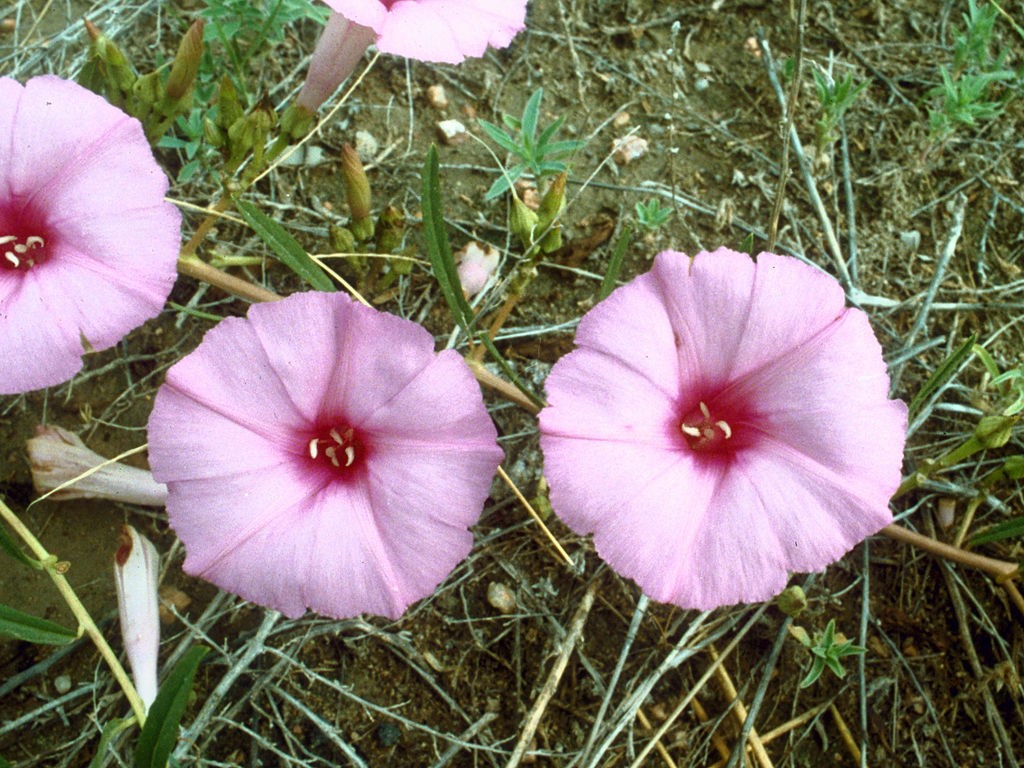
© Wikimedia.org/Dave Powell, CC BY
Buttercup is a common name for several species of flowering plants in the genus Ranunculus, known for their bright yellow, cup-shaped flowers. The term is also widely recognized as the name of a character from the animated television show 'The Powerpuff Girls.' In both contexts, Buttercup is associated with vibrant color and energetic presence.

Calendula officinalis, commonly known as pot marigold, is a flowering plant in the daisy family Asteraceae. Native to southern Europe, it is widely cultivated for its bright orange or yellow flowers. The plant is known for its ornamental value and traditional uses in herbal medicine, particularly for skin care. Calendula officinalis is also used in culinary and cosmetic applications.
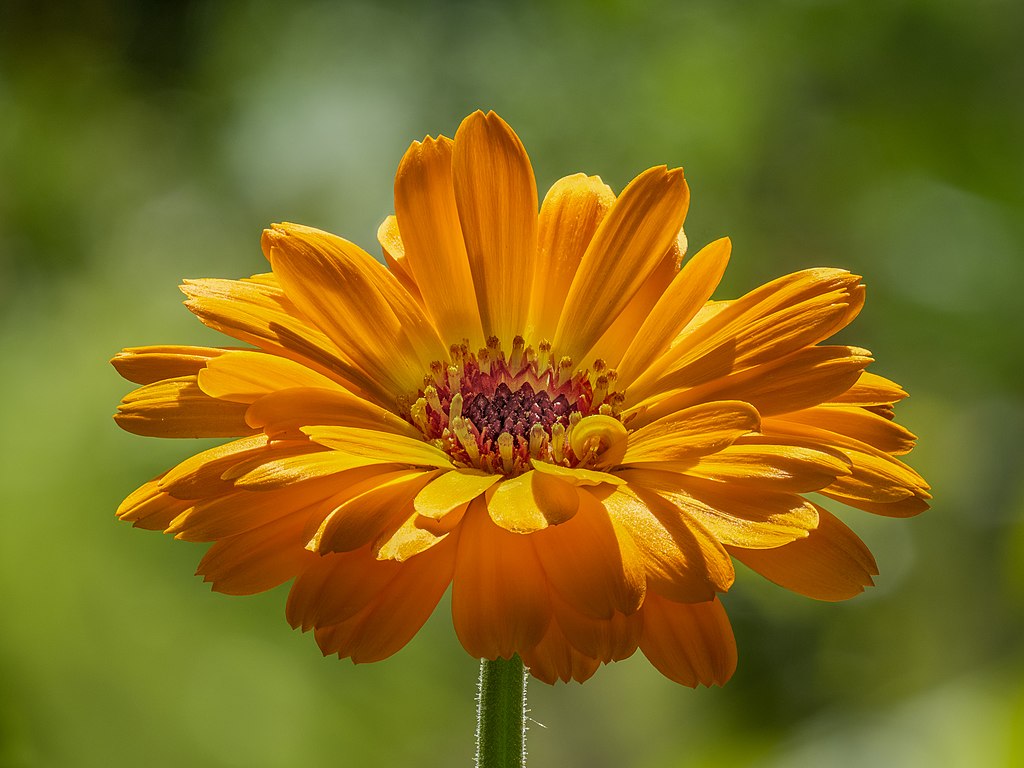
The California Poppy is a flowering plant native to the western United States, particularly California, where it is the official state flower. Known scientifically as Eschscholzia californica, it is recognized for its bright orange petals and drought-resistant qualities. The plant is celebrated for its beauty and ecological importance in native habitats. It blooms mainly in spring and is a symbol of California's natural heritage.

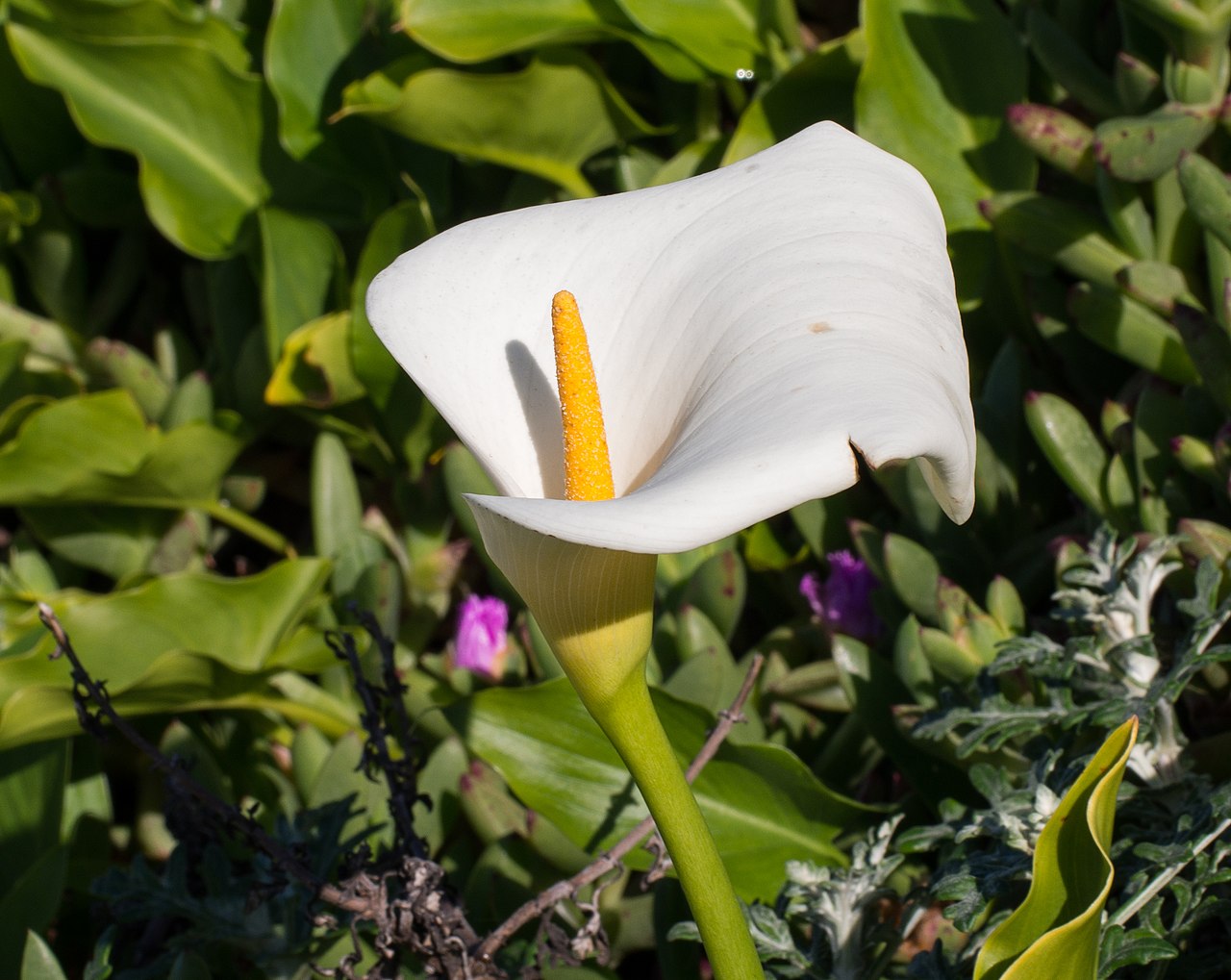
The Calla Lily is a flowering plant native to southern Africa, known for its elegant, trumpet-shaped blooms. It is often used in floral arrangements and symbolizes purity and beauty. The plant belongs to the genus Zantedeschia and is popular in gardens and as a decorative flower.
Campanula latifolia, commonly known as the giant bellflower, is a species of flowering plant in the family Campanulaceae. Native to Europe and western Asia, it is valued in horticulture for its tall spikes of bell-shaped blue or white flowers. The plant is often grown in gardens for ornamental purposes.