
Here you can study for the exam. Look up keywords and learn definitions about all kind of subjects.
More subjects
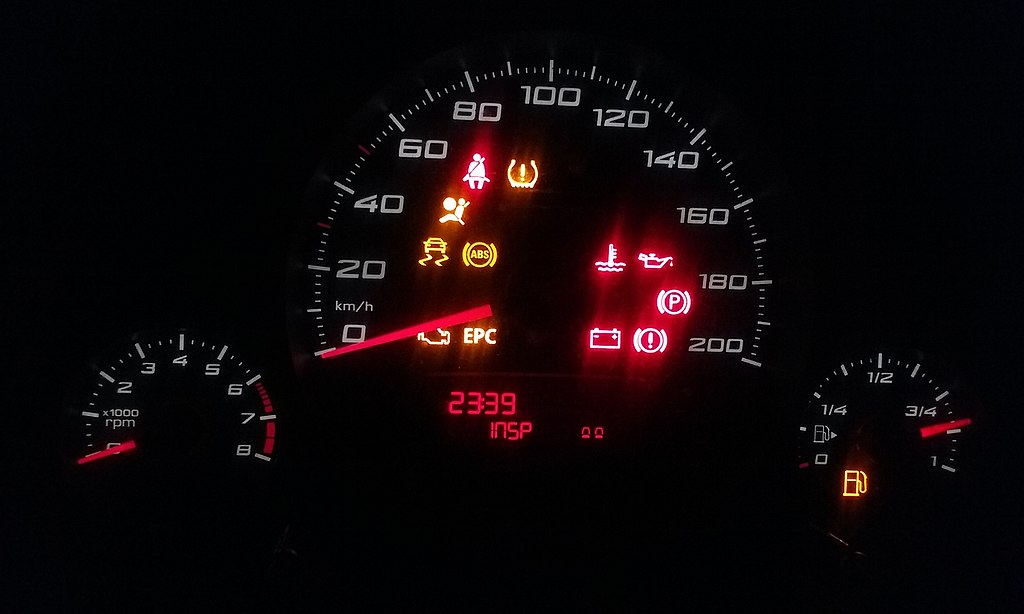
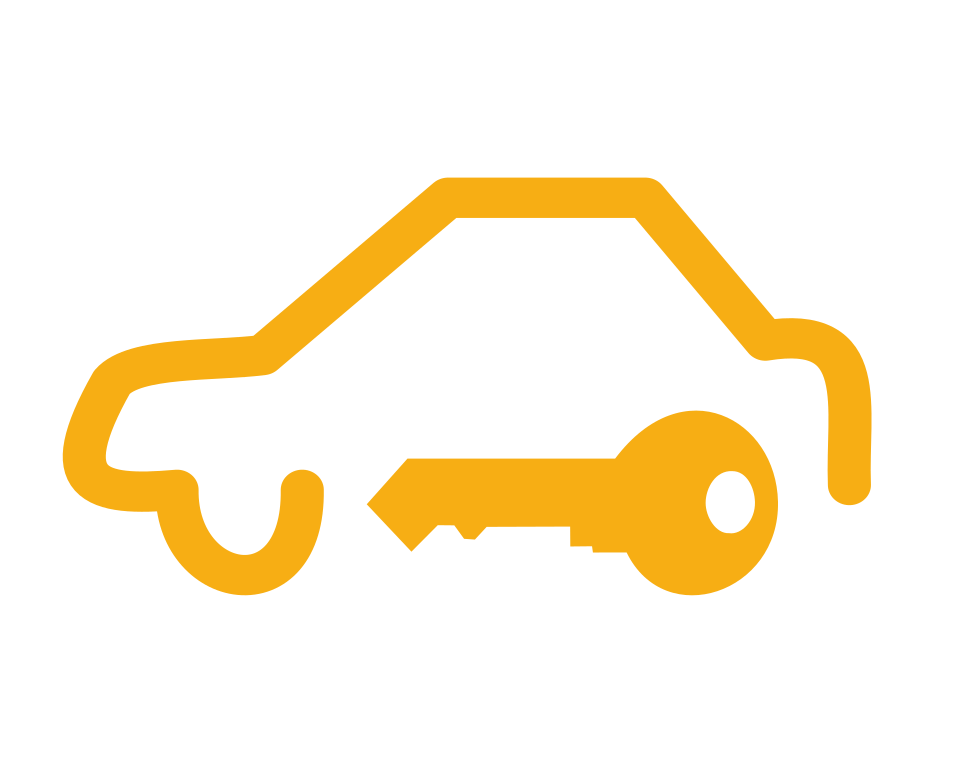
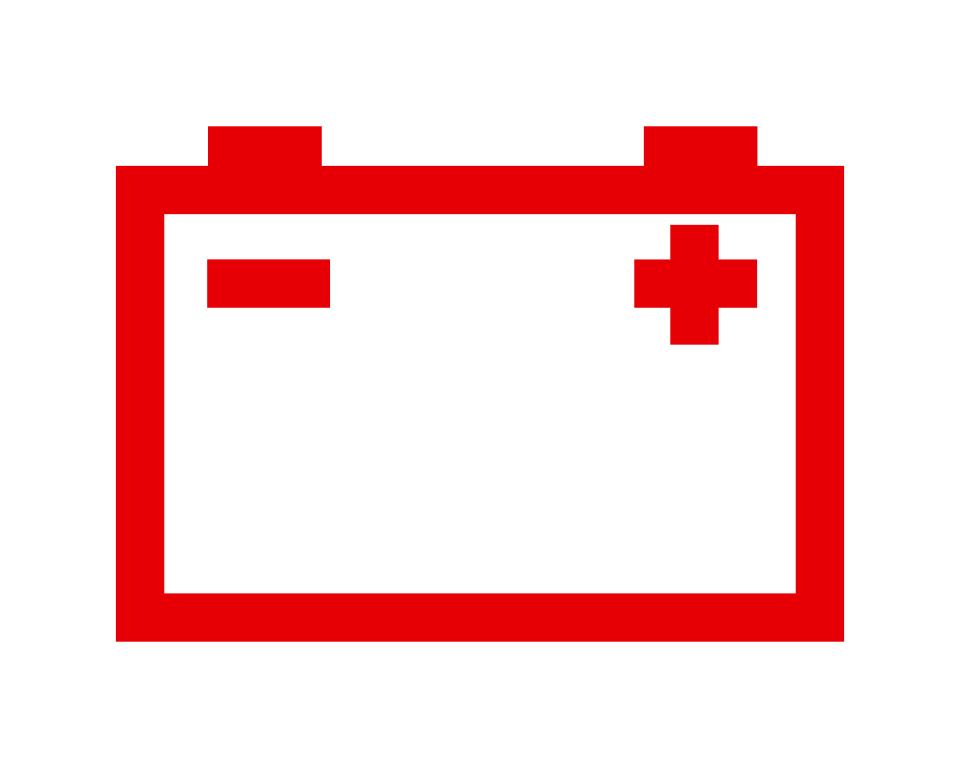
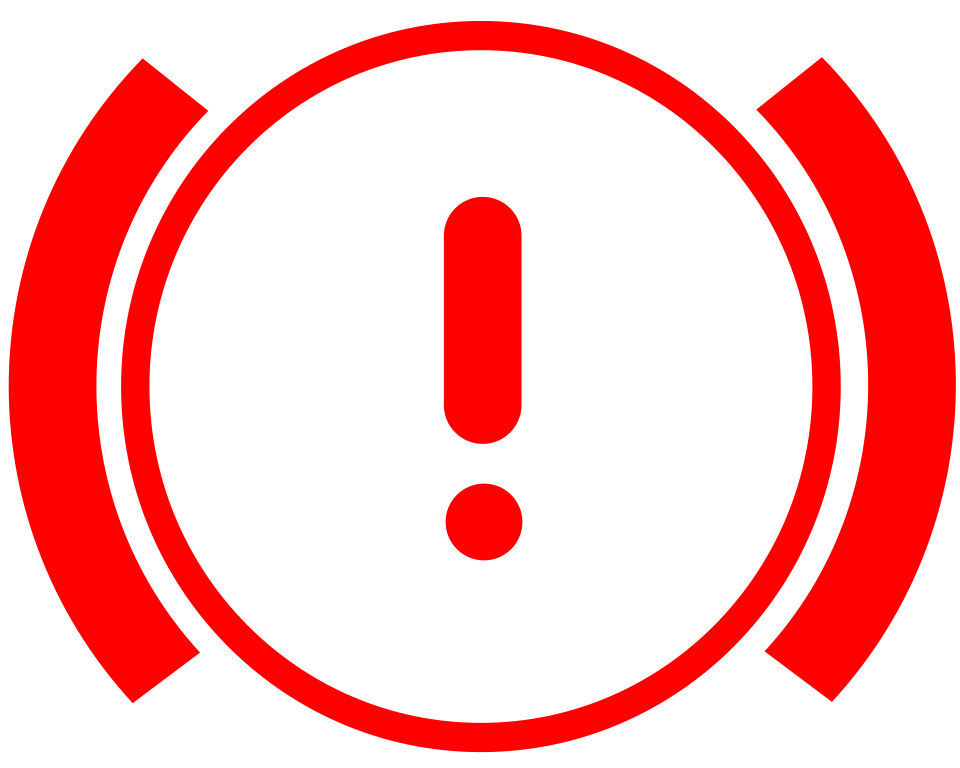
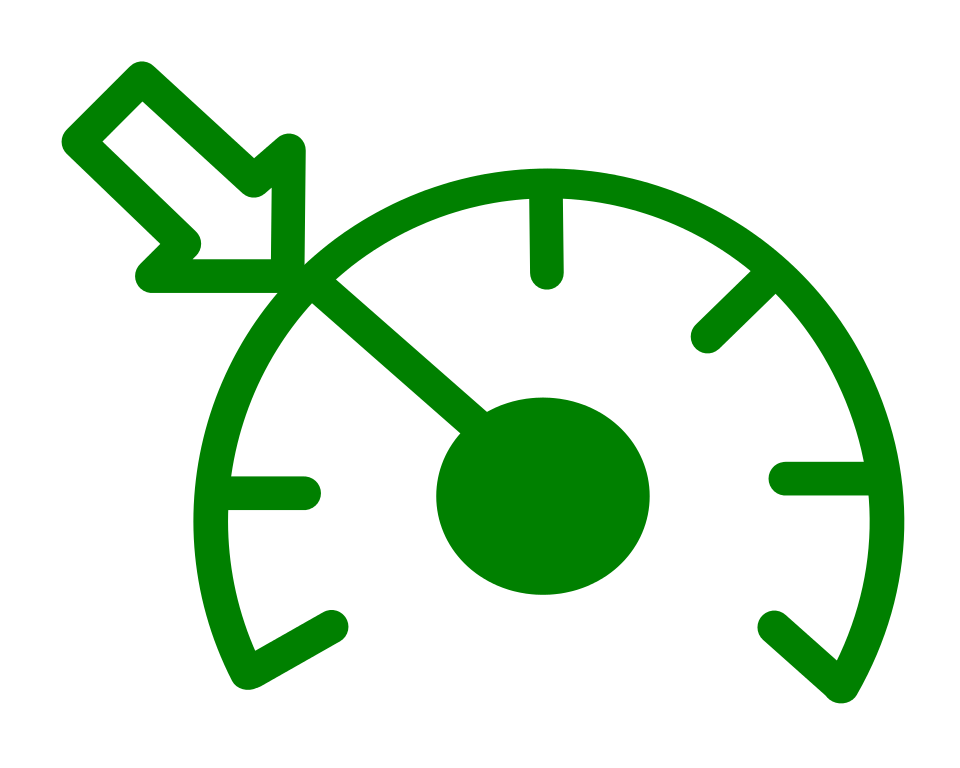
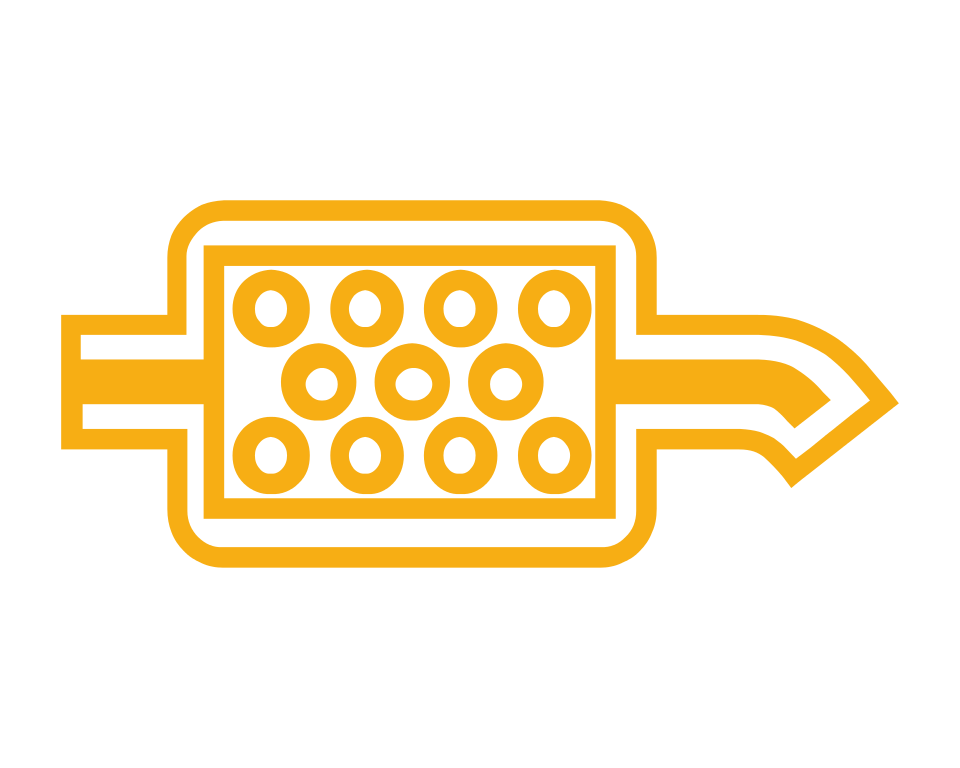
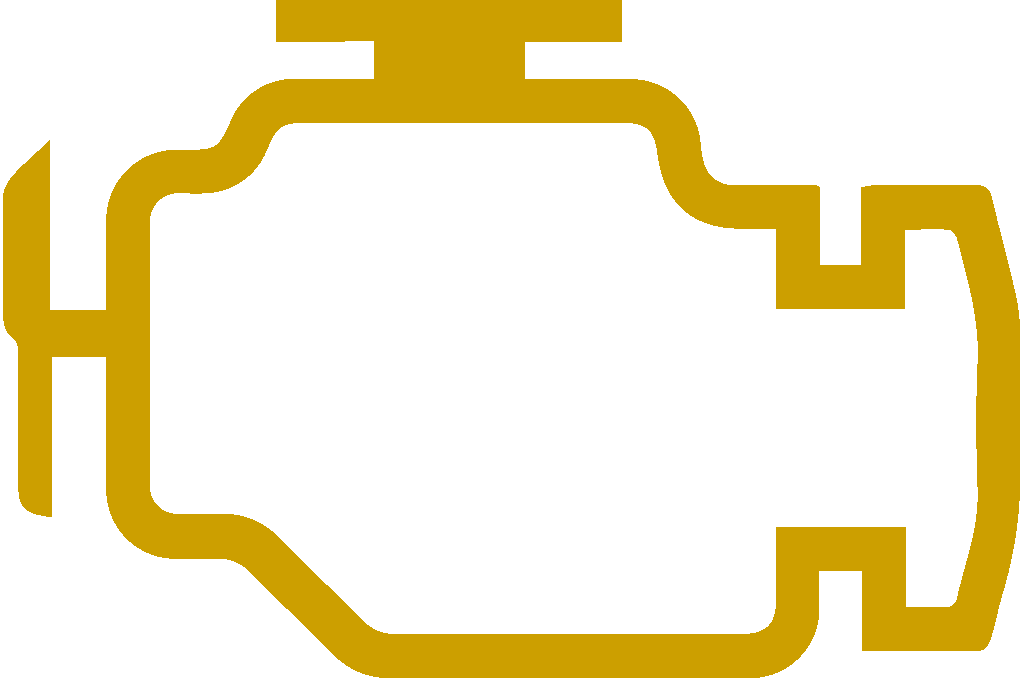
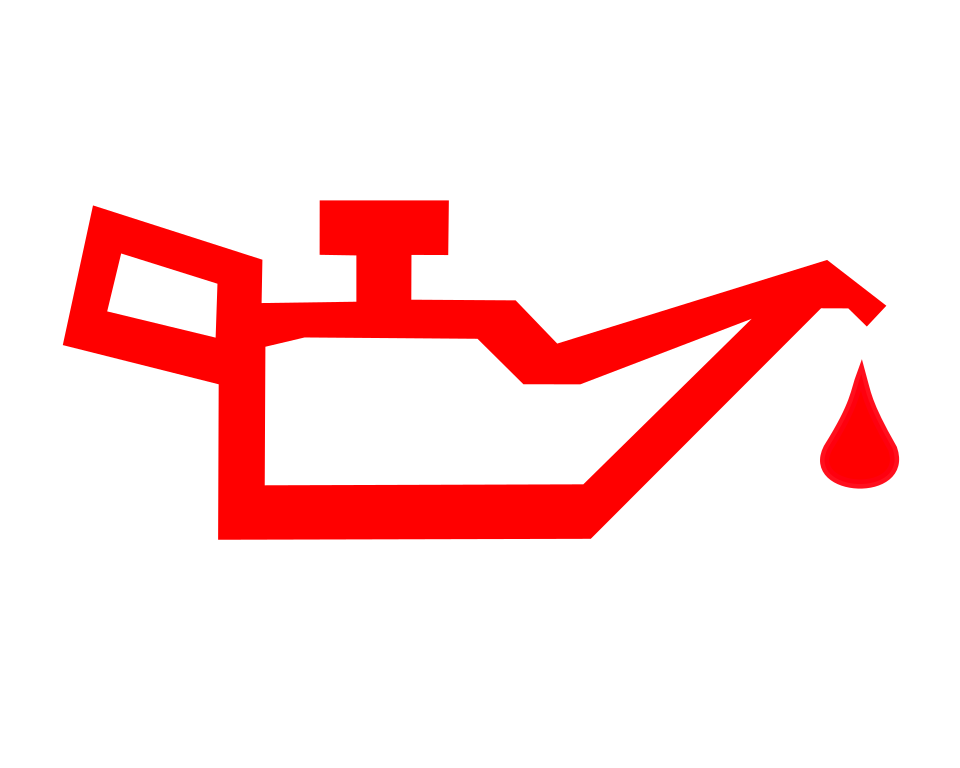
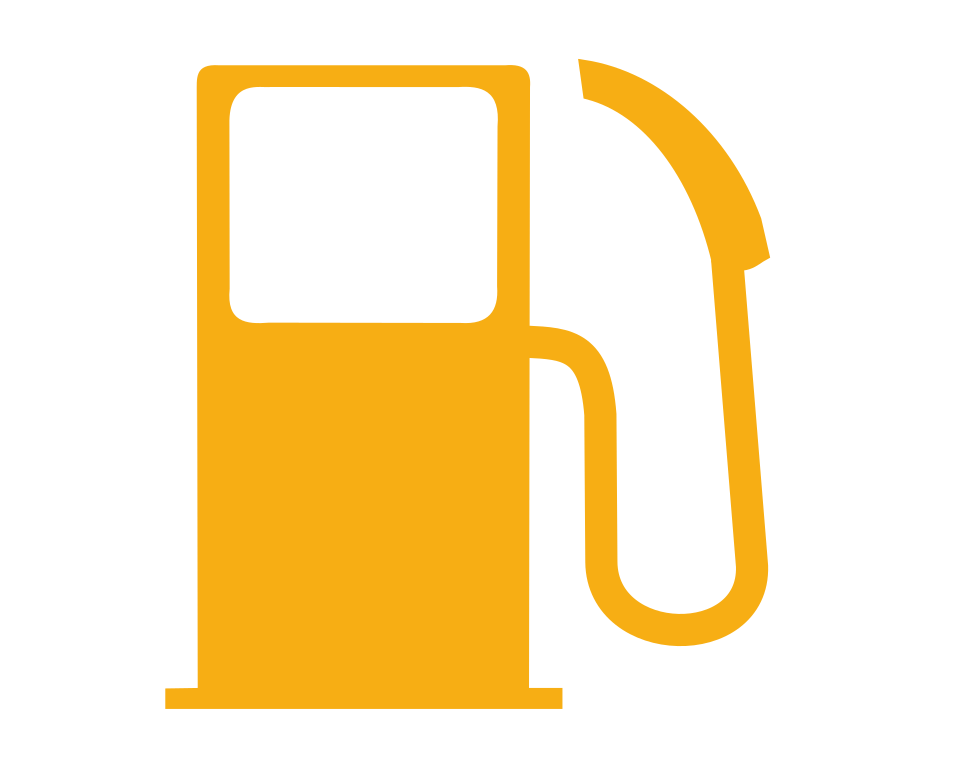
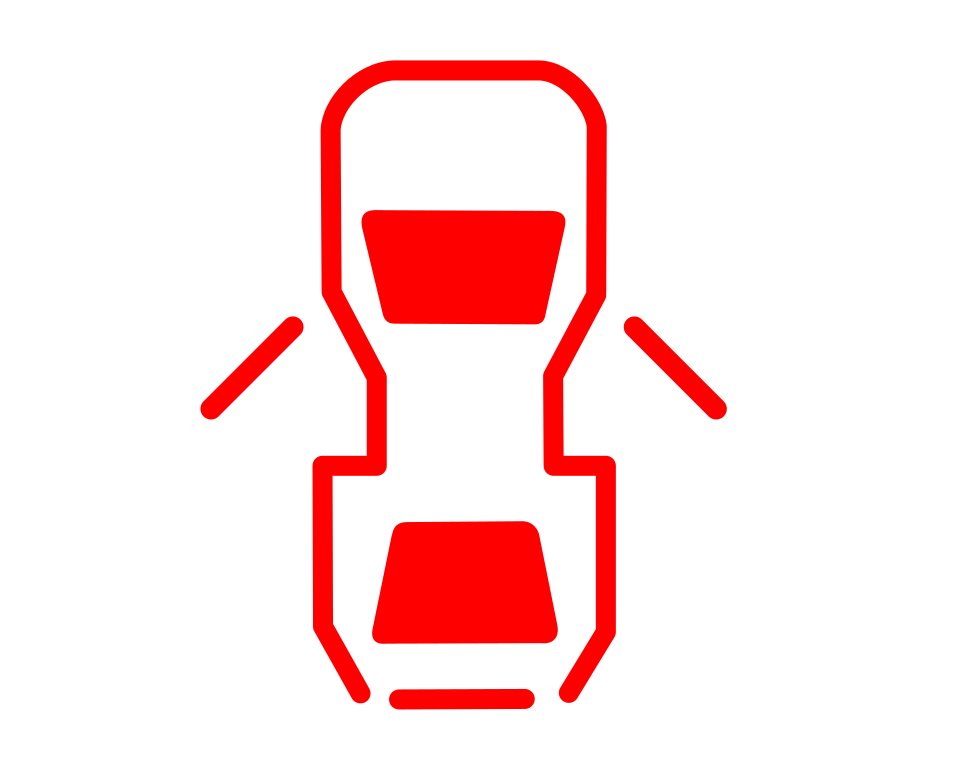
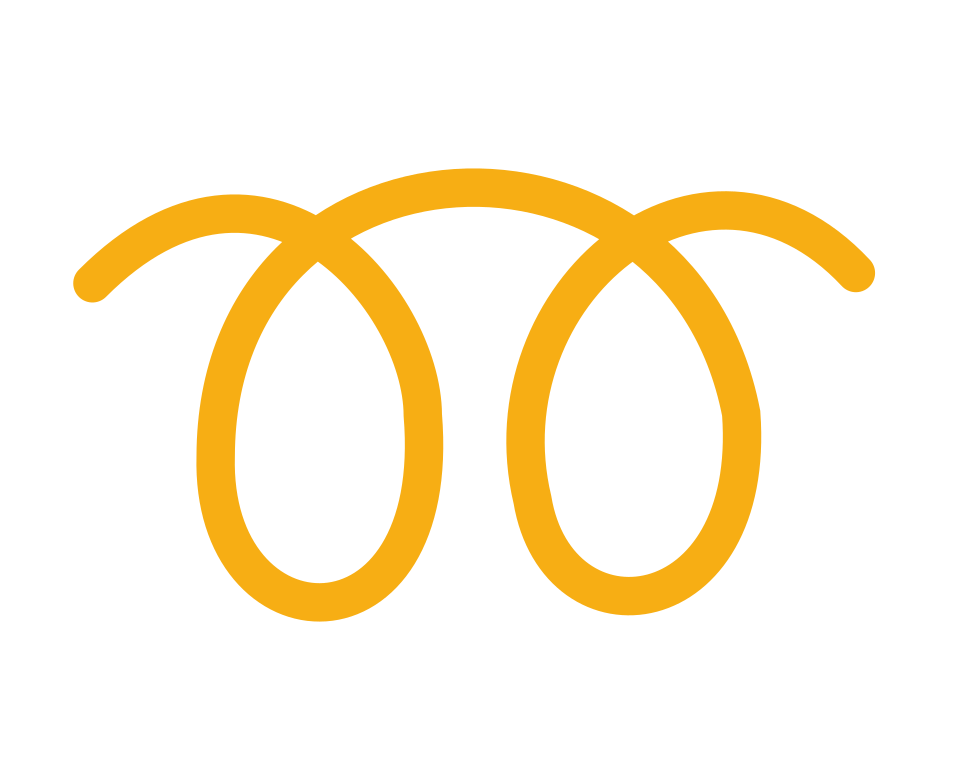
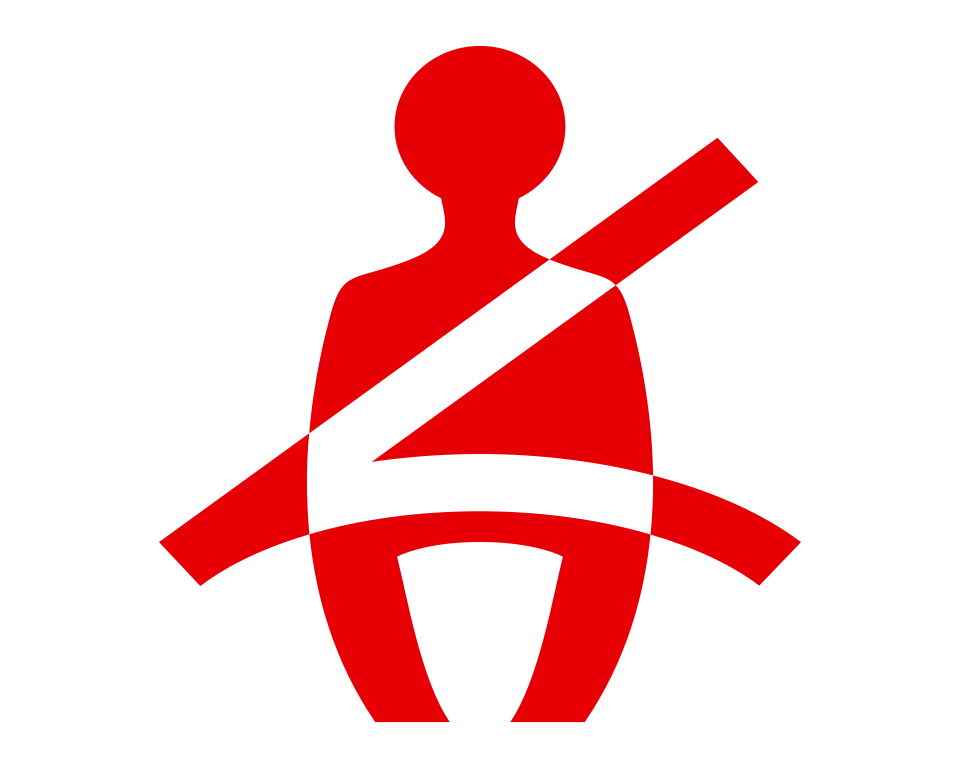
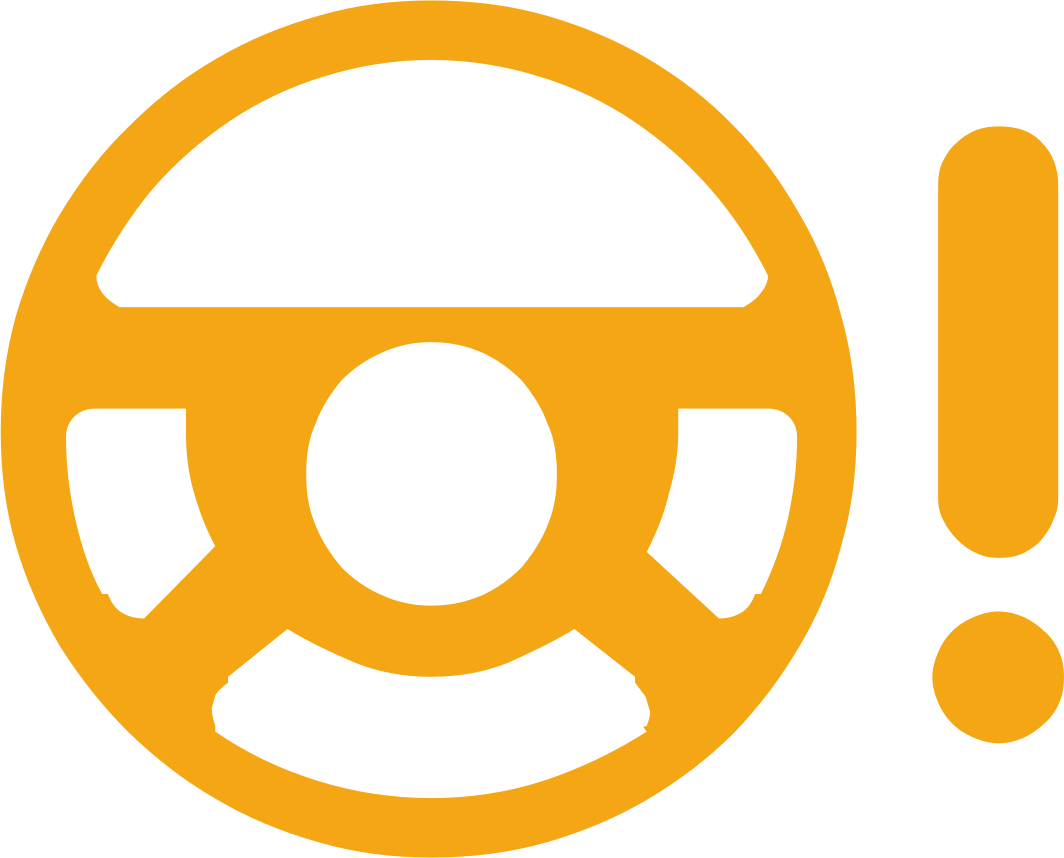
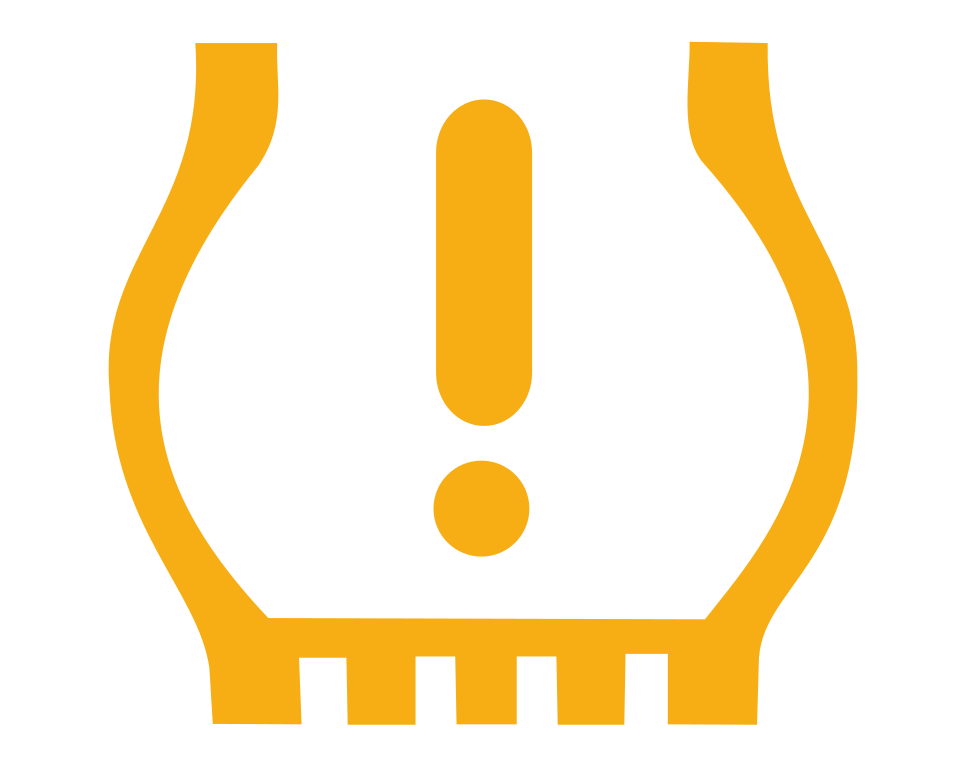
There are various symbols/lights on the dashboard of your vehicle, they give information or warn about the condition of your vehicle.
 © Wikimedia.org/Wiki LIC, CC BY-SA
The dipped beam is used to illuminate the road without dazzling other road users, they illuminate the road to about 30 meters. The red tail lights also illuminate when the dipped beam is switched on. The low beam is the standard lighting that you have to use when it gets dark.
 © Wikimedia.org/Ehsnils, CC BY-SA
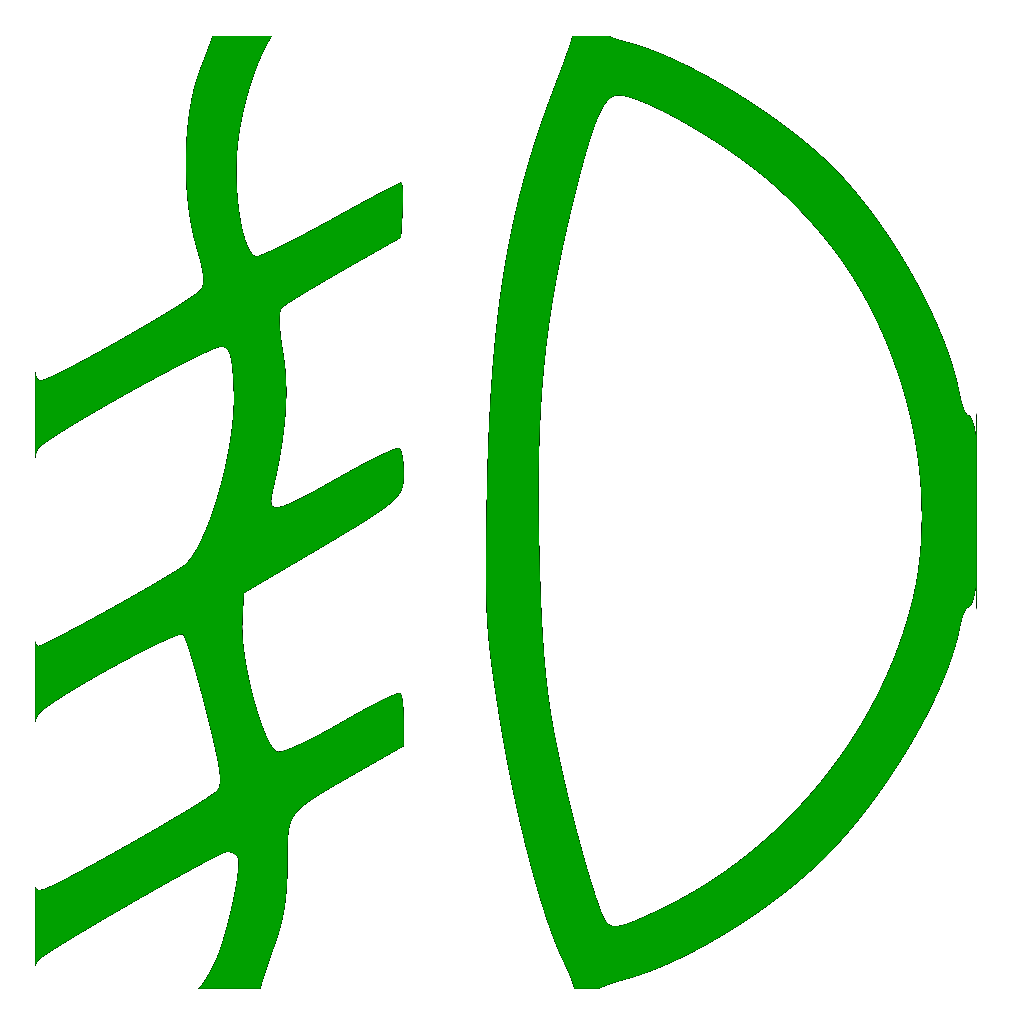
The fog light may be used in bad weather conditions such as heavy rain, fog, or snow. The fog light can dazzle other road users, so use it only in bad weather. Not all cars are equipped with fog lights, so they are not required to use.
 © Wikimedia.org/Ehsnils, CC BY-SA
The high beam is used to illuminate the road so that you can see further, it provides a clear view to about 100 meters. Because the high beam emits a very bright light, it can blind other road users. You may not use the driving beam if you drive behind another road user or when approaching an oncoming vehicle.
 © Wikimedia.org/Ehsnils, CC BY-SA
The lights on a vehicle have different functions and are an important part of road safety. The lights of your vehicle improve visibility at night. They also ensure that other road users can better see the presence, position, size and direction of your vehicle.
 © Wikimedia.org/Ehsnils, CC BY-SA
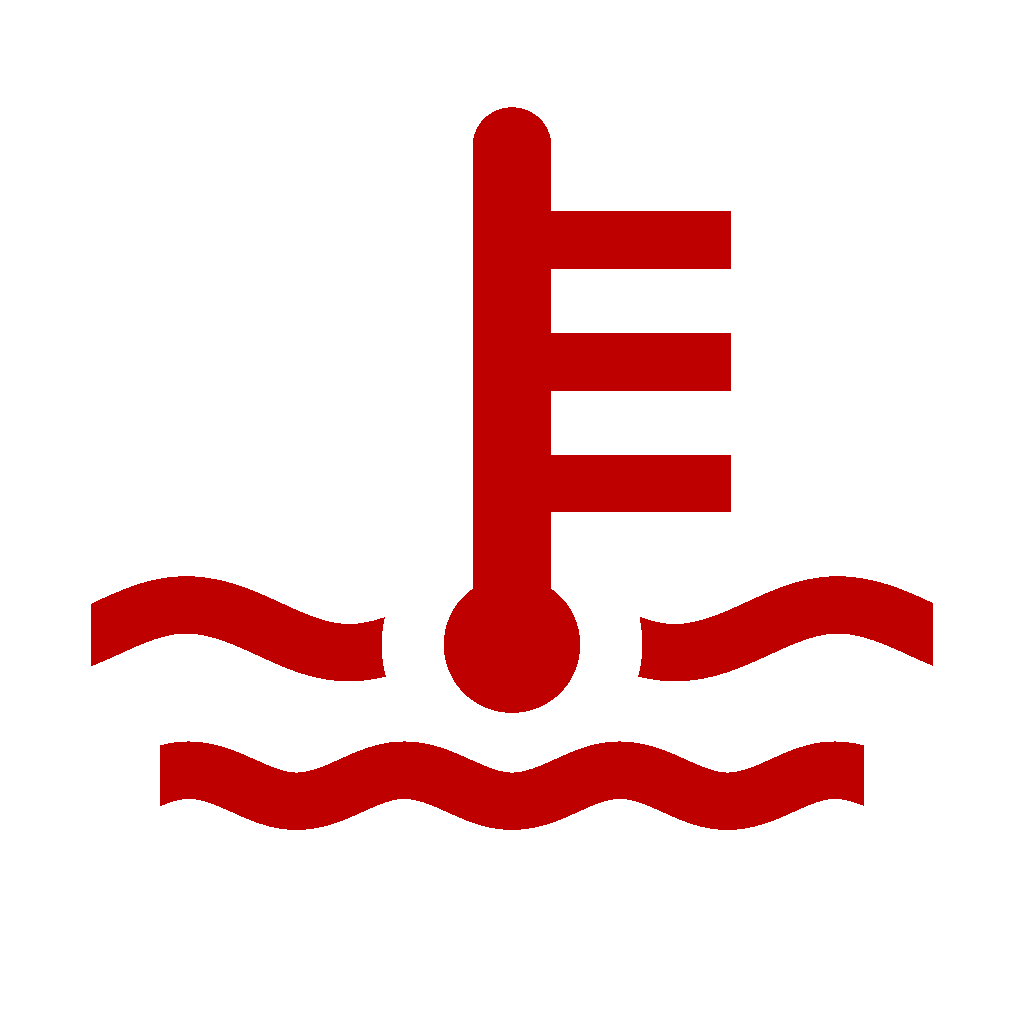 © Wikimedia.org/Mrmw, CC0
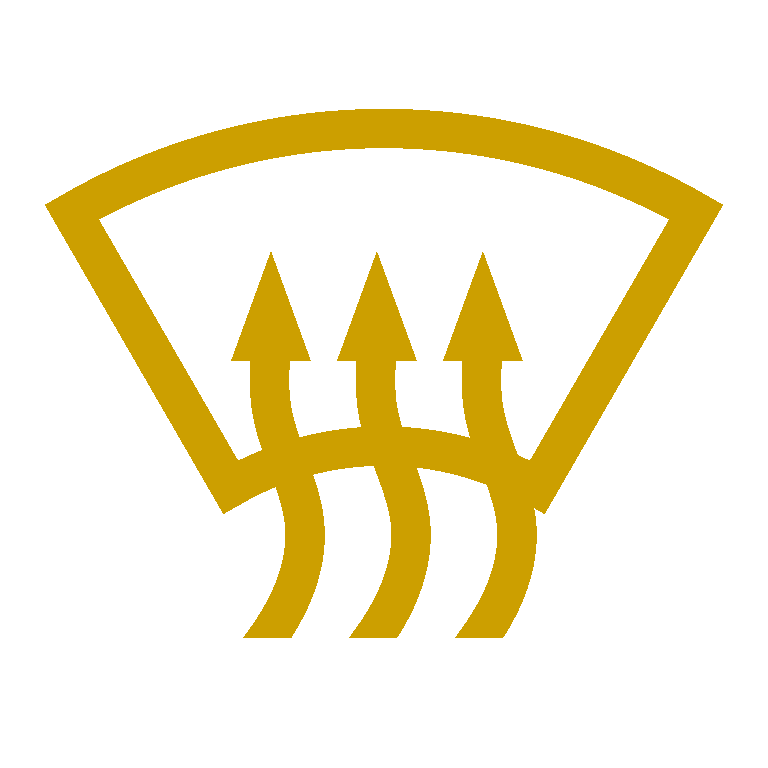 © Wikimedia.org/Mrmw, CC0
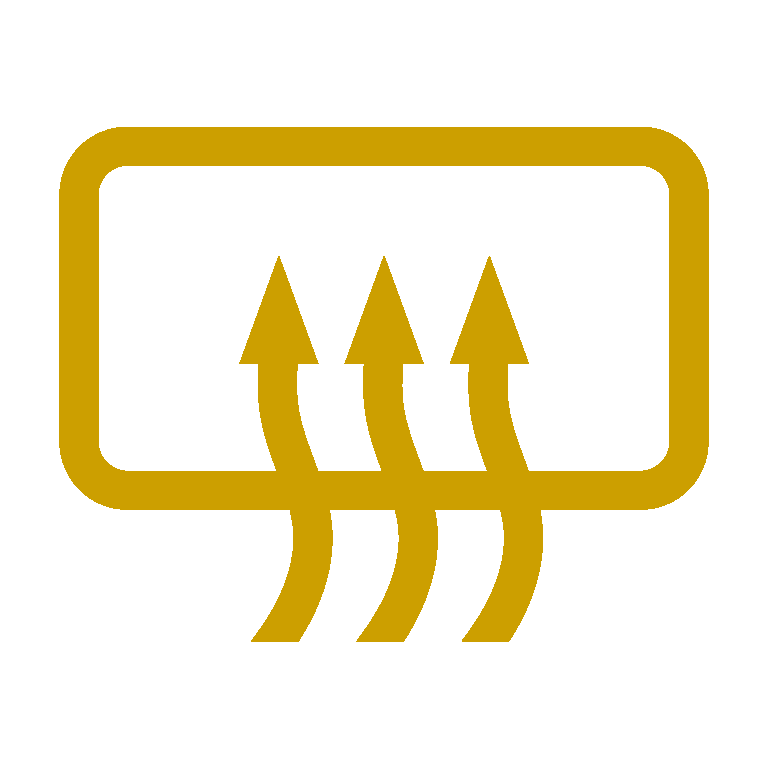 © Wikimedia.org/Mrmw, CC0
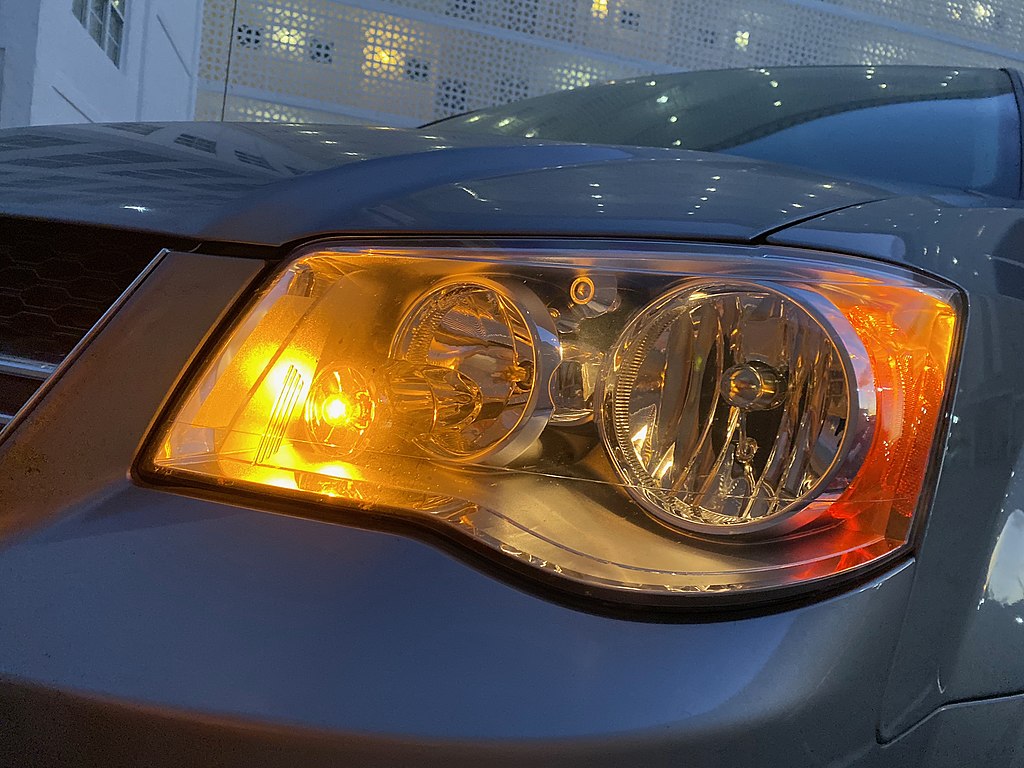
The turn signals are flashing lights on the left and right front and rear of the vehicle. Sometimes also on the sides or on the side mirrors of a vehicle. They are used to indicate the direction to other road users when turning or changing lanes.
 © Wikimedia.org/Ehsnils, CC BY-SA
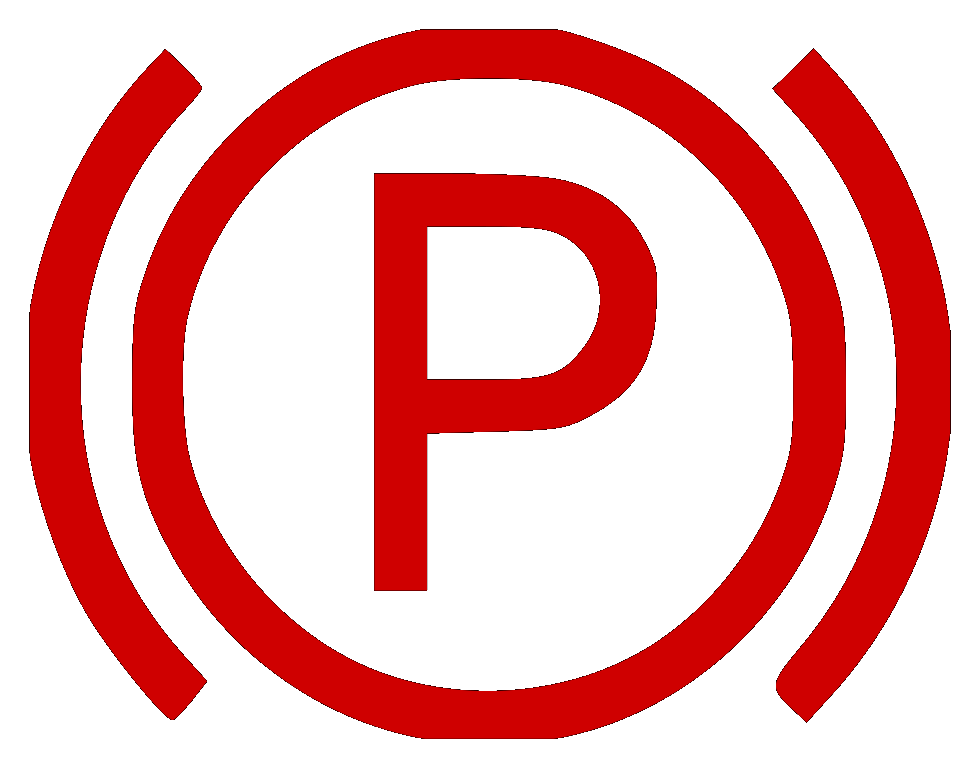
With most vehicles you can blink the four direction indicators simultaneously. These are the warning lights, they may only be used to warn other road users of a hazard.
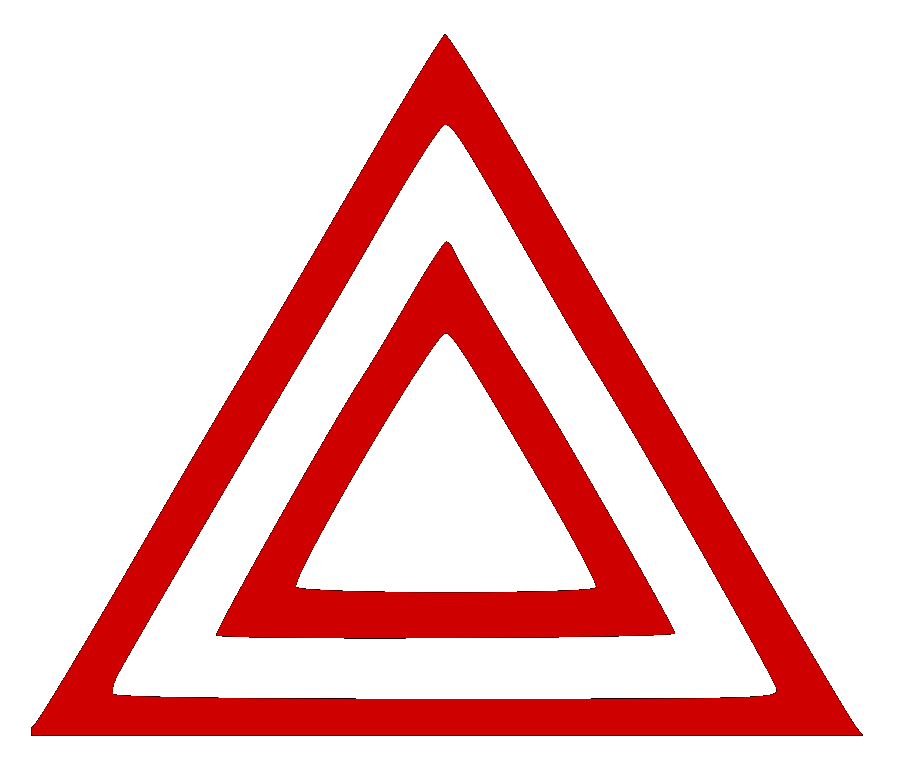 © Wikimedia.org/Ehsnils, CC BY-SA

Time for recess! Post a comment, ask a question or write a review. Feel free to let us know what you think!

this website is a simpy website i love this its fat and im in my mums basement rn help sui u r a mothr fker
 1
1
Hi i am such fat fan of this great gaming website. Im so hangry for the cause mate! Liking the simps eating on yall tho nott gonna lie to ya!
0

The system is now changed and they use some type of tablet for the exam now. Do anyone have the questions which they ask in the tablet because the questions are different. I still didn’t pass my provisional driving knowledge test. It would be great if someone could help
1
Good exercise !! Looking for some drift friends, hit to my email Funnyparts@gmail.com

The exercise of the activity of TVDE driver, without it being registered on an electronic platform, incurs:
0

Who will be responsible for infractions that may be committed and for damages caused to third parties, without prejudice to the corresponding administrative sanctions:
0

This answer is incorrect. What does this traffic sign mean? Square sign with a circular not parking inside. Choices: Begin of a zone where parking is allowed, Being of a zone with a speed limit, Begin of zone where parking is prohibited, Begin of a residential area. The correct answer should be Begin of a zone where parking is allowed NOT Begin of zone where parking is prohibited. It is a Controlled parking Zone.
0

Hi! Anyone please suggest me some personal driving tutors in Vantaa for few days.
0





 May 09, 2024















More community