

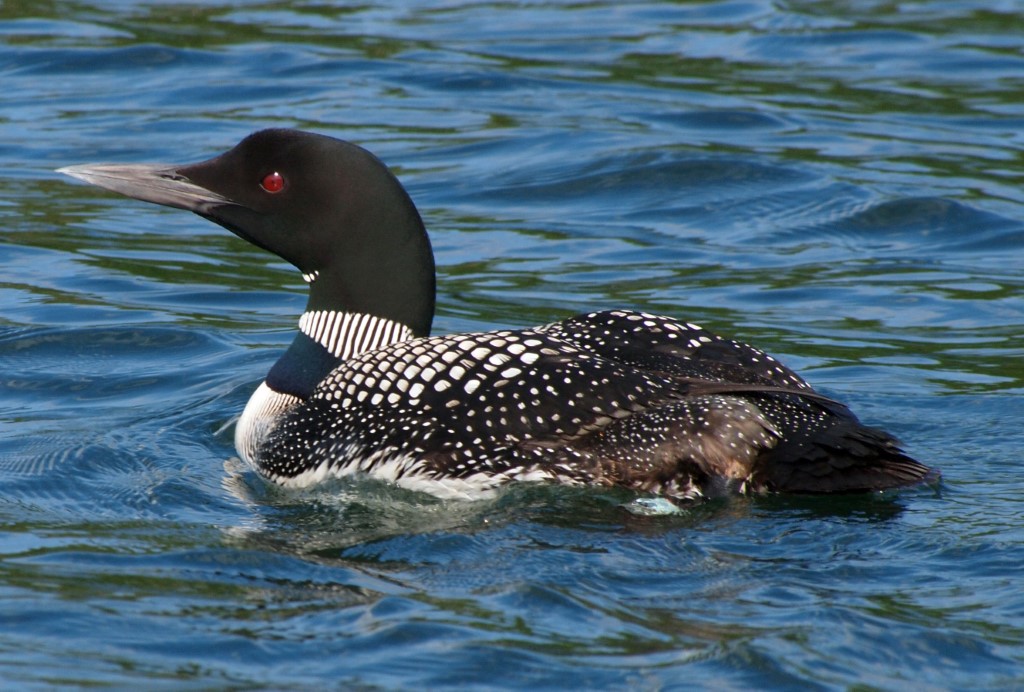
The Common Loon is a large aquatic bird native to North America, known for its striking black-and-white plumage and eerie, distinctive calls. It is often found on lakes and large ponds, especially in Canada and the northern United States. The species is notable for its excellent diving ability and is an important symbol in Canadian culture.
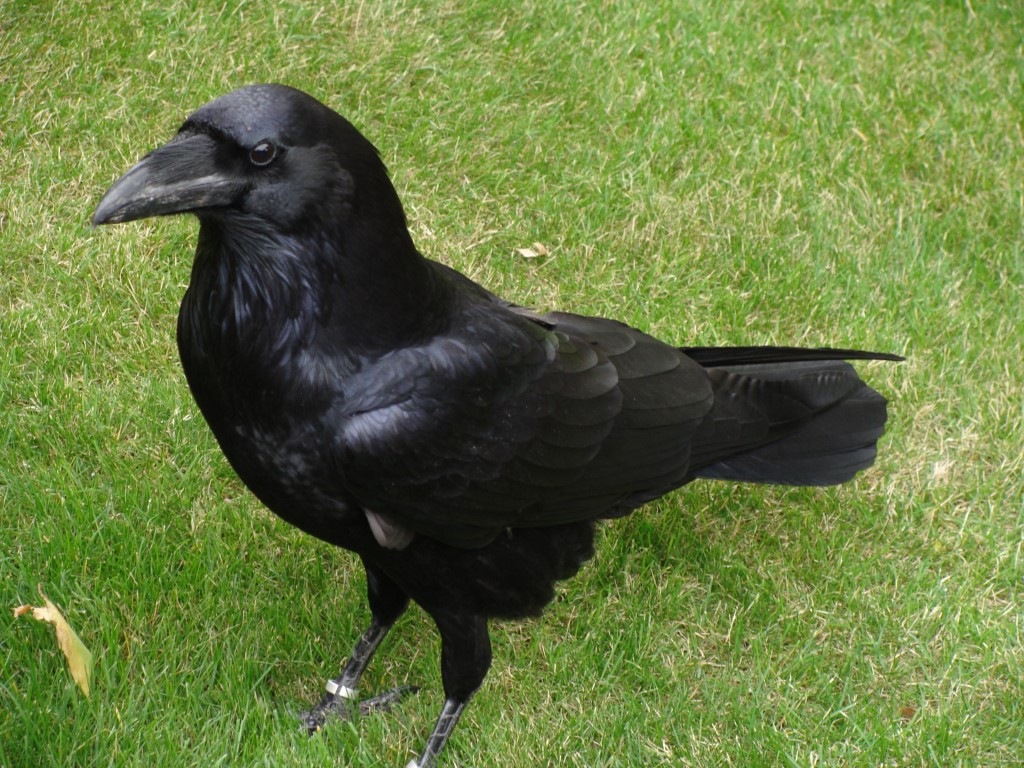
The Common Raven is a large, black bird belonging to the corvid family, native to the Northern Hemisphere. It is known for its intelligence, adaptability, and complex vocalizations. Ravens are found in diverse habitats, from forests to deserts, and have played significant roles in mythology and folklore. Their ability to solve problems and use tools has made them a subject of scientific study.
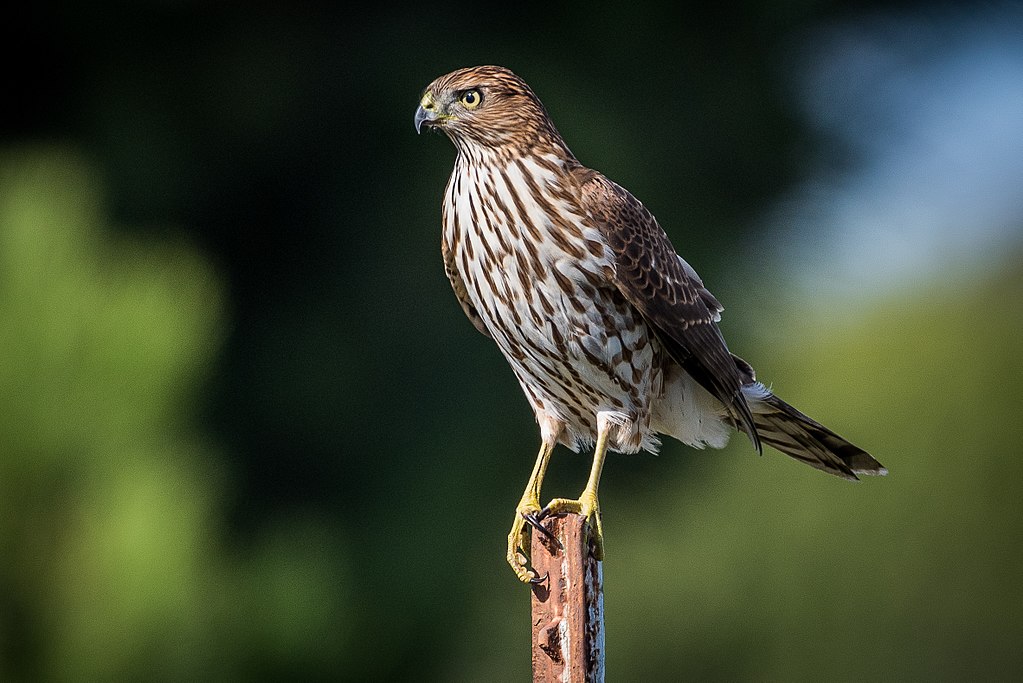
Cooper’s Hawk is a medium-sized bird of prey native to North America, belonging to the Accipiter genus. It is recognized for its agile flight and hunting skills, often preying on smaller birds and mammals in wooded habitats. The species is commonly seen in both rural and urban areas. Cooper’s Hawk plays an important role in maintaining ecological balance within its environment.
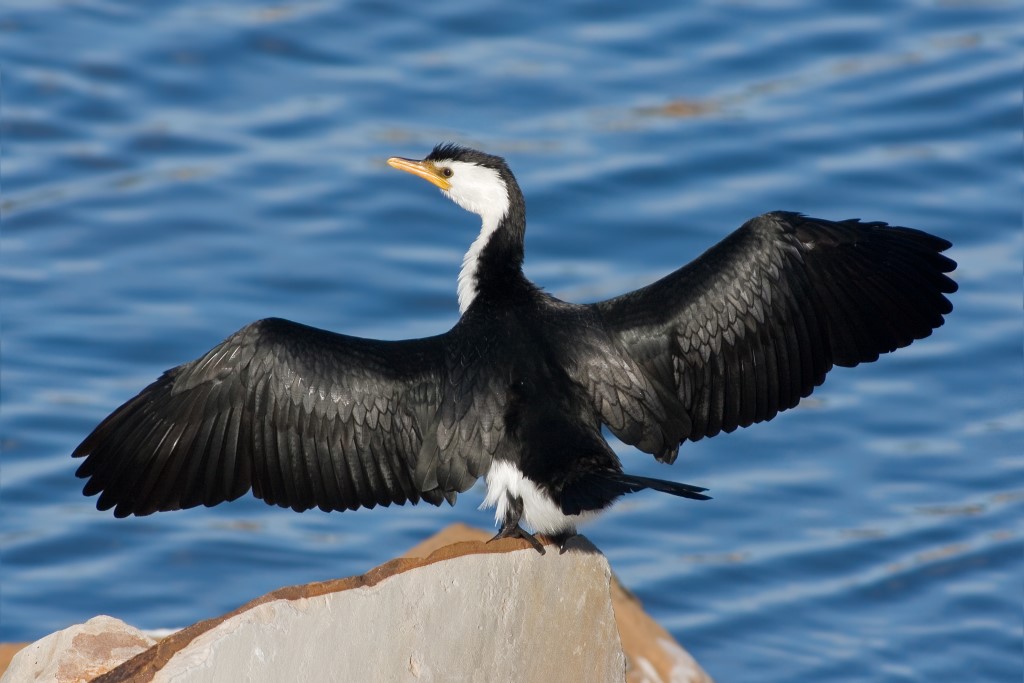
A cormorant is a type of aquatic bird found in many parts of the world. Known for their excellent diving abilities, cormorants primarily feed on fish and are often seen near lakes, rivers, and coastal regions. They are significant in both natural ecosystems and human culture, with some societies historically using them for fishing. Cormorants are easily identified by their long necks and dark plumage.
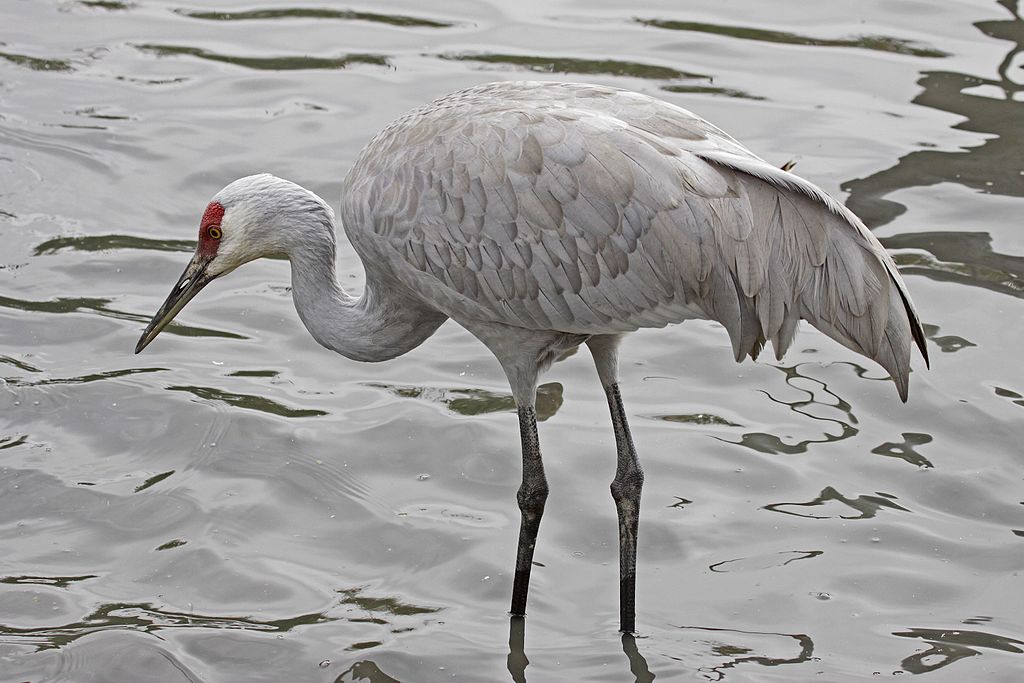
A crane is a large, long-legged and long-necked bird belonging to the family Gruidae. Cranes are found on most continents and are known for their elaborate courtship dances and migratory behavior. The bird holds cultural significance in many societies, symbolizing longevity and good fortune, especially in East Asia.
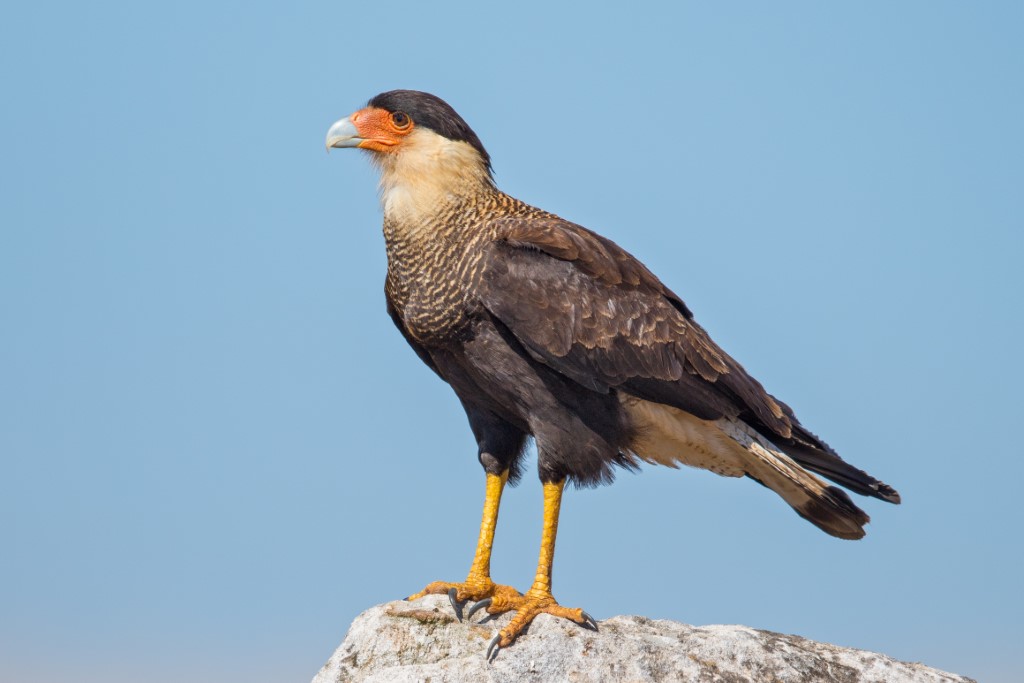
The crested caracara is a large bird of prey in the falcon family, native to the Americas. It is known for its striking appearance, featuring a prominent crest and bold facial markings. The species inhabits open and semi-open areas, including grasslands and savannas, from the southern United States through Central and South America. The crested caracara is notable for its opportunistic feeding habits and adaptability to various environments.
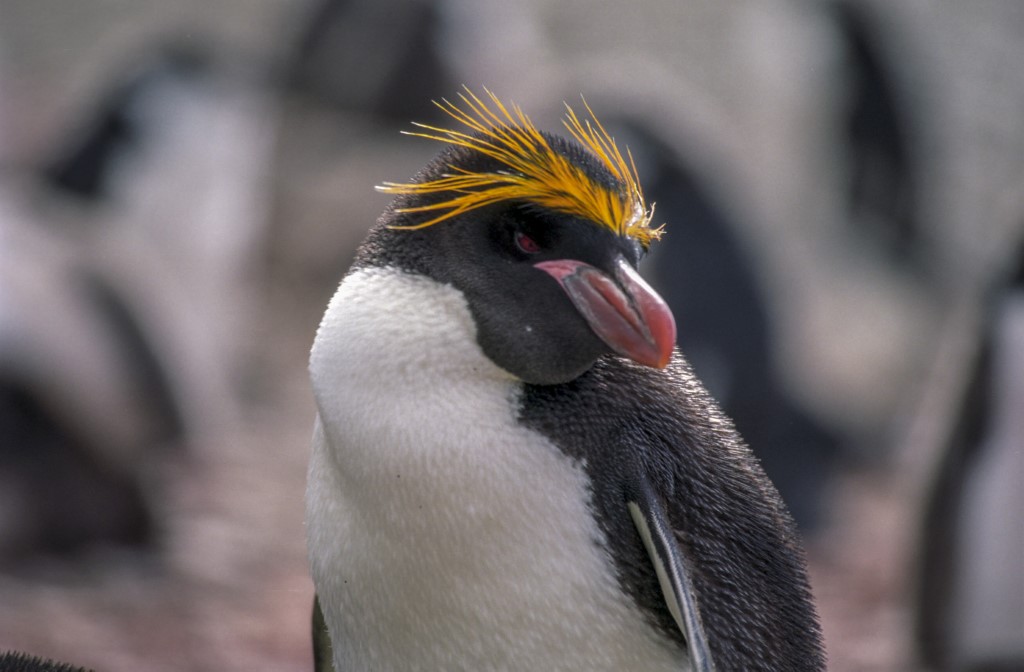
Crested penguins are a group of medium-sized penguin species characterized by distinctive yellow crests on their heads. They are primarily found on sub-Antarctic islands in the Southern Hemisphere and are known for their striking appearance and complex breeding behaviors. These penguins belong to the genus Eudyptes and include species such as the macaroni and rockhopper penguins. Their populations are of interest to conservationists due to environmental threats and habitat changes.
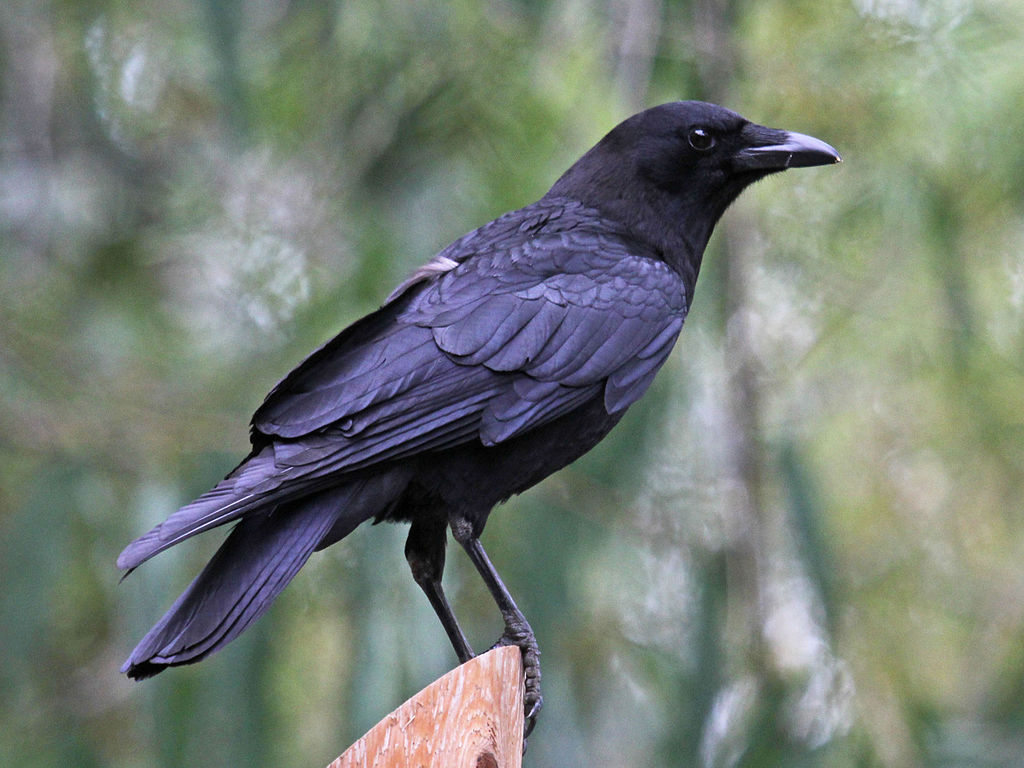
A crow is a type of bird belonging to the genus Corvus, known for its black plumage, intelligence, and adaptability. Crows are found worldwide and are notable for their problem-solving skills and complex social behaviors. They are often studied in the fields of ornithology and animal cognition, and have cultural significance in folklore and mythology.
The cuckoo is a type of bird belonging to the family Cuculidae, found in many parts of the world. It is particularly known for its unique breeding behavior, where some species lay their eggs in the nests of other birds, a practice called brood parasitism. The cuckoo's distinct call and reproductive strategies have made it a subject of interest in ornithology and folklore.
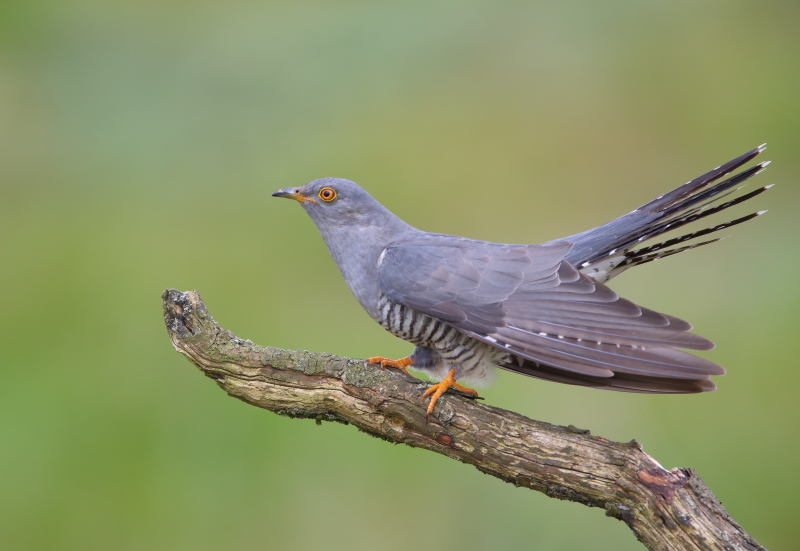
© Wikimedia.org/Creepanta, CC BY-SA
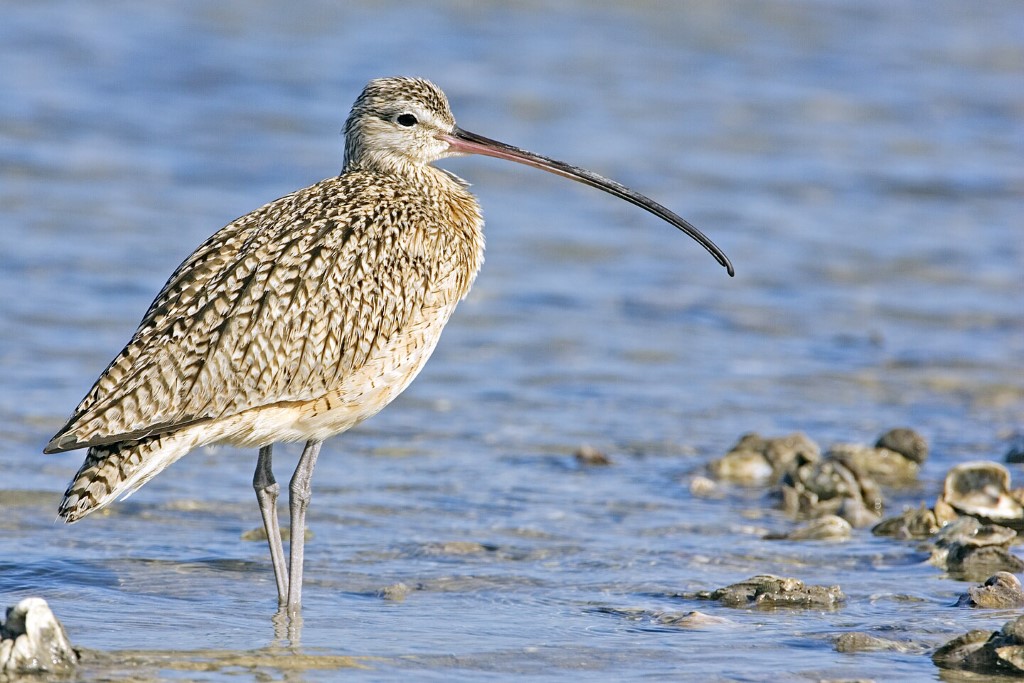
A curlew is a type of wading bird belonging to the genus Numenius, recognized for its long, down-curved bill and distinctive call. Curlews are found in temperate regions across Europe, Asia, and North America, often inhabiting wetlands and coastal areas. They are known for their migratory behavior and play an important role in their ecosystems. Some curlew species are of conservation concern due to habitat loss and declining populations.
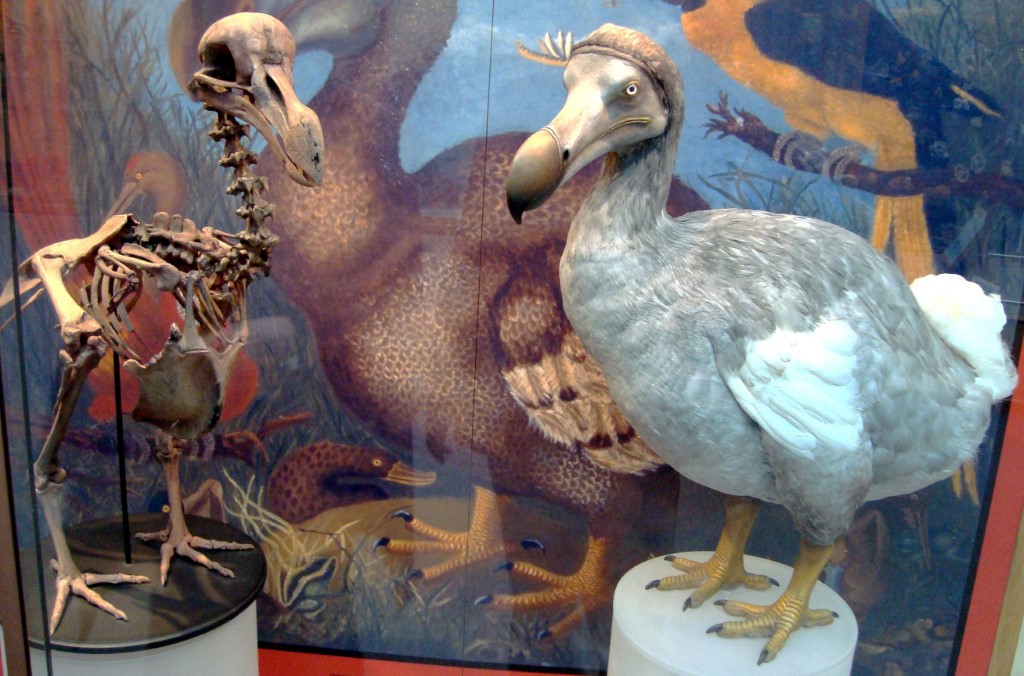
The dodo was a flightless bird native to the island of Mauritius in the Indian Ocean. It became extinct in the late 17th century, primarily due to human activity and introduced species. The dodo is often cited as a symbol of extinct species and the impact of human colonization on island ecosystems. Its disappearance has made it a subject of interest in studies of extinction and conservation biology.
A duck is a type of waterfowl belonging to the family Anatidae, found in both freshwater and seawater environments worldwide. Ducks are known for their distinctive waddling gait, webbed feet, and broad bills. They play important roles in ecosystems and are also farmed for their meat, eggs, and feathers.

© Wikimedia.org/Paula M Wolter, CC BY-SA
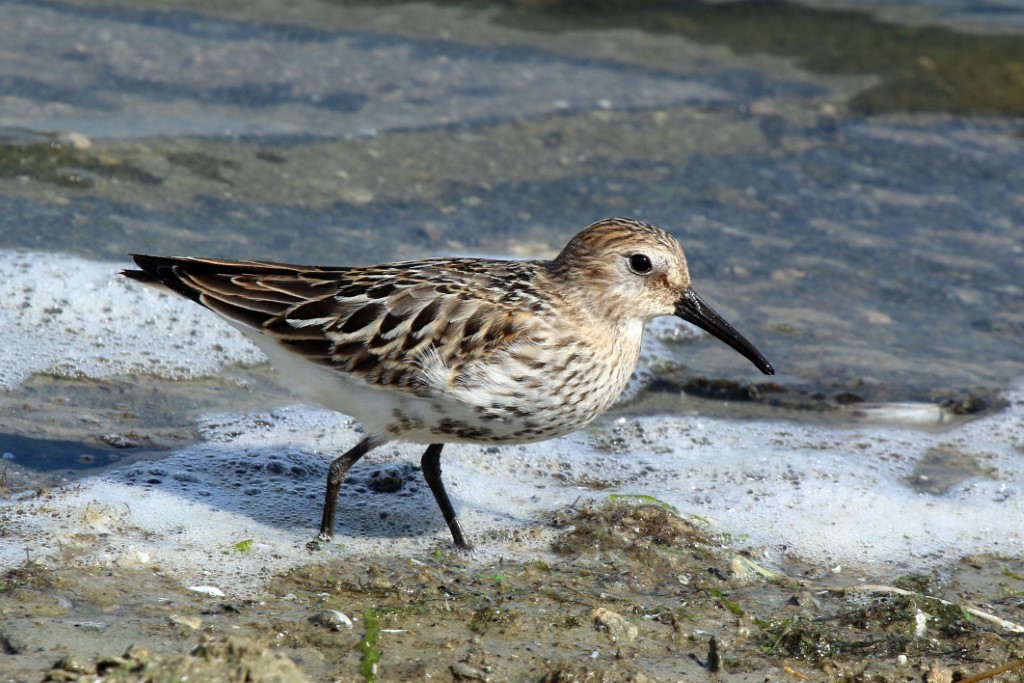
The dunlin is a small migratory wading bird belonging to the sandpiper family. It is known for its distinctive black belly patch during the breeding season and its long, slightly curved bill. Dunlins breed in Arctic and subarctic regions and migrate to coastal areas worldwide during winter. They play an important role in wetland ecosystems and are commonly observed in large flocks along mudflats and estuaries.
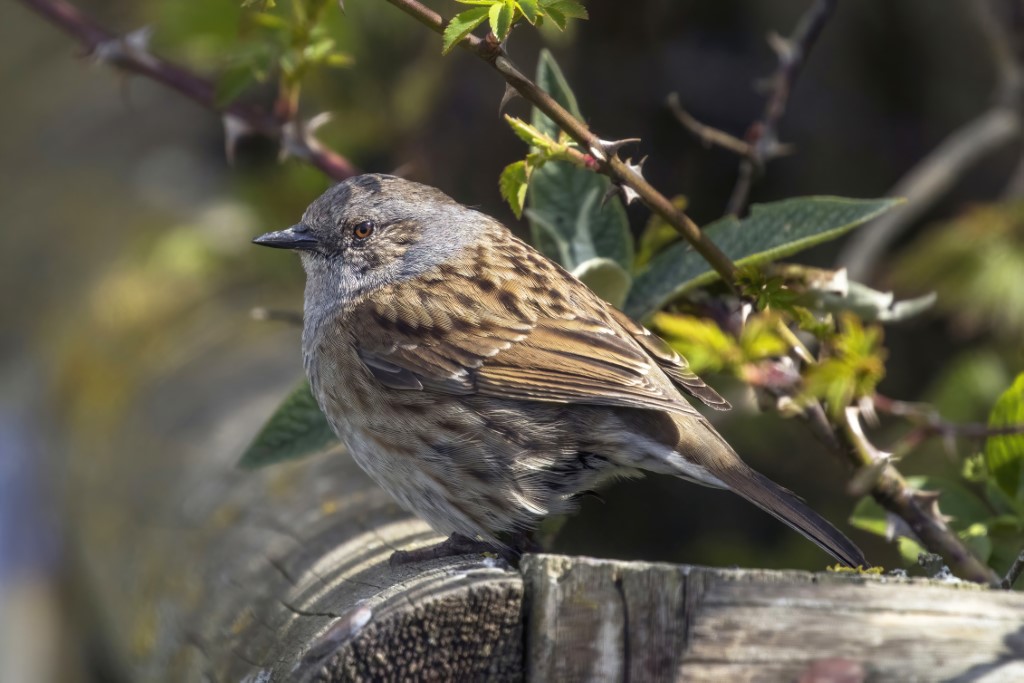
The Dunnock is a small passerine bird native to Europe and parts of Asia. Also known as the hedge sparrow, it is recognized for its unobtrusive brown and grey plumage and its preference for dense undergrowth. Dunnocks are notable for their complex mating systems and are commonly found in gardens and woodlands.
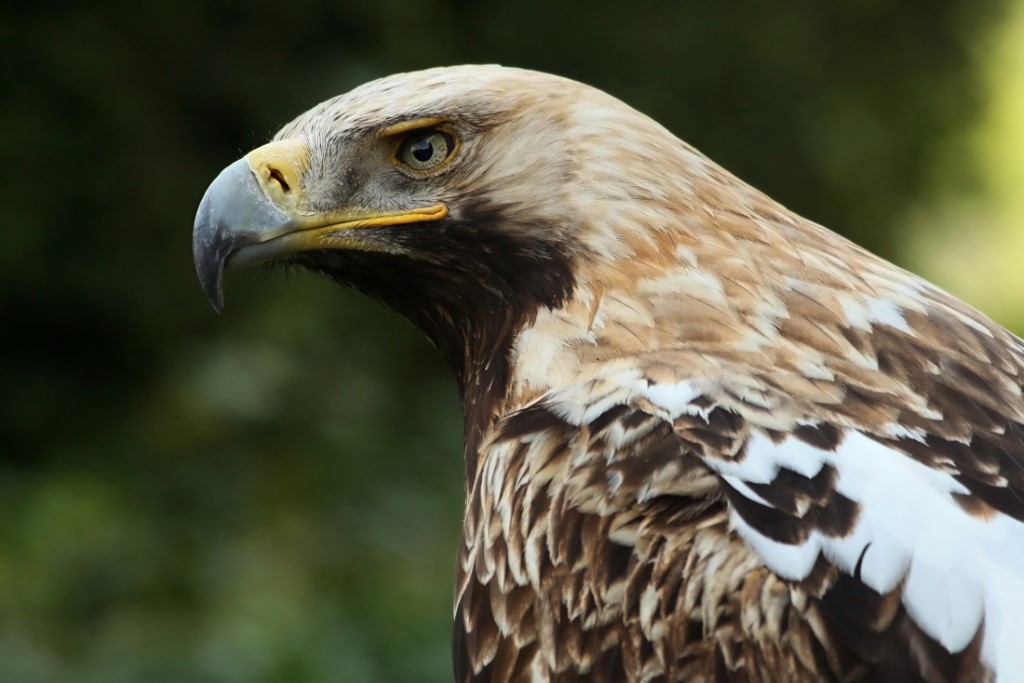
An eagle is a large bird of prey belonging to the family Accipitridae, known for its powerful build, keen eyesight, and impressive hunting abilities. Eagles are found on every continent except Antarctica and are often symbols of strength and freedom in various cultures. Notable species include the bald eagle, which is the national bird of the United States.
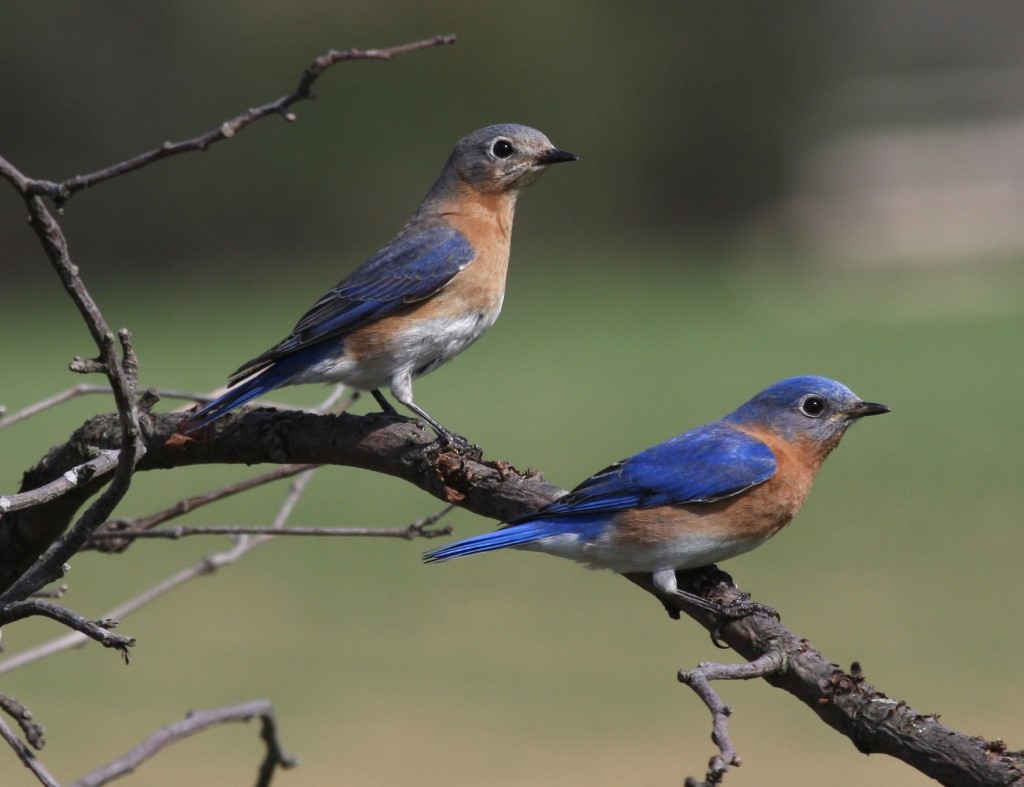
The Eastern Bluebird is a small North American songbird recognized for its bright blue plumage and rusty red breast. It inhabits open woodlands, farmlands, and orchards across eastern North America. The species is valued for its beauty and is often considered a symbol of happiness and hope.
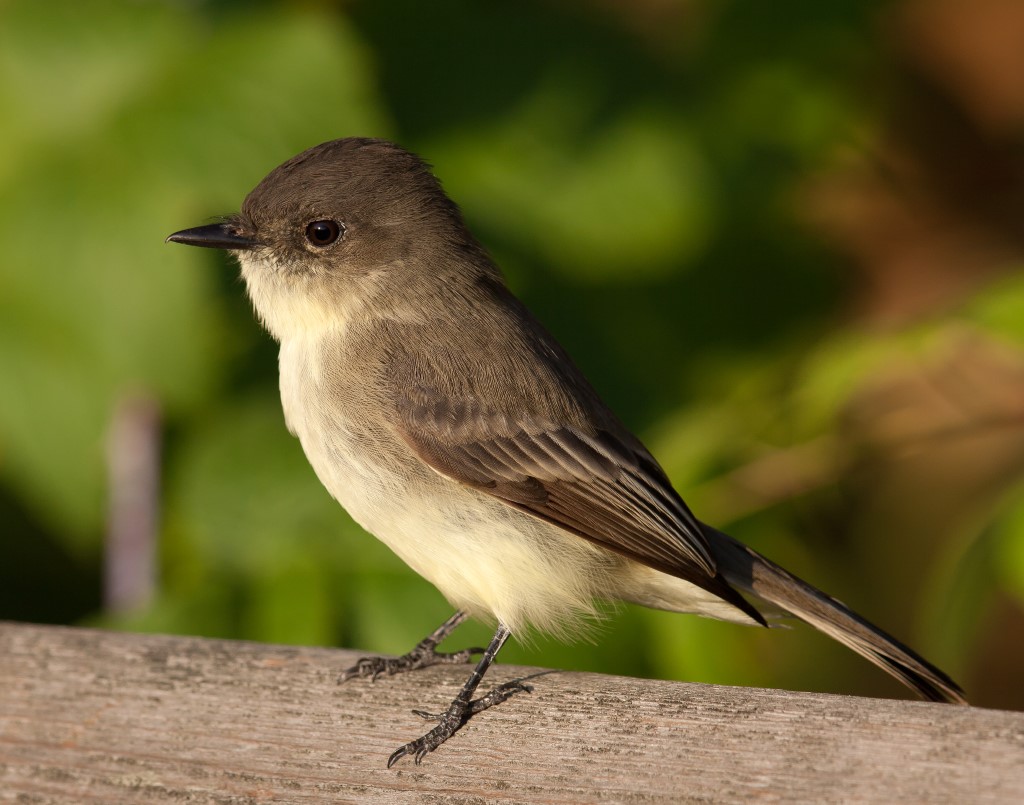
The Eastern Phoebe is a small passerine bird native to North America, particularly common in the eastern United States and parts of Canada. It is recognized for its plain plumage and distinctive 'phoebe' call, which gives the bird its name. The Eastern Phoebe is often observed near water sources and is known for building nests on human structures.
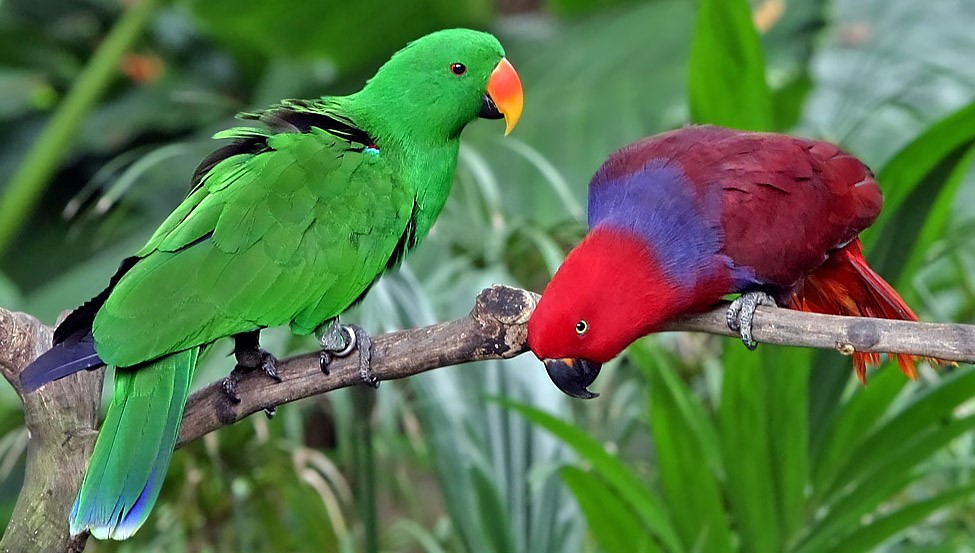
The Eclectus Parrot is a species of parrot native to the Solomon Islands, New Guinea, and nearby regions. It is notable for its striking sexual dimorphism, with males displaying bright green plumage and females exhibiting vibrant red and purple colors. Eclectus Parrots are popular in aviculture due to their intelligence and ability to mimic human speech. They are studied for their unique coloration and social behavior.
© Wikimedia.org/Shiny Things, CC BY
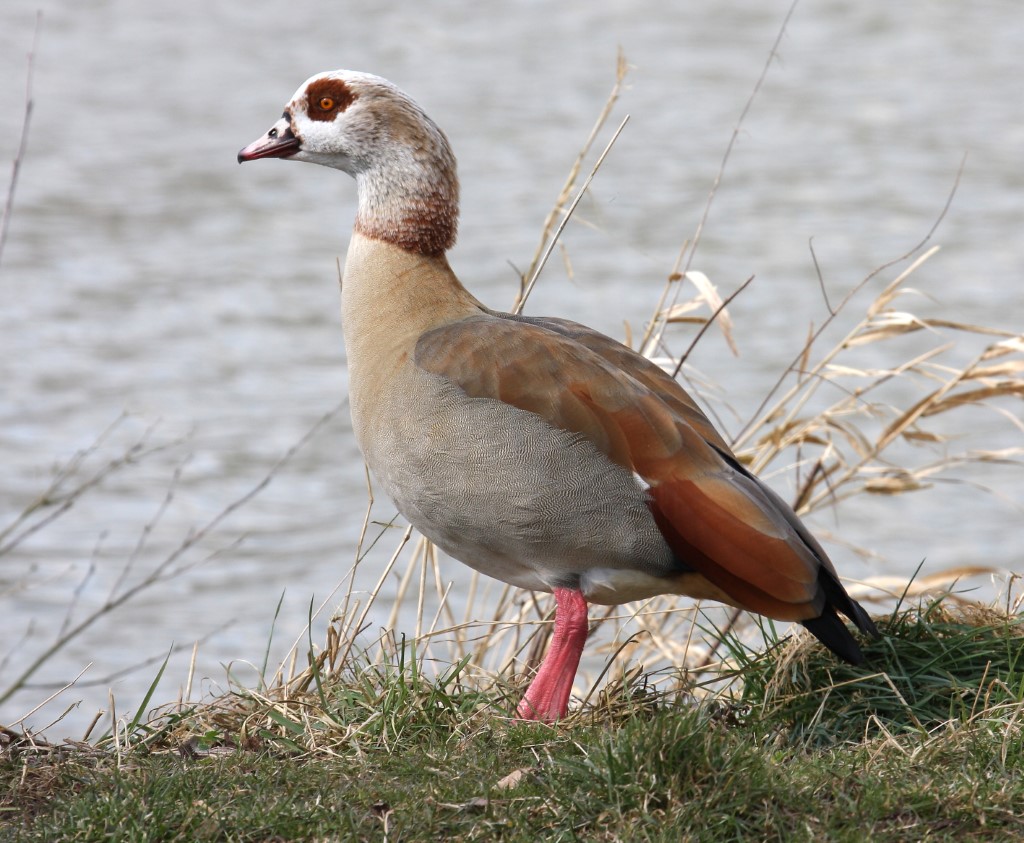
The Egyptian goose is a species of waterfowl native to Africa, particularly the Nile Valley and sub-Saharan regions. It is known for its distinctive eye patches and colorful plumage. The species has also established populations in parts of Europe and is often seen in parks and wetlands.
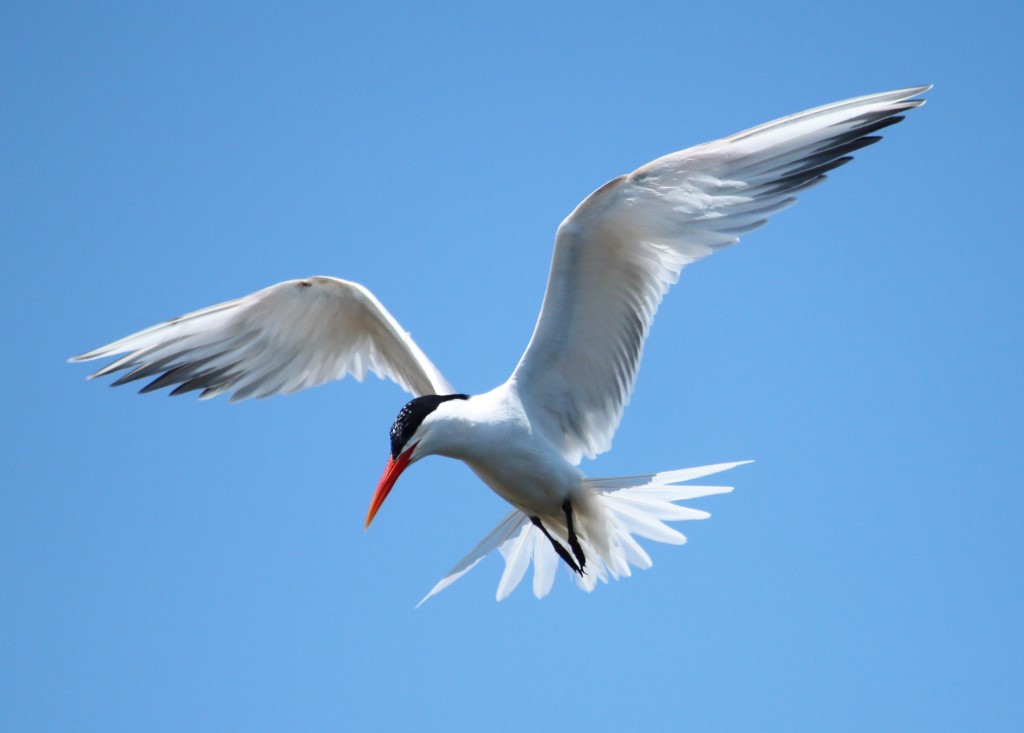
The Elegant Tern is a medium-sized seabird found along the Pacific coasts of the Americas. It is recognized for its slender body, long orange bill, and graceful flight patterns. This bird is notable within ornithology for its migratory behavior and its role in coastal ecosystems. The Elegant Tern is often studied for its breeding colonies, particularly in California and Mexico.
© Wikimedia.org/Regular Daddy, CC BY-SA
The Emperor Penguin is the largest species of penguin and is native to Antarctica. It is known for its distinctive black and white plumage, as well as its remarkable breeding behavior, which includes incubating eggs during the harsh Antarctic winter. The species is significant in biology for its adaptations to extreme cold and its social nesting habits.

© Wikimedia.org/Denis Luyten, CC0
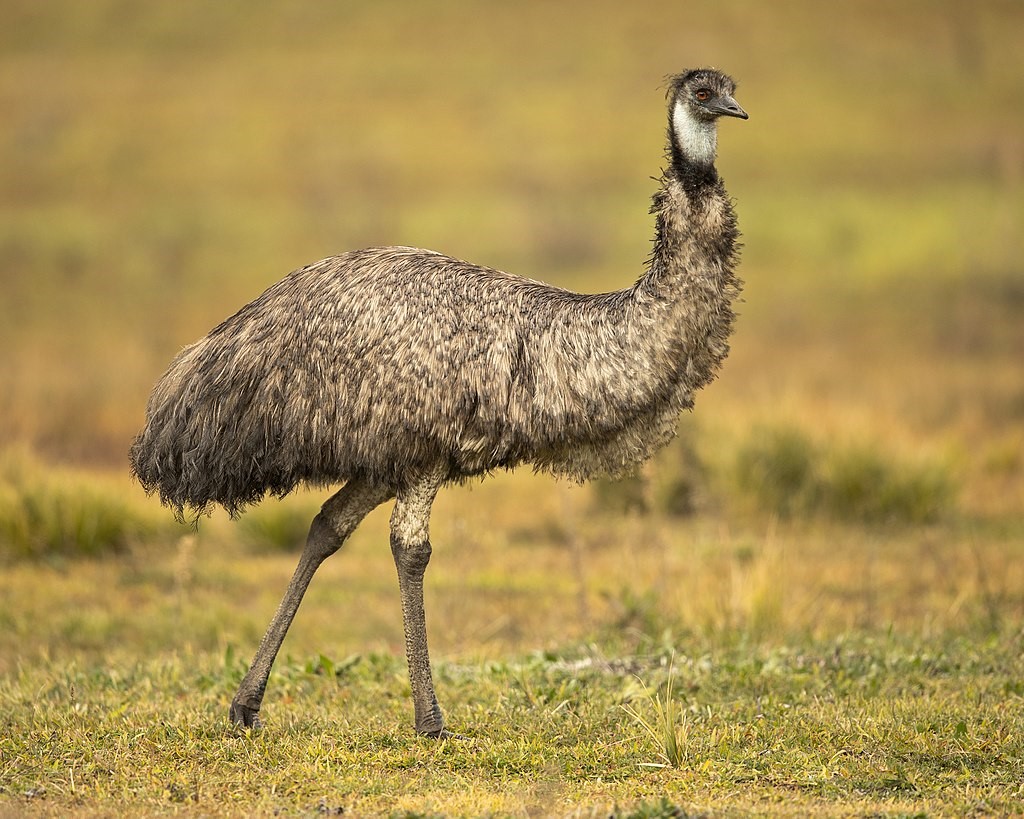
The emu is a large, flightless bird native to Australia and is the second-largest living bird by height after the ostrich. Emus are known for their long legs, fast running speed, and distinctive appearance. They play a significant role in Australian culture and ecology, and are a protected species in their native habitat.
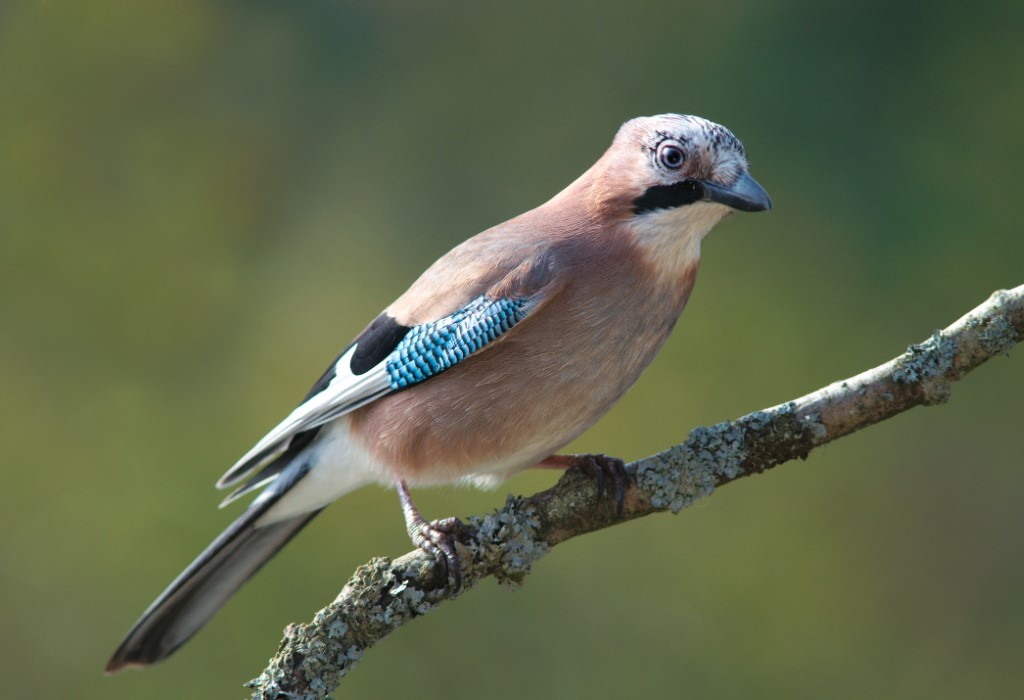
The Eurasian Jay is a species of bird in the crow family, scientifically known as Garrulus glandarius. It is native to Europe and parts of Asia and is recognized for its striking plumage and intelligence. The Eurasian Jay plays an important role in forest ecosystems, particularly in seed dispersal.
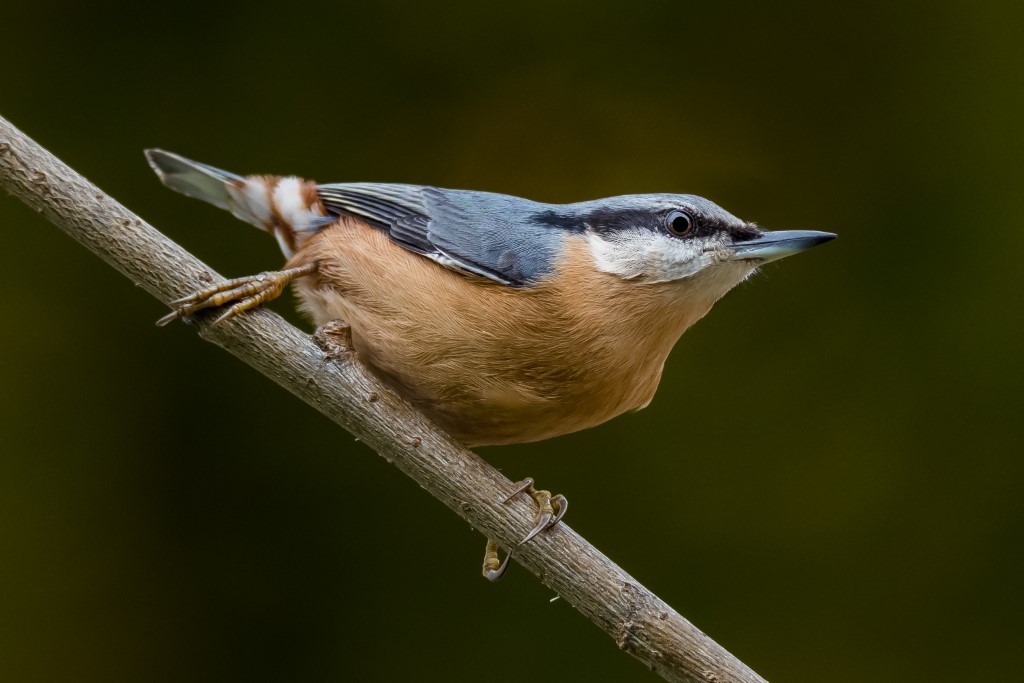
The Eurasian Nuthatch is a small passerine bird found across Europe and parts of Asia. Recognized for its blue-gray upperparts and ability to climb down trees headfirst, it is a member of the Sittidae family. This species is notable in ornithology for its distinctive behavior and widespread presence in woodlands.
The European bee-eater is a brightly colored bird species found across southern Europe, parts of North Africa, and western Asia. It is recognized for its vivid plumage and its habit of catching and eating bees and other flying insects. The species migrates seasonally and nests in colonies, often in sandy banks.

© Wikimedia.org/El Golli Mohamed, CC BY-SA
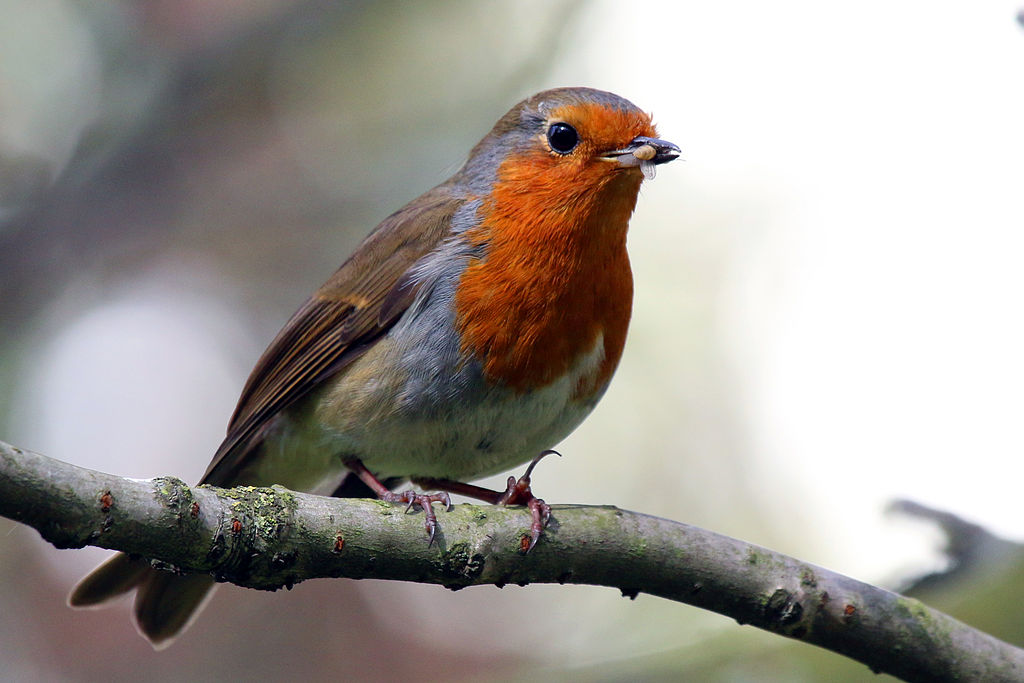
The European robin is a small, insectivorous bird found across Europe, western Asia, and parts of North Africa. Recognized by its orange-red breast and melodious song, it is a familiar species in gardens and woodlands. The robin holds cultural significance in various countries and is often associated with winter and Christmas imagery.
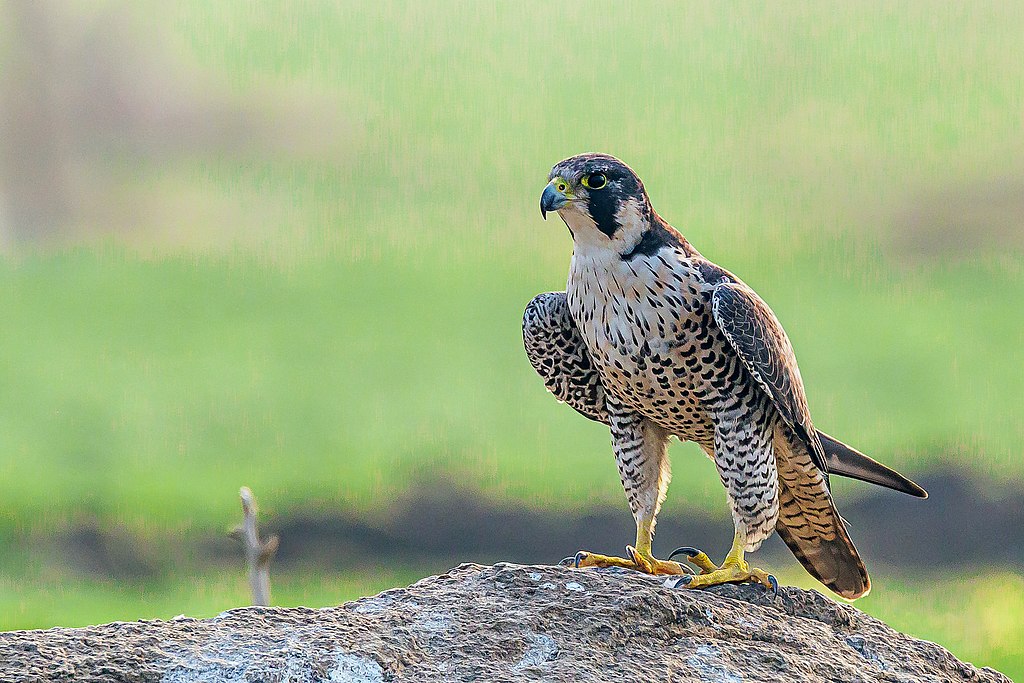
A falcon is a bird of prey belonging to the genus Falco, recognized for its sharp beak, keen eyesight, and exceptional speed in flight. Falcons are found worldwide and are known for their hunting skills, often capturing prey in mid-air. They have cultural significance in many societies and are commonly used in the sport of falconry.
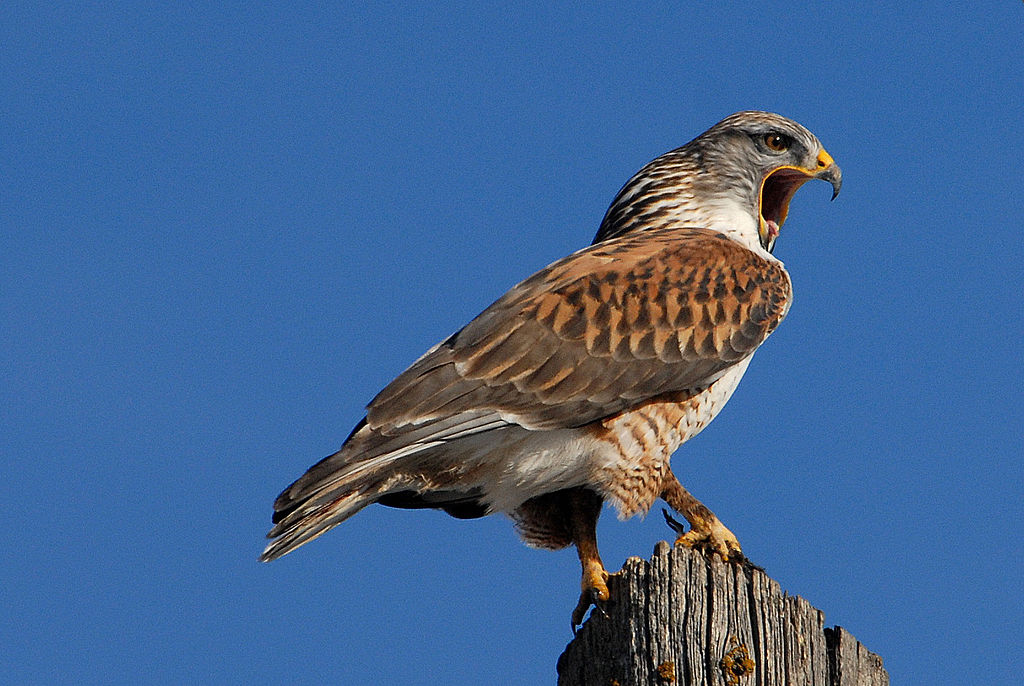
The Ferruginous Hawk is a large bird of prey native to North America, particularly the open grasslands and prairies of the western United States and Canada. It is distinguished by its rust-colored plumage and broad wings. This species is significant in ornithology for its role in the ecosystem as a top predator and indicator of grassland health.
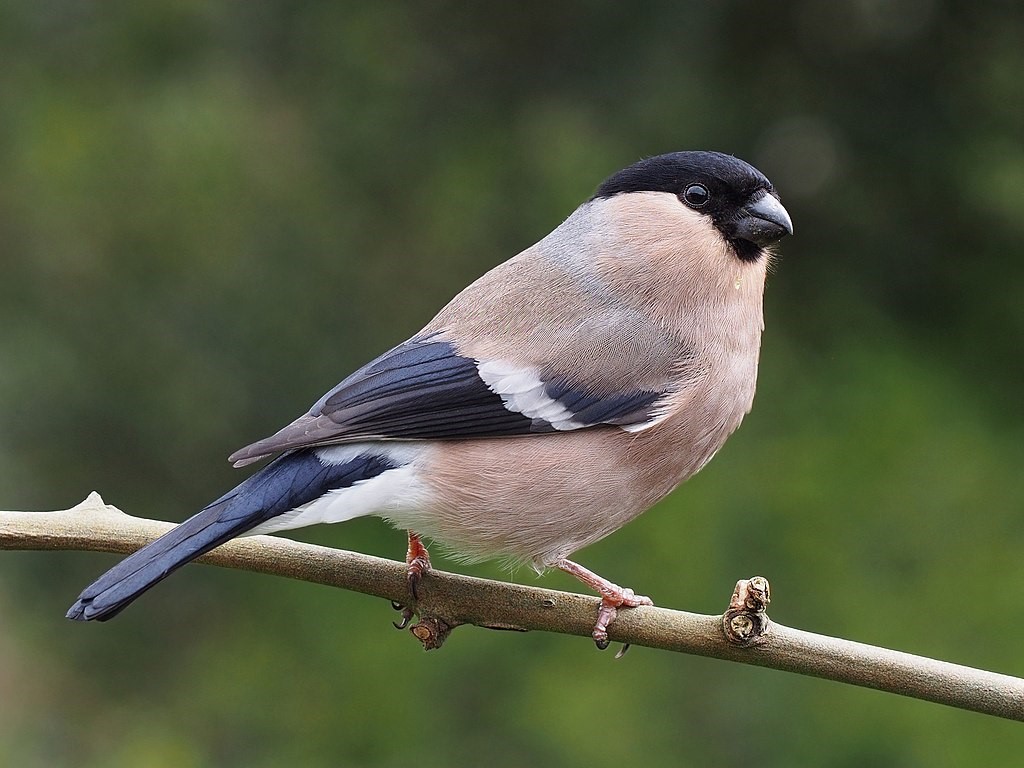
A finch is a small to medium-sized passerine bird belonging to the family Fringillidae. Finches are known for their conical beaks, which are adapted for eating seeds, and their diverse plumage. They are found in many parts of the world and are popular as both wild and caged birds. Finches play important roles in ecosystems as seed dispersers and are subjects of scientific study, particularly in evolutionary biology.
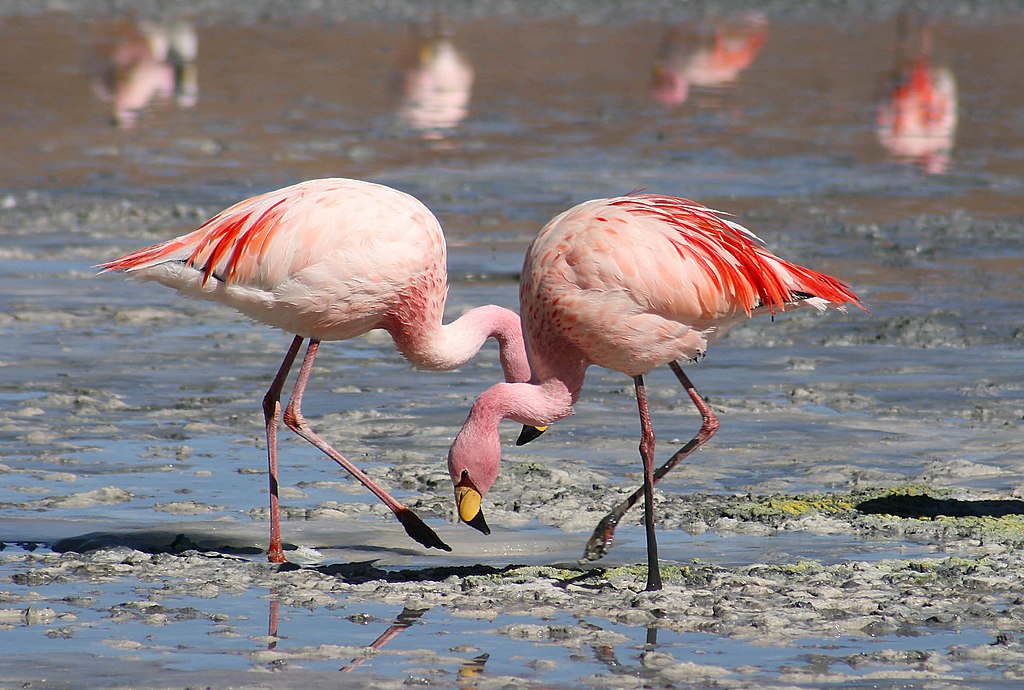
A flamingo is a large, wading bird known for its distinctive pink or reddish feathers, long legs, and curved beak. Flamingos are found in parts of Africa, Asia, the Americas, and Europe, typically inhabiting shallow lakes, lagoons, and wetlands. Their coloration comes from carotenoid pigments in their diet of algae and crustaceans. Flamingos are often associated with tropical imagery and are popular in both wildlife studies and cultural symbolism.
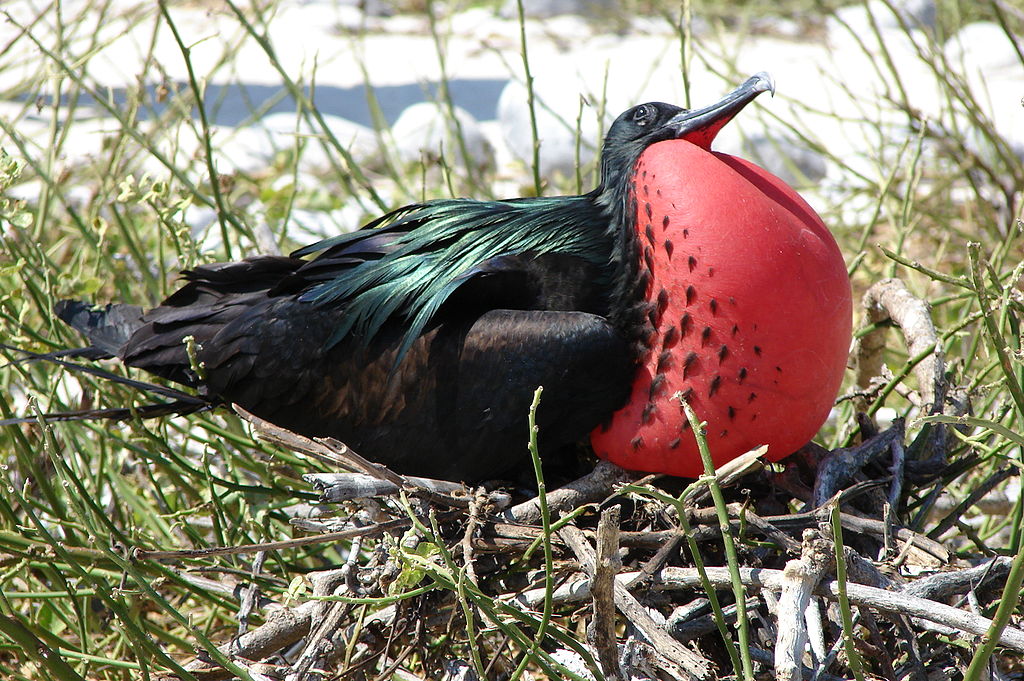
Frigatebirds are large seabirds belonging to the family Fregatidae, found in tropical and subtropical oceans worldwide. They are known for their long wings, forked tails, and the males' distinctive red throat pouches, which inflate during courtship displays. Frigatebirds spend most of their lives in flight, rarely landing on water due to their lightweight bodies and long wingspans. They play a significant role in marine ecosystems and are noted for their aerial agility.
© Wikimedia.org/Jason Corriveau, CC0
The Galapagos Penguin is a species of penguin native to the Galapagos Islands, located off the coast of Ecuador. It is the only penguin species found north of the equator and is adapted to a tropical climate. The Galapagos Penguin is notable for its small population and status as an endangered species.

The Gentoo Penguin is a species of penguin native to the Antarctic Peninsula and surrounding islands. Recognized by the distinctive white stripe across its head and bright orange beak, it is known for being one of the fastest underwater swimming penguins. Gentoo Penguins are studied for their unique breeding behaviors and adaptations to cold environments.

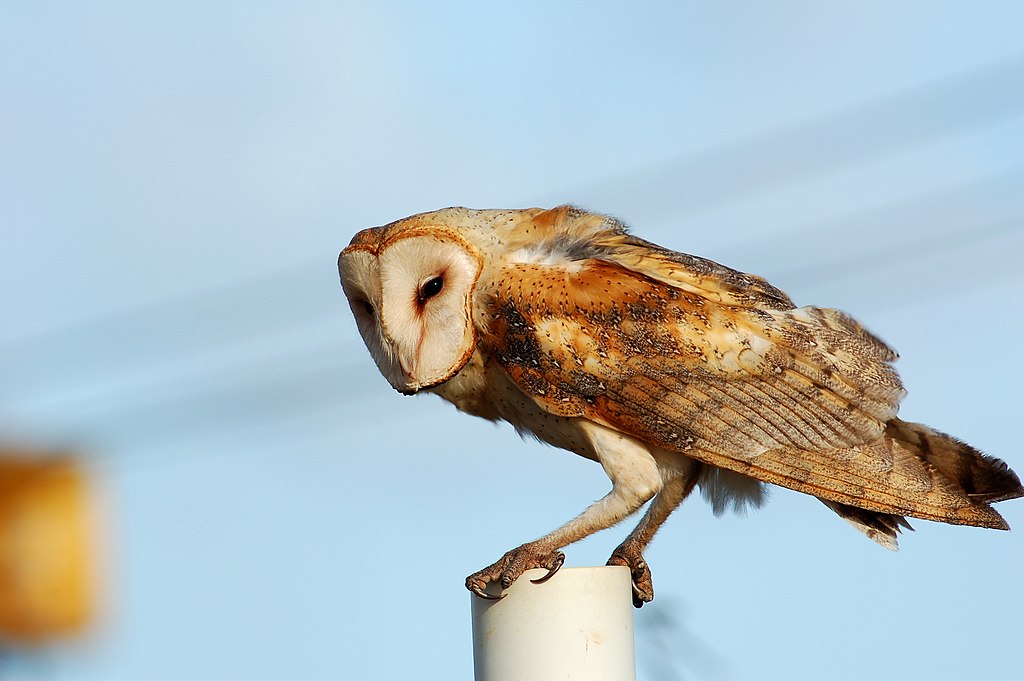
The Golden Masked Owl is a rare species of owl found primarily on the island of New Britain in Papua New Guinea. It is known for its distinctive golden facial disc and striking appearance. This owl is considered vulnerable due to habitat loss and its limited geographic range.
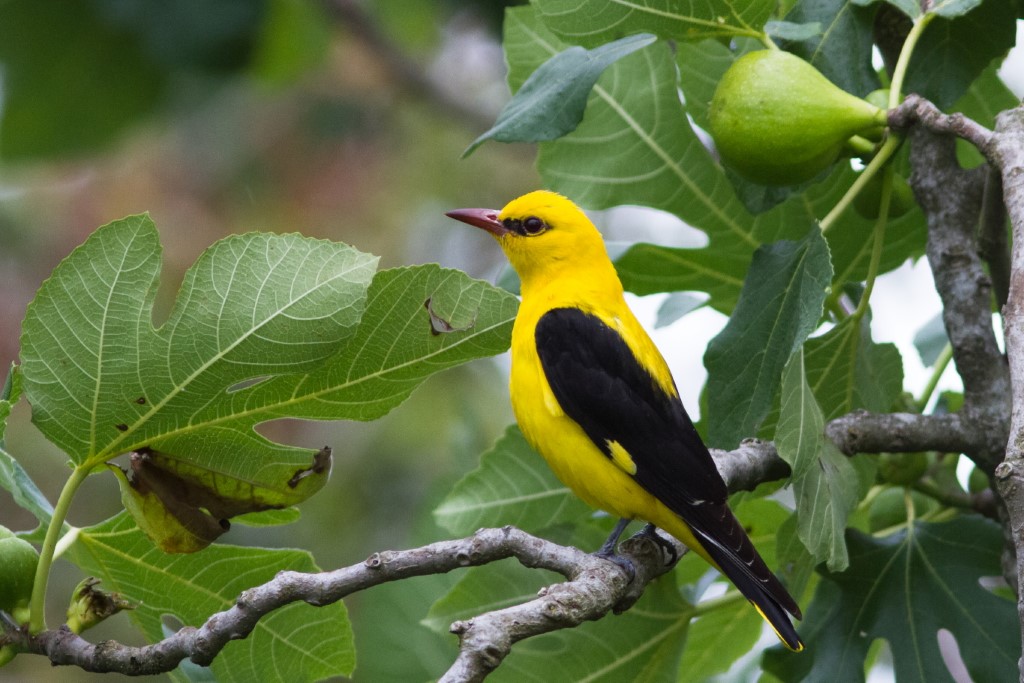
The Golden Oriole is a brightly colored songbird found across Europe, Asia, and parts of Africa. Known for its striking yellow plumage and melodious song, it inhabits woodlands and forests. The species is significant in ornithology due to its migratory patterns and distinctive appearance.
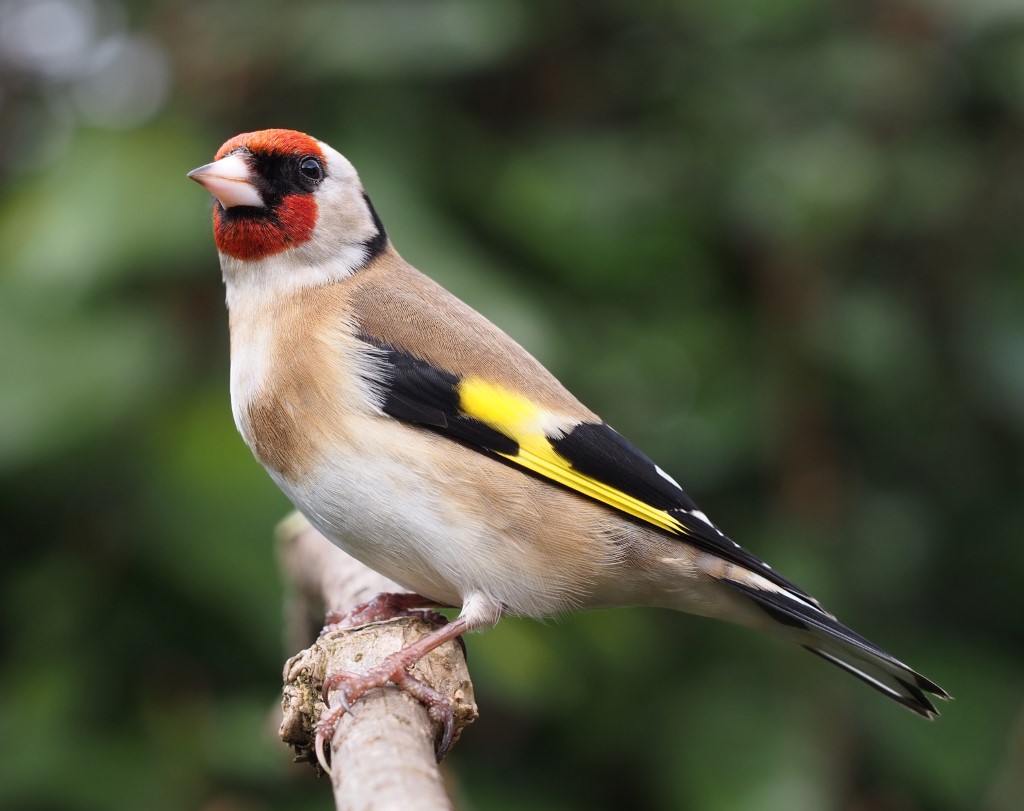
A goldfinch is a small songbird belonging to the finch family, known for its bright yellow plumage and melodic song. There are several species, such as the European goldfinch and the American goldfinch, found in different parts of the world. Goldfinches are significant in ornithology for their role in ecosystems and their popularity among birdwatchers.
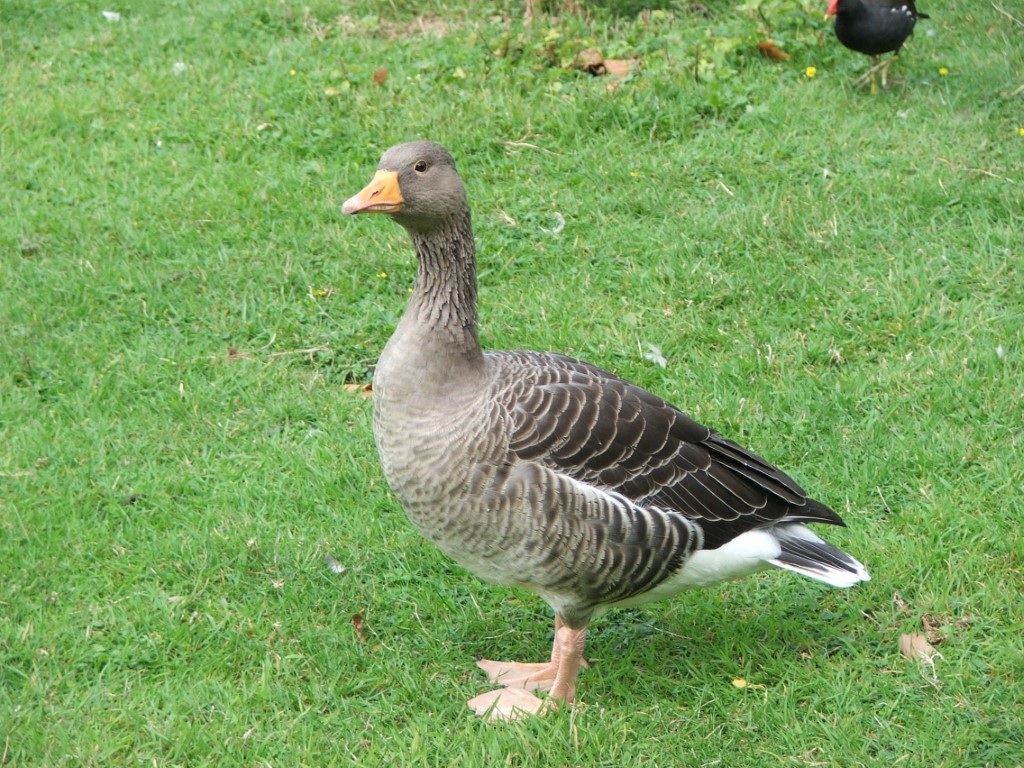
A goose is a large waterfowl belonging to the family Anatidae, which also includes ducks and swans. Geese are known for their migratory behavior, distinctive honking calls, and strong familial bonds. They are found in various parts of the world and have been domesticated for meat, eggs, and feathers. Geese play significant roles in agriculture, folklore, and natural ecosystems.
The goshawk is a medium to large bird of prey belonging to the genus Accipiter, found in forests across Europe, Asia, and North America. It is known for its powerful build, sharp talons, and agile flight, making it a skilled hunter. Goshawks are significant in falconry and have cultural importance in various societies. Their presence is often an indicator of healthy woodland ecosystems.
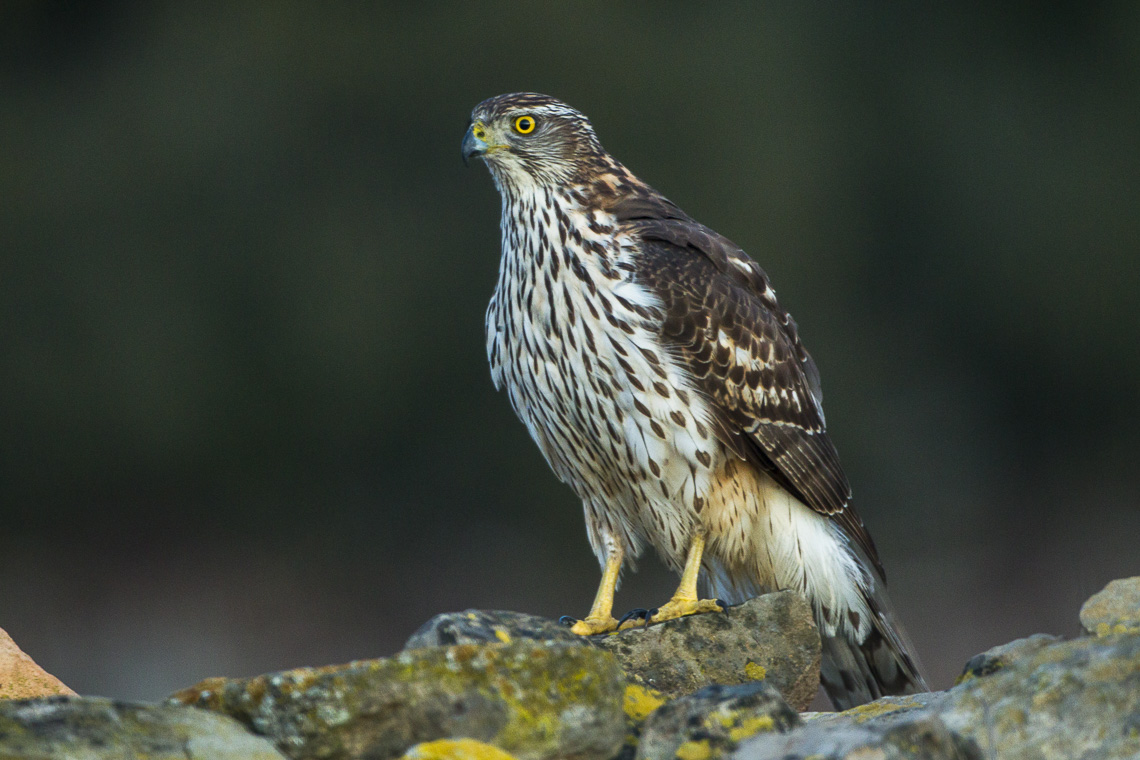
© Wikimedia.org/Andrey Gulivanov, CC BY
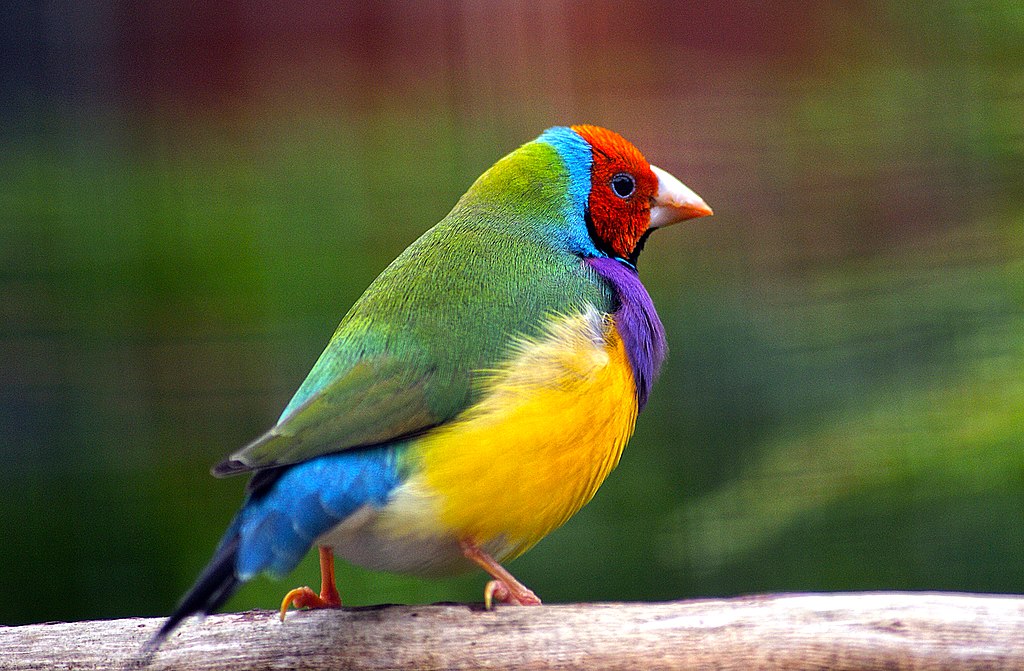
The Gouldian Finch is a brightly colored passerine bird native to northern Australia. It is known for its vibrant plumage, featuring combinations of red, green, yellow, and blue. The species is often kept as an ornamental bird and is studied for its unique genetics and social behavior. Conservation efforts are ongoing due to its declining wild population.
The Great Blue Heron is a large wading bird native to North America, easily identified by its tall stature, long neck, and blue-gray plumage. It inhabits wetlands, marshes, and shorelines, where it hunts for fish and amphibians. The species is significant in ecological studies due to its role as a top predator in aquatic environments. It is also a common subject in wildlife observation and birdwatching.
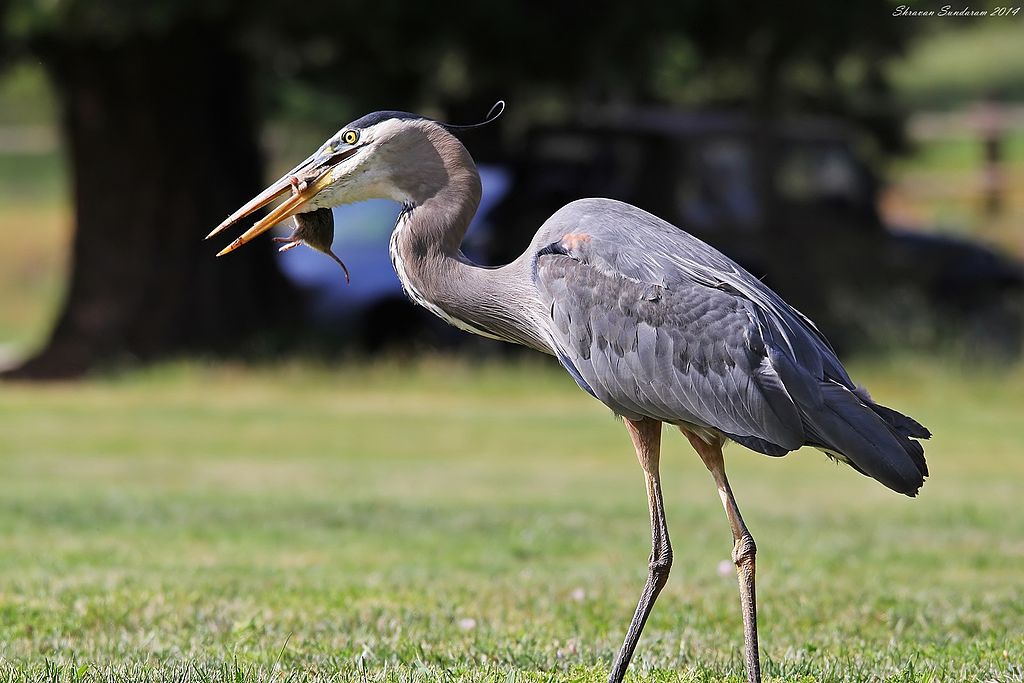
© Wikimedia.org/Shravans14, CC BY-SA
