

An ant is a small, social insect belonging to the family Formicidae, known for its complex colony structures and division of labor. Ants are found worldwide and play important roles in ecosystems, such as soil aeration and seed dispersal. They are studied in the fields of entomology and ecology for their behavior and adaptability.

© Wikimedia.org/Midjourney AI - prompted by Netha Hussain, CC0, AI-generated
A bat is a mammal belonging to the order Chiroptera, known for its ability to fly using elongated fingers covered by a thin membrane. Bats are significant in ecosystems as pollinators, seed dispersers, and insect controllers. They are found worldwide and are studied in zoology and environmental science.

© Wikimedia.org/Midjourney AI - prompted by Netha Hussain, CC0, AI-generated
A bear is a large mammal belonging to the family Ursidae, found in North America, South America, Europe, and Asia. Bears are known for their powerful build, thick fur, and omnivorous diet, with species such as the brown bear and polar bear being particularly well-known. They play important roles in their ecosystems as predators and seed dispersers. Bears are also significant in various cultures and are often featured in folklore and symbolism.

© Wikimedia.org/Midjourney AI - prompted by Netha Hussain, CC0, AI-generated
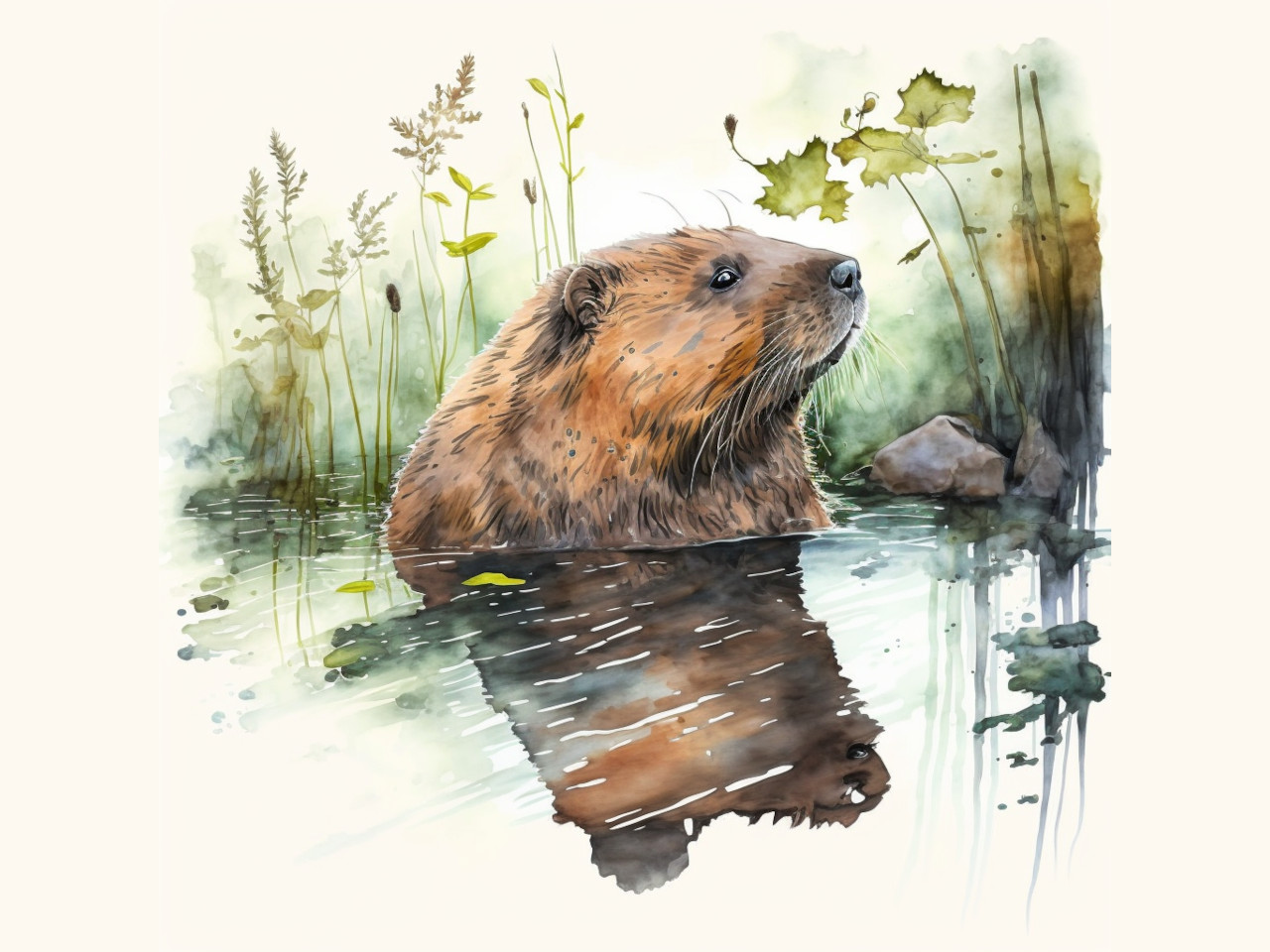
A beaver is a large, semi-aquatic rodent native to North America and parts of Europe. Beavers are known for building dams, canals, and lodges using branches and mud, significantly impacting their ecosystems. They play a vital role in creating wetlands, which support biodiversity.
© Wikimedia.org/Midjourney AI - prompted by Netha Hussain, CC0, AI-generated
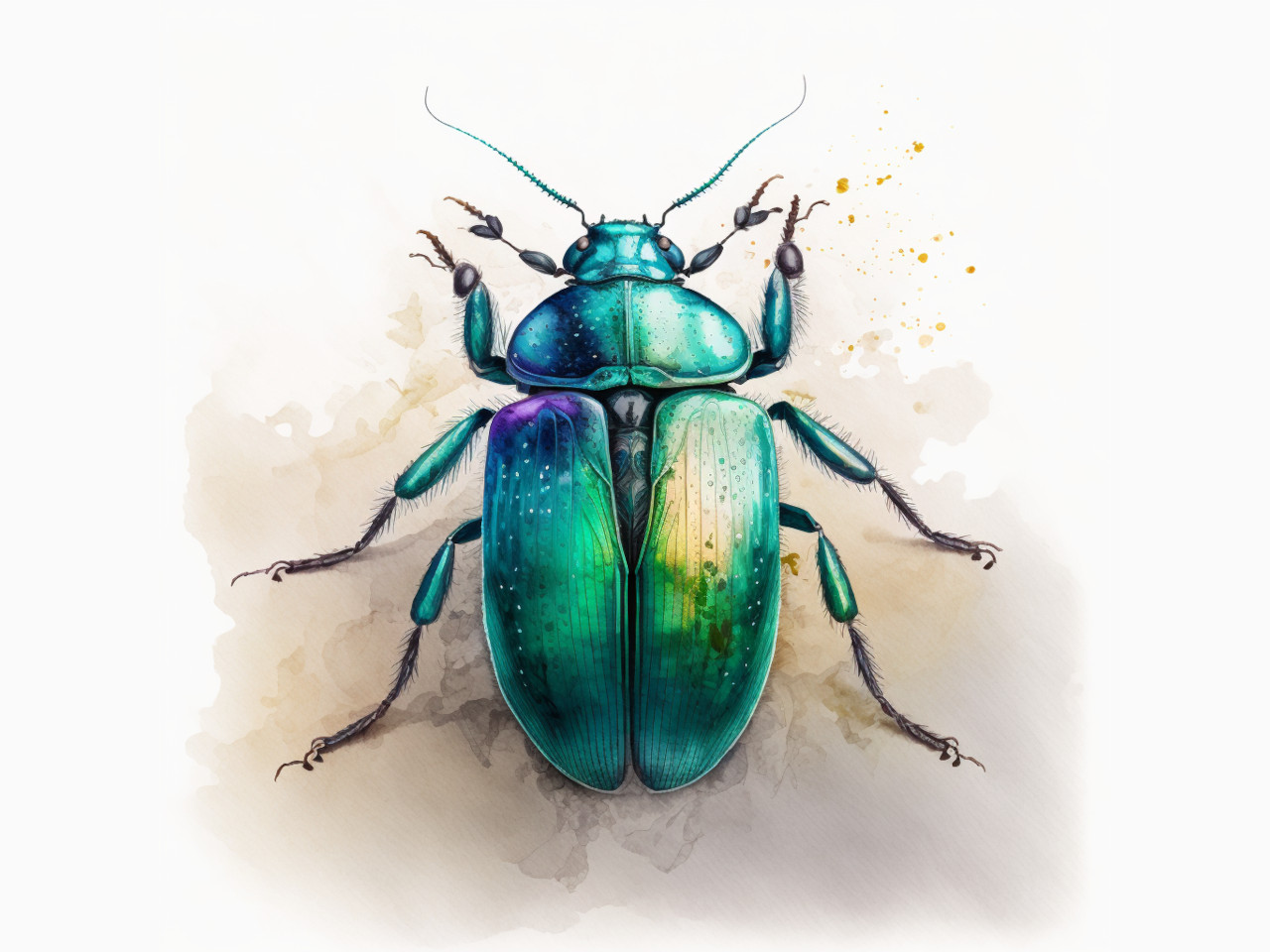
A beetle is an insect belonging to the order Coleoptera, which is the largest order in the animal kingdom. Beetles are characterized by their hard exoskeleton and forewings, known as elytra, that protect their flying wings. They are found worldwide and play significant roles in ecosystems, including pollination and decomposition.
© Wikimedia.org/Midjourney AI - prompted by Netha Hussain, CC0, AI-generated
A butterfly is an insect belonging to the order Lepidoptera, which also includes moths. Butterflies are widely recognized for their colorful wings and metamorphosis from caterpillar to adult. They are significant in studies of ecology and evolution, and are often used as indicators of environmental health.

© Wikimedia.org/Midjourney AI - prompted by Netha Hussain, CC0, AI-generated
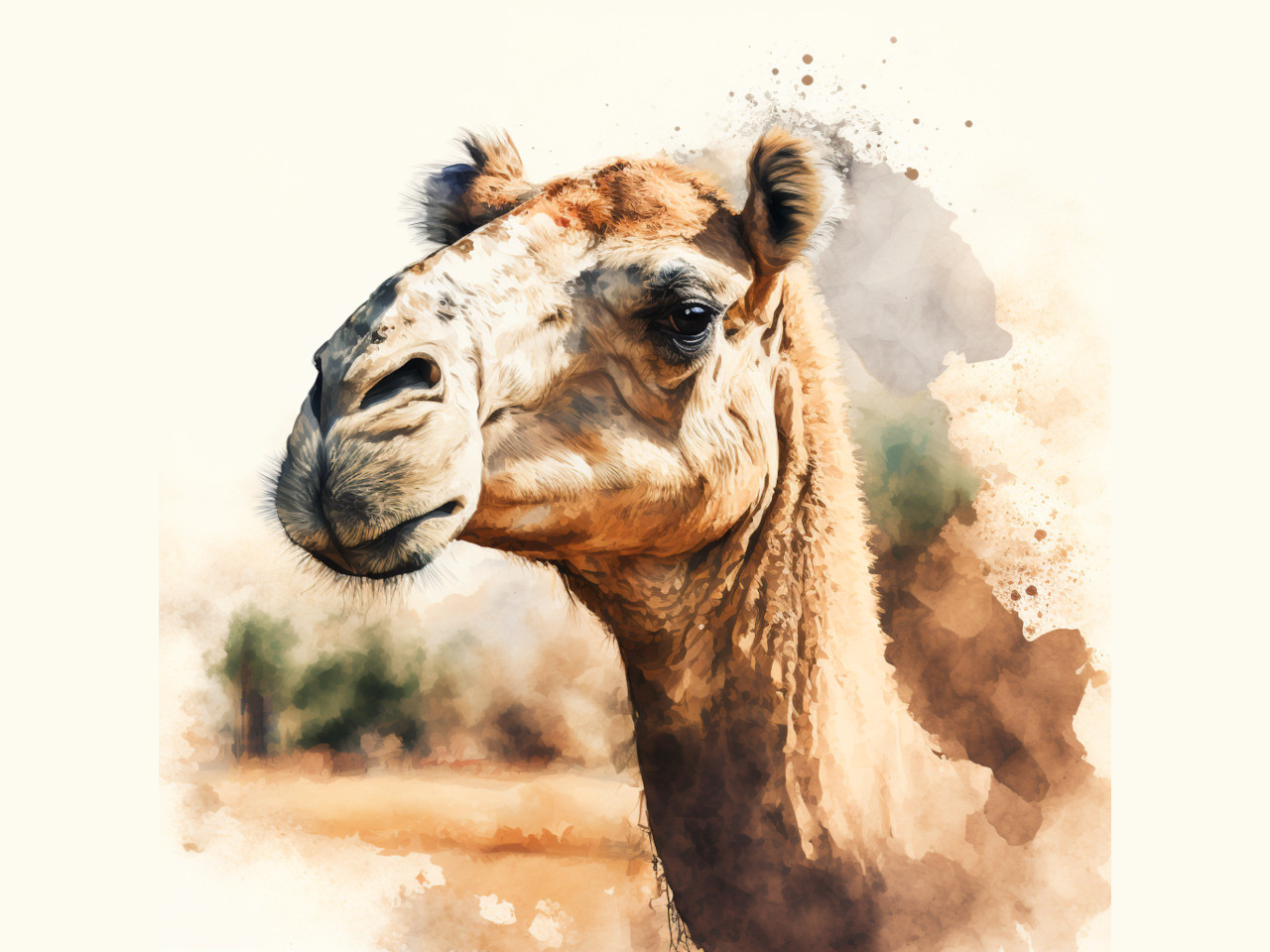
A camel is a large, domesticated mammal known for its distinctive humps and ability to survive in arid desert environments. Camels are native to Africa and Asia and have been used for centuries as pack animals and sources of milk, meat, and wool. Their adaptations, such as water conservation and heat tolerance, make them significant in the study of desert ecology and human history.
© Wikimedia.org/Midjourney AI - prompted by Netha Hussain, CC0, AI-generated
A cat is a small, domesticated mammal scientifically known as Felis catus. Cats are widely kept as pets around the world for their companionship and ability to control pests. They are known for their agility, independence, and diverse range of breeds and coat patterns.

© Wikimedia.org/Midjourney AI - prompted by Netha Hussain, CC0, AI-generated
A chameleon is a type of lizard belonging to the family Chamaeleonidae, known for its ability to change skin color. Native to Africa, Madagascar, and parts of Asia and Europe, chameleons are recognized for their distinctive eyes and long, sticky tongues used for catching prey. Their color-changing ability serves purposes such as camouflage, communication, and temperature regulation. Chameleons are studied in biology for their unique adaptations.

© Wikimedia.org/Midjourney AI - prompted by Netha Hussain, CC0, AI-generated
A cockroach is an insect belonging to the order Blattodea, known for its flat, oval-shaped body and long antennae. Cockroaches are notable for their resilience and adaptability, often thriving in a variety of environments, including human dwellings. They are significant in both ecological systems and public health discussions due to their role as pests.

© Wikimedia.org/Midjourney AI - prompted by Netha Hussain, CC0, AI-generated
A cow is a domesticated mammal commonly raised for its milk, meat, and leather. Belonging to the species Bos taurus, cows are integral to agriculture and food production worldwide. They have been domesticated for thousands of years and play a vital role in many cultures and economies. Cows are also significant in religious and cultural symbolism in various societies.

© Wikimedia.org/Midjourney AI - prompted by Netha Hussain, CC0, AI-generated
A crab is a type of crustacean with a short, broad body, a hard exoskeleton, and typically ten limbs, including a pair of pincers. Crabs are found in oceans, freshwater, and on land, and play important roles in their ecosystems. They are also significant in global cuisine and are studied in marine biology for their diverse adaptations.

© Wikimedia.org/Midjourney AI - prompted by Netha Hussain, CC0, AI-generated
Crayfish are freshwater crustaceans resembling small lobsters, belonging to the family Astacidae and related groups. They are found in streams and rivers across many continents, especially in North America and Europe. Crayfish are ecologically significant as both predators and prey, and are also harvested for food in various culinary traditions.

© Wikimedia.org/Midjourney AI - prompted by Netha Hussain, CC0, AI-generated
A crow is a type of bird belonging to the genus Corvus, known for its black plumage, intelligence, and adaptability. Crows are found worldwide and are notable for their problem-solving skills and complex social behaviors. They are often studied in the fields of ornithology and animal cognition, and have cultural significance in folklore and mythology.

© Wikimedia.org/Midjourney AI - prompted by Netha Hussain, CC0, AI-generated
Deer are hoofed mammals belonging to the family Cervidae, found in a variety of habitats across the world. They are known for their antlers, which are typically found on males and are shed and regrown annually. Deer play important roles in ecosystems as herbivores and are also significant in hunting, mythology, and cultural symbolism. Species include the white-tailed deer, red deer, and elk.

© Wikimedia.org/Midjourney AI - prompted by Netha Hussain, CC0, AI-generated
The dog is a domesticated mammal, scientifically named Canis lupus familiaris, and is one of the earliest animals to be domesticated by humans. Dogs are known for their wide variety of breeds, roles as companions, and usefulness in tasks such as herding, hunting, and service work. They are significant in many cultures and are often referred to as 'man's best friend.'

© Wikimedia.org/Midjourney AI - prompted by Netha Hussain, CC0, AI-generated
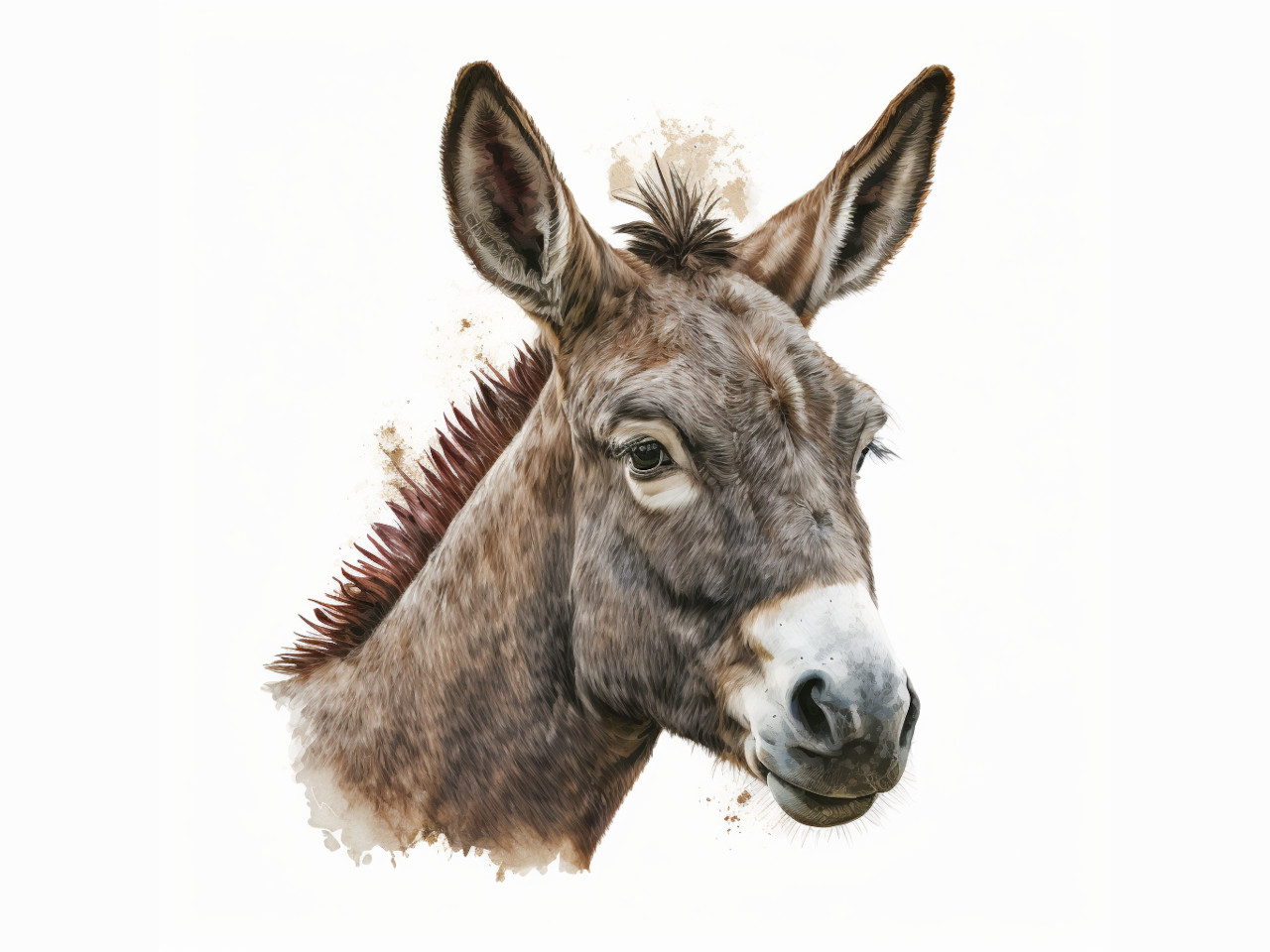
The donkey is a domesticated hoofed mammal related to the horse, scientifically known as Equus asinus. It is known for its strength, endurance, and use as a working animal in many parts of the world, especially for carrying loads and agricultural tasks. Donkeys have been domesticated for thousands of years, originating in Africa. They are valued for their hardiness and ability to thrive in harsh environments.
© Wikimedia.org/Midjourney AI - prompted by Netha Hussain, CC0, AI-generated
A dragonfly is an insect belonging to the order Odonata, known for its elongated body, large multifaceted eyes, and two pairs of strong, transparent wings. Dragonflies are commonly found near water and are recognized for their agile flight. They play an important role in ecosystems as predators of smaller insects.

© Wikimedia.org/Midjourney AI - prompted by Netha Hussain, CC0, AI-generated
A duck is a type of waterfowl belonging to the family Anatidae, found in both freshwater and seawater environments worldwide. Ducks are known for their distinctive waddling gait, webbed feet, and broad bills. They play important roles in ecosystems and are also farmed for their meat, eggs, and feathers.
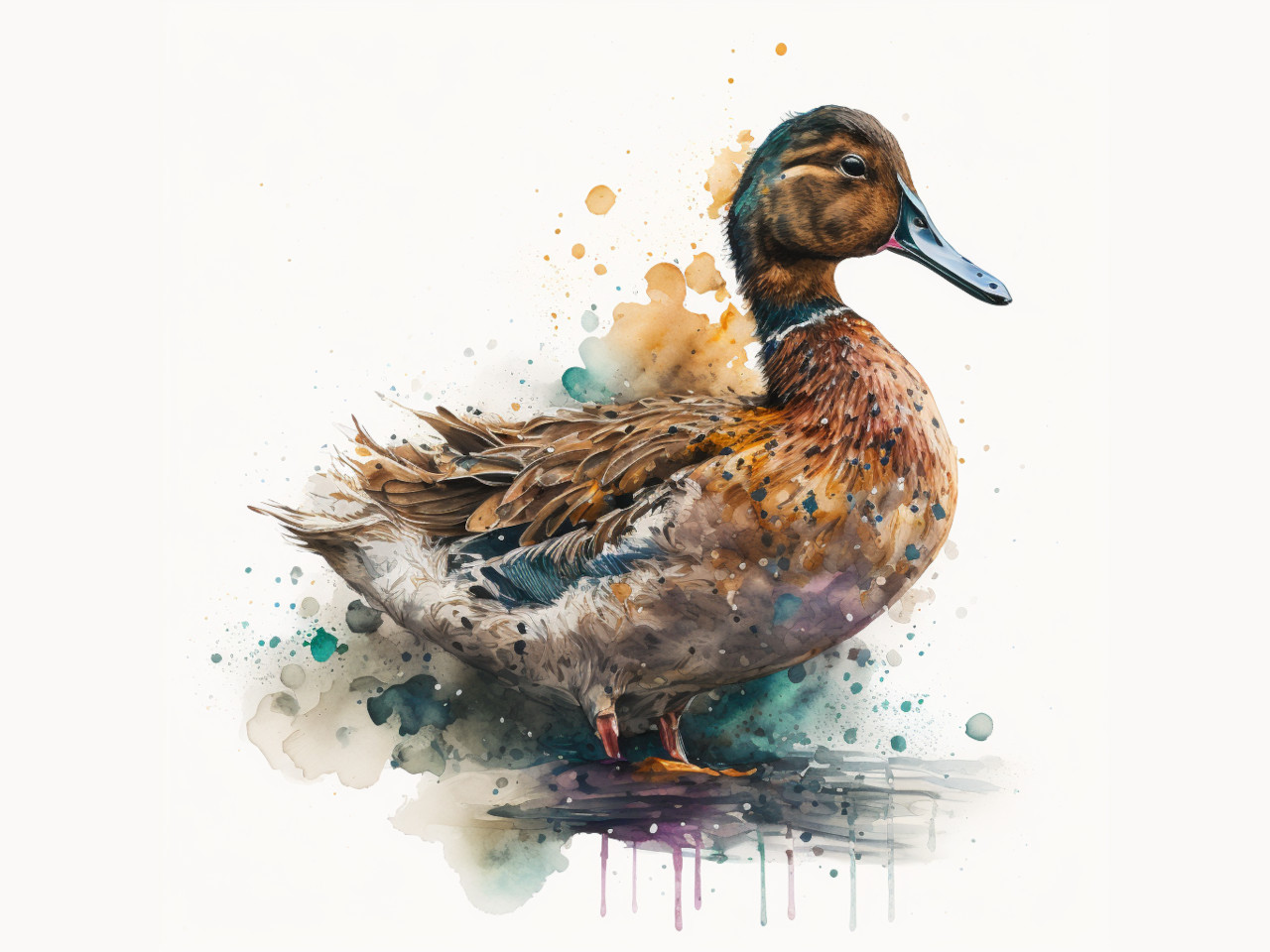
© Wikimedia.org/Midjourney AI - prompted by Netha Hussain, CC0, AI-generated
An eagle is a large bird of prey belonging to the family Accipitridae, known for its powerful build, keen eyesight, and impressive hunting abilities. Eagles are found on every continent except Antarctica and are often symbols of strength and freedom in various cultures. Notable species include the bald eagle, which is the national bird of the United States.

© Wikimedia.org/Midjourney AI - prompted by Netha Hussain, CC0, AI-generated
The elephant is the largest land mammal, belonging to the family Elephantidae. Elephants are known for their intelligence, social behavior, and distinctive features such as trunks and large ears. They are native to Africa and Asia and are significant in various cultures, as well as in conservation efforts due to their endangered status.

© Wikimedia.org/Midjourney AI - prompted by Netha Hussain, CC0, AI-generated
A falcon is a bird of prey belonging to the genus Falco, recognized for its sharp beak, keen eyesight, and exceptional speed in flight. Falcons are found worldwide and are known for their hunting skills, often capturing prey in mid-air. They have cultural significance in many societies and are commonly used in the sport of falconry.

© Wikimedia.org/Midjourney AI - prompted by Netha Hussain, CC0, AI-generated
A ferret is a small, domesticated mammal belonging to the weasel family, Mustelidae. Ferrets are known for their elongated bodies, playful nature, and use as pets or working animals, particularly in hunting rabbits (a practice called ferreting). They have been domesticated for thousands of years. Ferrets require specialized care and are popular among exotic pet enthusiasts.

© Wikimedia.org/Midjourney AI - prompted by Netha Hussain, CC0, AI-generated
A fox is a small to medium-sized omnivorous mammal belonging to the family Canidae, with the red fox being the most widespread species. Foxes are known for their bushy tails, pointed ears, and adaptability to various habitats. They are found on almost every continent and play a role in folklore and culture worldwide. Foxes are significant in ecology as both predators and scavengers.

© Wikimedia.org/Midjourney AI - prompted by Netha Hussain, CC0, AI-generated
A frog is an amphibian belonging to the order Anura, characterized by a short body, long hind legs, and smooth, moist skin. Frogs are found worldwide and are known for their jumping abilities, croaking sounds, and life cycle that includes metamorphosis from tadpole to adult. They play important roles in ecosystems as both predators and prey.

© Wikimedia.org/Midjourney AI - prompted by Netha Hussain, CC0, AI-generated
The giraffe is the tallest living terrestrial animal, native to the savannas and woodlands of Africa. It is known for its long neck, distinctive spotted coat, and unique gait. Giraffes play an important ecological role and are a subject of interest in zoology and conservation.

© Wikimedia.org/Midjourney AI - prompted by Netha Hussain, CC0, AI-generated
A goat is a domesticated mammal belonging to the genus Capra, widely kept for its milk, meat, and fiber. Goats have been domesticated for thousands of years and are found in many cultures around the world. They are known for their adaptability to various environments and their ability to graze on diverse vegetation. Goats play an important role in agriculture and rural economies.

© Wikimedia.org/Midjourney AI - prompted by Netha Hussain, CC0, AI-generated
Goldfish are a species of freshwater fish belonging to the carp family, originally domesticated in China over a thousand years ago. They are widely kept as ornamental pets in aquariums and ponds due to their distinctive colors and shapes. Goldfish are known for their adaptability and have become one of the most popular aquarium fish worldwide. Their significance extends to cultural symbolism in various Asian societies.

© Wikimedia.org/Midjourney AI - prompted by Netha Hussain, CC0, AI-generated
Gorillas are large primates native to the forests of central Sub-Saharan Africa and are the largest living members of the ape family. They are divided into two species: the eastern gorilla and the western gorilla, each with subspecies. Gorillas are known for their intelligence, social structure, and primarily herbivorous diet. Conservation efforts are ongoing due to threats from habitat loss and poaching.

© Wikimedia.org/Midjourney AI - prompted by Netha Hussain, CC0, AI-generated
A hamster is a small rodent belonging to the subfamily Cricetinae, commonly kept as a household pet. Hamsters are known for their short tails, cheek pouches for storing food, and burrowing behavior. They originate from parts of Europe and Asia and are popular for their manageable size and ease of care.
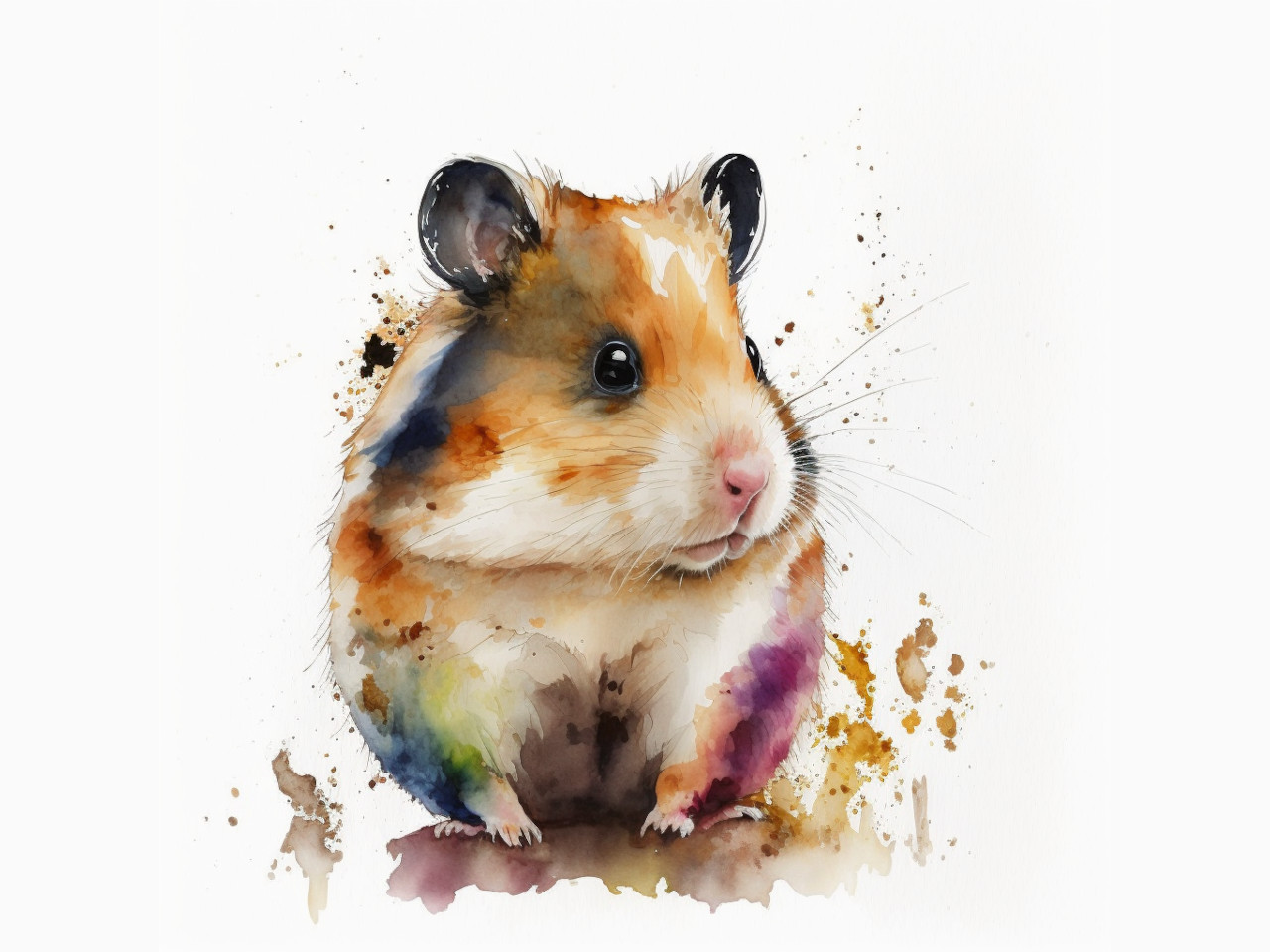
© Wikimedia.org/Midjourney AI - prompted by Netha Hussain, CC0, AI-generated
A hedgehog is a small, spiny mammal found in parts of Europe, Asia, and Africa. It is known for its distinctive coat of sharp spines, which it uses as a defense mechanism against predators. Hedgehogs are primarily nocturnal and feed on insects, making them important for pest control in their habitats.
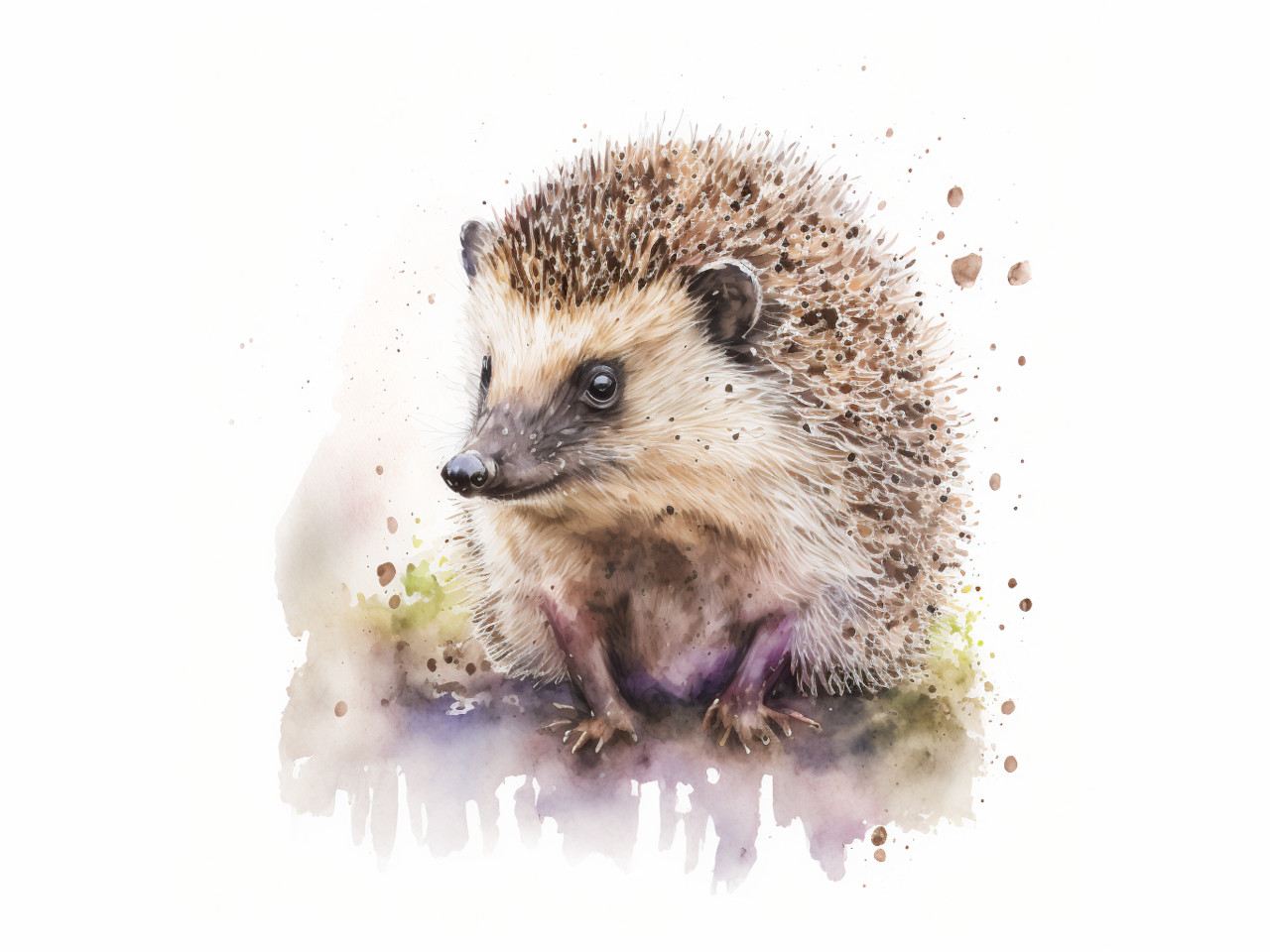
© Wikimedia.org/Midjourney AI - prompted by Netha Hussain, CC0, AI-generated
A hen is the term used for an adult female chicken, a domesticated bird species widely kept for egg production and meat. Hens are a key part of agriculture and food supply worldwide, providing a major source of protein through their eggs. They are known for their social behavior and ability to lay eggs regularly under proper conditions. The term 'hen' can also refer to adult females of other bird species in some contexts.

© Wikimedia.org/Midjourney AI - prompted by Netha Hussain, CC0, AI-generated
The hippo, or hippopotamus, is a large, mostly herbivorous mammal native to sub-Saharan Africa. It is known for its massive size, semi-aquatic lifestyle, and distinctive barrel-shaped body. Hippos play an important role in their ecosystems and are notable for being one of the largest land mammals.

© Wikimedia.org/Midjourney AI - prompted by Netha Hussain, CC0, AI-generated
The honey bee is an insect species belonging to the genus Apis, known for producing honey and playing a crucial role in pollination. Honey bees are essential to agriculture due to their ability to pollinate a wide variety of crops. They live in highly organized colonies with a division of labor among workers, drones, and a queen. The species is studied extensively in biology and environmental science.

© Wikimedia.org/Midjourney AI - prompted by Netha Hussain, CC0, AI-generated
A horse is a large, domesticated mammal known for its strength, speed, and use in transportation, agriculture, and sports. Horses have been integral to human societies for thousands of years, serving roles in work, warfare, and recreation. They belong to the species Equus ferus caballus and are recognized for their intelligence and social behavior.

© Wikimedia.org/Midjourney AI - prompted by Netha Hussain, CC0, AI-generated
Hyenas are carnivorous mammals found primarily in Africa and parts of Asia, belonging to the family Hyaenidae. They are known for their strong jaws, distinctive vocalizations, and social behavior, often living in large groups called clans. Hyenas play a crucial role in their ecosystems as both predators and scavengers. Their unique characteristics have made them subjects of scientific study and popular culture.

© Wikimedia.org/Midjourney AI - prompted by Netha Hussain, CC0, AI-generated
A jackal is a medium-sized, omnivorous mammal belonging to the canine family. Native to Africa, Asia, and southeastern Europe, jackals are known for their adaptability and scavenging behavior. They are often recognized for their slender bodies, bushy tails, and pointed ears. Jackals play a significant role in their ecosystems as both predators and scavengers.

© Wikimedia.org/Midjourney AI - prompted by Netha Hussain, CC0, AI-generated
A jellyfish is a marine invertebrate belonging to the phylum Cnidaria, characterized by its gelatinous, umbrella-shaped body and trailing tentacles. Jellyfish are found in oceans worldwide and are known for their simple anatomy and ability to sting. They play important roles in marine food webs as both predators and prey. Some species can form large blooms that impact local ecosystems and human activities.

© Wikimedia.org/Midjourney AI - prompted by Netha Hussain, CC0, AI-generated
A ladybird, also known as a ladybug in North America, is a small beetle belonging to the family Coccinellidae. These insects are recognized for their rounded bodies and bright red or orange coloration with black spots. Ladybirds are beneficial in agriculture as they feed on aphids and other pests. They are commonly found in gardens and are popular symbols of good luck.

© Wikimedia.org/Midjourney AI - prompted by Netha Hussain, CC0, AI-generated
The leopard is a large feline species found in parts of Africa and Asia. It is recognized for its distinctive spotted coat and adaptability to various habitats, including forests, mountains, and savannas. Leopards are solitary predators and play a significant role in their ecosystems as apex predators.
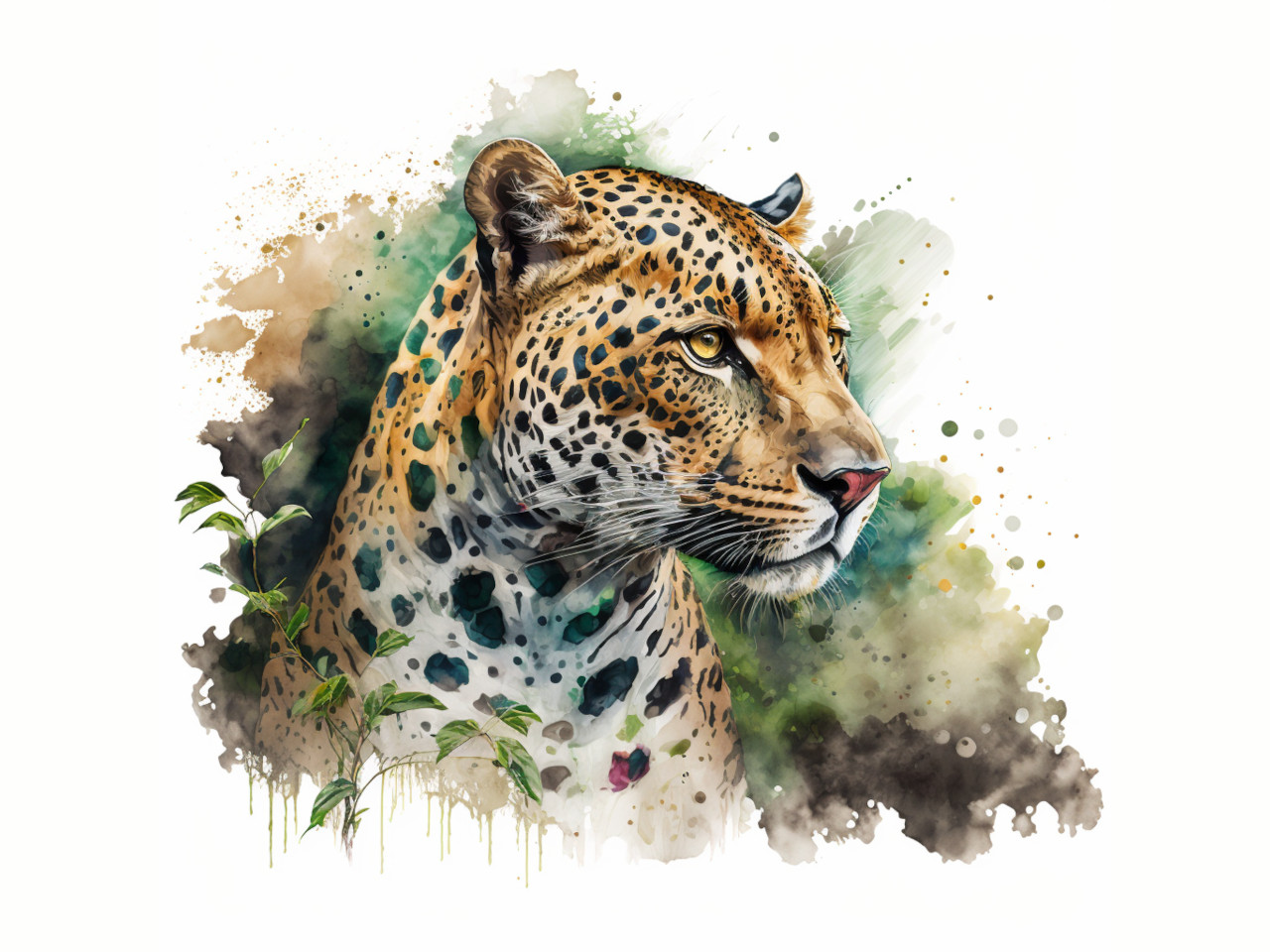
© Wikimedia.org/Midjourney AI - prompted by Netha Hussain, CC0, AI-generated
