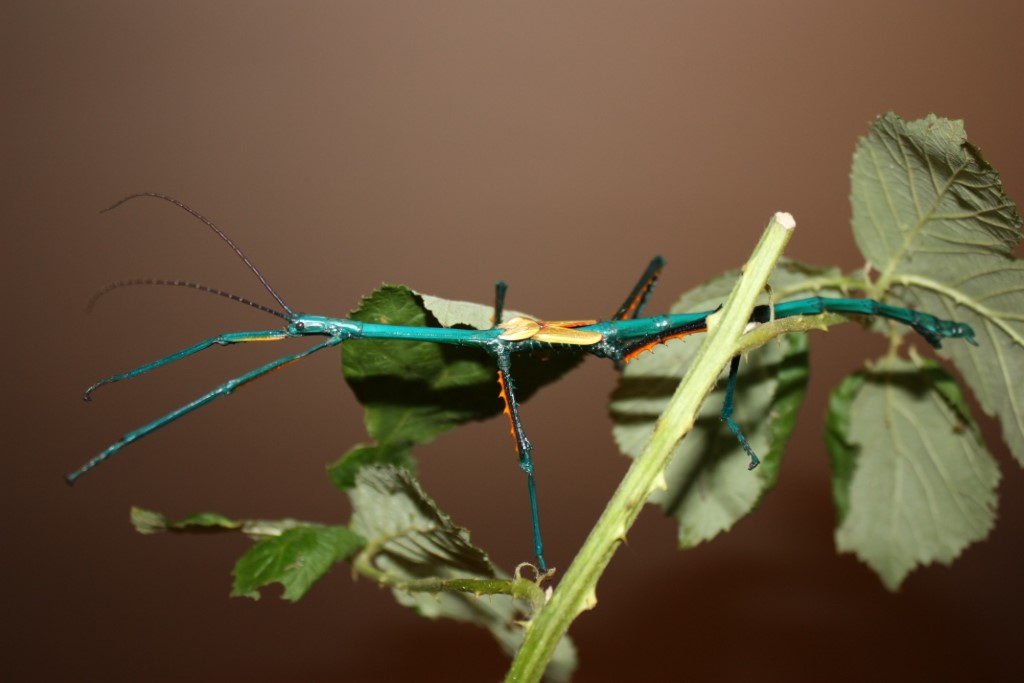
Achrioptera manga is a species of stick insect native to Madagascar. It is notable for its striking blue coloration in males, which is unusual among stick insects that typically rely on camouflage. The species was formally described in 2019 and is of interest to entomologists studying biodiversity and evolutionary adaptations.
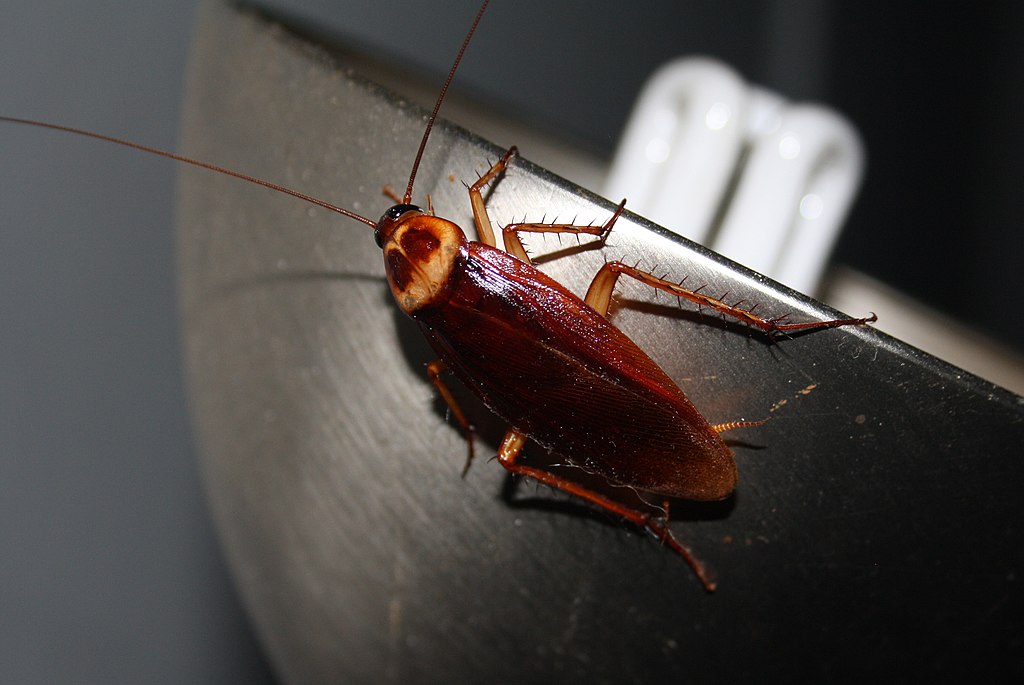
The American cockroach, Periplaneta americana, is a large species of cockroach native to Africa but now widespread globally. It is commonly found in warm, humid environments and is a frequent pest in urban areas. Known for its reddish-brown color and ability to fly short distances, the American cockroach is significant in public health and pest control. Its presence often indicates sanitation issues in buildings.
The Andromeda Satyr is a species of butterfly scientifically known as Aulocera brahminus. It is found primarily in the Himalayan region and is recognized for its distinctive brown and white wing patterns. The species is named after the Andromeda constellation, reflecting its unique and striking appearance. It is studied within the field of entomology and is of interest to lepidopterists.
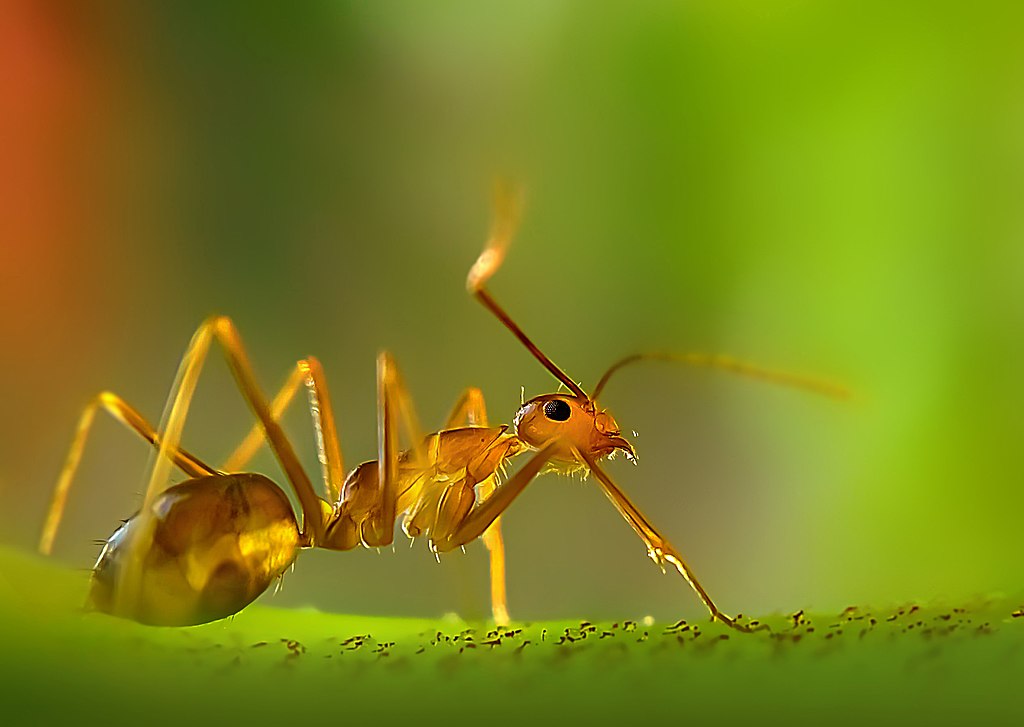
An ant is a small, social insect belonging to the family Formicidae, known for its complex colony structures and division of labor. Ants are found worldwide and play important roles in ecosystems, such as soil aeration and seed dispersal. They are studied in the fields of entomology and ecology for their behavior and adaptability.
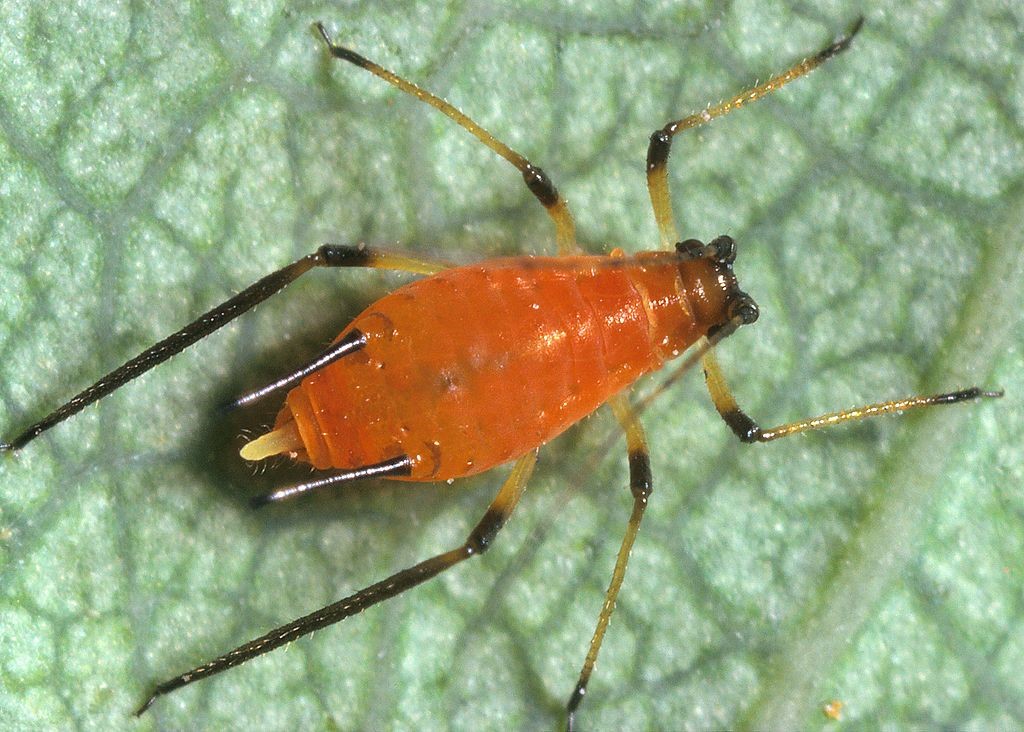
An aphid is a small, soft-bodied insect belonging to the superfamily Aphidoidea. Aphids are known for feeding on plant sap and can be significant agricultural pests due to their rapid reproduction and ability to transmit plant diseases. They are studied in entomology and ecology for their impact on crops and ecosystems.
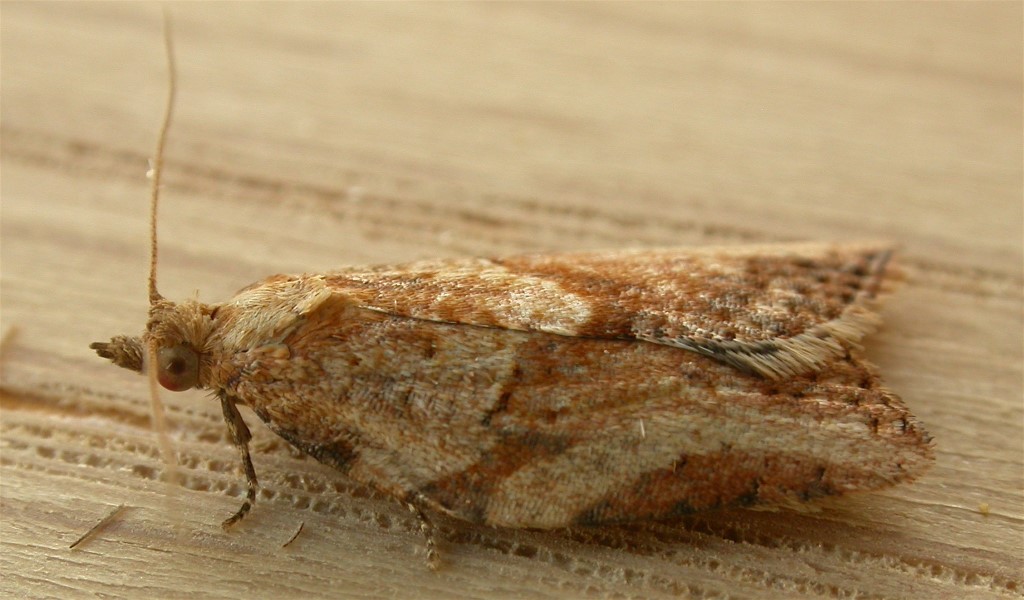
The apple moth refers to several species of moths that are pests of apple trees, with the light brown apple moth (Epiphyas postvittana) being a notable example. These insects are known for causing damage to fruit crops by feeding on leaves and developing fruit. Originating from Australia, the light brown apple moth has spread to other regions, raising concerns in agriculture. Effective management is important to prevent economic losses in affected areas.
Armyworm refers to the larval stage of certain moth species in the family Noctuidae, known for their destructive feeding habits. These caterpillars can cause significant damage to crops such as corn, rice, and wheat by moving in large groups, or 'armies.' Armyworm infestations are a major concern in agriculture due to their rapid spread and impact on food production.
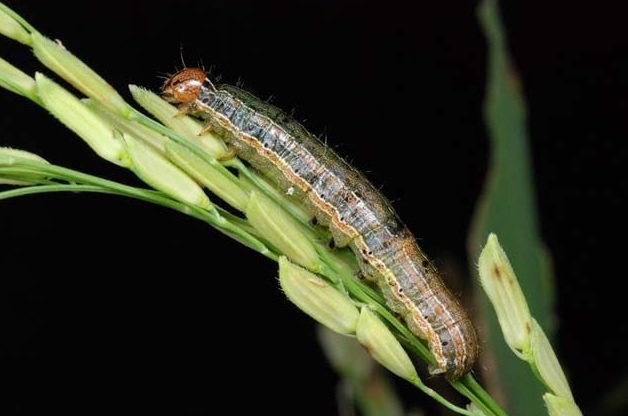
© Wikimedia.org/Christina Butler, CC BY
The Asian cockroach (Blattella asahinai) is an insect species native to Asia but now found in parts of the United States, particularly the southeastern region. It is similar in appearance to the German cockroach but is known for its ability to fly and attraction to light. This species is significant in pest management due to its rapid spread and potential to invade homes.
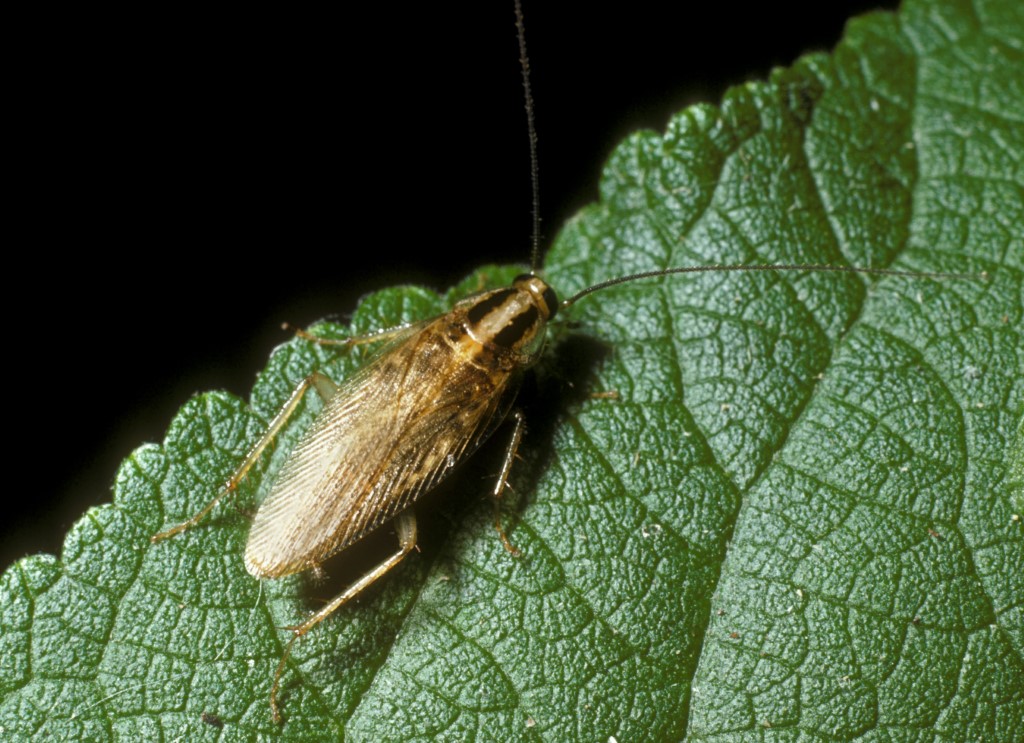
© Wikimedia.org/Barry Fitzgerald, CC0
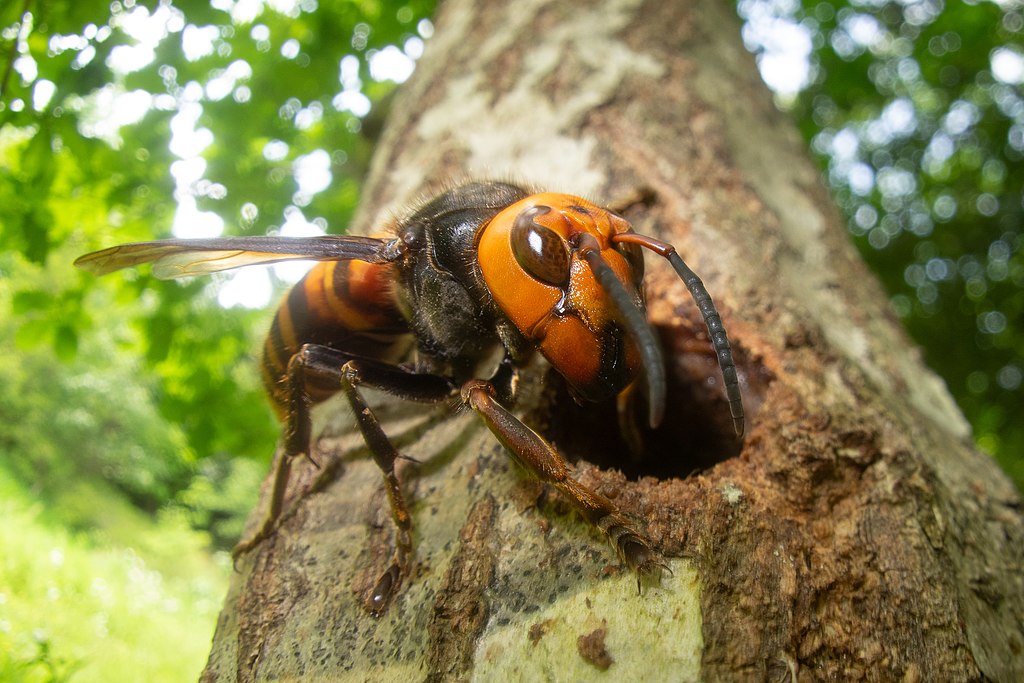
The Asian Giant Hornet, scientifically known as Vespa mandarinia, is the world's largest hornet species, native to East and Southeast Asia. It is known for its large size, potent sting, and aggressive behavior, particularly when defending its nest. The species has attracted attention due to its impact on honeybee populations and occasional sightings outside its native range. Concerns about its spread have prompted monitoring and control efforts in affected regions.
Assassin bugs are a group of predatory insects belonging to the family Reduviidae, found in various regions worldwide. They are known for their distinctive mouthparts, which they use to inject venom into prey. Assassin bugs play a role in controlling pest populations but some species can transmit diseases to humans.
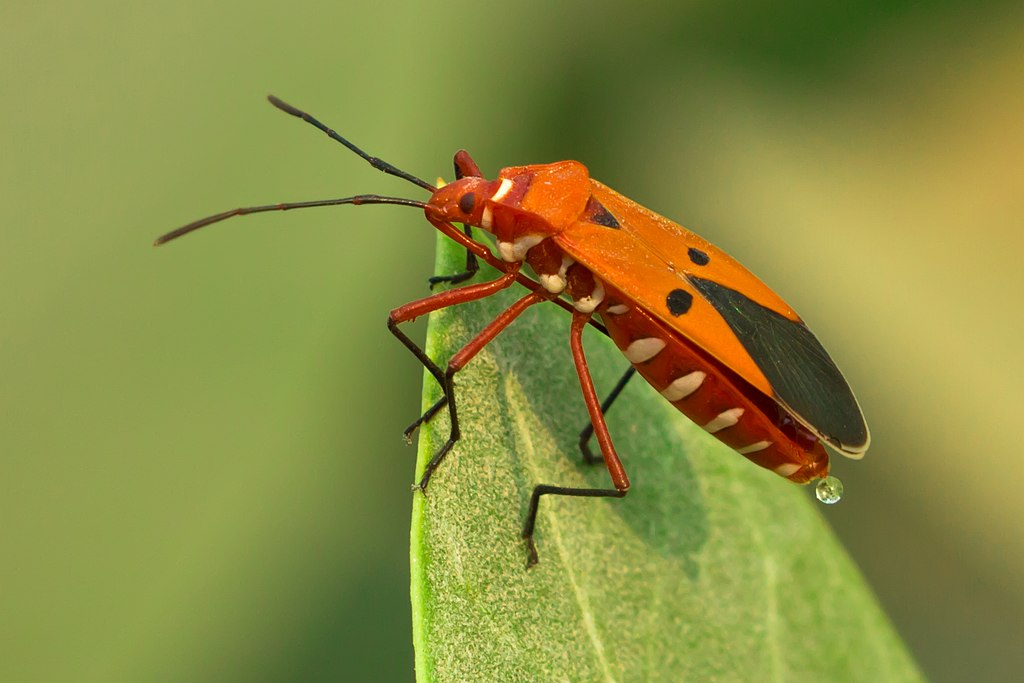
© Wikimedia.org/Maniknarula, CC BY-SA
The Atlas moth is one of the largest species of moths in the world, native to the forests of Southeast Asia. It is known for its impressive wingspan, which can reach up to 25 centimeters, and its striking, patterned wings. The Atlas moth is significant in entomology due to its size and unique life cycle.
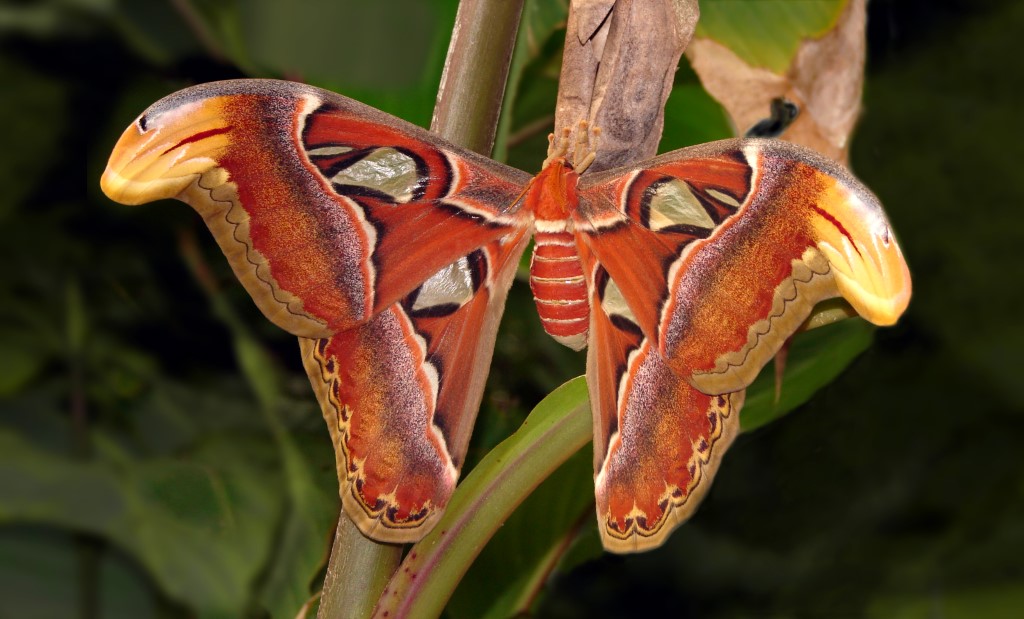
The Australian cockroach (Periplaneta australasiae) is a species of large cockroach commonly found in tropical and subtropical regions worldwide. Despite its name, it is believed to have originated in Africa but is now widespread, including in Australia. This insect is known for its reddish-brown color and yellow markings on the thorax and wings. It is often found in warm, moist environments and can be a household pest.
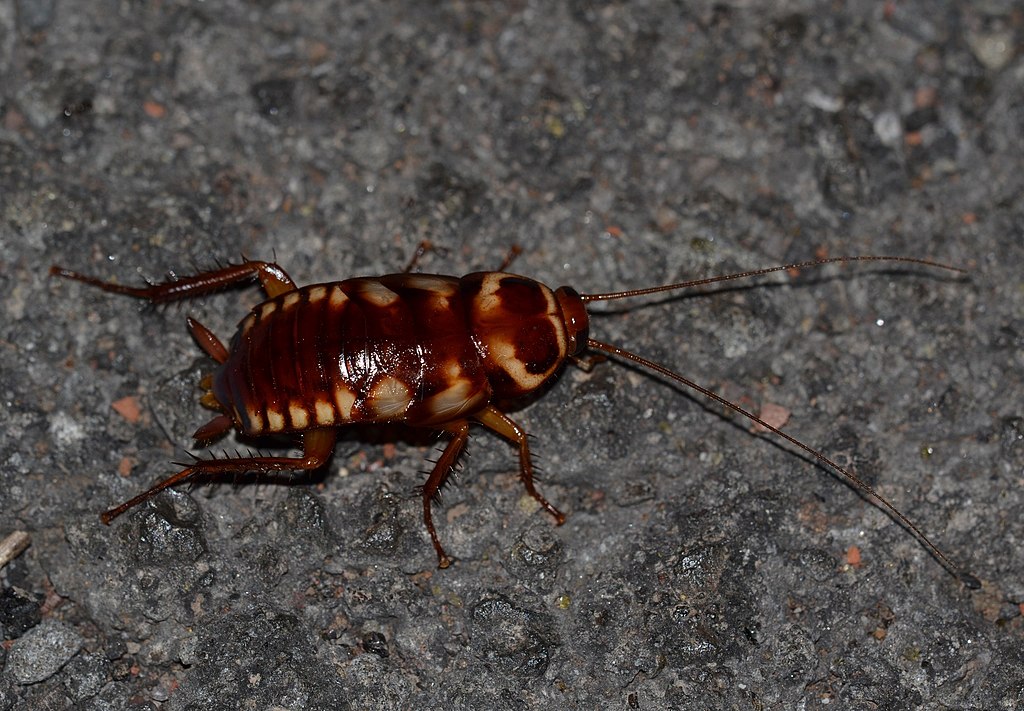
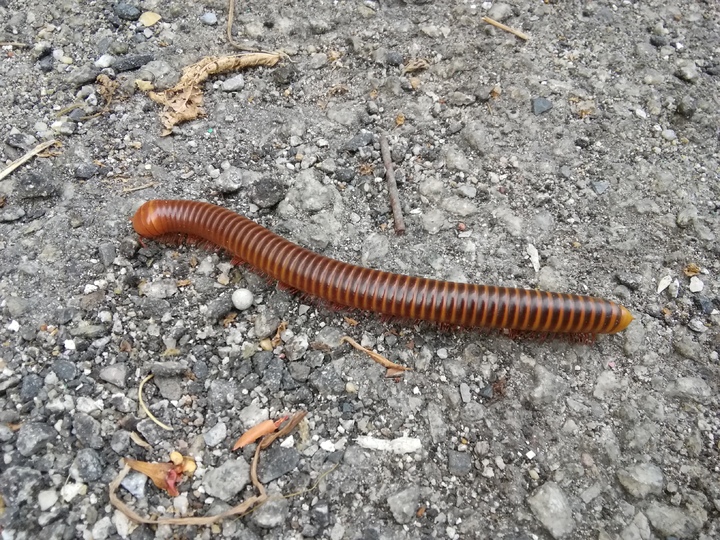
The bamboo worm is the larval stage of moths belonging to the genus Omphisa, commonly found in bamboo stems in Southeast Asia. It is considered a delicacy in countries like Thailand, where it is harvested and eaten as a source of protein. Bamboo worms are notable in the context of entomophagy, the practice of eating insects.
© Wikimedia.org/Charles Haynes, CC BY-SA
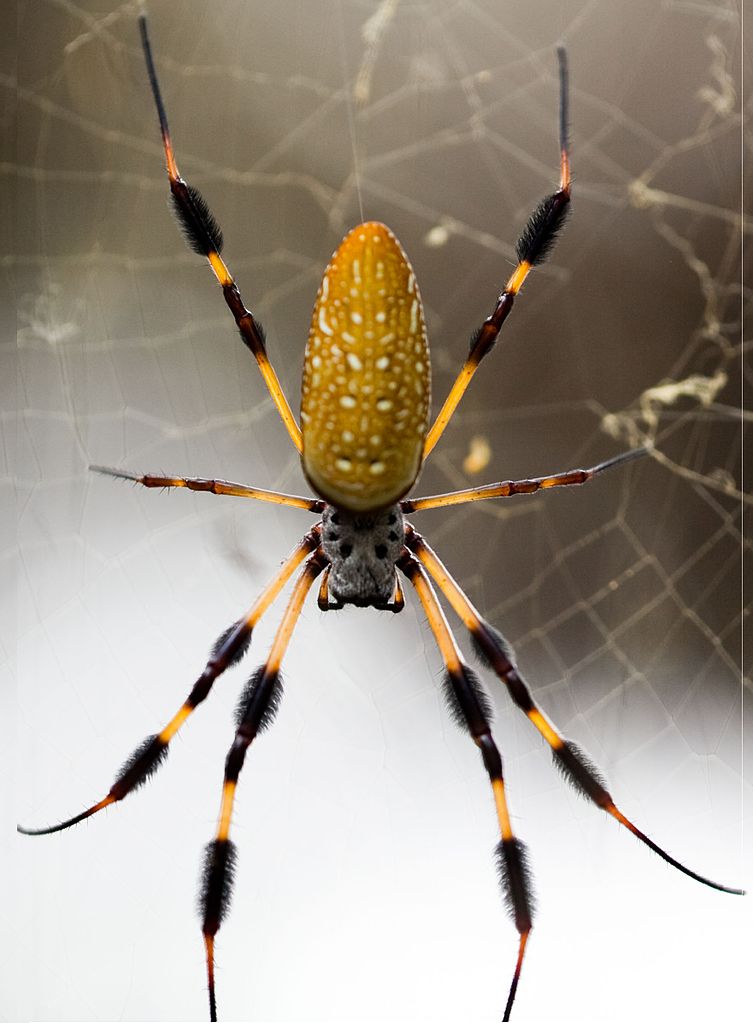
Banana spider is a common name for several species of spiders, most notably the golden silk orb-weaver (genus Nephila) and the Brazilian wandering spider (genus Phoneutria). These spiders are known for their distinctive appearance and, in some cases, potent venom. The term is used in different regions to refer to different species, so context is important.
© Wikimedia.org/Jason Hollinger, CC BY
A bed bug is a small, parasitic insect of the species Cimex lectularius that feeds on the blood of humans and animals. Bed bugs are known for infesting homes, particularly bedding and furniture, and can cause itchy bites and discomfort. They have become a significant concern in pest control due to their resilience and ability to spread rapidly. Bed bugs have been recognized as human pests for centuries, with increased attention in recent years due to rising infestations in urban areas.

© Wikimedia.org/CDC/Harvard University, CC0
A bee is an insect belonging to the superfamily Apoidea, known for its role in pollination and, in the case of honey bees, for producing honey and beeswax. Bees are found worldwide and are essential for the fertilization of many plants, including crops. Their ecological significance stems from their contribution to biodiversity and food production. Bees are studied in entomology and environmental science due to their impact on ecosystems.
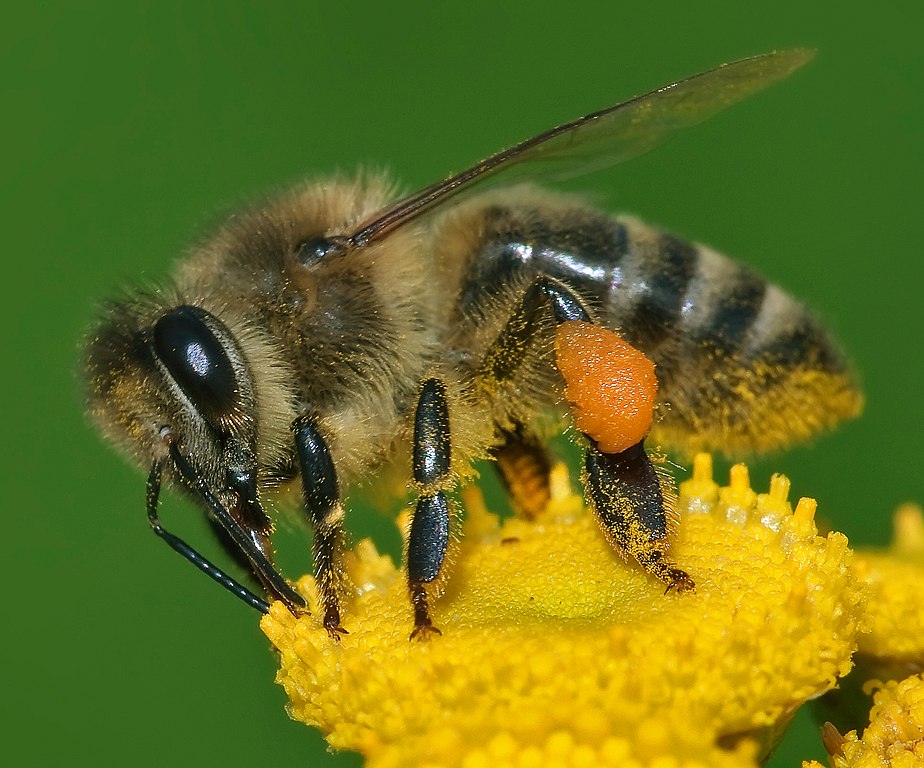
A beetle is an insect belonging to the order Coleoptera, which is the largest order in the animal kingdom. Beetles are characterized by their hard exoskeleton and forewings, known as elytra, that protect their flying wings. They are found worldwide and play significant roles in ecosystems, including pollination and decomposition.

The term 'Black Wasp' generally refers to several species of wasps characterized by their predominantly black coloration. One notable example is the Great Black Wasp (Sphex pensylvanicus), found in North America. Black wasps are known for their solitary behavior and for preying on other insects. They play a role in natural pest control and pollination.

© Wikimedia.org/Rhododendrites, CC BY-SA
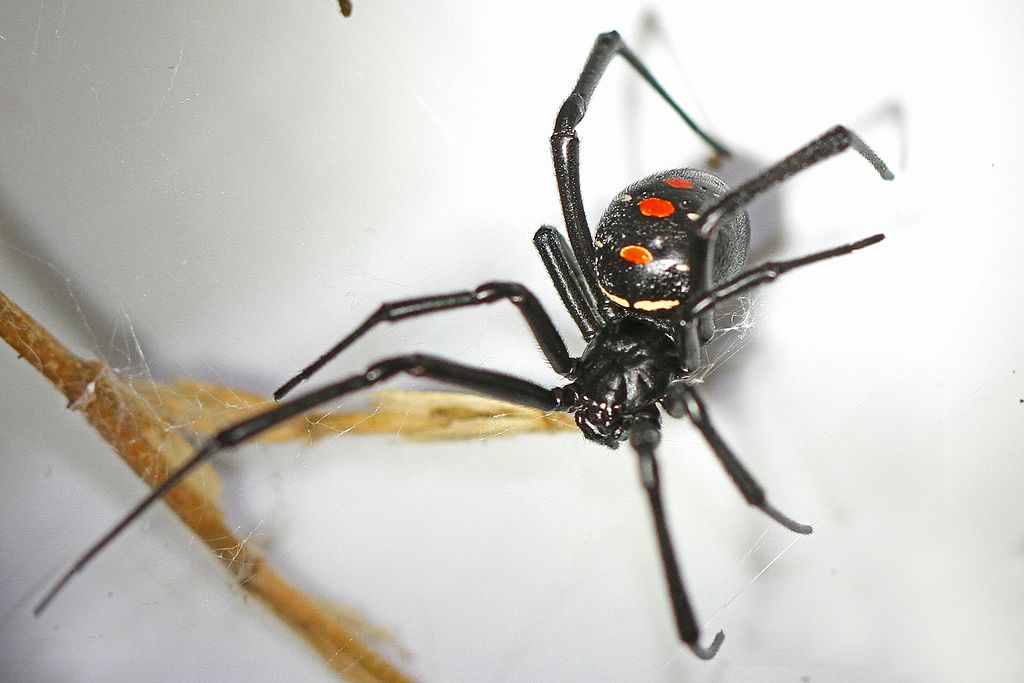
The black widow spider is a venomous arachnid belonging to the genus Latrodectus. It is recognized by its shiny black body and distinctive red hourglass marking on the underside of its abdomen. Native to various regions worldwide, the black widow is known for its potent venom and is a subject of interest in both medical and ecological studies.
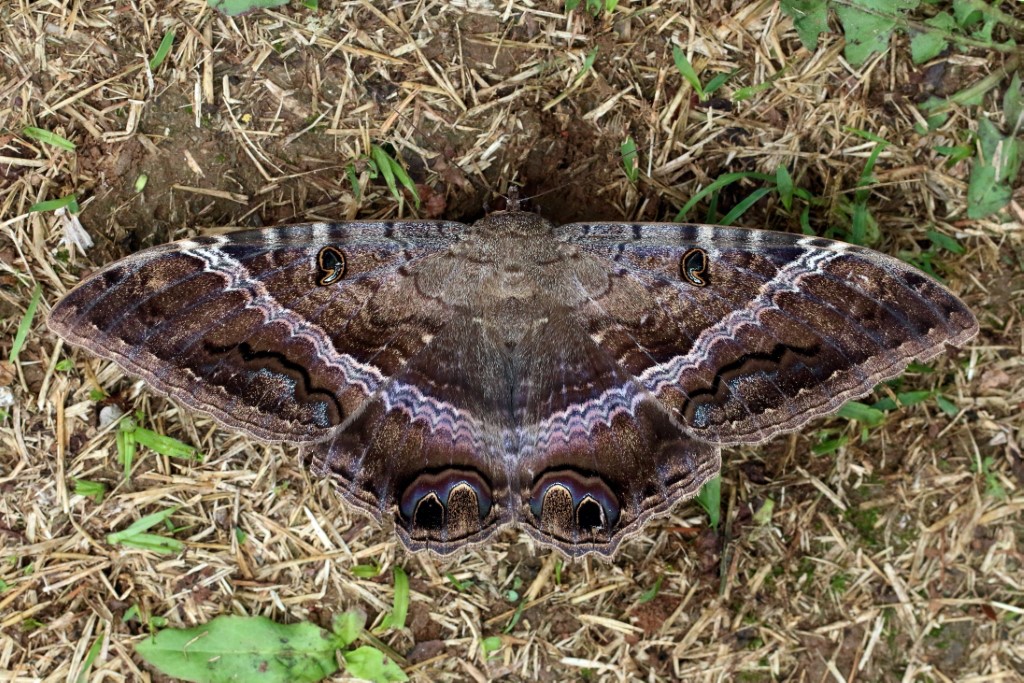
The Black Witch Moth (Ascalapha odorata) is a large nocturnal moth found throughout the Americas, from the southern United States to South America. It is recognized by its dark, wide wingspan, which can reach up to 17 centimeters. In various cultures, the moth is associated with folklore and superstition, often seen as an omen. The species is notable for its migratory behavior and adaptability to different environments.
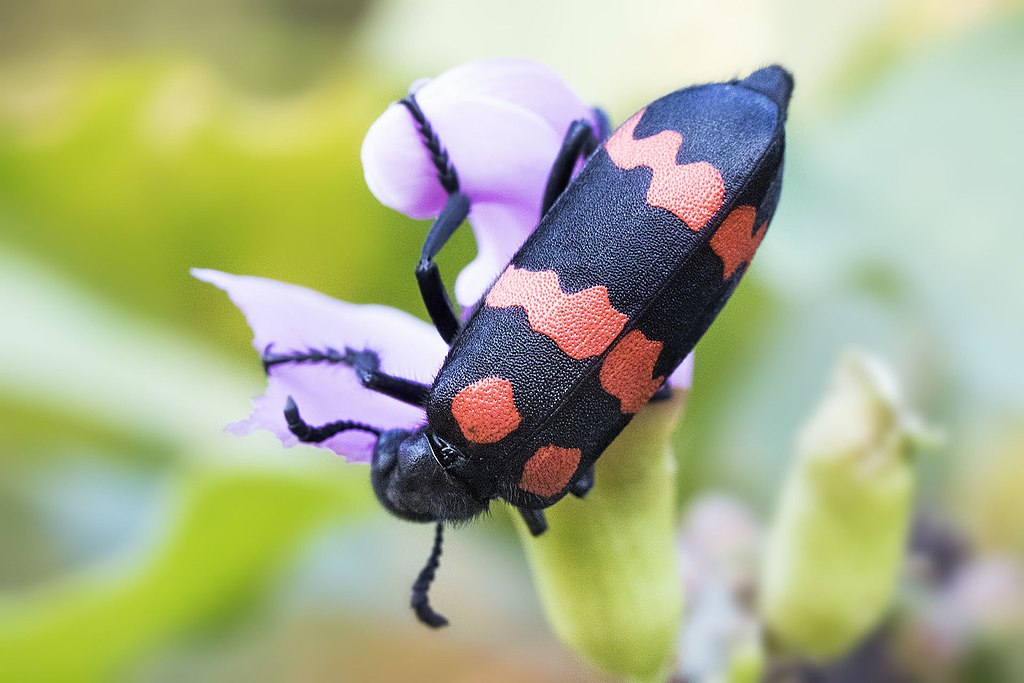
Blister beetles are insects belonging to the family Meloidae, known for producing a chemical called cantharidin. This substance can cause blistering on human skin and has been used historically for medicinal purposes. Blister beetles are found worldwide and play roles in both agriculture and natural ecosystems.
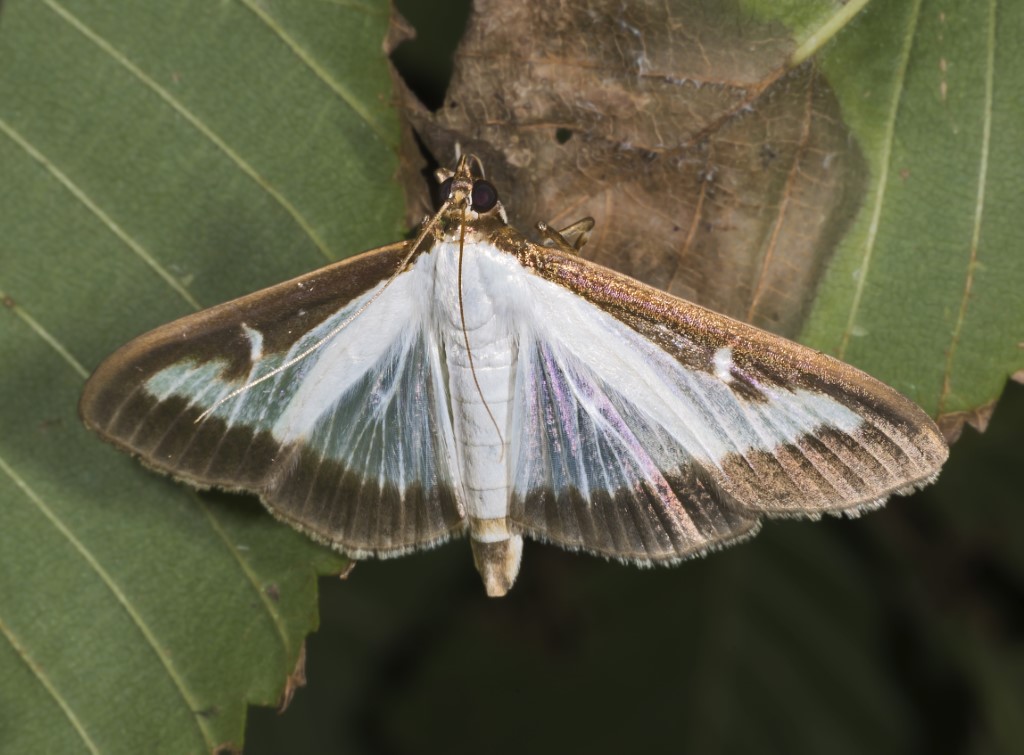
The Box Tree Moth (Cydalima perspectalis) is an invasive species of moth native to East Asia. It is known for its larvae, which feed on boxwood plants and can cause significant damage to ornamental and wild box trees. Since its introduction to Europe in the early 21st century, the species has spread rapidly, becoming a major pest in horticulture. Efforts to control its population are ongoing due to its impact on gardens and landscapes.
Bumblebees are large, fuzzy insects belonging to the genus Bombus, found in temperate climates worldwide. They are important pollinators for many wildflowers and crops, making them significant in both natural ecosystems and agriculture. Bumblebees are known for their distinctive buzzing sound and social colony behavior. Their populations are monitored due to concerns about declining numbers and environmental health.
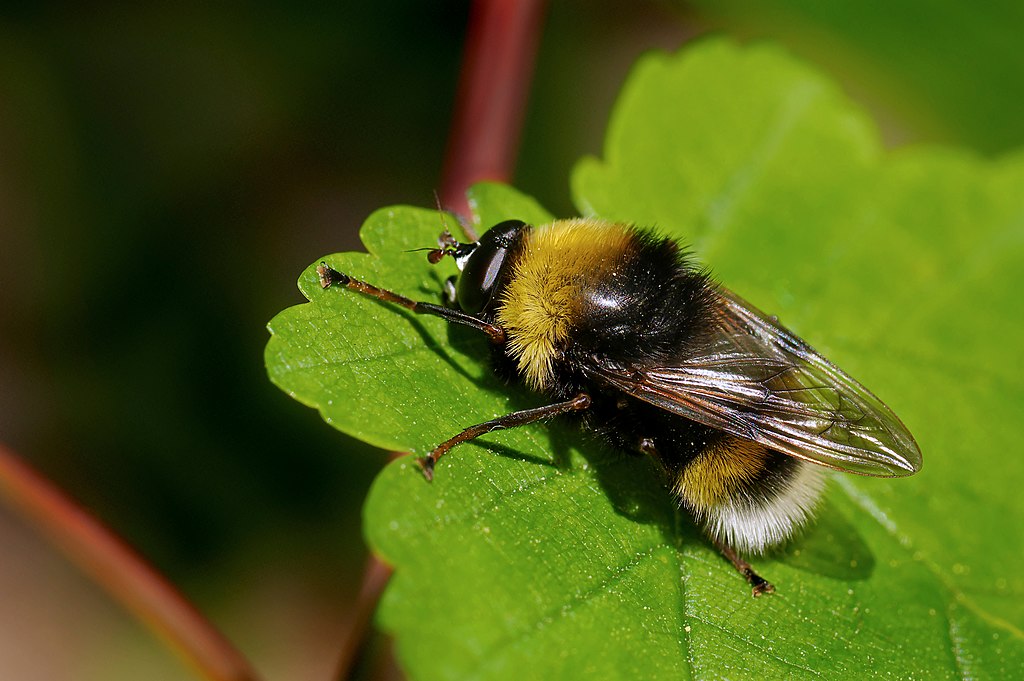
A butterfly is an insect belonging to the order Lepidoptera, which also includes moths. Butterflies are widely recognized for their colorful wings and metamorphosis from caterpillar to adult. They are significant in studies of ecology and evolution, and are often used as indicators of environmental health.
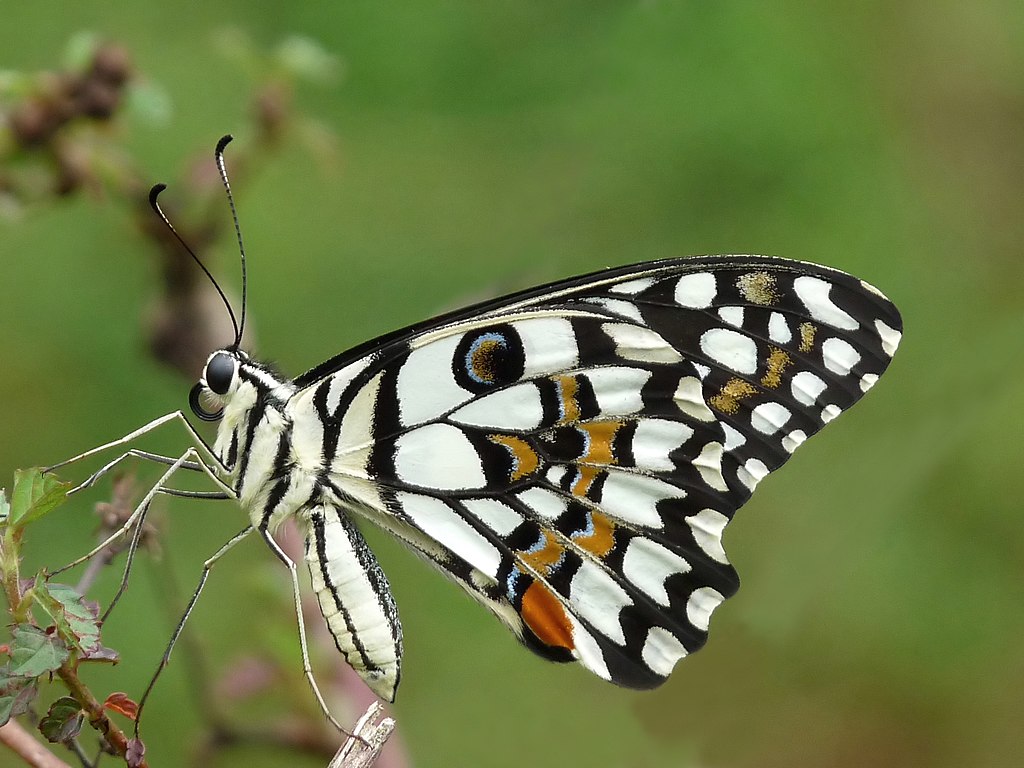
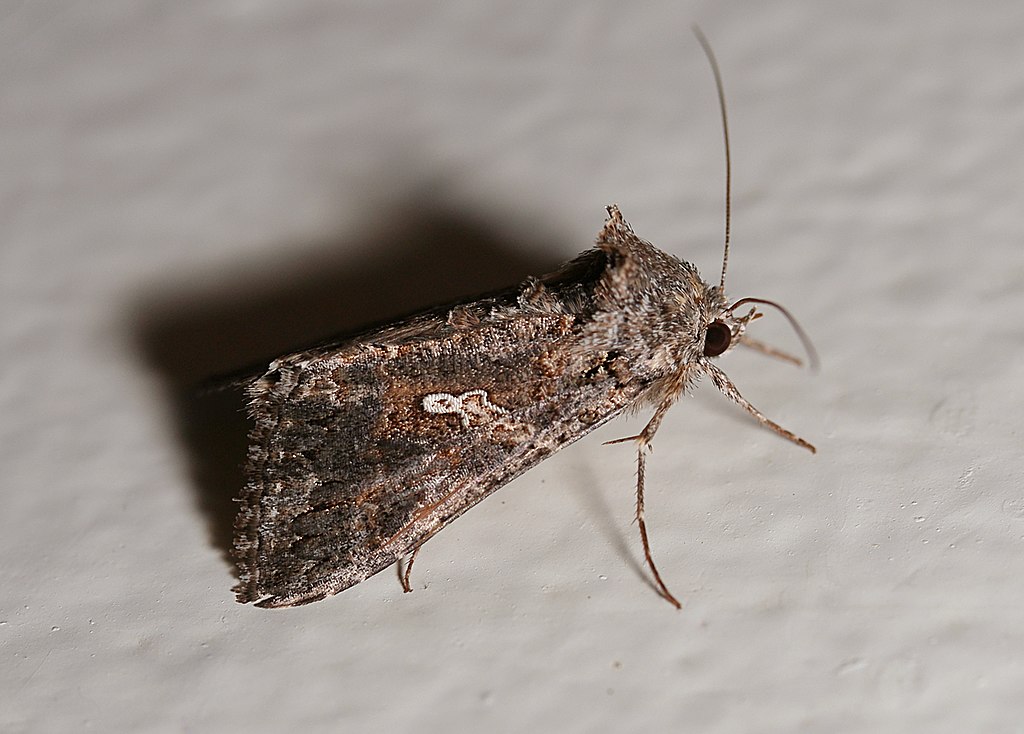
The cabbage moth is a species of moth whose larvae are known agricultural pests, particularly affecting cabbage and related crops. Native to Europe but found worldwide, it is recognized by its brownish-grey wings and characteristic markings. The larvae feed on the leaves of cruciferous plants, causing significant damage to commercial and home gardens. The species is studied in entomology and pest management for its impact on food production.
The cactus moth (Cactoblastis cactorum) is an insect species native to South America, known for its larvae that feed on prickly pear cacti. It gained notoriety for its use in biological control programs to manage invasive cactus populations in Australia and other regions. However, its introduction has also led to ecological concerns where it threatens native cactus species.
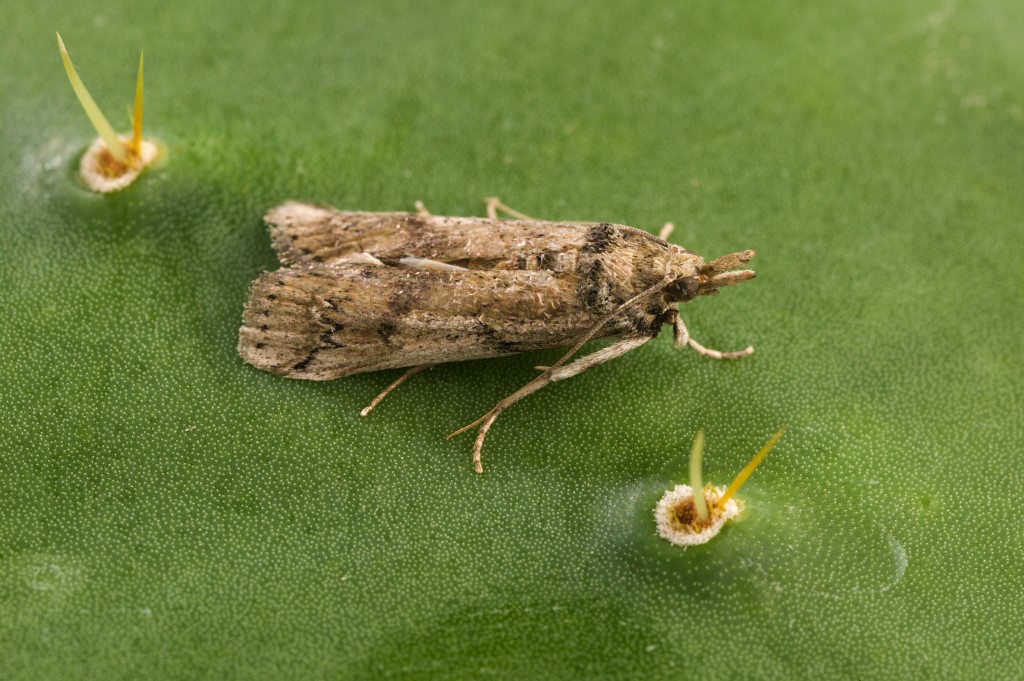
© Wikimedia.org/Peggy Greb, CC0
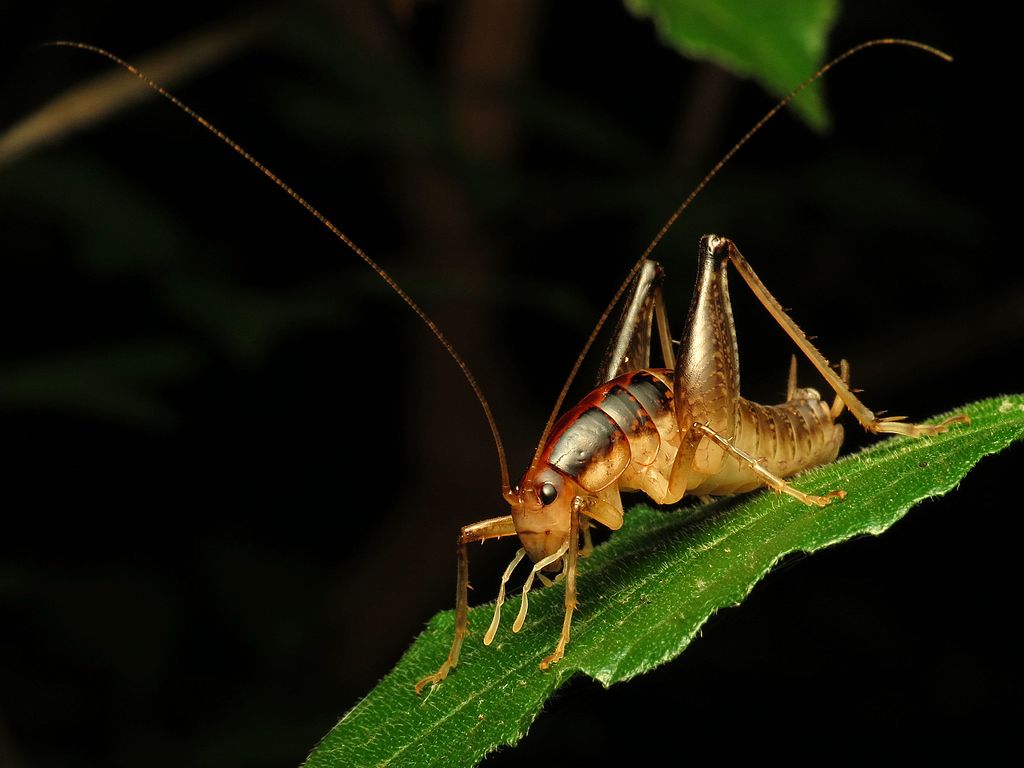
The camel cricket is a type of insect belonging to the family Rhaphidophoridae, known for its humpbacked appearance and long legs. These crickets are commonly found in cool, damp environments such as basements and caves. They are notable for their ability to jump long distances and are not known to chirp like other crickets.
The camel spider, also known as a solifuge, is an arachnid found in arid regions such as deserts in the Middle East, Africa, and the Americas. Despite their name, they are not true spiders and are known for their large size and fast movement. Camel spiders have gained notoriety due to myths about their behavior and appearance, but they are generally harmless to humans. Their significance lies in their adaptation to extreme environments and their role in desert ecosystems.
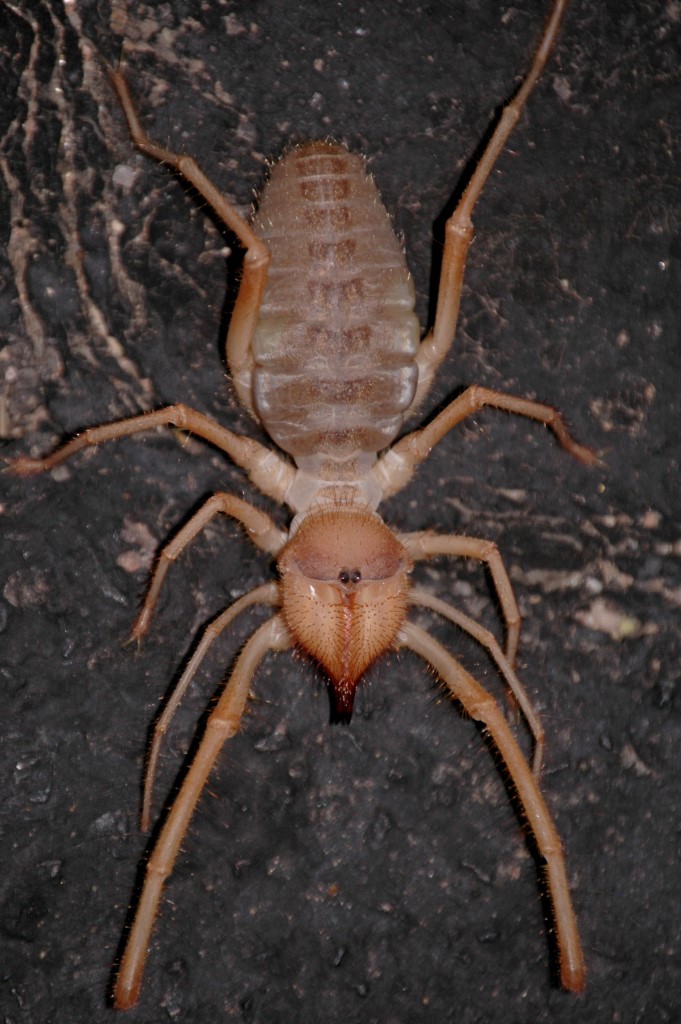
© Wikimedia.org/Siamaksabet, CC BY-SA
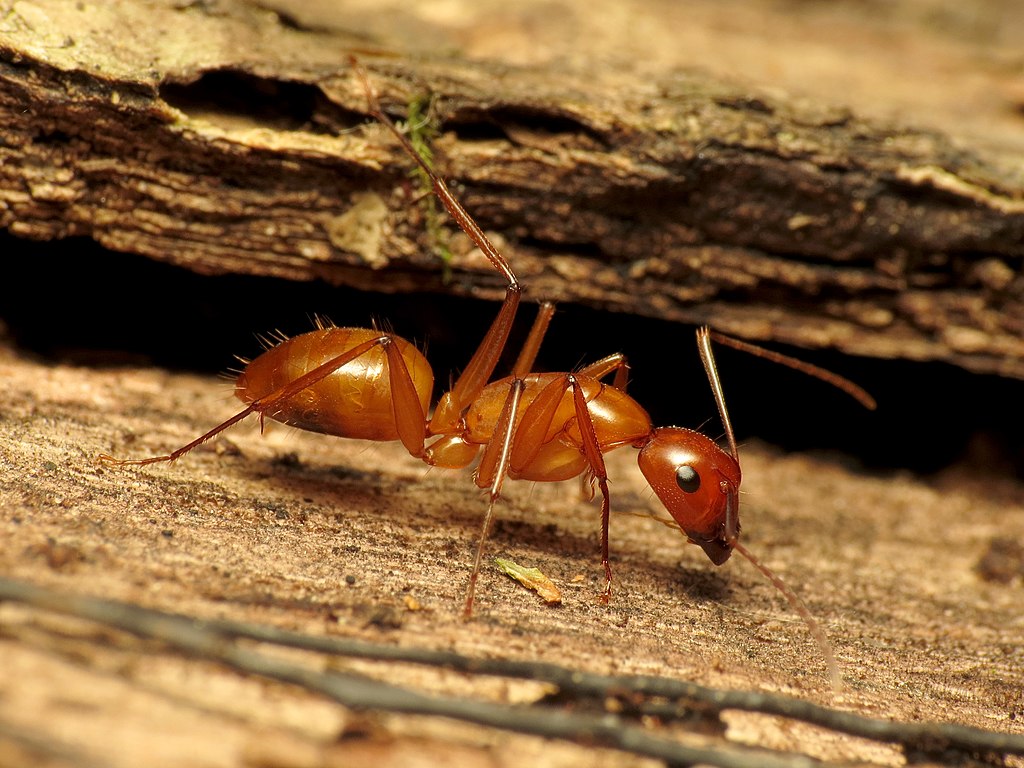
Carpenter ants are a genus of large ants known for their wood-burrowing behavior. Unlike termites, they do not eat wood but excavate it to create nests, which can cause structural damage to buildings. These ants are found worldwide and are significant in both ecological systems and pest management.
A caterpillar is the larval stage of insects in the order Lepidoptera, which includes butterflies and moths. During this stage, caterpillars primarily feed and grow before undergoing metamorphosis into their adult form. They are known for their distinctive segmented bodies and are important in both natural ecosystems and agriculture.
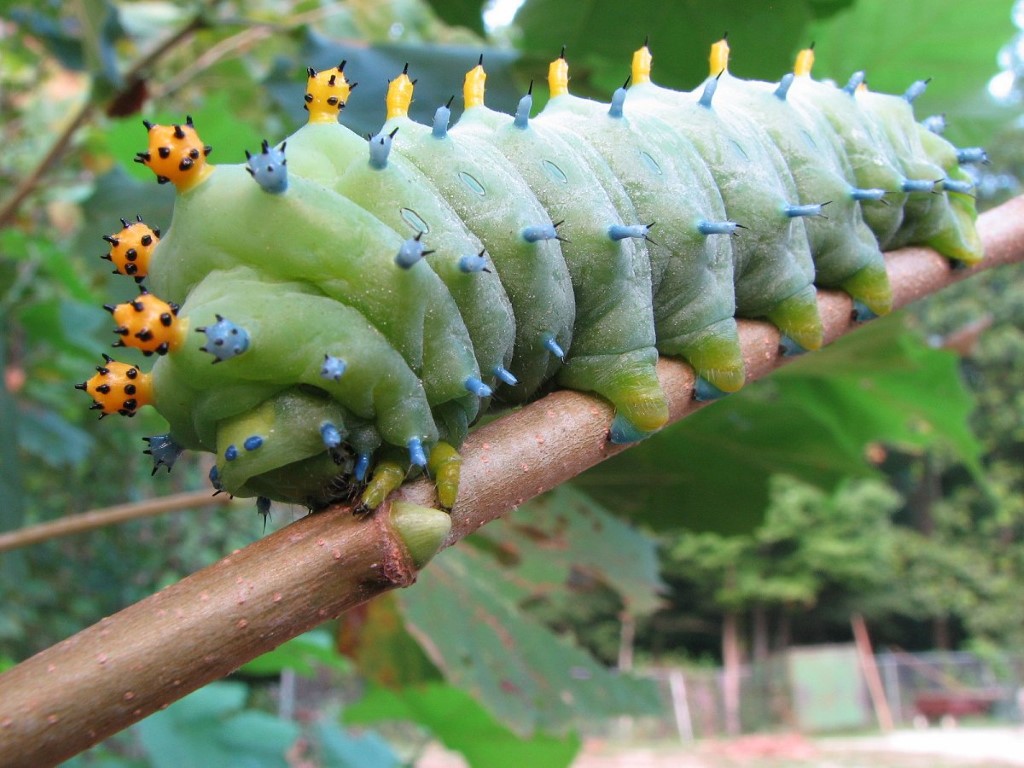
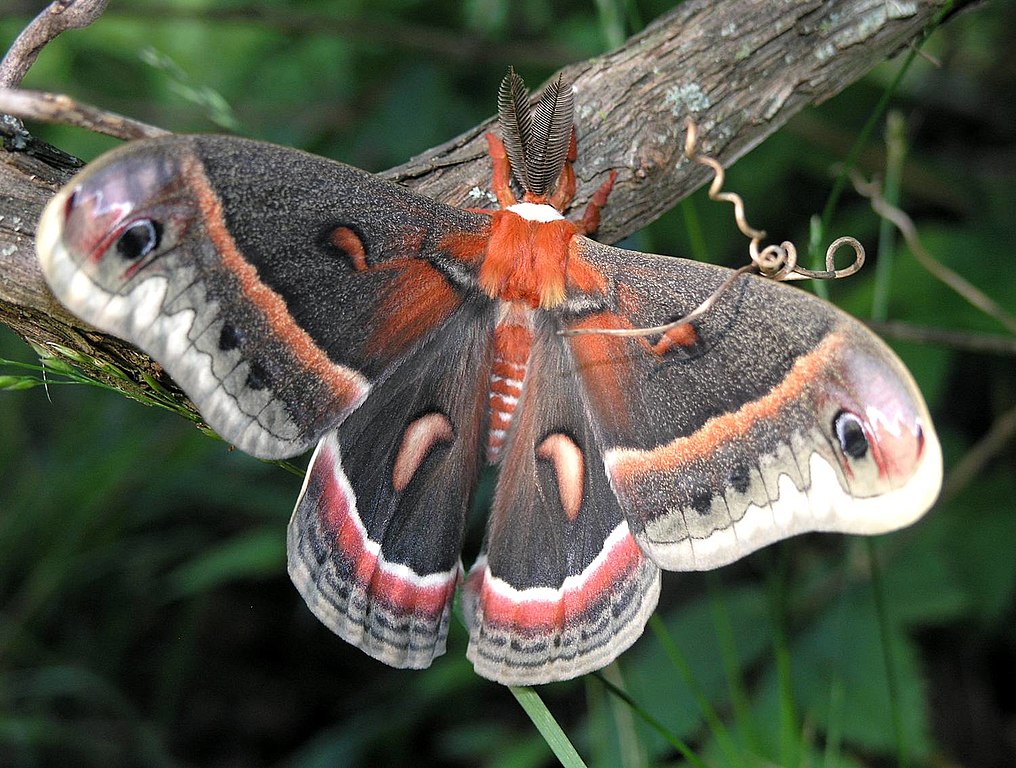
The Cecropia Moth is the largest native moth in North America, belonging to the family Saturniidae. It is known for its impressive wingspan, colorful patterns, and feathery antennae. The species is significant in entomology for its striking appearance and life cycle, which includes a dramatic transformation from caterpillar to adult moth.
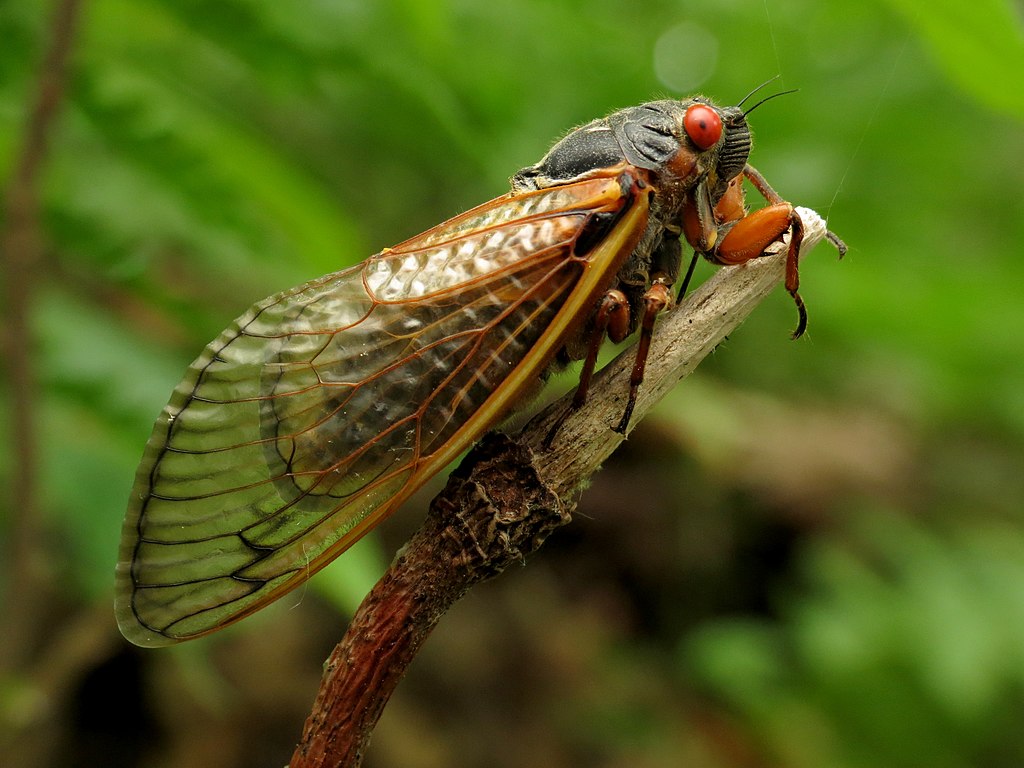
Cicadas are insects belonging to the order Hemiptera, known for their distinctive loud mating calls produced by males. They are found in many parts of the world and are notable for their unique life cycles, with some species emerging only every 13 or 17 years. Cicadas play important ecological roles, including aerating soil and serving as food for various animals. Their periodic mass emergences are a subject of scientific study and public interest.
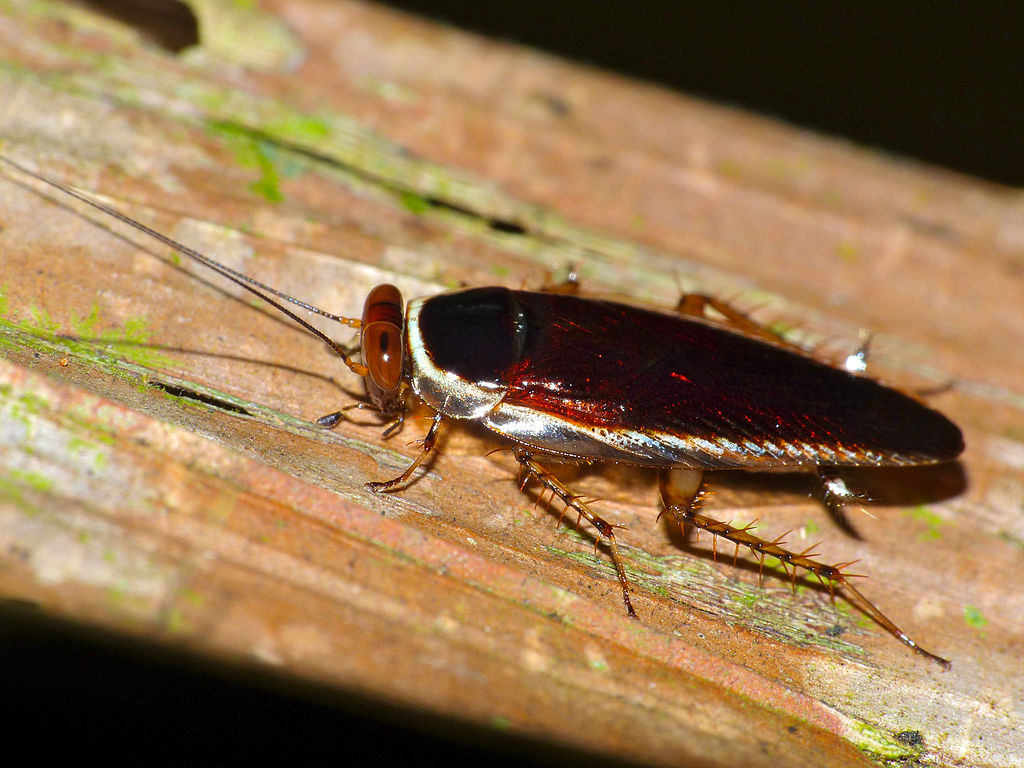
A cockroach is an insect belonging to the order Blattodea, known for its flat, oval-shaped body and long antennae. Cockroaches are notable for their resilience and adaptability, often thriving in a variety of environments, including human dwellings. They are significant in both ecological systems and public health discussions due to their role as pests.
The codling moth is an insect species known for being a major pest of apple orchards worldwide. Its larvae burrow into fruit, causing significant agricultural damage and economic loss. The species is native to Europe but has spread to many fruit-growing regions globally. Management of codling moth populations is a key concern in commercial fruit production.
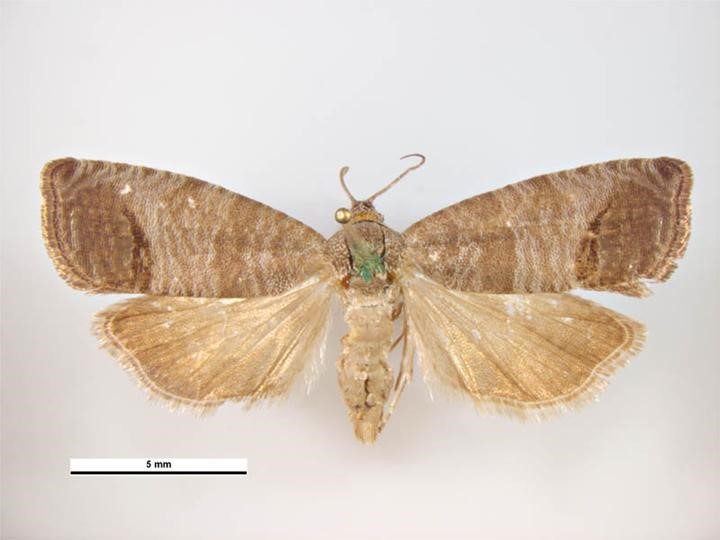
© Wikimedia.org/Ben Sale, CC BY
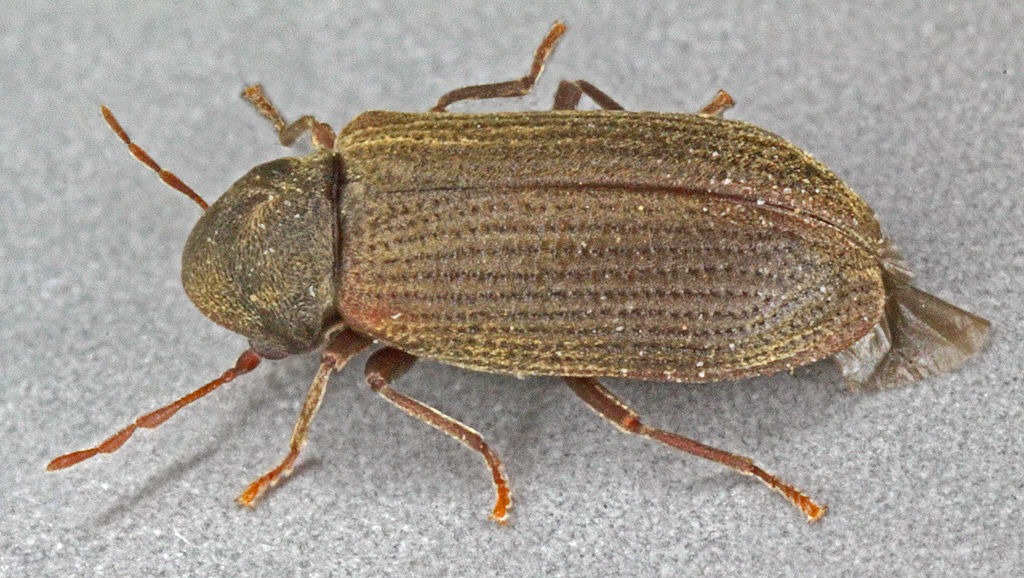
The Common Furniture Beetle, scientifically known as Anobium punctatum, is a wood-boring insect found primarily in Europe. It is known for infesting and damaging wooden furniture, structural timbers, and flooring. The larvae bore into wood, creating tunnels and weakening the material, which can lead to significant structural problems if left untreated.
The common house spider (Parasteatoda tepidariorum) is a small arachnid frequently found in human dwellings worldwide. It is known for spinning irregular, tangled webs in corners and undisturbed areas. These spiders play a role in controlling insect populations indoors and are generally harmless to humans.
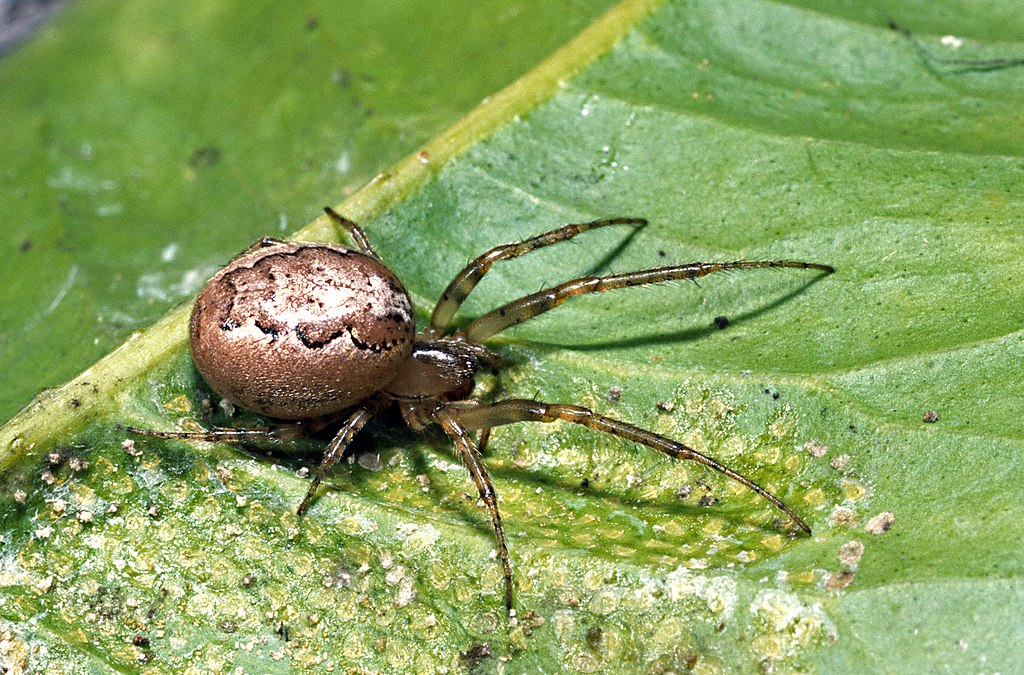
© Wikimedia.org/Don Horne, CC BY
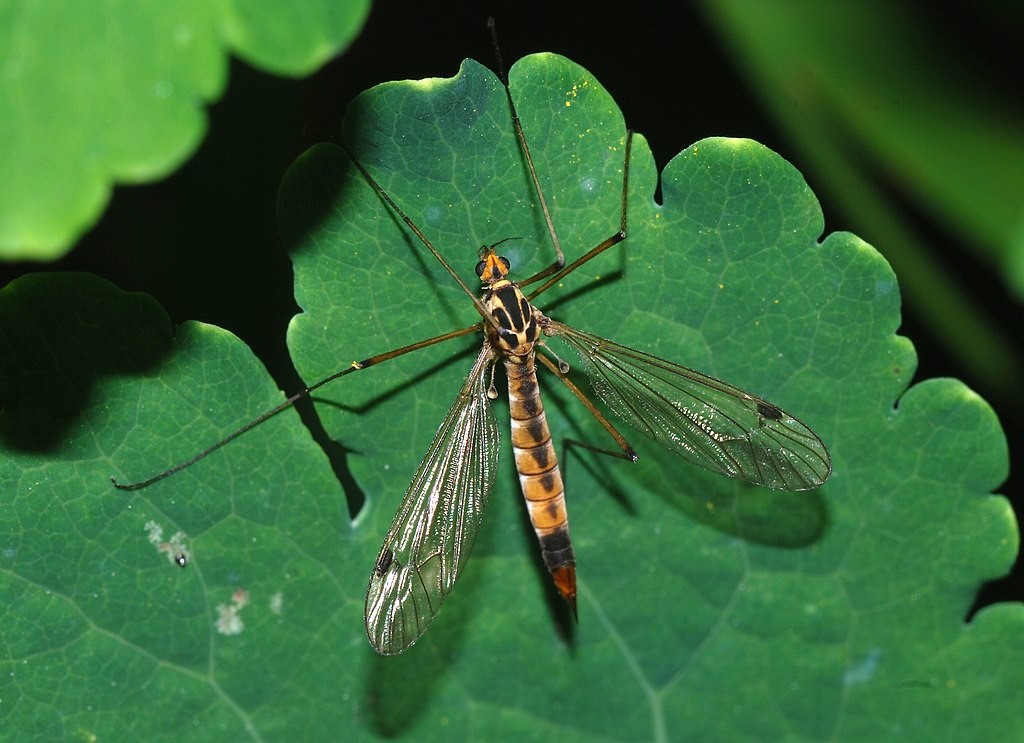
Crane flies are insects belonging to the family Tipulidae, characterized by their slender bodies and long, delicate legs. They are often mistaken for large mosquitoes but do not bite humans. Crane flies are found worldwide and play a role in various ecosystems, particularly as decomposers and as a food source for other animals.
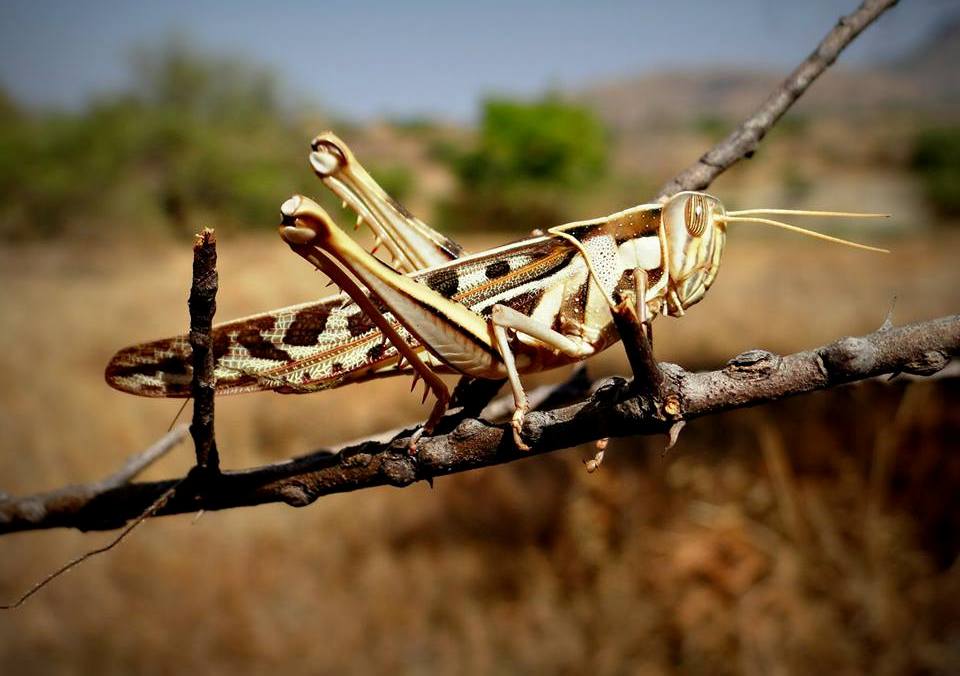
Cricket is a bat-and-ball sport played between two teams of eleven players each. Originating in England, it is now widely popular in countries such as India, Australia, and England. The game is known for its complex rules, long matches, and significant cultural impact in many Commonwealth nations.
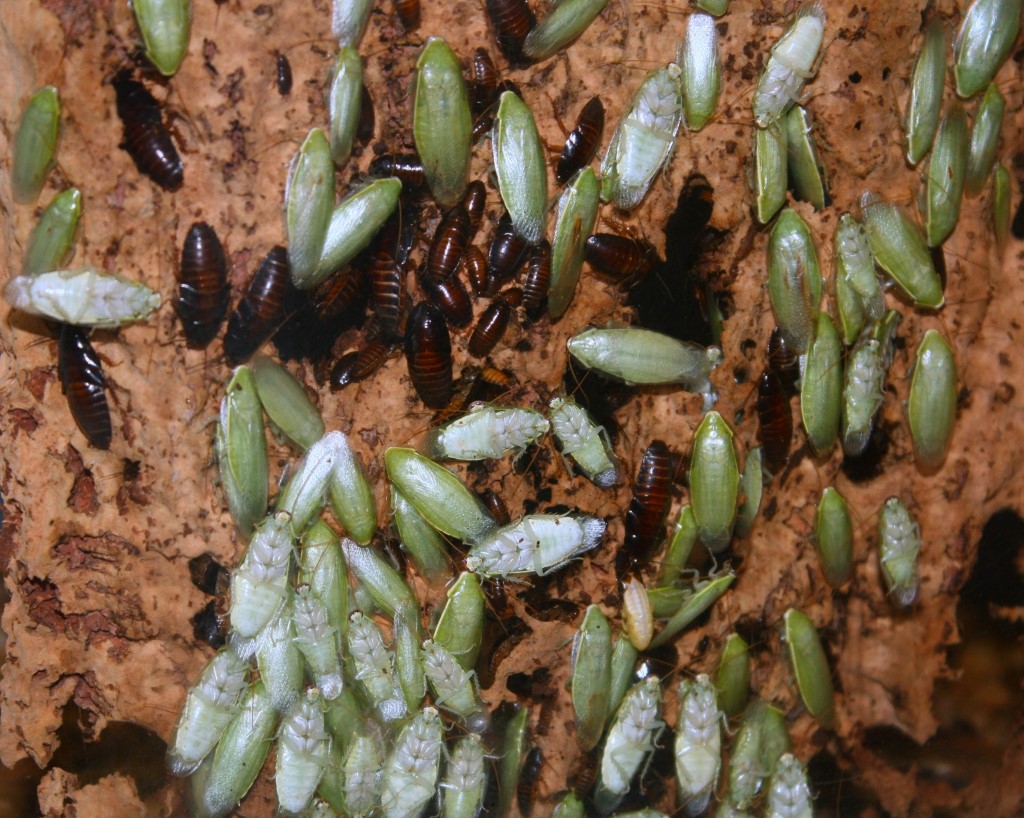
The Cuban cockroach, scientifically known as Panchlora nivea, is a species of cockroach native to Cuba and parts of the Caribbean. It is recognized for its pale green color and ability to fly, distinguishing it from many other cockroach species. This insect is often found outdoors and is sometimes kept as a pet or feeder insect in the pet trade.
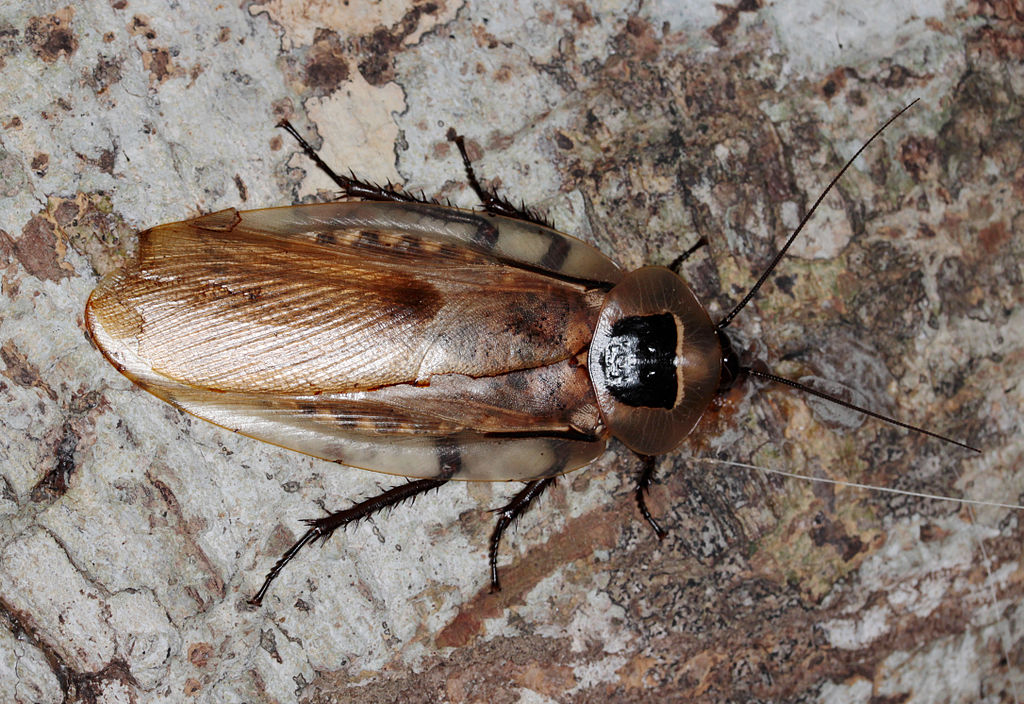
The Death’s Head Cockroach, scientifically named Blaberus craniifer, is a large species of cockroach native to Central and South America. It is named for the distinctive skull-like pattern on its thorax, which resembles a human death's head. This species is often studied in entomology and is popular among insect enthusiasts for its unique appearance.